
Pros & Cons of Silver-Impregnated Dressings
Silver Dressings: A Closer Look at How They Help
It starts as something small.
A scrape.
A blister that just won’t close.
A sore on your foot that aches every step you take.
You try the usual bandages. You keep it clean.
Nothing changes.
Maybe you feel frustrated.
Maybe you feel scared it will get worse.
Then your doctor mentions silver dressings.
Silver?
Like jewelry?
Like coins?
It sounds unusual.
But silver has been used in medicine for centuries. Today, silver-impregnated dressings are a proven way to control infection and help wounds heal.
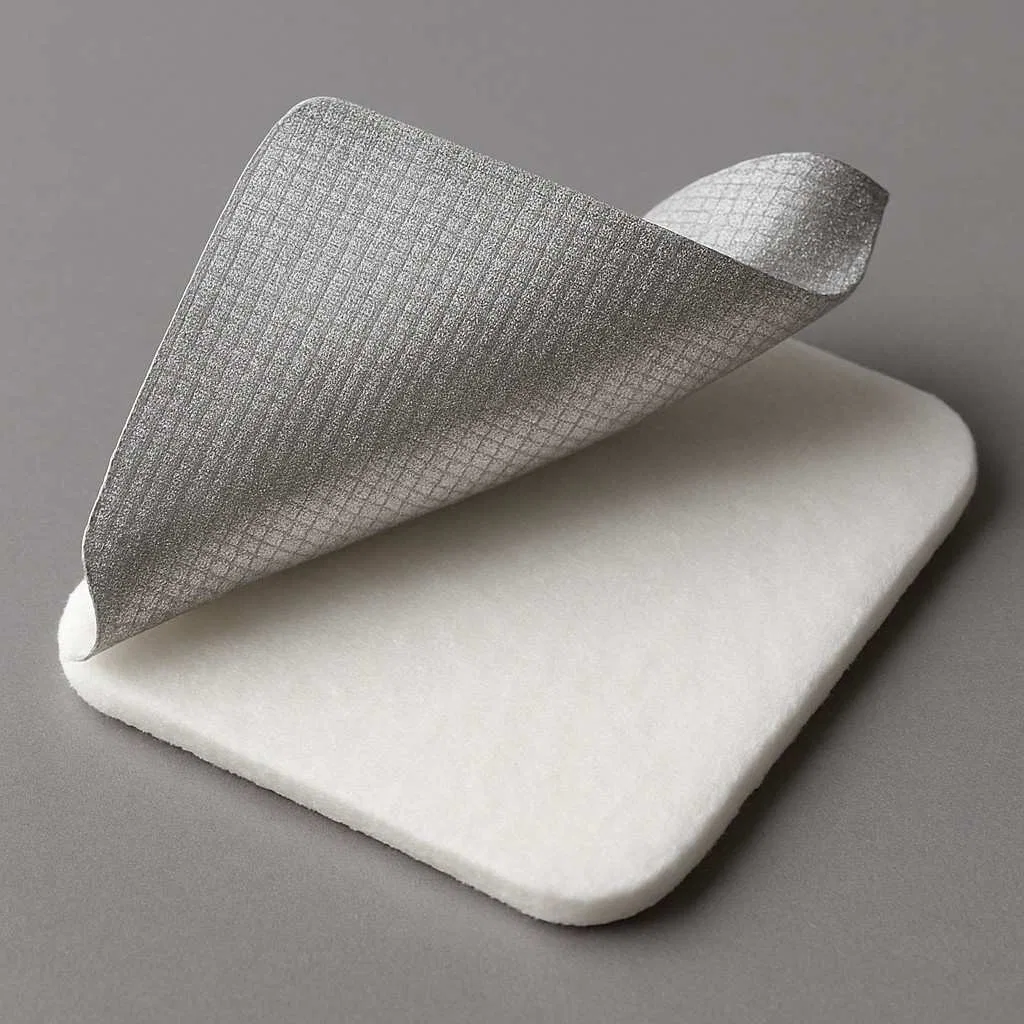
When you place a silver dressing over a wound, it slowly releases silver ions. Those ions kill bacteria on contact. They lower inflammation. They create a barrier that keeps germs out.
Think of it like a tiny shield, working day and night.
If you’re wondering whether this approach is effective, the National Institutes of Health shares research showing that silver dressings can significantly reduce bacterial counts in chronic wounds. And according to Johns Hopkins Medicine, silver wound care is often used for diabetic ulcers, pressure injuries, and surgical wounds at high risk of infection.
It’s not magic. It’s science and experience, working together to protect your skin.
At OWC Center, we see the results every day. A patient who was afraid their wound would never heal? They come back with relief in their eyes and a smile on their face. That’s the power of choosing the right dressing—and the right team to guide you.
Antimicrobial Dressings: Why They Matter in Chronic Wound Care
Antimicrobial dressings are designed to help control infection and keep wounds on track toward healing. Silver dressings are one of the most popular and effective types of antimicrobial dressings we use at OWC Center.
Why do we use them?
Infection is the #1 reason chronic wounds fail to heal. Even wounds that look clean can have bacteria hidden in biofilms. These invisible colonies slow healing and increase the risk of serious complications.
Silver dressings help by:
- Releasing antimicrobial silver ions that penetrate biofilms
- Reducing bacterial load without relying on antibiotics
- Minimizing odor that can be distressing and isolating
- Decreasing inflammation and swelling
- Providing a protective barrier against new infections
A real-life example:
Mrs. H was a retired teacher with a pressure injury that wouldn’t close. She felt embarrassed by the odor and frustrated that nothing worked. When we started silver wound care, she noticed improvement within days. Less odor. Less pain. More hope.
If you’re wondering whether antimicrobial dressings are right for you, it starts with a thorough Wound Assessment. We’ll examine your wound, talk through your history, and recommend a plan that fits your needs.
According to the research, controlling infection is one of the most critical steps in wound management. That’s why antimicrobial dressings play such an important role in our clinic.
Silver Wound Care: Benefits That Make a Difference
Silver wound care has earned a reputation for being one of the most effective strategies to promote healing in high-risk wounds. When your skin is vulnerable, silver dressings can be a lifesaver.
Key benefits include:
- Broad-Spectrum Protection: Silver is naturally effective against bacteria, fungi, and even some viruses.
- Longer Wear Time: Some silver dressings stay in place for up to seven days, which means fewer changes and less disruption.
- Less Odor: By reducing bacteria, silver helps control wound odor—a benefit many patients appreciate.
- Decreased Inflammation: Silver ions can calm irritated tissue and support a healthier wound bed.
- Improved Comfort: Less drainage and fewer dressing changes mean less pain and more confidence.
Anecdote:
Mr. K, a gentleman with diabetes, had a foot ulcer that refused to heal. He tried different creams and gauze, but nothing helped. We applied a silver dressing and gave clear instructions on care. Within a few weeks, he noticed less drainage and more healthy tissue forming.
If you’re exploring options for wound care, it’s helpful to see how silver compares to other advanced therapies like moisture-balanced dressings or negative pressure wound therapy.
Read more about how moisture-balanced dressings can complement silver therapy.
The Downsides of Silver Dressings: When to Use Caution
Like any medical treatment, silver wound care has pros and cons. While it can be a powerful tool, it’s not right for every wound or every patient.
Potential drawbacks to consider:
- Cost: Silver dressings are more expensive than standard gauze or foam. Some insurance plans cover them, but not all.
- Skin Sensitivity: A small number of patients may experience irritation or allergic reactions.
- Temporary Discoloration: Silver can sometimes turn the wound bed or skin grayish. This is harmless but can look alarming.
- Delayed Healing: If used unnecessarily, silver dressings can slow new tissue growth.
How OWC Center helps:
- We never use silver “just in case.” It’s only recommended when the benefits outweigh the risks.
- Our clinicians carefully monitor your progress. If there are signs of irritation or slowed healing, we adjust the plan immediately.
- We explain everything in clear, simple language so you always know why we’re choosing a specific dressing.
If you have questions about whether silver dressings are a good fit, you can explore our Advanced Wound Care or schedule a Personalized Consultation.
For additional guidance, you can read this Mayo Clinic overview on wound treatment options.
How to Use Silver Dressings Safely
Frequency of Changes:
- Low to moderate drainage: every 5–7 days
- Heavy drainage: every 1–3 days
- Signs of infection or irritation: change immediately
5 Tips for Safe Use:
- Wash hands thoroughly before touching the wound.
- Gather supplies so you’re prepared.
- Gently remove old dressing without pulling healthy skin.
- Cleanse the wound as directed.
- Apply the new dressing, ensuring the silver side faces the wound bed.
Ongoing Support:
At OWC Center, we never leave you to figure things out alone. We provide written guides, hands-on demonstrations, and 24/7 support. During your Follow-Up Visits, we’ll re-evaluate and adjust as needed.
If you’d like more information about wound care at home, the Medicare Learning Network has helpful resources.
Silver dressings have quietly earned their place as one of the most trusted tools in advanced wound care. For wounds that refuse to heal or seem stuck in an endless cycle of infection and irritation, they can feel like a turning point. With their natural ability to fight bacteria, reduce odor, and create a cleaner environment for healing, these antimicrobial dressings offer a practical solution that brings relief and hope to patients who’ve often tried everything else.
Of course, not every wound needs silver. They’re a thoughtful choice, used when the benefits—less infection risk, fewer dressing changes, a calmer wound bed—clearly outweigh the downsides. And while some may worry about cost or temporary discoloration, many find that the comfort, protection, and peace of mind are well worth it.
Patients who once felt embarrassed by chronic drainage or afraid to leave the house start to see small victories: less redness, a little less pain, finally feeling like healing is possible again. That’s why at OWC Center, the decision to use silver dressings is always made with care, clarity, and a shared commitment to moving forward—one clean, protected step at a time.
Key Takeaways
1️⃣ Silver dressings help protect wounds that need extra care.
Silver dressings release antimicrobial silver ions that fight bacteria and reduce infection risk. This makes them an important option for chronic wounds that haven’t responded to standard treatments.
2️⃣ These dressings can reduce odor and improve comfort.
Infections can lead to odor, drainage, and discomfort that impact daily life. Silver dressings help control bacteria and keep wounds cleaner, so you can feel more confident and at ease. Discover more about our compassionate Wound Management approach.
3️⃣ Not every wound requires silver wound care.
While silver is effective, it isn’t the right choice for every wound. Our clinicians carefully assess each situation and recommend silver only when the benefits outweigh any potential downsides.
4️⃣ Insurance may cover silver dressings with proper documentation.
Many health plans, including Medicare, will pay for silver dressings if they’re medically necessary. Our team can help you understand your coverage, submit paperwork, and avoid unexpected costs.
5️⃣ Using silver dressings safely is key to healing.
Applying and changing silver dressings correctly helps prevent irritation and supports better results. Our team provides clear instructions, take-home guides, and hands-on training so you feel confident every step of the way. If you need support, we’re always here to help—contact us.
5 Related Questions Patients Often Ask (and Answered)
1️⃣ What are silver-impregnated dressings, and how do they work?
Silver dressings are specialized wound coverings that contain silver particles or compounds. These dressings release silver ions into the wound bed, which helps kill bacteria and prevent infection.
Here’s why that matters:
- Kills bacteria on contact: Silver has natural antimicrobial properties that work against a wide range of bacteria, including some antibiotic-resistant strains.
- Reduces odor: Infection can create unpleasant smells. Silver dressings help minimize this by controlling bacteria.
- Protects delicate tissue: By lowering the bacterial load, silver helps wounds stay clean and better prepared to heal.
- Supports advanced healing: Silver dressings are often part of comprehensive plans that also include moisture-balanced dressings and other therapies.
At OWC Center, we use silver dressings for wounds at higher risk of infection, like diabetic ulcers, pressure injuries, and surgical wounds. Each wound is carefully assessed during a Wound Assessment to determine if silver is appropriate.
2️⃣ What are the benefits of using silver dressings?
Silver dressings offer several advantages, especially for chronic or complex wounds.
Key benefits include:
- Broad-spectrum antimicrobial protection: Silver is effective against bacteria, fungi, and even some viruses.
- Reduced risk of infection: This is especially important for wounds that have stalled or are slow to heal.
- Less frequent dressing changes: Some silver dressings can be left in place for several days, reducing discomfort.
- Decreased odor and drainage: Silver helps manage wound exudate and odor, improving comfort and confidence.
A patient we treated, Mr. J, had a non-healing diabetic foot ulcer that became infected more than once. When we added a silver dressing to his care plan, he noticed a dramatic improvement. The redness and drainage decreased, and he felt hopeful for the first time in months.
If you’d like to explore more about this approach, visit our Advanced Wound Care page to see how we combine silver dressings with other evidence-based treatments.
3️⃣ Are there any downsides to silver dressings?
While silver wound care can be incredibly helpful, it’s not always the right solution for every wound.
Potential drawbacks to consider:
- Cost: Silver dressings are more expensive than standard dressings. Some insurance plans cover them, but not all.
- Possible skin sensitivity: A small number of patients may develop irritation or an allergic reaction.
- Delayed healing in some cases: Overuse of silver can slow healing if it’s not medically necessary.
- Discoloration: Silver may temporarily turn the wound bed or surrounding skin a grayish color.
At OWC Center, we only recommend silver dressings when the benefits clearly outweigh the risks. Our clinicians monitor progress closely, adjusting the treatment plan if any issues arise. If you have concerns about whether silver is right for you, our team will take time to explain all options with compassion and transparency.
4️⃣ How often do silver dressings need to be changed?
The frequency of dressing changes depends on several factors, including wound type, drainage, and the specific product used.
Typical guidelines:
- Low to moderate drainage: Dressings may stay in place for up to 7 days.
- Heavy drainage: Dressings are often changed every 1–3 days to maintain cleanliness.
- Signs of infection or irritation: The dressing should be replaced immediately if you notice increased pain, redness, odor, or unusual drainage.
Here’s how we help:
- Clear instructions: Our clinicians will walk you (or your caregiver) through the process step by step.
- Written guides: We provide take-home materials so you don’t have to memorize everything.
- Ongoing support: If you’re unsure when to change your dressing, you can always call our clinic for guidance.
During your Wound Care Follow-Up, we’ll check progress and adjust your dressing schedule as needed. Remember, no question is too small—we’re here to help you feel confident.
5️⃣ Are silver dressings covered by insurance?
Insurance coverage varies widely, but many plans cover silver dressings if they are prescribed for medically necessary wound care.
What affects coverage:
- Your insurance provider: Private insurers, Medicare, and Medicaid have different policies.
- Documentation: Proper records from your wound care team are essential to show medical necessity.
- Type of wound: Chronic and non-healing wounds are more likely to be covered.
Our staff at OWC Center can help you navigate the paperwork and understand what your plan will cover. We’ll:
- Submit any necessary documentation.
- Provide estimates so there are no surprises.
- Suggest alternatives if coverage is limited.
If you have concerns about affordability, visit our Wound Care Services page or call us. We believe everyone deserves access to advanced wound care that promotes healing and dignity.
