
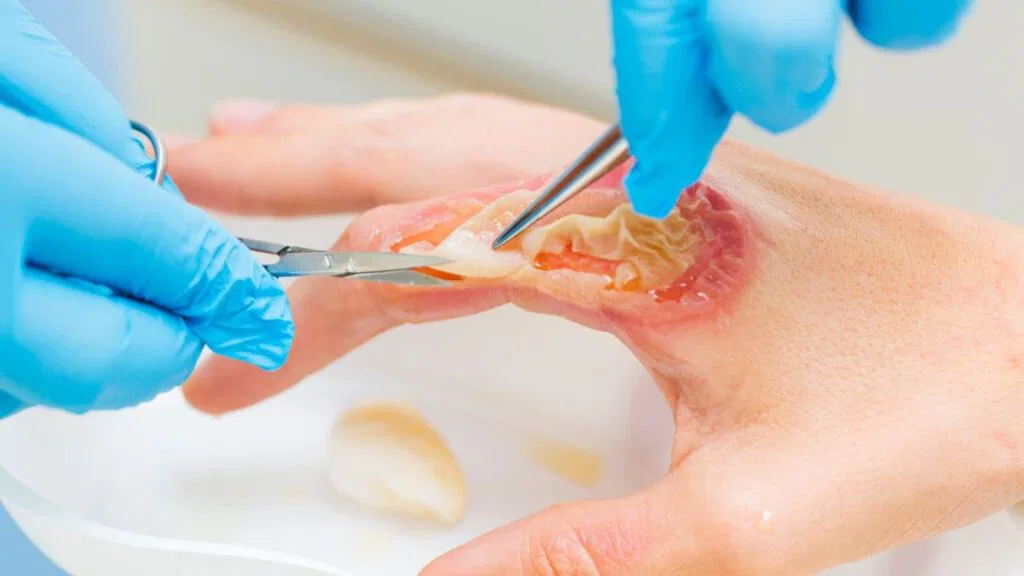
The Role of Enzymatic Debridement in Wound Cleaning
Slow healing. Tough tissue. A stubborn wound that just won’t close.
It lingers for weeks. Maybe months. You’ve tried ointments, wraps, daily cleaning. But something’s not working.
You start to wonder: why isn’t it healing?
The answer may be dead tissue—slough or eschar—blocking your body’s ability to recover. That’s where enzymatic debridement comes in.
This method doesn’t cut or scrape. It doesn’t involve harsh pressure. Instead, it uses powerful enzymes to gently dissolve the problem tissue, making way for healing.
According to the National Institutes of Health, enzymatic debridement is a safe and effective solution for patients who can’t tolerate surgery or have high-risk comorbidities. And Cleveland Clinic notes its importance in managing chronic wounds that won’t heal on their own.
At OWC Center, we use this approach for patients who need healing that’s as gentle as it is effective.
Chronic Wounds Need Specialized Care
Chronic wounds are defined as wounds that don’t heal in an expected timeframe—often persisting longer than four weeks. These wounds are often seen in individuals with underlying conditions like diabetes, poor circulation, or advanced age.
Common Chronic Wound Types Treated with Enzymatic Debridement
- Diabetic foot ulcers
- Pressure injuries (bedsores)
- Venous leg ulcers
- Radiation wounds or surgical sites with necrosis
- Post-traumatic wounds with slough build-up
Enzymatic debridement offers a targeted way to clear away dead tissue that slows healing. It works best on yellow slough or softened eschar, helping convert the wound into a clean bed that can support new tissue.
Why OWC Center Chooses Enzymatic Options for Chronic Wounds
- Minimally invasive: Great for elderly or fragile patients
- Non-disruptive: Doesn’t damage healthy tissue
- Easier at-home care: Many enzyme ointments can be applied by caregivers with proper guidance
👉 Explore our Advanced Wound Care approach
Non-Surgical Options Offer Gentle Yet Effective Results
Surgery isn’t always the answer. Many OWC Center patients are looking for non-surgical options that allow them to heal without trauma, anesthesia, or long recovery times.
Enzymatic vs. Other Debridement Methods
Surgical Debridement:
- Performed in a medical setting
- Quick removal of tissue but may require sedation
- Not ideal for patients with cardiovascular risk or blood clotting issues
Mechanical Debridement:
- Uses gauze or irrigation to scrub tissue
- Can be painful and imprecise
Autolytic Debridement:
- Relies on the body’s natural enzymes
- Works slowly and requires high moisture balance
Enzymatic Debridement:
- Applied topically by a provider
- Acts selectively on dead tissue
- Safe for outpatient and in-home settings
👉 Schedule a Wound Assessment to learn what’s right for you
How Enzymatic Debridement Supports Healing
Cleaning a wound isn’t just about hygiene—it’s about biology. Wounds with dead tissue can’t progress to healing because that tissue harbors bacteria and blocks regeneration.
How It Works
- Topical enzyme gel is applied to the wound site
- The enzyme dissolves devitalized tissue without harming healthy skin
- The wound is re-dressed and monitored every 1-2 days
- New tissue begins forming in a clean, balanced environment
This process can take several days to weeks, depending on wound size and severity. But it’s often more comfortable than aggressive methods.
Key Advantages:
- Pain-free for most patients
- No anesthesia or cutting required
- Can be done as part of outpatient wound care
At OWC Center, we’ve helped countless patients regain mobility and comfort through gentle, enzyme-based cleaning methods.
Determining If Enzymatic Debridement Is Right for You
Every wound is different. What works for one patient may not work for another. That’s why we begin every care plan at OWC Center with a comprehensive assessment.
We Consider:
- Wound duration and type
- Presence of infection or slough
- Patient’s overall health and healing ability
- Pain tolerance and skin sensitivity
- Response to previous wound treatments
If enzymatic debridement is the right path, we’ll guide you every step of the way—from initial application to monitoring and dressing changes.
👉 Book your consultation today to learn more
Not every wound needs surgery to heal—and for many patients, it’s simply not an option. That’s where enzymatic debridement becomes such a valuable tool. By gently dissolving dead tissue without harming healthy skin, it creates an ideal environment for the body to repair itself. Especially for those dealing with chronic wounds, diabetes, or fragile skin, this non-surgical option offers both comfort and real results.
At OWC Center, we look beyond surface symptoms. We evaluate the whole patient—the wound, their lifestyle, their healing capacity—to craft a plan that fits. Enzymatic debridement often becomes a key part of that journey, helping patients feel less pain, regain mobility, and finally move toward recovery after weeks or months of slow healing.
Key Takeaways
- Enzymatic debridement is a safe, non-surgical way to clean chronic wounds.
This gentle method uses topical enzymes to dissolve dead tissue—without cutting or scraping. It’s especially helpful for patients who can’t tolerate more invasive techniques, offering a soothing, targeted solution that supports natural healing.
- It’s ideal for wounds that won’t heal on their own.
Chronic wounds—like diabetic foot ulcers, pressure injuries, or radiation wounds—often need more than standard care. Enzymatic debridement removes barriers to healing without harming new tissue, helping these complex wounds finally move forward.
👉 Learn more about our Diabetic Foot Ulcer Treatment - It bridges the gap between conservative and surgical options.
Unlike surgical or mechanical debridement, enzymatic treatment is precise, pain-free for most, and requires no anesthesia. It’s a smart middle ground when aggressive treatment is too risky, but conservative care isn’t enough. - Most patients experience minimal discomfort during treatment.
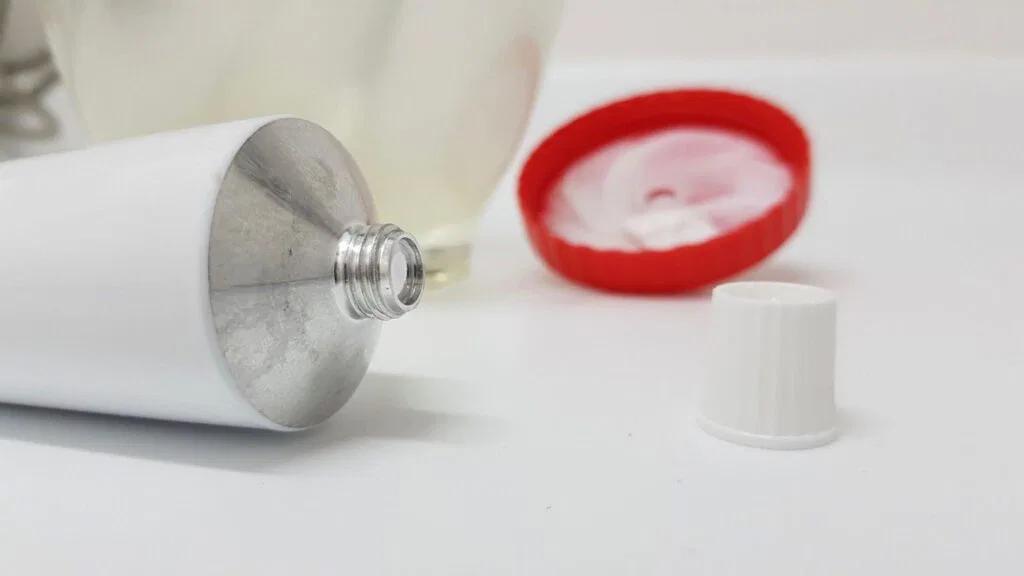
The application process is simple: an enzyme-based ointment is applied, covered with a dressing, and monitored over several days. It’s easy to tolerate and safe for in-clinic or at-home wound care when properly managed.
- Every care plan starts with a comprehensive assessment.
At OWC Center, we don’t guess, we evaluate. From wound duration and drainage to your comfort level and health history, we determine the best path to healing. And when enzymatic debridement is the right choice, we’re with you every step.
👉 Book your personalized consultation today
5 Related Questions Asked and Answered
1. What is enzymatic debridement, and how does it work?
Enzymatic debridement is a non-surgical wound cleaning method that uses topical agents (usually ointments or gels) to selectively break down and remove dead tissue (also known as necrotic tissue) from a wound bed. Unlike mechanical or surgical methods, enzymatic debridement works gradually and gently, making it ideal for patients who cannot tolerate more invasive procedures.
How it works:
- The enzyme targets and dissolves non-living tissue without harming healthy skin.
- It helps clear the wound bed so that healthy tissue can regenerate more easily.
- It supports the body’s natural healing process while reducing the risk of infection or inflammation.
At OWC Center, enzymatic debridement is often part of our chronic wound care plans especially for elderly patients, diabetic wounds, or those recovering from surgery.
2. What types of wounds benefit most from enzymatic debridement?
This method is particularly helpful for chronic wounds—those that linger or don’t respond well to standard treatments. These wounds often develop in patients with diabetes, poor circulation, or a weakened immune system.
Common wound types where enzymatic debridement is used:
- Diabetic foot ulcers
- Pressure injuries (bedsores)
- Venous leg ulcers
- Post-surgical wounds with slough or necrosis
- Radiation-induced wounds
If the wound bed is covered in yellow, stringy tissue or blackened dead tissue, enzymatic debridement can help clean it gently and effectively. At OWC Center, we tailor every debridement strategy to your condition, pain tolerance, and healing goals.
3. How is enzymatic debridement different from other wound cleaning methods?
Enzymatic debridement is just one of several approaches to wound cleaning, but it offers unique advantages—especially for those needing non-surgical options.
Comparison with other methods:
- Surgical debridement: Fast and effective, but requires anesthesia and carries risks—especially for patients with chronic illness.
- Mechanical debridement: Uses gauze or dressings to scrub away tissue. It’s less precise and can damage healthy skin.
- Autolytic debridement: Uses the body’s own enzymes and moisture but is very slow.
- Enzymatic debridement: Targets only dead tissue, is non-invasive, and usually pain-free.
It’s a great bridge between conservative and more aggressive methods, offering effective results with minimal trauma. This makes it a preferred option for many OWC Center patients with delicate skin or complex wounds.
👉 Schedule a Wound Assessment to find the best option for you
4. Is enzymatic debridement safe and painless?
Yes, for most patients, enzymatic debridement is both safe and gentle. It’s often used when pain or bleeding risks make other methods less viable.
What patients typically experience:
- A topical cream or gel is applied by the wound care specialist
- The area is covered with a dressing and monitored
- Over time (usually a few days), the dead tissue begins to break down
- The dressing is changed, and progress is re-evaluated regularly
Because the enzyme targets only devitalized tissue, there is minimal disruption to healthy skin and most patients report little to no discomfort. For individuals with sensitive skin, impaired mobility, or medical conditions that make surgery risky, this is a very reassuring option.
At OWC Center, we monitor each step closely to ensure safety and effectiveness.
5. How do I know if enzymatic debridement is right for my wound?
That’s exactly why we begin with a comprehensive wound assessment at OWC Center. Not every wound needs enzymatic treatment—but when it does, we make sure it’s applied correctly, safely, and in combination with proper dressings and care routines.
We’ll look at:
- How long the wound has been open
- If there’s visible dead tissue or infection
- Your pain level, medication list, and overall health
- How your wound has responded to other treatments
From there, we can determine whether enzymatic debridement is the best fit—or whether surgical, autolytic, or mechanical methods would yield better results. Either way, your care plan will be customized to support the fastest and most comfortable recovery.
👉 Book a consultation with our wound care specialists today
