

Why Chronic Wounds Need Specialized Care in Louisville
At OWC Center, we’ve observed a concerning trend in Louisville: the rising prevalence of chronic wounds. These persistent injuries can significantly impact a person’s quality of life and require specialized attention.
Chronic wound care in Louisville has become increasingly important as more residents face complex, slow-healing wounds. This blog post explores why specialized care is crucial for effectively treating these challenging conditions and improving patient outcomes.
Why Chronic Wounds Are on the Rise in Louisville
The Scope of the Problem
Louisville faces a growing health challenge: chronic wounds. While specific data on chronic wound cases in Louisville is not available, the Kentucky Department for Public Health has reported increases in other health conditions. For instance, there was an increase in acute HCV cases in Kentucky from 2019 to 2021. In 2024, the Louisville Metro Department of Public Health and Wellness (LMPHW) launched a comprehensive community health improvement planning process to address various health challenges in the city.
Common Types of Chronic Wounds
Louisville residents frequently encounter these types of chronic wounds:
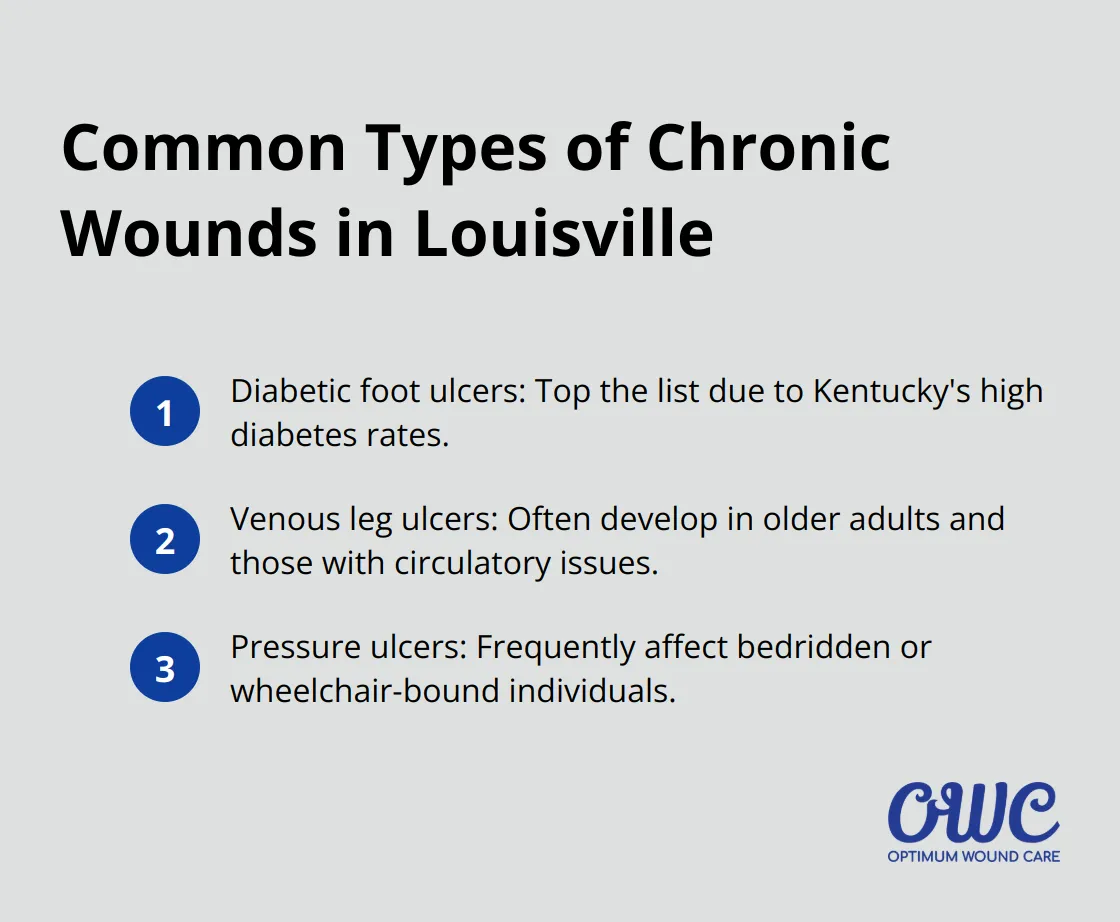
- Diabetic foot ulcers: These wounds top the list due to Kentucky’s high diabetes rates.
- Venous leg ulcers: Older adults and those with circulatory issues often develop these wounds.
- Pressure ulcers: Bedridden or wheelchair-bound individuals frequently suffer from these wounds.
Factors Fueling the Increase
Several elements contribute to the rising prevalence of chronic wounds in Louisville:
- Aging population: The baby boomer generation’s advancing age brings more age-related chronic conditions that can lead to wound development.
- High obesity rates: Kentucky has a high prevalence of multiple chronic conditions, which could be linked to obesity.
- Diabetes epidemic: Diabetes significantly elevates the risk of diabetic foot ulcers.
The Importance of Specialized Care
The complexity of chronic wounds often requires expert intervention. General healthcare providers play a vital role, but specialized treatment can make a significant difference in patient outcomes.
Optimum Wound Care uses advanced techniques and technologies to address each wound’s unique challenges. Their team has observed faster healing times and better outcomes for patients who receive specialized care.
Early Intervention: A Key to Success
As Louisville continues to face this growing health challenge, residents must understand the risks and seek specialized care when needed. Early intervention can dramatically improve the prognosis for those dealing with chronic wounds.
The rising prevalence of chronic wounds in Louisville underscores the need for expert care. In the next section, we’ll explore the specific challenges that make treating these wounds so complex and why specialized care is essential for optimal healing.
Why Chronic Wounds Present Unique Treatment Challenges
The Complex Nature of Chronic Wounds
Chronic wounds don’t heal like typical injuries. They often stall in the inflammatory phase, leading to tissue breakdown and impaired healing. The wound bed contains high levels of proteases (enzymes that break down proteins). These proteases can destroy growth factors and newly formed tissue, creating an environment hostile to healing. A study indicated a clear increase in MMP activity within chronic wound fluids as compared to acute wound fluids.
Underlying Health Conditions Complicate Treatment
Many patients with chronic wounds have health issues that make treatment difficult. Diabetes affects wound healing in multiple ways. High blood sugar levels damage blood vessels and nerves, which reduces blood flow to the wound site and impairs the body’s ability to fight infection. Vascular diseases also contribute significantly to chronic wound development. Poor circulation deprives tissues of oxygen and nutrients essential for healing.
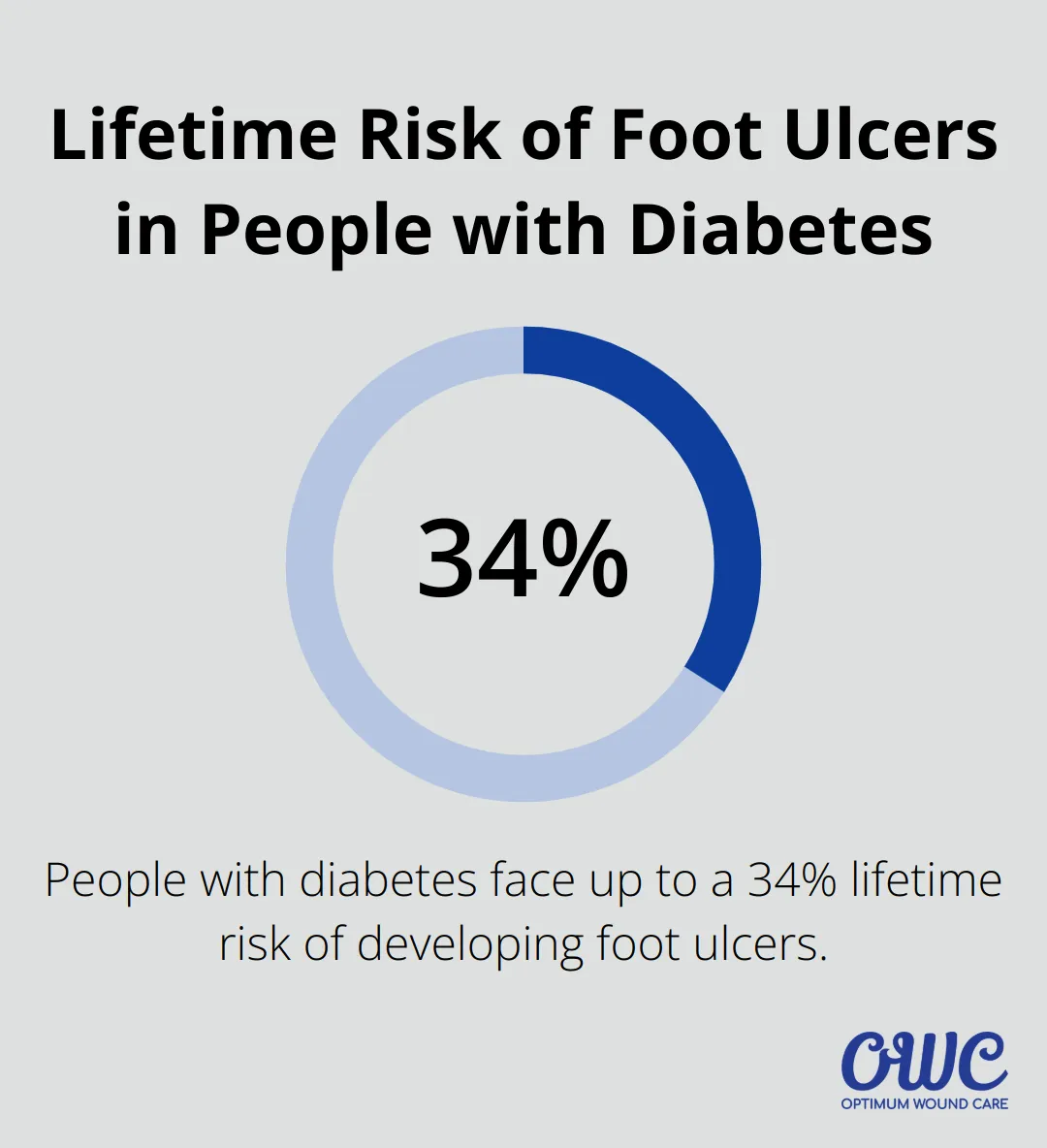
(A study found that the lifetime risk of foot ulcer in people with diabetes is 19% to 34%, and this number is rising with increased longevity and medical complexity.)
Infection: A Constant Threat
Chronic wounds face a high risk of infection, which further delays healing and can lead to serious complications. The open nature of these wounds provides an ideal entry point for bacteria. Once established, infections prove challenging to eradicate, especially in patients with compromised immune systems.
General Healthcare’s Limitations
Primary care providers play a crucial role in overall health management, but they may lack the specialized knowledge and resources needed to treat chronic wounds effectively. Advanced wound care often requires specific techniques and technologies not typically available in general practice settings. Optimum Wound Care uses cutting-edge treatments like negative pressure wound therapy and advanced dressings. These specialized interventions can significantly improve outcomes for patients with chronic wounds.
The Need for Specialized Expertise
The challenges of treating chronic wounds highlight the importance of specialized care. Experts in wound care understand the intricate processes involved in chronic wound healing and can apply targeted interventions to address specific barriers to healing. They also have access to advanced diagnostic tools and treatment modalities that can make a significant difference in patient outcomes.
The complexity of chronic wound treatment demands a specialized approach. In the next section, we’ll explore the specific benefits that expert wound care offers to patients struggling with these persistent injuries.
How Specialized Care Transforms Chronic Wound Treatment
Advanced Treatment Options
Specialized wound care centers like Optimum Wound Care (OWC) in Louisville offer a revolutionary approach to treating chronic wounds. These centers employ cutting-edge techniques and technologies that significantly outperform traditional methods.
OWC provides patients with state-of-the-art treatments not typically available in general healthcare settings. Negative pressure wound therapy uses controlled suction to remove excess fluid, reduce swelling, and promote healing. However, recent studies suggest that there is probably little or no difference in wound reopening between NPWT and standard dressings.
Bioengineered skin substitutes represent another innovative approach. These advanced dressings provide a scaffold for new tissue growth and deliver growth factors directly to the wound site. Recent research has focused on comparing the effectiveness of BSS to other treatments for diabetic foot ulcers.
Personalized Treatment Strategies
OWC recognizes that every chronic wound is unique. Their team of specialists conducts comprehensive assessments to develop individualized treatment strategies. This approach might involve combining multiple therapies, adjusting nutritional plans, or addressing underlying health conditions that impede healing.
A patient with a venous leg ulcer, for example, might receive compression therapy to improve circulation, along with specialized dressings and topical treatments. This multi-faceted approach addresses the root causes of the wound while promoting optimal healing conditions.
Expert-Driven Outcomes
The expertise of wound care specialists directly translates to better patient outcomes. A study published in the Journal of Wound Care found that patients treated in specialized wound centers had a higher likelihood of complete wound closure compared to those receiving standard care. One study showed that treatment with a specific bioengineered skin substitute increased wound closure rate by 50% compared to standard of care.
At OWC, the team’s extensive experience allows them to quickly identify potential complications and adjust treatments accordingly. This proactive approach prevents minor issues from becoming major setbacks, ultimately leading to faster healing times and reduced risk of infection or amputation.
Comprehensive Patient Education
Specialized wound care centers prioritize patient education as a key component of treatment. OWC provides detailed instructions on wound care, lifestyle modifications, and early warning signs of complications. This empowers patients to take an active role in their healing process and improves long-term outcomes.
Advanced Diagnostic Capabilities
OWC utilizes advanced diagnostic tools to assess wound severity and monitor healing progress. These may include high-resolution imaging, vascular studies, and tissue biopsies. Such comprehensive evaluations allow for more precise treatment planning and better tracking of patient progress throughout the healing journey.
Final Thoughts
The prevalence of chronic wounds in Louisville highlights the need for specialized care. These complex injuries require expertise and resources beyond standard medical practices. Specialized clinics like Optimum Wound Care address this health concern with advanced treatments, personalized care plans, and cutting-edge technologies that improve patient outcomes.
Chronic wound care in Louisville has evolved significantly with the introduction of state-of-the-art techniques. Our team at Optimum Wound Care tackles challenging cases, providing hope and healing to patients who struggle with persistent wounds. We employ a comprehensive approach that addresses the wound and the underlying factors that contribute to delayed healing.
Seeking specialized care can transform your healing journey if you grapple with chronic wounds. Early intervention prevents complications and achieves the best possible outcomes. Take the first step towards healing by reaching out to Optimum Wound Care for expert chronic wound care in Louisville.
