What Makes Wound Care “Advanced” in Louisville?
Advanced wound care in Louisville has evolved significantly in recent years. At OWC Center, we’ve witnessed firsthand the remarkable advancements in techniques and technologies that are transforming patient outcomes.
From innovative therapies to cutting-edge diagnostic tools, Louisville’s healthcare providers are at the forefront of wound management. This blog post explores the key elements that make advanced wound care in Louisville truly exceptional.
How Does Louisville Lead in Advanced Wound Care?
Louisville has emerged as a pioneer in advanced wound care techniques. The city’s healthcare providers have adopted cutting-edge treatments that significantly improve patient outcomes. Let’s explore some of the most innovative approaches used in Louisville’s wound care centers.
Negative Pressure Wound Therapy: A Game-Changer
Negative Pressure Wound Therapy (NPWT) has transformed the treatment of complex wounds. This technique employs a vacuum dressing to promote healing in large or difficult-to-treat wounds. Louisville’s wound care centers widely offer NPWT. However, recent research suggests that there is probably little or no difference in wound reopening between NPWT and standard dressings for most wound types.
Hyperbaric Oxygen Therapy: Boosting Healing from Within
Hyperbaric Oxygen Therapy (HBOT) has gained significant traction in Louisville. Patients breathe pure oxygen in a pressurized chamber, which dramatically increases oxygen levels in their bloodstream. This oxygen boost promotes faster healing, especially for diabetic foot ulcers and radiation injuries.
Bioengineered Skin Substitutes: The Future of Wound Closure
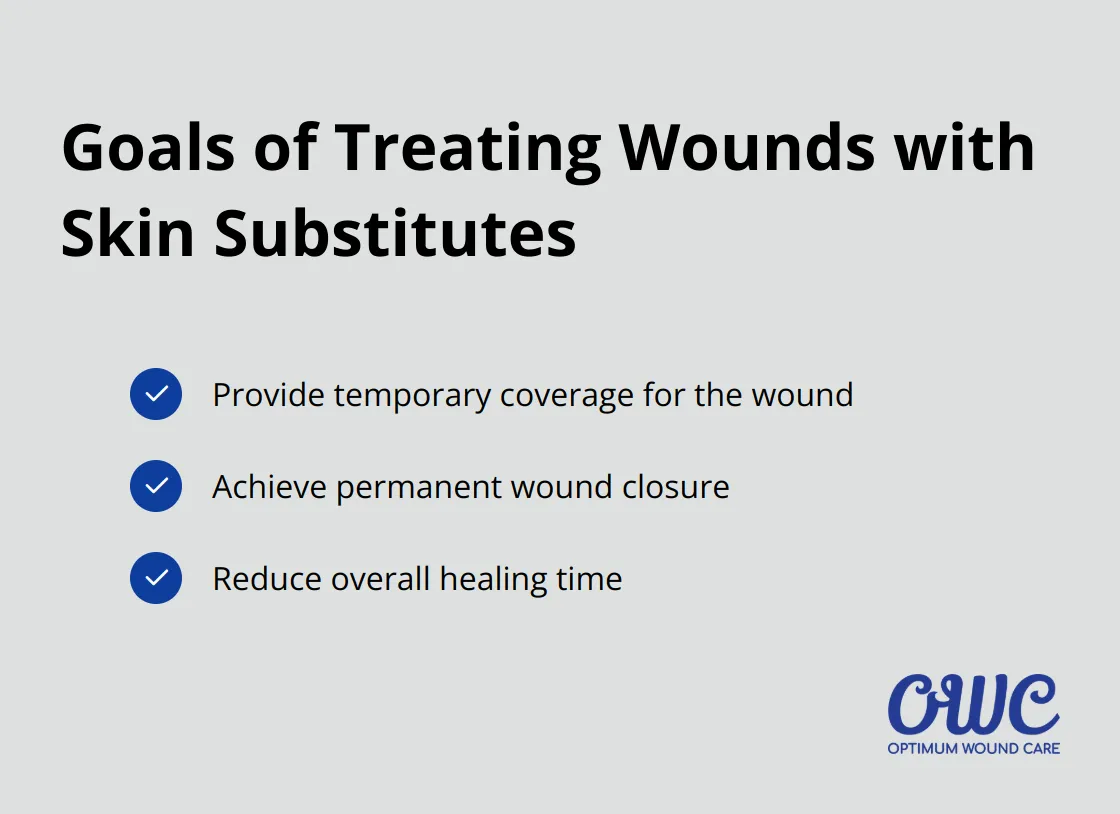
Louisville’s wound care specialists increasingly use bioengineered skin substitutes to treat chronic wounds. These advanced products provide a scaffold for new tissue growth and deliver essential growth factors directly to the wound site. The goals for treating acute and chronic wounds with skin substitutes are to provide temporary coverage or permanent wound closure, and to reduce healing time.
Optimum Wound Care: A Comprehensive Approach
While many centers in Louisville offer these advanced treatments, Optimum Wound Care (OWC Center) stands out for its comprehensive approach. Their team, led by wound care specialist Mosayeb “Moe” Karimi (MSN, FNP, WOC), combines these innovative techniques with personalized care plans. This ensures optimal results for each patient, addressing their unique needs and circumstances.
As Louisville continues to advance in wound care, the city solidifies its position at the forefront of this medical revolution. The commitment to adopting and perfecting these techniques transforms the lives of patients dealing with complex wounds. However, advanced wound care extends beyond these therapies. The next section will explore the cutting-edge technologies that complement these treatments and further enhance wound management in Louisville.
How Tech Innovations Revolutionize Wound Care in Louisville
Advanced wound care in Louisville extends beyond innovative therapies. Cutting-edge technologies transform how healthcare providers assess, monitor, and treat wounds. These technological advancements make wound care more precise, efficient, and accessible than ever before.
3D Wound Imaging: Precision in Assessment
3D wound imaging technology allows healthcare providers to capture highly detailed, three-dimensional images of wounds. These images provide accurate measurements of wound depth, width, and volume (crucial for tracking healing progress).
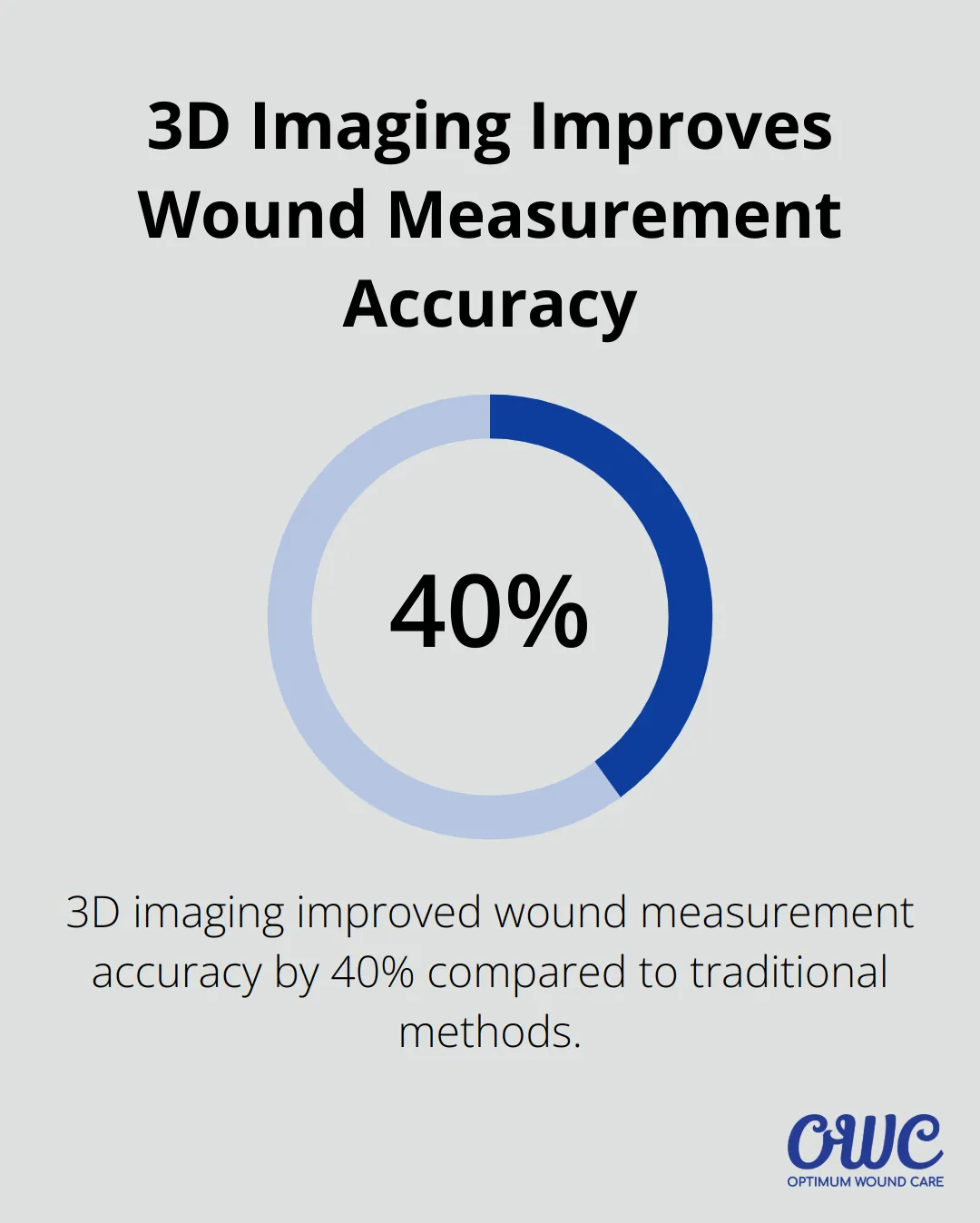
A study published in the Journal of Wound Care in 2021 found that 3D imaging improved wound measurement accuracy by up to 40% compared to traditional methods. This increased precision allows for more tailored treatment plans and better outcomes.
Smart Bandages: Real-Time Wound Monitoring
Smart bandages with embedded sensors represent a game-changing technology in wound care. These bandages monitor various aspects of wound healing, including temperature, pH levels, and moisture content. The real-time data allows healthcare providers to detect potential complications early and adjust treatment plans accordingly.
For example, a sudden increase in wound temperature could indicate the onset of infection, prompting immediate intervention. This proactive approach can significantly reduce healing times and prevent serious complications.
AI-Powered Wound Assessment: Enhancing Accuracy
Artificial Intelligence (AI) makes significant inroads in wound care, particularly in wound assessment. AI algorithms analyze wound images to provide rapid, accurate assessments of wound type, size, and healing progress.
This technology has the potential to improve access to expert-level wound assessment, especially in underserved areas.
Telemedicine: Expert Care at Home
Telemedicine has become an integral part of advanced wound care, especially in the wake of the COVID-19 pandemic. Remote monitoring technologies allow patients to send wound images to their healthcare providers from the comfort of their homes. Specialists can then assess these images and provide guidance on wound care, reducing the need for in-person visits.
At Optimum Wound Care, we’ve embraced telemedicine as part of our comprehensive approach to wound management. Our patients can access expert advice and monitoring without the need for frequent clinic visits, making high-quality wound care more accessible and convenient.
These technological innovations not only improve the quality of wound care but also make it more accessible and efficient. As we continue to witness advancements in wound care technology, it’s important to recognize the role of specialized expertise in implementing and maximizing the benefits of these innovations. The next section will explore how specialized knowledge and multidisciplinary approaches contribute to advanced wound care in Louisville.
Why Specialized Expertise Drives Advanced Wound Care
The Impact of Multidisciplinary Teams
Advanced wound care demands a unique combination of knowledge, skills, and experience. A multidisciplinary approach significantly improves patient outcomes. Recent research has critically reviewed the current advancement in therapeutic and clinical approaches for wound healing and tissue regeneration.
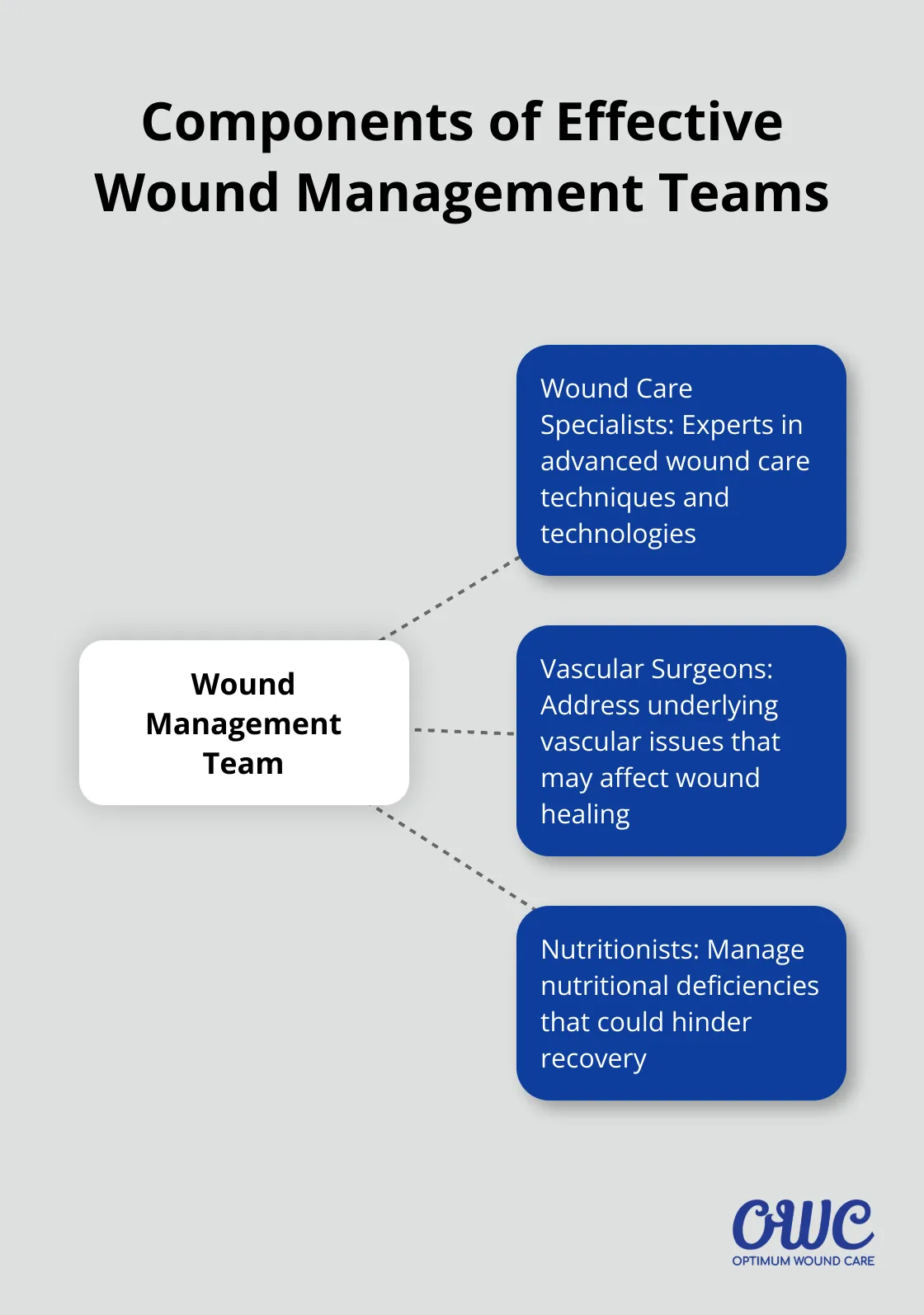
Effective wound management teams include wound care specialists, vascular surgeons, and nutritionists. This diverse expertise addresses all aspects of wound healing, from underlying vascular issues to nutritional deficiencies that may hinder recovery.
Continuous Education: The Key to Excellence
The wound care field evolves rapidly. New treatments, technologies, and best practices emerge regularly. Wound care specialists must engage in continuous education to provide the most effective care.
Top specialists attend multiple wound care conferences annually and participate in ongoing training programs. This commitment to learning ensures patients benefit from the latest advancements in wound care (which can make a significant difference in healing outcomes).
Personalized Treatment Plans
Every wound is unique, and so is every patient. Specialized expertise allows for the creation of highly personalized treatment plans. Recent studies have evaluated the impact of continuous DWCS use on healing times at healthcare organizations and explored area reduction in non-healed yet improving wounds.
Expert wound care providers consider factors like the patient’s overall health, lifestyle, and personal goals when developing treatment plans. This tailored approach leads to better outcomes and higher patient satisfaction.
Advanced Technology Integration
Specialized expertise in wound care extends to the integration of advanced technologies. Experts understand how to effectively use tools like 3D wound imaging, smart bandages, and AI-powered assessment systems.
These technologies enhance the precision and efficiency of wound care. For instance, 3D imaging improves wound measurement accuracy compared to traditional methods. This increased precision allows for more tailored treatment plans and better outcomes.
Telemedicine in Wound Care
Wound care specialists also leverage telemedicine to extend their expertise beyond the clinic walls. Remote monitoring technologies allow patients to send wound images to their healthcare providers from home. Specialists then assess these images and provide guidance on wound care, reducing the need for in-person visits.
At Optimum Wound Care, we’ve embraced telemedicine as part of our comprehensive approach to wound management. Our patients can access expert advice and monitoring without frequent clinic visits, making high-quality wound care more accessible and convenient.
Final Thoughts
Advanced wound care in Louisville has transformed patient outcomes through innovative therapies and cutting-edge technologies. Patients now benefit from more precise assessments, personalized treatment plans, and real-time monitoring of their healing progress. This comprehensive approach has led to faster healing times, reduced complications, and improved quality of life for those with complex wounds.
The future of wound care management in Louisville looks promising, with anticipated advancements in bioengineered tissues, nanotechnology-based treatments, and more sophisticated AI applications. Telemedicine will likely expand access to expert wound care, particularly for patients in remote or underserved areas. These developments will further solidify Louisville’s position as a leader in advanced wound care.
At OWC Center, we take pride in our role in this evolution of advanced wound care in Louisville. Our team at Optimum Wound Care, led by wound care specialist Mosayeb “Moe” Karimi, combines innovative therapies with personalized care plans. We remain committed to providing effective treatments and helping patients heal faster and regain their quality of life.
