
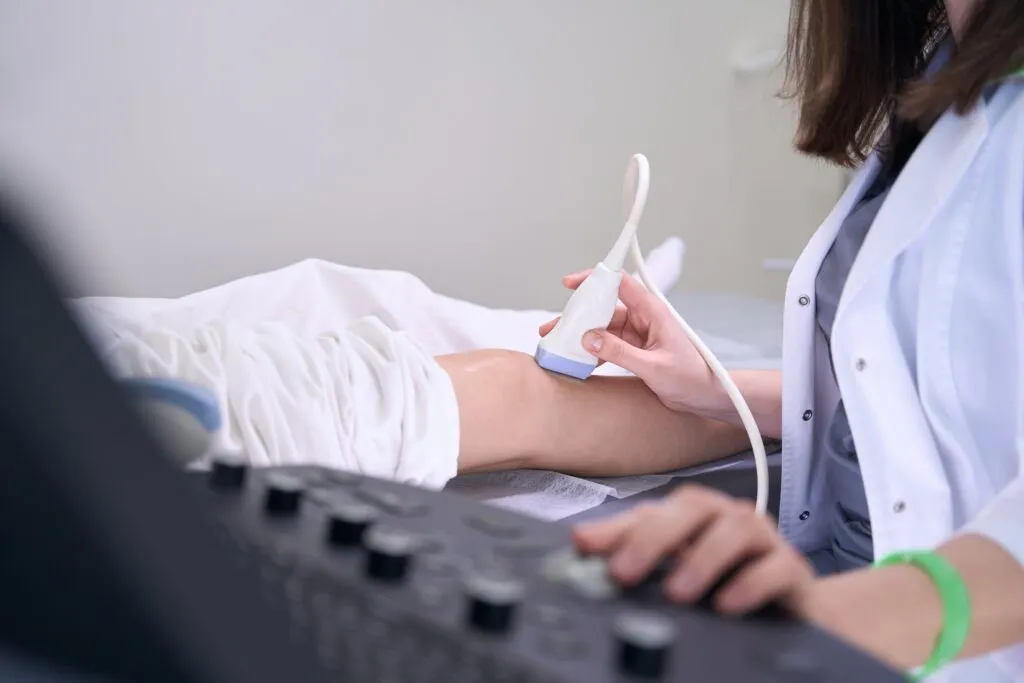
Using Ultrasound Technology in Wound Assessment
When Wounds Stop Talking to the Eye
It looks okay on the outside.
But something doesn’t feel right.
There’s still pain. Or maybe swelling. A burning ache. A foul smell.
You’ve changed the dressing. Cleaned it. Watched it. Waited.
Still, it won’t heal.
Sometimes wounds don’t tell the whole story from the surface. That’s where ultrasound wound assessment changes the game.
Think of it like an x-ray—but without the radiation. It’s gentle. It’s fast. And it sees beneath the skin where infections, fluid pockets, or deeper tissue issues often hide.
According to Wounds International, this non-invasive tool gives providers a window into the real state of healing. No more guesswork. Just clear data to drive care.
And when you’re dealing with slow-healing wounds—especially in older adults or those with diabetes—time matters.
Research confirms that ultrasound imaging can detect problems early, help avoid surgeries, and prevent dangerous complications.
Let’s explore how ultrasound is reshaping wound care.
Diagnostic Tools That Go Deeper Than the Surface
Wound assessments used to rely mostly on the naked eye and experience.
Today, diagnostic tools like ultrasound have revolutionized what we can detect—and how quickly we can act.
How Ultrasound Imaging Works in Wound Care
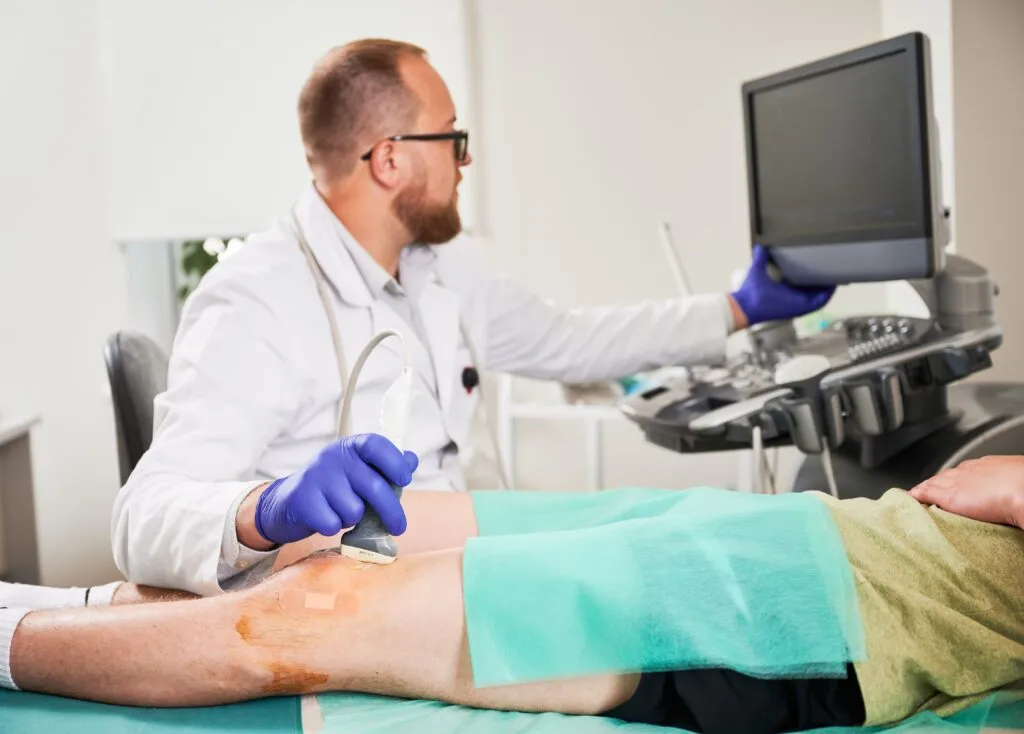
A small device called a transducer sends sound waves into the skin. These bounce off tissues, creating real-time images of what lies beneath. Providers at OWC Center use these images to:
- Detect abscesses or fluid pockets
- Identify undermining (where wounds tunnel under the skin)
- Track healing progress with precision
- Guide wound debridement and dressing selection
Why Traditional Exams Fall Short
Visual exams can only detect surface symptoms. They can miss critical internal factors like:
- Bone exposure
- Inflammation
- Necrosis
Story from the Clinic
James, a 67-year-old diabetic, had what looked like a minor foot ulcer. But his pain kept increasing.
An ultrasound revealed a pocket of infection under the tissue. Immediate antibiotics and a new dressing plan saved him from hospitalization.
Learn more about wound debridement and how it pairs with ultrasound to manage advanced cases.
Wound Imaging That Tells the Full Story
Ultrasound isn’t just diagnostic, it’s dynamic. It gives us a fuller picture of how wounds evolve over time.
Types of Wounds That Benefit Most
- Diabetic ulcers – to check for deep tissue infection
- Pressure sores – to assess hidden undermining
- Surgical wounds – to track recovery inside-out
- Venous ulcers – to understand circulation issues
Why Imaging Improves Outcomes
- Better accuracy: Detects issues early, even before symptoms appear
- Customized treatment: Tailors care to what’s happening beneath the surface
- Fewer complications: Reduces trial-and-error in treatment
Research Supports the Benefits
Studies from NIH show that imaging-based wound care leads to faster healing and fewer infections, especially in chronic wound patients.
Advantages of Wound Imaging
- Reduces hospitalization rates
- Improves healing timelines
- Enhances care planning accuracy
- Detects complications earlier
- Reduces unnecessary treatments
Explore how we treat vascular ulcers, where ultrasound plays a key role in monitoring tissue perfusion.
Why Ultrasound Is One of the Most Powerful Diagnostic Tools
Ultrasound isn’t just technology—it’s trust.
Patients trust it because it’s safe.
Clinicians trust it because it delivers clarity fast.
What to Expect During an Ultrasound Wound Assessment
- Gel application: Cool, clear gel is applied to the skin
- Glide scan: The handheld transducer is moved gently over the wound
- Real-time images: Appear immediately on the screen
- No pain or poking: Just mild pressure
- Time: Typically takes 10 minutes or less
And most importantly: it helps patients feel reassured. They can see what’s happening and understand their treatment..
The Role of Wound Imaging in Healing Faster
Wound healing isn’t linear. And it’s not always visible from the outside.
That’s why ultrasound wound assessment is essential for patients who want fast, effective, and personalized recovery.
What Makes Ultrasound So Impactful?
- Faster treatment decisions
- Prevention of misdiagnosis
- Accurate tracking of healing progress
- Better insight into dressing efficacy
How Ultrasound Accelerates Healing
- Identifies infection early
- Supports dressing selection and changes
- Minimizes delays in care
- Helps avoid hospital readmissions
- Builds patient trust in the treatment plan
Book a consultation today to discover if ultrasound belongs in your care plan.
Ultrasound wound assessment quietly transforms how we understand and treat chronic wounds. By revealing what lies beneath the skin—tissue depth, inflammation, and fluid buildup it eliminates the guesswork that often delays healing. At OWC Center, this tool has become a cornerstone of precise, compassionate care.
From diabetic foot ulcers and pressure sores to surgical wounds and vascular ulcers, ultrasound provides clarity where traditional methods fall short. It’s fast, gentle, and incredibly effective. Patients feel more confident when they see real-time images of their healing journey, and providers can respond quickly with tailored treatments that work.
The result? Fewer complications, fewer hospitalizations, and a deeper sense of trust in the healing process.
When wounds won’t speak for themselves, ultrasound does.
Key Takeaways
- Ultrasound wound assessments offer a non-invasive, real-time view beneath the skin.
This safe and painless technique allows providers to see tissue depth, detect fluid pockets, and track healing—all without radiation. It’s one of the most advanced tools we use at OWCCenter to personalize care and avoid unnecessary procedures. For patients, it brings peace of mind and confidence in the healing process. - Traditional wound exams can miss what ultrasound imaging reveals.
Visual inspections alone may not catch deep infections, abscesses, or tissue necrosis. That’s why we integrate ultrasound into routine assessments—especially for complex wounds. By seeing the full picture, we help you avoid delays in treatment and reduce the risk of complications. - Certain wounds like diabetic ulcers and surgical sites—benefit the most from imaging.
If you have a wound that won’t heal, or if it’s swollen, painful, or oddly colored, ultrasound can provide critical insights. It’s especially powerful in managing diabetic foot ulcers, pressure sores, and vascular wounds, where internal damage often goes undetected until it’s too late. - Ultrasound helps us choose the right treatment faster.
From selecting the right dressing to deciding when to debride or add antibiotics, ultrasound guides care with accuracy. It removes the guesswork, reduces trial-and-error, and ensures you receive what your wound actually needs right from the start. - You’ll feel supported, informed, and empowered every step of the way.
Many of our Louisville patients say the real-time visuals and gentle experience help them feel more involved in their care. With fewer surprises, quicker recovery, and expert guidance, ultrasound wound assessments become a trusted part of their healing journey.
💬 5 Related Questions Answered
1. What is an ultrasound wound assessment?
An ultrasound wound assessment is a non-invasive way for doctors to look beneath the surface of your skin to evaluate the severity and structure of a wound. Unlike regular visual exams, ultrasound imaging shows what the eye can’t see—like tissue depth, inflammation, or hidden pockets of fluid.
At OWC Center, our specialists use this advanced diagnostic tool to:
- Detect infections early
- Identify undermining or tunneling beneath the wound
- Measure tissue thickness and healing progress
- Guide treatment decisions more accurately
Think of it like a GPS for healing—it tells us where we are and where we need to go. Patients often feel relief when they understand the full picture. It’s fast, painless, and done right in the clinic.
2. Why is ultrasound better than a regular wound exam?
While visual inspections and swabs are still important, ultrasound wound imaging takes things several steps further. It’s like comparing a black-and-white photo to a 3D scan.
Here’s why it’s a game-changer:
- Reveals the unseen: Deep tissue damage, fluid buildup, or abscesses
- Tracks healing precisely: Shows if treatments are working
- Improves outcomes: Early intervention = faster healing
- Reduces guesswork: No more waiting for wounds to worsen before adjusting care
In fact, studies show that wound imaging can reduce complications and hospitalizations. At OWCCenter, we use ultrasound in conjunction with advanced therapies like negative pressure and customized dressings.
🔗 Curious about Wound Debridement? It pairs well with imaging for deeper wounds.
3. What does it feel like to get an ultrasound wound assessment?
We get it—the idea of scanning a wound sounds intimidating. But most patients are surprised by how simple and gentle the process is.
Here’s what you can expect during your appointment:
- A cool, clear gel is applied to your wound or surrounding tissue
- A handheld device (called a transducer) glides over the area
- You may feel slight pressure, but no pain or poking
- The images appear in real time on a screen so your provider can assess as they go
- The whole thing usually takes under 10 minutes
There’s no radiation involved. And you don’t need to prep or fast beforehand. It’s one of the safest tools we use in modern wound care.
🔗 Explore Outpatient Wound Services available at our Louisville clinic
4. What types of wounds benefit most from ultrasound imaging?
While nearly any wound can be assessed with ultrasound, certain types benefit most from this technology:
Wounds that often need ultrasound:
- Diabetic foot ulcers (to check for hidden infection or tissue damage)
- Pressure injuries / bed sores (to assess undermining)
- Vascular ulcers (to evaluate blood flow and tissue status)
- Non-healing surgical wounds (to monitor deeper healing progress)
- Wounds with swelling or odd coloration (to detect fluid retention)
Using ultrasound, we can avoid unnecessary delays, prevent serious complications, and ensure your treatment plan is tailored precisely to what’s happening below the surface.
🔗 Interested in Diabetic Ulcer Treatment? Imaging plays a key role in your care.
❤️ 5. How does this help me heal faster?
That’s the big question—and the most important one.
When your care team sees beneath the surface, they can act faster and more effectively. Ultrasound wound assessments:
- Help choose the right treatment sooner (e.g., debridement, antibiotics, or dressings)
- Prevent trial-and-error delays
- Guide precise interventions
- Reduce complications like infection or tissue death
This means you heal faster, feel better sooner, and avoid hospital visits. Many of our Louisville patients say it brings them peace of mind just knowing there’s no guesswork involved.
Ultrasound isn’t just a fancy gadget—it’s a life-changing tool for chronic wound patients. And we’re proud to bring it right to your community.
🔗 Book a consultation at our Louisville Wound Clinic to see how ultrasound can fit your healing plan.
