
Understanding Biofilms: Identification & Treatment
The Hidden Enemy: Why Wound Biofilm Matters More Than You Think
It starts small.
A wound that lingers.
A spot that doesn’t close.
A faint smell you can’t quite describe.
You try creams.
Dressings.
Antibiotics.
Nothing seems to work.
That’s when you start to wonder—Why isn’t this healing?
For many people, the answer is a wound biofilm.
It’s not something you can always see.
It’s not something you can just wash away.
It hides in plain sight.
Think of biofilm as a stubborn film on your dishes.
You rinse the plate, but the sticky layer stays behind.
It takes real scrubbing to get it off.
Biofilms are like that—only they’re alive.
Tiny bacteria cling together and build a protective shield.
This shield blocks antibiotics.
It stops your immune system.
It slows everything down.
Johns Hopkins Medicine explains that biofilms are a major reason wounds become chronic.
The National Institutes of Health reports that over 80% of chronic infections involve biofilms.
At OWC Center, we see this every day.
Patients come in exhausted.
Frustrated.
Ready to give up.
But you don’t have to.
Understanding biofilms is the first step.
Removing them is the next.
Biofilm Removal: How It Works and Why It Matters
Wound biofilm doesn’t just go away on its own.
It’s sticky.
Resilient.
And smart.
How do we get rid of it?
Step by step.
Gently but firmly.
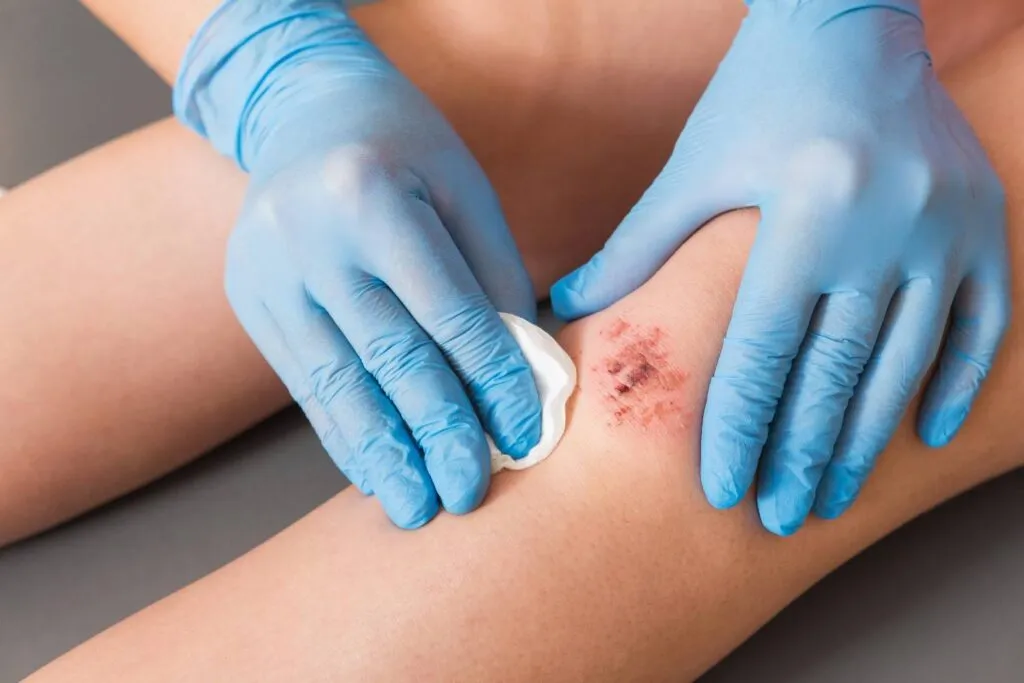
Debridement is often the first step.
This means carefully cleaning away the biofilm layer and any dead tissue.
Think of it as clearing out the weeds so your wound can finally start to heal.
Here’s what a typical biofilm removal plan looks like at OWC Center:
- Assessment: We look for telltale signs—slimy layers, delayed healing, recurrent infection.
- Debridement: Using sterile tools to remove the biofilm.
- Irrigation: Flushing the wound to wash out bacteria.
- Topical Antimicrobials: Applying special dressings that keep bacteria from regrouping.
- Ongoing Monitoring: Because biofilm can reform fast.
One patient told us, “I was nervous about debridement, but it felt more like hitting a reset button than anything else.”
If you want to see how debridement fits into broader wound therapy, visit our Wound Debridement page.
This guide from Wounds International offers excellent insights into why biofilm removal is so critical.
Infection Control Strategies That Prevent Biofilm Formation
Preventing biofilm is often easier than treating it.
But it requires vigilance.
Consistency.
And sometimes, a little help.
At OWC Center, infection control starts with education and continues with hands-on care.
Here’s how we help keep biofilms from forming:
- Clean Wound Hygiene: We teach you how to clean and dress wounds properly.
- Moisture Balance: Not too wet. Not too dry. The right dressing makes all the difference.
- Protective Dressings: Barrier dressings help keep harmful bacteria out.
- Regular Reassessment: Early detection means faster treatment.
- Nutritional Support: Good nutrition strengthens your immune system.
One caregiver said, “Once I learned how to spot early signs of infection, I felt so much more in control.”
This CDC guide has more about infection control best practices.
And remember—prevention is a partnership.
If you have questions, our team is here to walk you through every step.
Identifying Wound Biofilm: What Clinicians Look For
You can’t always see biofilm.
But you can see the signs.
Clinicians look for:
- Persistent Slough: That slimy yellow film that keeps coming back.
- Delayed Healing: Wounds that stall, even with treatment.
- Recurrent Infection: Redness, odor, or drainage that doesn’t go away.
- Resistance to Antibiotics: When standard care fails.
We often hear patients say:
“I thought it was just a scab.”
But if it’s been weeks—or months—and nothing helps, it’s time to check for biofilm.
Our Process Includes:
- Careful Inspection: Under good lighting with magnification.
- Testing: Sometimes lab cultures are needed.
- Gentle Cleaning: To see what’s really underneath.
One woman told us, “Just knowing there was a reason my wound wouldn’t heal gave me so much relief.”
If you’re concerned, visit our Wound Management page to learn how we can help.
Wound Biofilm Versus Regular Infection: What’s the Difference?
This is one of the most common questions we hear.
And it’s such an important one.
Signs You Might Have a Wound Biofilm:
- A sticky or slimy layer
- Chronic infection that keeps coming back
- Slow or stalled healing
- Drainage that doesn’t improve
Signs of an Acute Infection:
- Sudden redness and warmth
- Swelling
- Fever or chills
- Pain that gets worse quickly
Biofilm is often stealthy.
It doesn’t always cause dramatic symptoms.
Instead, it quietly prevents your wound from closing.
How We Address Each:
- Acute infection: Antibiotics, cleaning, sometimes hospitalization.
- Biofilm: Debridement, specialized dressings, and infection control.
If you’re not sure which you have, please don’t guess it alone.
Our clinicians are here to help you figure it out.
To learn more, read our blog on The Role of the Immune System in Wound Repair.
Five Quick Tips to Help Prevent Biofilm at Home
Tip #1: Keep Wounds Clean
Use the cleaning method your clinician recommends. Gentle but consistent cleaning makes a big difference.
Tip #2: Watch for Changes
If you see new drainage, smell an odor, or notice more pain, call your care team.
Tip #3: Use Dressings Correctly
Apply dressings exactly as instructed and change them on schedule.
Tip #4: Eat for Healing
Good nutrition supports your immune system and helps wounds close faster.
Tip #5: Keep Appointments
Regular check-ins help catch issues before they become serious.
If you’d like more prevention ideas, our Advanced Wound Care page has resources you can trust.
Biofilms have a way of making wounds feel endless. They settle in quietly, layering over the skin with a sticky shield that refuses to budge, no matter how many treatments you try. For so many people, the frustration of a wound that never seems to close is often rooted in this hidden culprit.
But understanding biofilms can transform that frustration into relief. Once you know what you’re dealing with, you can finally take steps that actually work. Debridement becomes less scary when you realize it’s not just scraping—it’s giving your wound a fresh chance to heal. Specialized dressings, thoughtful infection control, and consistent monitoring all work together to clear out the barrier that’s been holding you back.
For patients who have felt overlooked or discouraged, uncovering a biofilm is sometimes the first time they hear, “This isn’t your fault. You’ve done everything right. Now, we’re going to do this together.” At OWC Center, every plan is built on that belief. With the right combination of knowledge, tools, and compassionate support, even the most stubborn wounds can finally start moving in the right direction
Key Takeaways
✅ Biofilms Are a Major Cause of Chronic Wounds
Biofilms create a stubborn shield that keeps wounds from healing, even with antibiotics. If your wound has been lingering or keeps getting infected, you may be dealing with a biofilm. Understanding this hidden barrier is the first step toward effective treatment and relief.
✅ Debridement Is the Reset Button Your Wound Needs
Gently removing biofilm and dead tissue is essential to help your wound finally close. Debridement isn’t something to fear—it’s a careful, compassionate process that clears the way for real healing. Our team is here to guide you through every step.
✅ Advanced Infection Control Prevents Biofilms From Coming Back
Prevention is often easier than treatment. Proper wound hygiene, moisture balance, and protective dressings keep harmful bacteria at bay. Our advanced infection control strategies help you stay one step ahead and avoid chronic setbacks.
✅ Regular Assessments Make All the Difference
Because biofilms can’t always be seen with the naked eye, consistent monitoring is key. Our clinicians use thorough assessments and specialized tools to catch problems early. Regular check-ins give your wound the best chance to heal.
✅ You’re Not Alone—Specialized Support Is Here
Living with a wound that won’t heal can feel overwhelming, but it’s not your fault. At OWC Center, we combine expertise, advanced technology, and genuine compassion to help you move forward. If you’re ready for answers and relief, we’re here to help.
5 Related Questions Asked and Answered
1️⃣ What is a wound biofilm, and why does it matter?
Answer:
A wound biofilm is a sticky layer of bacteria that clings stubbornly to the surface of a wound. Think of it like a shield—tiny germs gather together and cover themselves with a slimy protective barrier. That barrier makes it very hard for your immune system or even antibiotics to reach them.
Why does this matter?
Biofilms can:
- Slow healing dramatically
- Cause chronic infections
- Increase inflammation and pain
Imagine you’re trying to clean spaghetti sauce off a plate without scrubbing. You’d only get the top layer off. The same goes for biofilm—if you don’t remove the barrier, bacteria keep coming back.
At OWC Center, we use advanced techniques to detect and treat biofilms as part of a complete wound care plan. If you want to understand how we do this, visit our Advanced Wound Care page to learn more.
2️⃣ How do clinicians identify a biofilm in a wound?
Answer:
Spotting a biofilm isn’t always easy because you can’t see it clearly with the naked eye. But there are important clues our team looks for:
- Persistent Slough: A slimy, yellowish layer that keeps coming back
- Delayed Healing: A wound that stalls despite proper care
- Recurrent Infection: Redness, odor, or drainage that won’t stay away
- Resistance to Treatment: When antibiotics alone don’t work
At OWC Center, we combine thorough clinical assessments with advanced tools to detect biofilms early. Sometimes we’ll gently remove surface debris to see what’s underneath. Other times, lab tests help confirm the presence of resistant bacteria.
One patient told us, “I thought it was just a scab that wouldn’t heal—but it was a biofilm causing all the problems.”
Identifying a biofilm is the first step toward biofilm removal, which is key to getting your wound back on track.
Learn more about our Wound Assessment services and how we tailor plans for each patient.
3️⃣ What are the best ways to remove biofilm from a wound?
Answer:
Biofilm removal requires more than just rinsing a wound. Because biofilms are sticky and protective, they need careful, consistent treatment. Here’s how we approach it at OWC Center:
- Debridement: This is the gentle removal of the biofilm and any dead tissue around it. It’s like cleaning out the gunk before applying fresh medicine.
- Topical Antimicrobials: Special wound dressings with antimicrobial agents help stop bacteria from regrouping.
- Irrigation: Using solutions to flush out lingering bacteria and debris.
- Negative Pressure Therapy: For some wounds, negative pressure can help remove fluids and reduce bacterial load.
- Regular Monitoring: Because biofilms can reform quickly, consistent care is essential.
Many patients feel nervous about debridement, but our clinicians explain every step and use methods to keep you comfortable. One patient joked, “It wasn’t as scary as I thought. It felt more like a reset button for my wound.”
Explore more about our Wound Debridement approach and why it’s such a critical part of infection control.
4️⃣ How does infection control help prevent biofilms?
Answer:
Infection control is your wound’s best defense against biofilms. Once bacteria form that protective barrier, it’s much harder to eliminate them. Prevention keeps biofilms from taking hold in the first place.
At OWC Center, infection control strategies include:
- Good Wound Hygiene: Keeping wounds clean and properly dressed
- Moisture Balance: Using dressings that manage drainage without drying out the wound
- Protective Dressings: Barriers that help keep out harmful bacteria
- Regular Assessment: Watching for early signs of infection so treatment can start immediately
- Education: Helping patients and caregivers learn how to care for wounds at home
One caregiver shared, “When I learned how to change dressings the right way, it made a huge difference. We haven’t had any new infections since.”
If you’re curious about infection control methods, our Advanced Wound Care page has helpful resources.
5️⃣ How do I know if my wound has a biofilm or just an infection?
Answer:
This is such an important question. A wound infection and a wound biofilm often look similar—but they’re not exactly the same.
Possible signs of a biofilm:
- The wound looks slimy or filmy
- It heals slowly even after antibiotics
- The same infection keeps coming back
- There is persistent drainage or odor
Possible signs of an acute infection:
- Sudden redness and swelling
- Warmth around the wound
- Increased pain
- Fever or chills
At OWC Center, we evaluate your wound carefully to determine if biofilm is part of the problem. If it is, our team will explain exactly what needs to be done and why.
You don’t have to figure this out alone. If you suspect a biofilm or infection, please reach out to schedule a comprehensive assessment. You can learn more about our Wound Management services for support and answers.
