Treating Wounds in Post-Surgical Cancer Patients
Healing after cancer surgery is different especially for Post-Surgical Cancer Patients.
It’s not just about the stitches. Or the scar. It’s about the body—fragile, tired, healing slowly. Because cancer treatment doesn’t stop with surgery. Chemotherapy. Radiation. Both change how skin repairs.
Even a small wound can become a big problem.
Many patients notice: redness that doesn’t fade. Swelling. Skin that feels thin. Or wounds that just won’t close.
It’s not in your head. It’s in your cells.
Treatments meant to fight cancer can also damage healing. Blood flow slows. The immune system lags. Collagen disappears. These effects make surgical sites more vulnerable. Healing becomes a marathon, not a sprint.
And if radiation is involved? Things get even more complex. Skin becomes fibrotic. Vessels shrink. You lose flexibility.
That’s why at OWC Center, we personalize every wound care plan for oncology patients. Because your skin needs support just like the rest of you.
Want to understand more about how radiation affects healing? This Johns Hopkins article breaks it down. And for an overview on cancer-related wound complications, the NIH’s guide offers trusted insight.
The Radiation Impact on Healing
Radiation does more than fight cancer cells—it changes the skin.
Wounds in radiated tissue heal slower, resist moisture, and are prone to reopening. That’s because radiation shrinks blood vessels and stiffens skin, limiting oxygen and nutrient flow.
Why Radiation Makes Healing Harder
- Damaged fibroblasts can’t produce collagen effectively
- Fibrosis creates stiff, less flexible tissue
- Local inflammation increases infection risk
- Reduced skin elasticity leads to cracking or tearing
At OWC Center, we counteract these effects with radiation-sensitive therapies:
- Silicone-based dressings that cushion and hydrate
- Topical antioxidants to reduce irritation
- Compression therapy when swelling is present
- Gentle debridement only when appropriate
We also work closely with referring oncologists to ensure wound care aligns with ongoing cancer treatments.
📍 Learn more on our Multidisciplinary Wound Care page.
Supporting Scar Prevention Through Oncology Wound Care
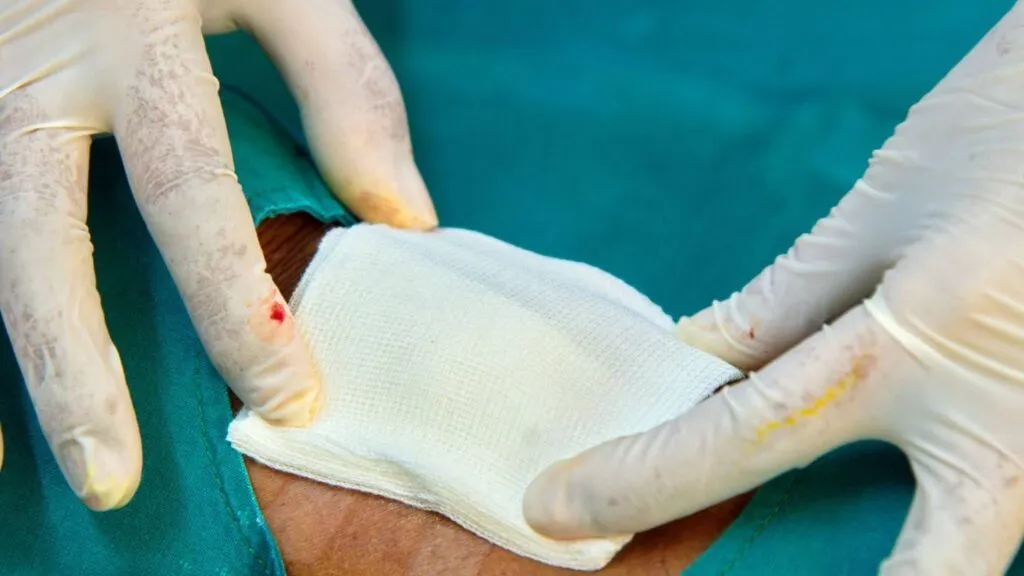
Scars can be more than cosmetic. For cancer patients, they can affect mobility, cause pain, and carry emotional weight.
That’s why scar prevention isn’t an afterthought—it’s part of the healing plan from day one.
Tools to Prevent and Minimize Scarring:
- Silicone gel sheets to hydrate and soften scar tissue
- Massage therapy to improve circulation once healed
- UV protection to avoid darkening or thickening scars
- Moisturizers with hyaluronic acid to support regeneration
- Monitoring for hypertrophic or keloid scars, especially in high-risk patients
We personalize each plan, reviewing medical history and radiation exposure to match the right prevention strategies.
📍 Explore our Wound Assessment Process to see how early care makes a lasting difference.
Caregiver Support in Oncology Wound Recovery
Cancer doesn’t just affect the patient. Caregivers often become the first responders when wounds show signs of trouble.
At OWC Center, we partner with families and support systems to equip them with tools and confidence.
Caregivers Can:
- Monitor for early signs of infection or poor healing
- Assist with wound cleaning and dressing changes
- Encourage healthy meals rich in protein and vitamins
- Support emotional well-being and reduce stress
- Communicate closely with the care team
We provide printed and digital instructions, in-clinic training, and 24/7 support options for families caring for oncology patients at home.
📍 Visit our Caregiver Support Resources
Wound Care in Oncology: A Hope-Filled Approach
Post-cancer surgery healing takes time—but it is possible.
Even if wounds are slow. Even if the skin is fragile. With the right support and guidance, recovery can progress confidently.
At OWC Center, we tailor every wound care plan to your treatment path, lifestyle, and needs.
Here’s what we prioritize:
- 🧬 Personalized care plans built around your cancer treatment timeline
- 🧴 Dressings that protect fragile skin
- 🍲 Nutritional guidance to boost healing from the inside out
- 🤝 Collaboration with oncologists and family caregivers
- 📅 Weekly reassessments and photo tracking
📍 Schedule a visit or ask a question on our Contact Page
Healing after cancer surgery is layered—it’s not just a matter of closing wounds but restoring strength, resilience, and peace of mind. Radiation, chemotherapy, and surgery all leave a mark, making the skin more fragile and the path to recovery slower. But with the right support, healing is entirely possible.
At OWC Center, we look beyond the wound. We see the whole person, their journey, and the unique challenges they face. Our team works side by side with patients and caregivers, offering specialized care, guidance, and encouragement every step of the way. Whether managing scarring, preventing complications, or navigating slow-healing areas, we’re here to help you move forward—with trust, dignity, and hope.
Key Takeaways
- Personalized care makes all the difference in oncology wound healing.
Every cancer journey is unique—and so is every wound. At OWC Center, we tailor care plans to reflect your treatment history, skin sensitivity, and overall health. Whether healing from radiation or surgery, our team ensures your skin gets the specialized attention it needs.
👉 Explore our Advanced Wound Care Services - Radiation-treated skin needs gentler, smarter wound care.
Radiation can slow healing and harden the skin, making recovery more complex. We use targeted therapies like silicone dressings, topical antioxidants, and pressure management to promote healing while protecting vulnerable skin. - Scar prevention starts from the first day of healing.
Scarring doesn’t just affect how a wound looks—it can impact mobility and confidence. OWCCenter takes a proactive approach with hydrating dressings, scar massage education, and UV protection strategies to help minimize long-term effects.
👉 Start with our Wound Assessment Process - Caregivers are key partners in the healing journey.
Wound care doesn’t stop at the clinic. Families and caregivers play a vital role in maintaining wound hygiene, preventing infection, and supporting emotional wellbeing. We provide hands-on tools and training to make at-home care feel manageable and empowering. - Even after chemotherapy and surgery, full healing is possible.
Healing may take time—but it is absolutely achievable. Through weekly reassessments, customized dressing plans, and compassionate support, OWC Center helps patients rebuild confidence and restore skin health, one step at a time.
5 Related Questions Answered
1. Why do wounds take longer to heal in cancer patients?
Cancer patients face unique wound healing challenges due to the effects of surgery, chemotherapy, and radiation therapy. These treatments, while essential for fighting cancer, can also slow down the body’s ability to repair itself.
Key reasons include:
- Impaired immune function: Chemotherapy reduces white blood cell counts, delaying tissue regeneration.
- Reduced oxygenation: Radiation damages small blood vessels, which limits the oxygen and nutrients needed for healing.
- Skin sensitivity: Surgical areas often become inflamed and fragile, making them more prone to complications.
At OWC Center, our team understands these complexities. That’s why we provide customized wound care plans that address each patient’s treatment history and current health status. Our approach includes protective dressings, moisture balance, infection prevention, and ongoing monitoring.
2. How does radiation impact wound healing?
Radiation can cause delayed healing in skin and tissue, especially near surgical sites. It alters the structure of blood vessels, reduces collagen production, and leads to long-term tissue changes that compromise skin resilience.
Common radiation-related complications include:
- Fibrosis – thickened, stiff skin that’s slower to heal
- Delayed wound closure – especially near radiated fields
- Chronic inflammation – which interferes with tissue regeneration
At OWC Center, we use specialized radiation-sensitive wound care strategies including:
- Soft silicone dressings to minimize trauma
- Antioxidant-rich topical treatments to soothe irritation
- Hyperbaric oxygen therapy (as recommended)
📍 For tailored approaches to radiated skin, visit our Multidisciplinary Wound Care page.
3. What are the best ways to prevent scarring after cancer surgery?
Scar prevention starts the moment the wound begins to heal. In cancer patients, especially those with sensitive or radiated skin, the focus should be on reducing inflammation and supporting tissue regeneration.
Effective scar prevention methods include:
- Gentle wound cleaning – to avoid irritation or infection
- Moisture-retaining dressings – such as silicone sheets
- Massage therapy – once wounds close, to improve circulation
- UV protection – to prevent hyperpigmentation
- Monitoring for keloid formation – in high-risk patients
We educate both patients and caregivers on daily care habits that minimize long-term scarring. OWC Center care plans are designed to ensure that every step of healing also supports optimal cosmetic and functional outcomes.
📍 Explore our Wound Assessment Process to see how early intervention supports better healing results.
4. How can caregivers support post-surgical wound care in oncology?
Caregivers play a central role in helping cancer patients recover safely at home. Emotional reassurance, hands-on assistance, and timely monitoring all contribute to better wound outcomes.
Caregivers can help by:
- Keeping the wound area clean and dry (or moisturized, based on dressing type)
- Watching for signs of infection like redness, swelling, or discharge
- Assisting with dressing changes
- Encouraging proper nutrition and hydration
- Helping manage medications and pain
OWC Center offers caregiver support and education that prepares families for the unique needs of post-oncology care. From day-one instructions to ongoing check-ins, we ensure caregivers feel confident in their role.
📍 Visit our Caregiver Support Resources to learn more.
5. Can wound healing still be successful after chemotherapy and surgery?
Absolutely. Healing might take longer, but it’s very possible—especially with the right care team and strategy. At OWC Center, we’ve helped many post-surgical cancer patients achieve full wound recovery through personalized, consistent care.
Healing success comes from:
- Proactive wound monitoring
- Collaboration with oncologists
- Customized dressing selections
- Nutritional support
- A patient-centered approach that adapts over time
Many patients experience complications like wound dehiscence (reopening) or slow granulation tissue growth. Our wound specialists are trained to address these with advanced techniques and compassionate follow-up.
📍 Ready to begin healing with confidence? Reach out via our Contact Page to schedule a consultation.
