
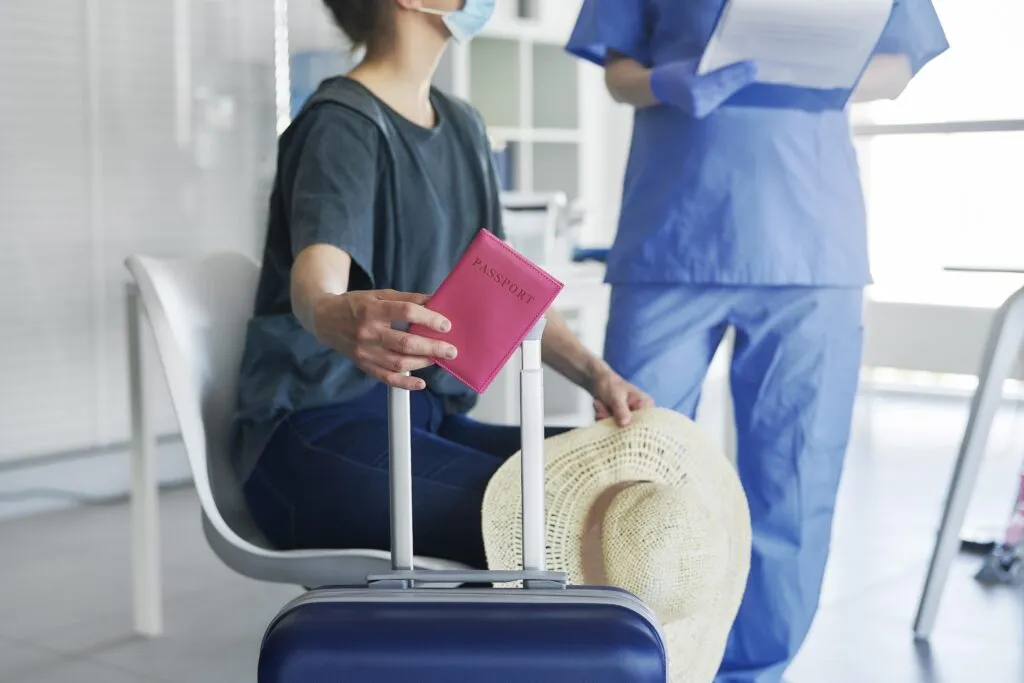
Travel Tips for Patients with Ongoing Wound Care Needs
Travel Tips: You’re packing for a trip. Passport? Check. Meds? Check. Wound care supplies?
Not something most travelers think about. But if you’re managing a chronic or healing wound, it changes everything.
Your body’s already healing. Travel throws a curveball.
New environments. New germs. Delayed routines. Limited access to care.
So how do you protect your wound—and still enjoy your trip?
Start with a plan. And some smart strategies.
According to the DMP, traveling with a wound increases your risk of infection, delayed healing, and complications if not handled correctly. But with preparation, it’s manageable.
A CDC also emphasizes preparation—especially for people with ongoing medical needs.
The good news? You don’t have to cancel the trip. You just need the right care checklist.
Let’s dive into how to travel safely—with your healing, your comfort, and your confidence intact.
Wound Protection On-the-Go
Flying. Driving. Exploring. All great—unless your wound is unprotected. This section explores how to avoid unnecessary friction, pressure, and contamination.
Choosing the Right Dressing
Not all dressings are created equal. You’ll need something that:
- Stays secure during movement
- Manages moisture
- Protects from external elements
Talk to your provider about breathable, long-wear dressings. These are designed for extended use and minimize the need for frequent changes.
Some patients also benefit from antimicrobial barrier films, which protect the skin and wound from external bacteria. Especially helpful in busy airports or unfamiliar locations.
Packing the Essentials
Make room in your bag for:
- Sterile dressings
- Saline or wound cleanser
- Gauze pads and medical tape
- Non-latex gloves
- Portable hand sanitizer and antiseptic wipes
Always double what you think you need. Delays happen. Bags get lost. Having backup can prevent infection and stress.
💬 Pro Tip: If you’re flying, keep your supplies in your carry-on—not checked luggage.
Hygiene in Public Spaces
Changing your dressing in an airport restroom? Less than ideal. Instead:
- Use hotel rooms, planes with accessible restrooms, or quiet rest areas
- Lay down a sterile barrier
- Wash or sanitize hands thoroughly before and after
If you’re managing a condition like a vascular wound, see our advanced wound care tips before you travel.
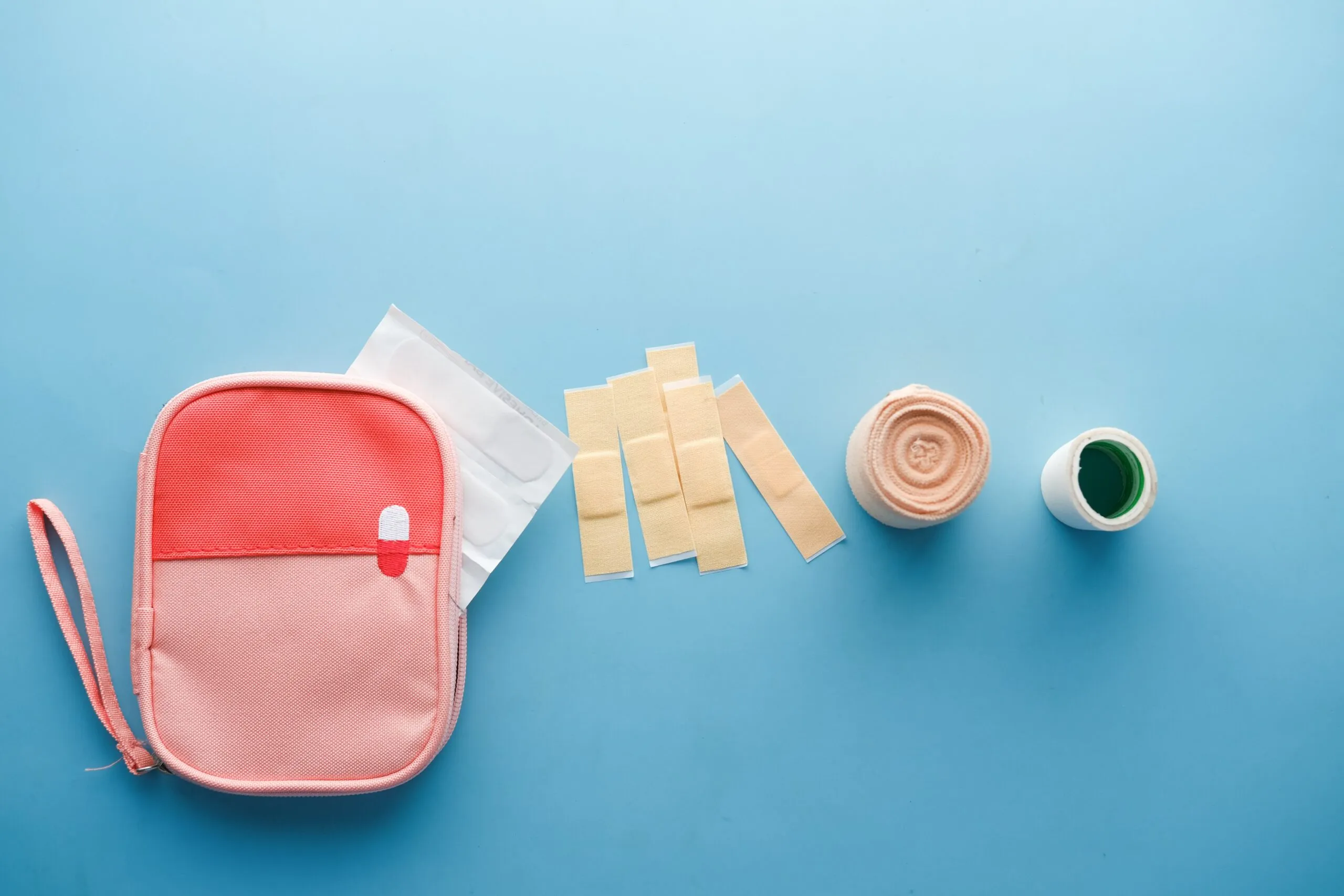
Travel Safety for Chronic Wound Patients
“Is it safe to fly with a wound?” It depends. This section covers how to minimize travel risks and respond to issues fast.
Know the Warning Signs
If you’re seeing:
- Increased pain or swelling
- Pus or foul-smelling discharge
- Dark edges or spreading redness
Stop and reassess. These are early signs of infection.
What to Do:
- Halt travel if necessary
- Clean the area gently and redress
- Contact your wound care provider
- Visit an urgent care clinic at your destination
For patients flying out of Louisville, OWC Center is available for same-day wound assessments.
Compression and Pressure Management
Vascular ulcers? Pressure injuries?
You’ll want to move every 1–2 hours, even on long-haul flights.
Consider:
- Compression socks
- Inflatable seat cushions
- Reclining when possible
Hydration helps too. Dehydrated skin delays healing. Drink water, not soda or coffee.
Emergency Kit Prep
Don’t leave home without these travel safety items:
- ✔️ Extra sterile dressing kits
- ✔️ A printed wound care plan
- ✔️ Medications and prescriptions
- ✔️ Emergency contacts and clinic locations
- ✔️ Pain relief options (as prescribed)
Include your insurance information in case you need to visit an out-of-town clinic.
Packing for Wound Care Travel
This section shows you how to prep like a pro, from suitcase to seatback pocket.
Must-Have Wound Care Travel Kit
Packing light doesn’t apply here. You need more than just the basics:
- ✔️ Waterproof pouches to organize supplies
- ✔️ Ziplock bags for disposal
- ✔️ Moisture-wicking bandages
- ✔️ Antibacterial ointments or foam dressings
- ✔️ Documentation of allergies or medical alerts
Smart Luggage Tips
Designate one pouch for your daily dressing supplies, and another for backup. Keep them accessible.
If you’re checking a bag, photograph all supplies first—just in case you need to show airport security or file a lost bag report.
Travel Safety and Comfort Strategies
This final section gives long-distance tips, mobility aids, and pain management options that make travel bearable.
Planning Around Pain and Fatigue
Pain spikes during travel. To prevent setbacks:
- Follow your pain med schedule strictly
- Use a travel-friendly heating pad or support cushion
- Avoid excessive walking without breaks
If mobility is a challenge, consider a wheelchair rental or accessibility services at your departure/arrival point.
Staying Comfortable in Transit
On planes or trains:
- Book aisle seating
- Stand/stretch every 60–90 minutes
- Recline and elevate legs if possible
- Avoid alcohol and salty snacks
Wound care travel is not about doing less—it’s about preparing more.
With the right support from your care team—and smart planning—you can explore, reconnect, and stay safe on your journey to healing.
Learn more about outpatient wound services or request a pre-travel consultation today.
Traveling with a chronic or healing wound isn’t about staying behind—it’s about moving forward wisely. With thoughtful preparation and a proactive mindset, you can experience the world without compromising your recovery. From choosing breathable dressings and packing smart kits to planning for mobility and knowing when to seek help, the difference lies in the details. Whether you’re catching a flight or taking a road trip, these small steps provide the wound protection and travel safety needed to help you feel empowered—not restricted. Stay ahead of setbacks, stay connected to care, and most importantly, stay confident in your journey.
Key Takeaways
- Always travel with a personalized wound care plan.
Before you head out, connect with your provider to build a clear plan for dressing changes, medications, and emergency contacts. This ensures peace of mind and reduces your risk of complications. If you’re local, schedule a consultation with OWC Center to get a customized travel-ready plan. - Pack more wound care supplies than you think you’ll need.
Delays happen, bags get lost, and dressing changes may be needed more frequently while traveling. Double your essentials and store them in waterproof, accessible pouches. - Watch for signs of infection and know when to act.
Redness, swelling, pain, or discharge could be early signs of trouble. Acting quickly can prevent serious setbacks. If you’re traveling near Louisville, OWC Center offers same-day outpatient wound assessments to keep you safe on the go. - Stay comfortable by minimizing pressure and movement stress.
Long flights or drives require you to shift position often, use seat cushions, and stay hydrated. These simple habits reduce inflammation and keep circulation strong. - Travel doesn’t mean delaying care—it means planning smart.
With the right tools, strategies, and mindset, travel becomes an opportunity, not a barrier. Whether it’s a family trip or a business meeting, staying prepared helps you heal without putting life on hold.
Related Question & Answer
- Is it safe to travel with a chronic or healing wound?
Yes, but you’ll need a clear wound care plan. Traveling with a wound—especially a diabetic ulcer, pressure injury, or vascular wound—requires extra preparation and awareness.
Here’s what you need to keep in mind:
- Consult your wound care provider before traveling. They’ll evaluate healing progress and give personalized clearance or advice.
- Get a copy of your wound care plan, including dressing change schedules, medications, emergency contacts, and a list of supplies.
- Pack double the supplies you think you need—dressings, gloves, ointments, medical tape, and sanitizers.
- Avoid extended pressure or immobility during flights or long drives, especially for pressure injuries.
- Know your nearest care center at your travel destination. If you’re near Louisville, OWC Center offers comprehensive outpatient wound services.
💡Wound Care Travel Tip: Compression socks, gel cushions, and wound-friendly travel kits are great tools to protect against setbacks while on the go.
2. How can I keep my wound clean and protected while flying or driving?
Maintaining wound hygiene and protection is crucial during travel to prevent infection or delayed healing.
Consider these wound protection and travel safety strategies:
- Wear breathable, non-stick dressings that can hold up through extended movement.
- Use an antimicrobial barrier film around the wound site if recommended by your provider.
- Change dressings in a clean, private space before you board or embark—airport restrooms are not ideal for this.
- Keep a small travel hygiene kit with:
- Hand sanitizer and disinfectant wipes
- Extra gauze, gloves, and saline
- Disposable waste bags
- Stay hydrated and keep blood circulation moving with frequent movement or leg exercises if you’re seated for long periods.
If you’re managing a vascular ulcer or pressure wound, consider advanced wound care options that support mobility and circulation during travel.
3. What should I pack for wound care while traveling?
A well-packed wound care travel kit can make or break your trip. Start with your regular supplies—and then prepare for unexpected delays or issues.
Your kit should include:
- ✔️ Sterile dressings (more than needed)
- ✔️ Saline solution or wound cleanser
- ✔️ Medical-grade gloves
- ✔️ Medical tape and scissors
- ✔️ Ointments or prescribed medications
- ✔️ Moisture barriers or protective creams
- ✔️ Small flashlight (for wound checks in low light)
- ✔️ List of your medical conditions and provider contacts
💬 Pro Tip: Ask your provider if Negative Pressure Wound Therapy (NPWT) is portable for your wound type. OWC Center offers advanced therapies and can help prepare you for travel.
Packing smart keeps you safe, independent, and confident while away from home.
4. What should I do if my wound worsens during the trip?
If your wound shows signs of worsening—increased redness, swelling, pain, discharge, or odor—act quickly.
Here’s a step-by-step guide:
- Stop any pressure or friction on the wound immediately.
- Clean the area gently with saline or cleanser and re-dress using sterile materials.
- Contact your wound care provider if you have signal or Wi-Fi.
- If you’re far from home, find a local urgent care or hospital with wound care specialists.
- For Louisville-area travelers, OWC Center offers emergency outpatient wound assessment and care.
⚠️ Warning signs to watch for:
- Fever or chills
- Red streaks around the wound
- Green/yellow pus or a foul smell
- Black or dark tissue around the edges
Don’t wait—wound complications escalate fast. Prioritize early intervention and protect your long-term healing.
5. How can I travel comfortably if I have limited mobility or pain from my wound?
Traveling with discomfort is tough—but smart planning can make it manageable. Here’s how to improve comfort and safety:
- Book aisle or accessible seating if flying or on a train.
- Bring a seat cushion or offloading pillow to reduce pressure, especially for lower body wounds.
- Schedule breaks every 1–2 hours to stand, stretch, and shift weight.
- Take your pain medications on time, and carry them in your personal bag.
- Use compression therapy for vascular wounds, but only as recommended by your wound care team.
Ask your provider for a pre-travel evaluation. At OWC Center, we help patients develop mobility-safe wound care plans—so you can enjoy life beyond the clinic.
With proper preparation, wound care travel is possible, empowering you to stay active and engaged without compromising your healing.
