

The Unique World of Pediatric Wound Care
Children. They fall. They scrape. They bump into things.
Sometimes they laugh it off. Sometimes they cry.
But every wound tells a story.
And here’s the truth: pediatric wound care is not the same as adult wound care.
Why? Because kids aren’t just small adults.
Their skin is thinner. Their tissues are still growing. Their bodies heal faster—sometimes too fast, leading to scarring if not managed right.
A scraped knee might seem minor. But for a child, it’s huge. It’s scary. It’s painful.
And for parents? It’s worrying.
That’s why wound care in kids requires something special:
- A gentle touch.
- The right tools.
- A lot of reassurance.
For example, harsh adhesives on a child’s skin can cause damage. According to Stanford Medicine, children’s skin barrier is far more delicate than adults, meaning extra care is needed when applying bandages.
Kids also heal at different rates. Faster doesn’t always mean better. A wound that looks closed may still be vulnerable inside. If infections sneak in, they can complicate healing quickly. The CDC emphasizes early recognition of infection signs in childhood wounds to prevent complications.
And then there’s the emotional side. A “boo-boo” to us may feel like a big trauma to them. Their fear isn’t just about pain. It’s about feeling safe.
This blog will walk parents through what makes kids’ wounds unique, how to help them heal, and when to seek help. We’ll also explore how playful approaches, child-friendly dressings, and parent involvement make all the difference.
Because when it comes to children’s wounds, care is not just clinical. It’s personal.
Kids Wound Healing: Why Children Recover Differently
Children’s bodies are remarkable. They often bounce back faster than adults, but that doesn’t mean parents can be hands-off. Kids’ wound healing comes with its own rhythm and risks.
Healing Speed: A Blessing and a Challenge
Children’s tissues regenerate quickly. A scrape might look nearly gone in a matter of days. But rapid healing can sometimes mean incomplete healing beneath the skin. This hidden risk is why monitoring wounds is crucial, even when they appear “better.”
The Role of Nutrition in Healing
What kids eat directly affects wound recovery. Foods rich in:
- Vitamin C (citrus, berries, bell peppers) – boosts collagen production.
- Zinc (nuts, beans, lean meats) – fights infection and aids repair.
- Protein (eggs, chicken, dairy) – builds new tissue.
Parents often underestimate diet’s impact. But think of it this way: wounds are construction zones, and nutrition provides the bricks and cement.
At-Home Tips for Parents
- Clean gently. Use mild soap and water. Avoid harsh alcohol wipes unless prescribed.
- Dress appropriately. Child-specific bandages are softer, breathable, and less irritating.
- Watch closely. Redness, swelling, or pus should raise concern.
💡 Pro Tip: Turn care time into connection time. Let your child choose a fun bandage design or tell a silly story while cleaning the wound.
For more insights on the role of nutrition in wound recovery, explore our blog on Nutrition’s Role in Chronic Wound Healing.
Child Dressings: Making Wound Care Less Scary
Bandages can feel like a battle. Kids squirm. They cry. They resist. Why? Because it hurts, or it feels scary. That’s why choosing the right child dressings makes all the difference.
What Makes a Dressing Child-Friendly?
- Soft and hypoallergenic – avoids skin irritation.
- Non-stick – prevents painful removal.
- Breathable – allows airflow for faster recovery.
- Waterproof when needed – so play and bath time remain stress-free.
- Fun designs – superheroes, animals, or colors that turn fear into curiosity.
At Optimum Wound Care Center, we use adhesive wraps designed for kids and pair them with playful distraction techniques: blowing bubbles, playing music, or even letting a child decorate their bandage.
Practical Example
Imagine a child with a cut on the elbow. A plain beige bandage might feel scary, but one with cartoon dinosaurs suddenly becomes part of a story. Instead of resisting, the child feels like they’re wearing “dino armor.”
Related Resource
Curious about other innovative approaches to dressings? See our blog on The Role of Moisture-Balanced Dressings in Healing.
Kids’ Emotional Needs in Wound Healing
Wounds hurt the body. But for kids, they also affect the heart and mind.
Why Emotions Matter
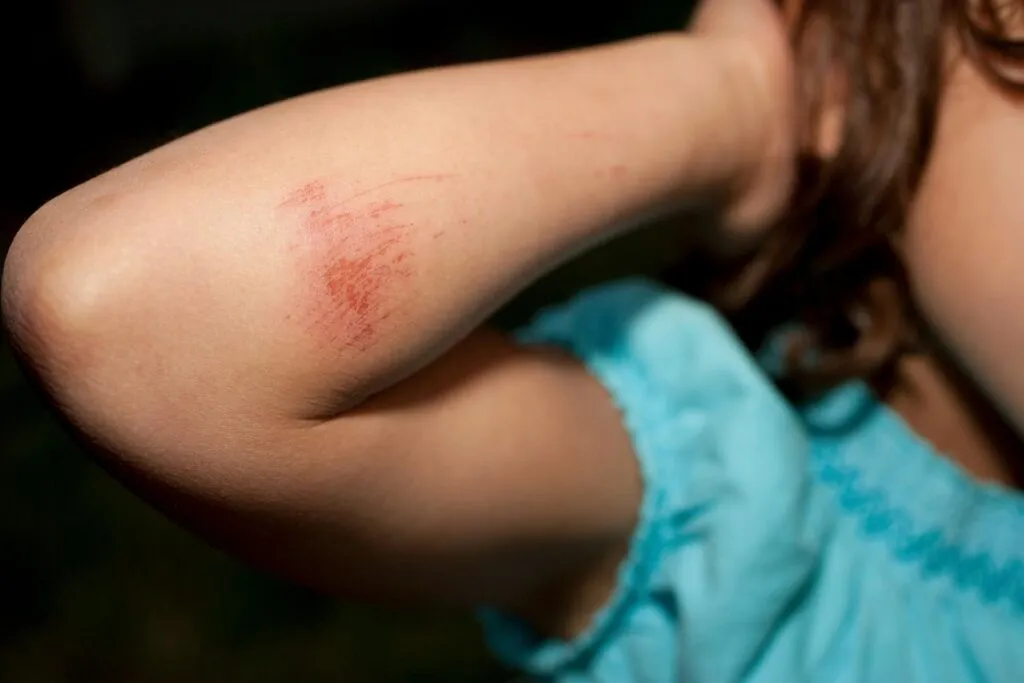
A scraped knee might heal in days, but the memory of fear can last longer. If a child dreads wound care, they may resist treatment, making healing harder.
Helping Children Cope
Parents can transform wound care from a frightening chore into a safe, supportive experience.
- Storytelling: Frame dressing changes as adventures (“We’re giving your knee superhero armor”).
- Choice: Let kids pick their bandage color or open the supply pack.
- Normalization: Share that everyone gets “ouchies” and they all heal.
- Distraction: Music, cartoons, or bubbles can shift their focus.
- Reassurance: Gentle words, hugs, and calm presence go a long way.
At OWC, we believe wound care is about healing the child, not just the wound. That’s why we integrate family involvement and play into every step.
For related insights, check out our blog on How to Address Itching and Pain During Wound Healing.
When to Seek Professional Pediatric Wound Care
Not every scrape needs a doctor’s visit. But sometimes, professional help is essential.
Red Flags for Parents
- Deep or jagged wounds.
- Continuous bleeding.
- Redness, warmth, pus, or foul odor.
- Wounds on the face, hands, or joints.
- Slow healing despite proper care.
- Children with diabetes or chronic conditions.
Why Specialized Care Matters
Pediatric wound care specialists understand not only the medical side but also the emotional and developmental needs of children. They balance healing with comfort, minimize scarring, and prevent long-term complications.
The key takeaway? If you’re ever unsure, seek help. Sometimes, a quick visit prevents a lifetime of issues.
For advanced techniques like negative pressure wound therapy, see our detailed blog The Role of Negative Pressure Wound Therapy in Wound Healing.
Children don’t just need their wounds covered; they need to feel comforted, supported, and safe while they heal. Parents play the biggest role in this process—whether it’s through choosing gentle child dressings, turning wound care into a playful moment, or keeping an eye out for early signs of infection. With the right approach, kids’ natural ability to heal quickly can be supported in a way that minimizes scarring and avoids complications.
Professional pediatric wound care becomes especially important when wounds are deeper, near joints, or not healing as expected. Specialists know how to balance medical expertise with a child-centered approach, making the process less frightening and more effective.
Ultimately, every scrape, cut, or burn is more than just a physical injury—it’s part of a child’s journey of resilience. With attentive care, encouragement, and the right support, wounds can heal not only the skin but also strengthen trust, comfort, and confidence for both children and parents.
Key Takeaways
- Children’s wounds require specialized care – Kids aren’t just small adults. Their skin is delicate, and their healing process differs from adults. Pediatric wound care experts at Optimum Wound Care Center provide gentle, evidence-based treatment tailored to children, ensuring wounds heal efficiently while minimizing the risk of scarring or long-term complications.
- Parent involvement is essential for successful healing – Beyond clinical treatment, parents play a pivotal role in at-home wound care. From gentle cleaning and appropriate child dressings to monitoring for infection, the steps taken at home significantly impact recovery. Learn more about supporting your child at Advanced Wound Care.
- Child-friendly dressings make wound care less stressful – Using soft, non-stick, breathable, and even themed bandages can transform wound care from a frightening experience into a playful routine. At OWC Wound Care, we combine these tools with distraction techniques to reduce fear and improve compliance.
- Nutrition and holistic support enhance healing – A child’s diet directly influences wound recovery. Foods rich in vitamin C, zinc, and protein support tissue repair and infection prevention. Explore Nutrition for Wound Healing to see how dietary support complements professional care.
- Seek professional care for red flags or complex wounds – Deep cuts, wounds near joints, persistent pain, or signs of infection require specialized attention. Early intervention by pediatric wound care specialists ensures safety, comfort, and the best possible healing outcomes. Learn more about Chronic Wound Management and when to seek professional care.
Related Questions Asked & Answered
1. How is pediatric wound care different from adult wound care?
Children aren’t just “small adults” — their skin and tissues are still developing, making wounds heal faster but also more prone to scarring. Pediatric wounds require special attention because:
- Skin sensitivity: Children’s skin is thinner and more delicate. Harsh adhesives or improper child dressings can cause irritation or even new injuries.
- Faster healing rates: Kids’ wounds often close quickly, but that doesn’t always mean complete healing. Monitoring for infection is crucial.
- Emotional needs: A scraped knee or surgical wound can be emotionally overwhelming for children. Gentle reassurance and distraction techniques help ease fear.
- Growth impact: Deep wounds or burns near joints can affect mobility as the child grows.
At Optimum Wound Care Center, our pediatric specialists understand these differences and use advanced yet gentle techniques to balance healing with comfort.
2. What should parents know about kids’ wound healing at home?
Parents play the biggest role in ensuring kids wound healing goes smoothly. Beyond first aid, here’s what helps:
- Clean gently: Use mild soap and water. Avoid strong antiseptics unless directed by a specialist.
- Dress appropriately: Not all bandages are child-friendly. Use breathable, hypoallergenic dressings designed for kids.
- Watch for infection: Redness, pus, swelling, or worsening pain should never be ignored.
- Keep it playful: Let your child choose a colorful bandage or tell a story during dressing changes. It makes the process less scary.
- Nutrition matters: Foods rich in vitamin C, zinc, and protein support healing.
💡 Tip: If the wound isn’t improving within a few days or looks deeper than expected, don’t delay. Seek specialized pediatric wound care to prevent complications.
3. How can wound dressings be made child-friendly?
Traditional medical dressings can feel intimidating for kids, but tailoring care to their needs makes a big difference. Effective child dressings should be:
- Soft and hypoallergenic – to prevent skin irritation.
- Non-stick – so removal doesn’t hurt.
- Breathable – to allow airflow and reduce infection risk.
- Waterproof (when needed) – so kids can bathe or play without constant dressing changes.
- Colorful or themed – superhero or cartoon-themed covers can turn wound care into a less frightening routine.
At our clinic, we often use child-approved adhesive wraps and distraction methods (like bubbles or music) to make wound dressing changes less stressful.
4. When should parents seek professional help for pediatric wounds?
Not every scrape needs a clinic visit, but there are times when professional care is essential. Parents should seek specialized care when:
- The wound is deep, jagged, or bleeding heavily.
- There’s redness, warmth, or pus suggesting infection.
- The wound is on the face, hands, or joints where scarring may impact function or appearance.
- The child has a chronic condition like diabetes, which slows healing.
- Pain persists despite proper home care.
If you’re ever unsure, reaching out for professional pediatric wound care ensures your child’s safety and comfort. Sometimes, a quick consultation prevents long-term complications.
5. How can parents help children cope emotionally with wound care?
For children, wound care isn’t just physical — it’s emotional. A small bandage might feel like a big deal, and fear of pain can make them resist care. Parents can help by:
- Using storytelling: Turn dressing changes into a game (e.g., “We’re putting superhero armor on your knee”).
- Offering control: Let them choose their bandage color or help open the supplies.
- Normalizing the process: Remind them everyone gets “ouchies” and they heal with time.
- Distraction techniques: Music, cartoons, or blowing bubbles can shift their focus.
- Providing reassurance: Gentle words, hugs, and calm energy remind them they’re safe.
At OWC, we blend clinical expertise with child-centered care, ensuring both parents and children feel supported during the healing journey.
