
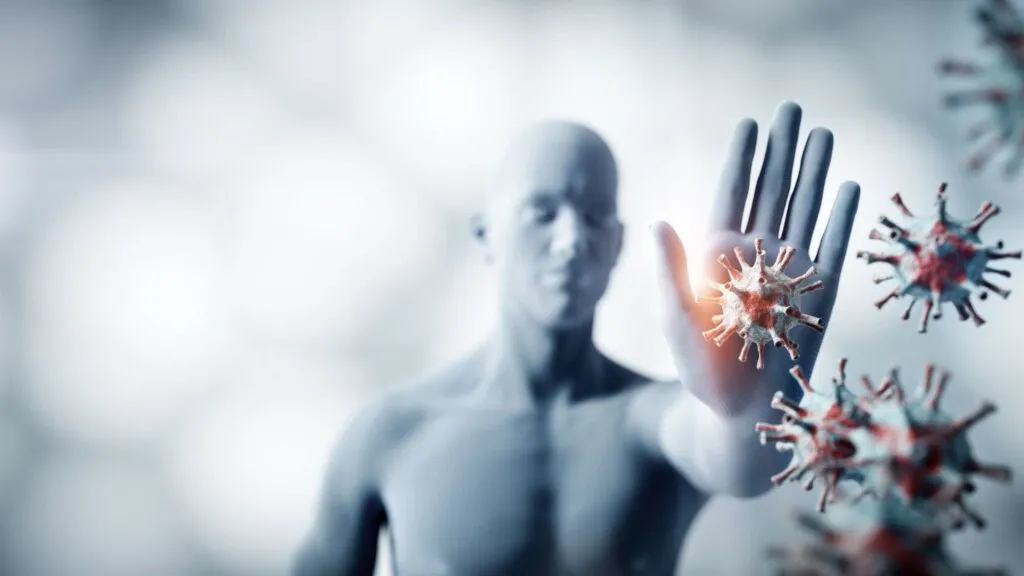
The Role of White Blood Cells in Healing
Your immune system is your body’s built-in security system. And when injury strikes—a cut, a surgical wound, a skin ulcer—it’s the white blood cells that rush in first, ready to protect, clean, and begin the rebuilding process.
At OWC Center, we see firsthand how powerful these tiny immune warriors are—and how much healing depends on their timing, strength, and coordination.
First Responders on the Front Line
When your skin barrier is broken, bacteria, debris, and dead tissue can create an open invitation for infection. That’s where white blood cells step in.
Let’s look at the three main players in wound repair:
🔬 Neutrophils: Fast and Fierce
Neutrophils are the first white blood cells to arrive—typically within hours of injury. Think of them as your wound’s emergency responders.
- They attack bacteria and foreign invaders using powerful enzymes.
- They digest dead tissue and debris, clearing the wound bed.
- They create a short-lived, but essential burst of inflammation that helps the body recognize danger.
Without neutrophils, most wounds would be quickly overwhelmed by infection. Their work sets the stage for the next wave of healing.
🧹 Macrophages: The Clean-Up Crew
After neutrophils do their job, macrophages take over.
- They continue clearing waste, but their real power lies in what they release:
Growth factors like VEGF and PDGF that promote new blood vessel formation, stimulate collagen production, and attract cells that build skin. - Macrophages also play a leadership role, directing the wound from inflammation into the repair phase.
They’re like conductors in an orchestra—quietly guiding the tempo of recovery.
Lymphocytes: The Regulators
The final stage of white blood cell involvement comes with lymphocytes—especially T-cells and B-cells.
- T-cells regulate the immune response, making sure it doesn’t go too far.
- B-cells produce antibodies to guard against any lingering infection.
- Lymphocytes help ensure that inflammation winds down and that new tissue forms cleanly and without excess scarring.
These cells are especially important for long-term wound integrity and immune memory, preventing reinfection and chronic inflammation.
What Happens When White Blood Cell Counts Are Low?
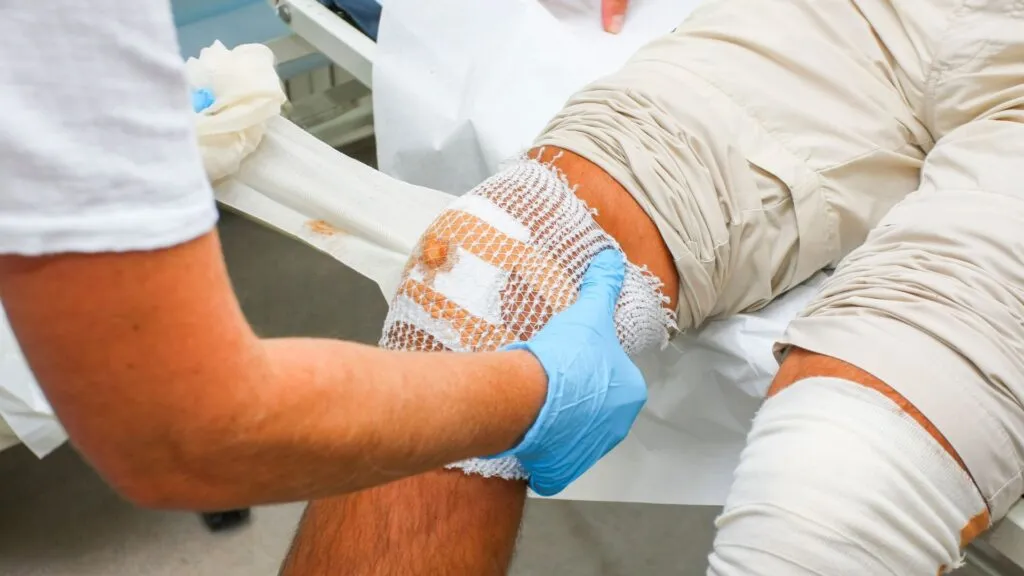
Not all immune systems function the same. Patients who are:
- Undergoing chemotherapy
- Living with autoimmune conditions
- Elderly or malnourished
- Taking immunosuppressive medications
…may have lower white blood cell activity—which can delay healing or cause wounds to stall altogether.
That’s why, at OWC Center, we take a whole-body approach to wound healing. If you’re showing signs of slow recovery, we may recommend:
- Bloodwork to assess immune status
- Enhanced antimicrobial dressings
- Nutritional counseling to rebuild immunity
- Wound cultures if infection is suspected
We know that wound healing isn’t just about what’s on the surface—it’s about what your immune system can handle behind the scenes.
Why Inflammation Helps and Hurts
Inflammation often gets blamed. But it’s actually your immune system’s way of initiating the healing process.
Benefits of Healthy Inflammation:
- Increases blood flow to deliver nutrients and oxygen
- Brings in white blood cells to fight pathogens
- Signals repair cells to start rebuilding
But inflammation that sticks around too long can delay progress. This is often seen in patients with:
- Diabetes
- Vascular disease
- Autoimmune conditions
Too much inflammation can lead to:
- Swelling that disrupts blood flow
- Excess scar tissue
- Tissue breakdown instead of repair
At OWC Center, we carefully monitor signs of inflammation using both visual assessment and wound temperature when needed.
💡 We address this in our related blog: How Diabetes Affects Wound Healing.
How a Weak Immune System Slows Healing
Immune suppression is more common than you think—and it has serious consequences for wound repair.
Common causes include:
- Cancer treatments (chemotherapy/radiation)
- Autoimmune medications
- Chronic conditions like kidney disease or HIV
- Poor diet or hydration
- Stress and fatigue
What This Means for Healing:
- White blood cell activity is slower
- Infections are more likely
- Tissue doesn’t regenerate as efficiently
- Inflammation may persist without resolution
In high-risk patients, our approach includes:
- Specialized dressings with built-in antimicrobials
- Closer follow-up and digital photo tracking
- Nutrition and supplement guidance to support immunity
📍 See how we manage complex cases with our Comprehensive Wound Care Plans.
5 Ways to Support Your Immune System and Healing
Healing isn’t just what we do in the clinic—it’s what your body does between visits. Here’s how to give your immune system a boost:
- Eat healing-friendly foods
Choose leafy greens, berries, citrus, and proteins like eggs, fish, or lentils. These deliver zinc, vitamin C, and amino acids vital for repair. - Get deep, restful sleep
Your immune system reboots while you sleep. Aim for 7–9 hours of quality rest each night. - Stay well-hydrated
Water supports every immune function—from nutrient delivery to waste removal. - Manage blood sugar levels
Especially for those with diabetes, stable glucose is essential to avoid infections and speed up healing. - Follow your care plan closely
From changing dressings to taking prescribed antibiotics, consistency ensures your immune system gets the support it needs.
📞 Need tailored guidance? Book a full immune-inclusive Wound Assessment today.
Every cut, scrape, or wound triggers a remarkable sequence inside your body—one that relies deeply on the immune system’s intelligence and timing. From the moment inflammation sets in to the gradual building of new tissue, your white blood cells and immune responses are hard at work behind the scenes, managing threats, removing damaged tissue, and helping you heal.
When the immune system is strong and well-supported, healing is faster, cleaner, and more complete. But when it’s under strain—due to age, illness, or stress—the body needs extra help. That’s where tailored wound care and immune-focused support make a difference.
Whether you’re managing a chronic condition, recovering from surgery, or simply trying to heal a slow-moving wound, your immune system is an essential partner in the process. And at OWC Center, we’re here to strengthen that partnership—providing not just treatment, but guidance, tools, and care that align with your body’s natural ability to heal.
Key Takeaways
🦠 The immune system is your body’s first responder for wound healing.
From the moment a wound occurs, your immune system jumps into action—clearing bacteria, triggering inflammation, and starting tissue repair. Without this built-in response, healing can’t begin. That’s why understanding your immune function is a critical part of every Advanced Wound Care Plan we create at OWC Center.
🧬 White blood cells are essential to every stage of healing.
Neutrophils, macrophages, and lymphocytes all play specialized roles—from fighting infection to rebuilding healthy tissue. If your white blood cell count is low due to illness or medication, healing may take longer. That’s why we assess immune health during every Wound Assessment.
🔥 Inflammation is necessary—but only in balance.
Healthy inflammation brings nutrients and immune cells to the wound. But too much can delay healing or cause damage. Our care team monitors inflammation closely to ensure it’s helping not hurting your recovery. Read more in our blog on How Diabetes Affects Wound Healing.
🧓 Weakened immune systems require personalized wound care.
Patients undergoing cancer treatment, managing autoimmune disease, or aging naturally may need extra wound support. We offer Comprehensive Wound Care Plans that include antimicrobial dressings, photo tracking, and nutritional strategies tailored to your immune status.
🥦 Supporting your immune system accelerates healing.
Simple lifestyle choices—like eating nutrient-rich foods, getting enough sleep, and managing blood sugar—can give your immune system the boost it needs. Combined with a consistent care plan, these steps support faster, more effective healing between visits.
✅ 5 Related Questions Asked and Answered
1. How does the immune system contribute to wound healing?
The immune system is your body’s internal defense team—and it springs into action immediately after an injury. Here’s how it helps wounds heal:
- Inflammation begins the repair process. This initial swelling, redness, and warmth may look like a problem, but it’s actually your body calling reinforcements to the scene.
- White blood cells flood the area. Neutrophils are the first responders. They clean up bacteria and debris to prevent infection. Soon after, macrophages take over, releasing growth factors to promote tissue repair.
- Tissue regrowth begins. As the immune system clears out damaged tissue, new blood vessels and skin cells begin to form.
- The immune system guides the entire timeline. If it’s underactive (due to age, illness, or certain medications), healing slows. If it’s overactive, excessive inflammation may interfere with healing.
👉 For individuals with chronic wounds or weakened immune systems, targeted support from our Advanced Wound Management Services can make all the difference.
2. What role do white blood cells play in wound repair?
White blood cells are like the emergency response team for your body. They’re essential in the earliest stages of wound healing and continue to support recovery throughout.
Here’s what they do:
- Neutrophils arrive first to clean the wound and destroy harmful bacteria.
- Macrophages follow and remove dead cells and debris. They also secrete growth factors to encourage the development of new tissue.
- Lymphocytes help regulate the immune response and signal when it’s time to transition to the next healing phase.
If your white blood cell count is low—due to chemotherapy, autoimmune disease, or a chronic condition—your healing may take longer.
💡 That’s why our team at OWC Center takes immune health into account during every wound evaluation. For patients with compromised immunity, we may recommend enhanced antimicrobial dressings, bloodwork monitoring, or referral to a specialist.
3. Why is inflammation important in healing—and when is it a concern?
Inflammation gets a bad rap, but it’s a vital part of your body’s healing toolkit. That initial redness, warmth, and swelling means your immune system is doing its job.
Good inflammation does the following:
- Delivers extra blood flow and nutrients to the wound site
- Sends white blood cells to destroy pathogens
- Starts breaking down damaged tissue
But prolonged inflammation can cause problems:
- It may delay tissue repair
- Increase the risk of infection or scarring
- Be a sign of an underlying condition like diabetes or vascular disease
At OWC Center, we assess inflammation closely at each visit. If it’s not resolving, we look deeper—whether that’s testing for infection or adjusting your dressing regimen.
📘 Learn more in our blog: How Diabetes Affects Wound Healing
4. How does a weak immune system affect wound healing?
A weakened immune system can delay or disrupt every stage of wound repair. This is common in:
- Cancer patients undergoing chemotherapy
- Individuals with autoimmune conditions
- Older adults with naturally reduced immune response
- Patients with poor nutrition or chronic illness
Without proper immune function:
- White blood cell response is slower
- Inflammation may not resolve normally
- New tissue may form too slowly or not at all
If you’re immunocompromised, healing can still happen—but it often requires a more personalized plan. We may recommend:
- Increased follow-up visits
- Specialized wound dressings to reduce bacterial load
- Supportive therapies like negative pressure wound therapy (NPWT)
- Nutritional guidance to help your body build immune resilience
5. What can I do to support my immune system during wound healing?
Your body does the hard work—but you can give it the best possible environment to succeed. Here’s how:
- Eat immune-supportive foods: Leafy greens, citrus fruits, nuts, and lean proteins all provide vital nutrients.
- Stay hydrated: Water helps carry immune cells and nutrients to the wound site.
- Get quality sleep: Your body repairs itself most effectively during deep rest.
- Manage blood sugar: Especially for people with diabetes, stable glucose levels support both immunity and healing.
- Follow your wound care plan: Keeping your wound clean, dressed, and monitored ensures your immune system doesn’t have to fight alone.
For personalized guidance, our providers may recommend a full Wound Assessment that includes immune and nutritional screening.
