
The Role of Topical Antimicrobials in Wound Healing
Infection Control: Why It’s the First Line of Defense
Infection is sneaky. Silent. Dangerous. It doesn’t knock before entering a wound. One minute, a sore seems harmless. The next? It’s red, angry, and oozing.
For many patients, especially those with diabetic foot ulcers or vascular wounds, the clock starts ticking the moment bacteria move in. The goal? Stop infection in its tracks. That’s where topical antimicrobials come in.
These are not your basic ointments. They’re advanced wound care products—targeted, powerful, and smart. Unlike oral antibiotics that flood your entire system, these work right at the source. Fewer side effects. Faster results.
You don’t have to be a medical professional to see the impact. A cleaner wound. A calmer body. Healing that actually starts.
And the science backs it up. According to Johns Hopkins Medicine, targeted infection control drastically improves healing times in chronic wounds. Similarly, the CDC outlines how localized antimicrobial strategies reduce risk and support better outcomes.
At OWCCenter, we don’t just treat wounds—we manage them with precision. That means selecting the right topical antimicrobial for the right wound at the right time.
Let’s break it down.
Wound Care Products That Control Infection
Types of Wound Care Products with Antimicrobial Benefits
Choosing a topical antimicrobial isn’t about guessing. It’s science. And it’s personal. Each wound tells a story—and at OWCCenter, we listen.
Here are the most commonly used types of antimicrobial wound care products:
Silver-Based Creams and Dressings
- Broad-spectrum action against bacteria like MRSA and Pseudomonas
- Often used in infected or heavily draining wounds
- Gentle on tissue but tough on pathogens
Iodine-Based Products
- Popular in wounds with a lot of exudate
- Control biofilm and odor effectively
- Safe for short-term use with clear indications
Honey Dressings
- Yes, honey. Medical-grade honey.
- Antimicrobial, anti-inflammatory, and promotes moist healing
- Common in diabetic ulcers and chronic wounds
PHMB (Polyhexamethylene Biguanide)
- A low-toxicity alternative for long-term care
- Helps manage biofilm formation
- Used in conjunction with moist wound dressings
Chlorhexidine Rinses
- Often used before applying other treatments
- Preps the wound bed for healing
Each one is selected based on wound type, location, depth, and signs of infection. No one-size-fits-all.
📍 Visit our Advanced Wound Care Services page to learn more.
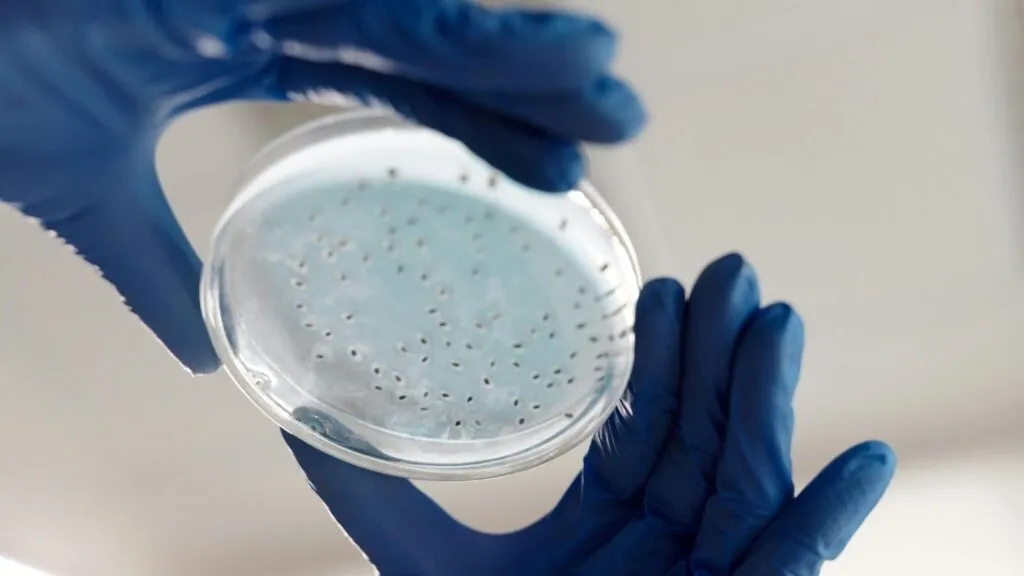
Image 1 Alt-Tag: topical antimicrobials, infection control, wound care products, wound healing, OWCCenter
Image 2 Alt-Tag: chronic wound healing treatments in Louisville with topical antimicrobials_
How Infection Control Helps Healing
Infection Control and Wound Healing Outcomes
We’ve seen the difference firsthand. At OWCCenter, controlling infection isn’t just a step—it’s the step that opens the door to healing.
Here’s what topical antimicrobials do beyond just killing bacteria:
1. Reduce Pain and Inflammation
Infected wounds hurt. They swell. They leak. When you eliminate harmful microbes, you reduce the body’s inflammatory response.
2. Encourage Healthy Tissue Growth
Without infection holding the wound hostage, your body can focus on building healthy granulation tissue.
3. Improve Dressing Compatibility
Many antimicrobials are built into smart dressings—reducing the need for constant changes and minimizing disruption to the healing wound bed.
4. Cut Down Hospital Visits
Outpatient care with topical antimicrobials helps avoid escalation to inpatient care. Less stress, less cost.
5. Reduce Risk of Systemic Infection
Local infections can become systemic if not addressed. Antimicrobials stop this progression.
Still not sure if your wound needs more than a standard dressing? Let’s assess. Book a Wound Assessment today.
When Topical Antimicrobials Are the Right Choice
Choosing the Right Time to Use Topical Antimicrobials
Let’s be honest—not every wound needs an antimicrobial. But the ones that do? They benefit big time.
We typically recommend them when:
- There are signs of localized infection (redness, swelling, discharge)
- Wound healing has stalled without a clear cause
- Patient is immunocompromised (like in diabetes or cancer)
- There’s a history of recurring wound infections
We don’t use them when:
- The wound is clean, healing, and shows no signs of microbial activity
- The product could irritate surrounding skin
- Long-term exposure might cause resistance
Bullet Points: Signs You Might Need an Antimicrobial
- Redness that spreads beyond the wound edge
- Increasing pain at the wound site
- Foul-smelling drainage
- Yellow or green exudate
- Heat at or near the wound area
If these sound familiar, it’s time to ask about antimicrobials. Our wound care specialists are here to help.
Monitoring Effectiveness and Healing Progress
How to Tell If It’s Working
We track healing. Closely. That’s part of what makes OWC Center different. No guesswork.
We look for:
- Reduction in drainage volume and odor
- Decreased redness or swelling
- Increase in healthy tissue formation (granulation)
- Less patient-reported pain
Patients play a key role here. We encourage daily observation and weekly check-ins.
If the wound doesn’t improve, we reassess. We might switch products or add therapies like debridement or Negative Pressure Wound Therapy. And we always stay ahead of infection.
📍 Want personalized care? Learn about our Wound Debridement and Chronic Wound Management solutions.
At OWC Center, we know that effective healing begins with trust—in your care, your provider, and your body’s ability to recover. That’s why topical antimicrobials aren’t just products we use—they’re part of a healing strategy rooted in precision, compassion, and evidence-based care.
When applied correctly, these targeted treatments do more than control infection. They ease discomfort. They reduce complications. They give chronic wounds a fighting chance. Whether we’re treating a diabetic ulcer showing early signs of infection or helping a patient manage a complex vascular wound, the goal remains the same: create the conditions for the body to heal itself—safely and naturally.
And healing isn’t just measured in centimeters. It’s in restored comfort. Renewed confidence. Less worry. More freedom.
By combining the right antimicrobial agents with our full suite of advanced wound therapies—like debridement, pressure relief, and personalized follow-up—we’re helping patients in the Louisville area take back control of their health, one step at a time. Because when wound care is done right, the results speak for themselves.
Key Takeaways
- Topical antimicrobials are a powerful first line of defense against wound infection.
By targeting bacteria directly at the wound site, these advanced treatments help prevent complications and support faster healing. At OWC Center, we match each product to your wound’s specific needs for safer, more effective care. - Not all wounds require antimicrobials—timing and personalization are key.
We never take a one-size-fits-all approach. Our team evaluates every patient through a thorough Wound Assessment to determine if and when topical antimicrobials are appropriate. - There are multiple types of topical antimicrobials, each suited to different wounds.
From silver dressings to honey-based options, each formulation serves a unique purpose. Our specialists use the latest research and technology as part of our Advanced Wound Care Services to ensure optimal healing. - Infection control works best alongside a complete treatment plan.
Antimicrobials are one piece of a larger puzzle. We often combine them with debridement, negative pressure therapy, compression, or nutritional guidance to build the ideal healing environment. - Monitoring progress is essential to ensure wound healing stays on track.
At OWC Center, we closely track your healing journey. Through digital imaging, regular check-ins, and personalized adjustments, our Wound Management approach ensures you’re supported every step of the way.
5 Related Questions Asked and Answered
1. What exactly are topical antimicrobials, and how do they work in wound healing?
Topical antimicrobials are agents applied directly to the surface of wounds to kill or inhibit the growth of microorganisms. Their main goal? Infection control.
They work by:
- Disrupting bacterial cell walls or internal functions
- Preventing bacterial colonies from forming (biofilm prevention)
- Reducing inflammation triggered by bacterial activity
At OWC Center, we often use topical antimicrobials in cases such as:
- Diabetic foot ulcers with signs of early infection
- Pressure injuries in at-risk patients
- Post-debridement wounds to prevent microbial resurgence
Unlike systemic antibiotics, which circulate through the entire body, topical antimicrobials act right at the wound site—minimizing side effects and reducing the risk of antibiotic resistance. They’re often used in combination with other advanced wound care methods like debridement, negative pressure therapy, and compression dressings.
📍 Learn more about our Advanced Wound Care Services and how we personalize treatments for each patient.
2. When should topical antimicrobials be used—and when should they be avoided?
Topical antimicrobials are highly effective, but they aren’t for every situation. Here’s how we determine appropriate use:
Use Topical Antimicrobials When:
- There’s visible wound infection or high risk of infection
- A wound shows delayed healing or increased exudate
- Biofilm is suspected (common in chronic wounds)
- A patient is immunocompromised or diabetic
Avoid or Limit Use When:
- The wound is clean, healing well, and not infected
- There’s a known allergy or sensitivity
- Prolonged use may lead to tissue irritation
At OWC Center, we emphasize personalized treatment. Our wound assessments evaluate microbial load, tissue health, and healing stage. This ensures antimicrobials are used strategically, not routinely.
🔍 Curious about how we tailor care? Explore our Wound Assessment Process.
3. What are the most common types of topical antimicrobials?
There are many different formulations, each suited to specific wound types and healing phases. Here are some of the most widely used:
- Silver-based creams and dressings
- Broad-spectrum; effective against MRSA and Pseudomonas
- Ideal for infected or high-risk wounds
- Iodine-based products (like cadexomer iodine)
- Good for sloughy or exudating wounds
- Controls odor and manages bioburden
- Honey-based dressings
- Natural, antimicrobial, anti-inflammatory
- Useful for chronic wounds and diabetic ulcers
- PHMB (polyhexamethylene biguanide)
- Low-toxicity, broad-spectrum antiseptic
- Effective against biofilm
- Chlorhexidine-based rinses or gels
- Used to prepare or irrigate wounds before dressing
We match the product to the individual wound’s needs—just one of the ways we provide specialized, patient-centered care in Louisville.
4. Can using topical antimicrobials replace other wound care steps?
No—topical antimicrobials are not a standalone solution. They’re part of a multidisciplinary wound care approach.
Effective healing still depends on:
- Wound debridement to remove dead tissue and bacteria
- Moisture balance with appropriate dressings
- Pressure relief, especially for bed sores and diabetic foot ulcers
- Blood flow improvement, especially in vascular ulcers
- Nutrition and blood sugar control
At OWC Center, we integrate topical antimicrobials into a larger plan that may include compression therapy, lymphedema management, and other interventions. It’s not just about what you apply—it’s about creating the right healing environment.
📍 Discover our full range of Wound Management Services.
5. How do patients know if their topical antimicrobial is working?
Signs that a topical antimicrobial is effective include:
- Reduced redness and swelling
- Decreased drainage or foul odor
- Healthier tissue growth (granulation)
- Less pain or tenderness
But healing isn’t always linear. Sometimes wounds plateau or fluctuate. That’s why follow-ups are critical. At OWC Center, we monitor wound progress using:
- Photography
- Wound dimension tracking
- Tissue quality assessment
Patients are encouraged to report any:
- Skin irritation or rash
- Change in wound color or odor
- Increase in drainage
If these signs appear, adjustments can be made quickly. Healing is a dynamic process—and we’re with our patients every step of the way.
