
The Role of Probiotics in Healing Chronic Wounds
When Healing Stalls, Start in the Gut
You’ve cleaned it. Dressed it. Watched it.
Still not healing.
You change the bandage again. You try a new ointment. You cut sugar. Drink more water.
Still, nothing.
Sometimes chronic wounds don’t just need surface treatment. They need deeper answers.
That’s where your gut comes in.
Your gut isn’t just for digestion. It’s your body’s immune hub. It’s your inflammation manager. It’s the place where healing quietly begins—or fails.
In recent studies like NIH, researchers confirmed the connection between gut flora and wound healing. An imbalanced gut microbiome increases systemic inflammation. And inflammation is the enemy of healing.
Likewise, Cleveland Clinic emphasizes the gut-skin axis—your internal ecosystem that quietly shapes the speed and success of healing on the outside.
So what’s the solution?
Probiotics.
Those tiny warriors may be the missing link between a wound that lingers and a wound that finally heals.
Let’s explore how they work—and why it might be time to look beyond the bandage.
Gut Health and Chronic Wound Recovery
When wounds become chronic, healing often stalls beneath the surface.
Gut health—often ignored in standard treatment—may be the difference maker. Here’s why:
Your Gut and the Immune System
- Over 70% of your immune system resides in your gut.
- When gut bacteria are balanced, the immune system reacts appropriately.
- When dysbiosis (imbalance) occurs, inflammation spikes—and healing slows.
Nutrient Absorption and Healing
- Healing requires vitamins A, C, zinc, and protein.
- A healthy gut absorbs these efficiently.
- Poor gut function = nutrient deficiencies = poor tissue repair.
Microbial Communication
- Your gut microbes send chemical messages that impact skin cells.
- Probiotic diversity can influence collagen production, tissue repair, and inflammation control.
📍At OWC Center, we include gut support as part of holistic wound management—especially for older adults and diabetic patients.
Immune Support Through Probiotic Therapy
Supporting your immune system is critical in managing long-term wounds.
Probiotics don’t just aid digestion—they train your immune cells, balance your responses, and reduce unnecessary inflammation.
How Probiotics Help the Immune System
- Regulate inflammation: Certain strains like Lactobacillus rhamnosus reduce inflammatory cytokines.
- Boost pathogen defense: Probiotics increase production of natural antibiotics like bacteriocins.
- Balance immune cells: They help modulate T-cell and B-cell responses that are critical in wound immunity.
Clinical Impact
In studies published in Advances in Wound Care, probiotics have shown to:
- Reduce wound infection rates.
- Improve granulation tissue formation.
- Decrease healing time by up to 30% in some chronic cases.
🧬 Curious how immune response ties to specific wound types? Visit our post on diabetic wound complications.
Probiotics and Wounds: Strains That Heal
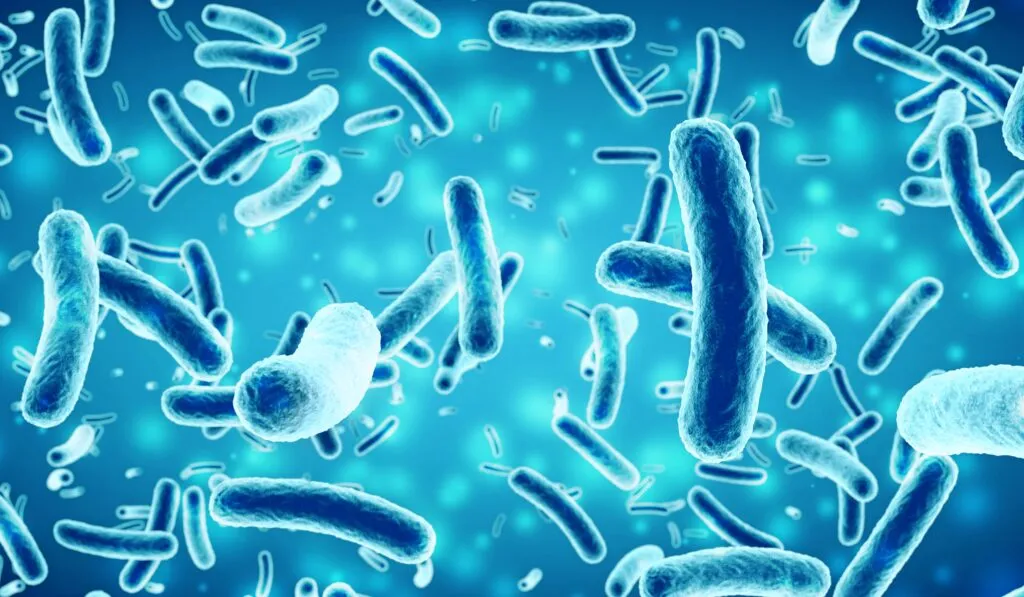
Certain strains of probiotics are more effective in wound-related healing than others.
Let’s break it down:
Best Probiotic Strains for Healing
- Lactobacillus plantarum: Enhances wound contraction and protects against infection.
- Lactobacillus rhamnosus: Promotes tissue regeneration and reduces pro-inflammatory markers.
- Bifidobacterium longum: Boosts skin barrier repair and controls oxidative stress.
Application Matters
- Oral supplements: Daily capsules with multi-strain blends (10B CFU+) support systemic health.
- Topical probiotics: Available in wound dressings and creams to fight local infection.
- Probiotic foods: Yogurt, kefir, kimchi, and fermented veggies offer natural support.
📌 Pair your probiotic routine with:
- A fiber-rich diet (prebiotics)
- Hydration
- Restorative sleep
- Regular check-ins with your wound specialist
Long-Term Benefits of Probiotic Therapy in Chronic Cases
Wounds that persist longer than 4–6 weeks may signal deeper issues. Probiotic therapy may offer ongoing support in chronic wound management.
Who Benefits the Most?
- Patients recovering from surgery
- Individuals with circulatory issues or diabetes
- Elderly patients with skin integrity loss
- Immunocompromised individuals on antibiotics
5 Probiotic Therapy Tips:
- Choose high-quality probiotics with clinically proven strains.
- Always take with food for better survival and absorption.
- Combine with anti-inflammatory foods: turmeric, leafy greens, berries.
- Monitor gut health regularly—especially during antibiotic use.
- Ask your doctor about topical options if oral supplementation isn’t possible.
Healing isn’t always about stronger ointments or newer bandages. Sometimes, it starts from within—where your immune system lives, your nutrients are absorbed, and inflammation quietly takes root. When wounds refuse to close, the missing piece may not be on the surface at all.
It may be in the gut.
Probiotics play a vital role in wound recovery by calming chronic inflammation, supporting immune defenses, improving nutrient delivery, and even communicating directly with skin cells to boost repair. With evidence-backed strains like Lactobacillus rhamnosus and Bifidobacterium longum, the path to recovery can become clearer, faster, and less prone to complications.
And the beauty of it? This approach is non-invasive. Gentle. Rooted in restoring balance rather than masking symptoms.
At OWC Center, we continue to see the impact of a whole-person approach—where gut health, immune support, and advanced wound care come together. For anyone managing a persistent wound, especially older adults or those with diabetes, it’s a reminder that healing doesn’t always begin with what you put on the wound. Sometimes, it begins with what you put into your body.
Key Takeaways
Probiotics Support More Than Digestion—they Boost Wound Healing
Probiotics aren’t just for gut health. They actively reduce inflammation, support tissue repair, and help fight infection. For patients struggling with slow-healing wounds, this natural support system may offer the internal reset your body needs
Your Gut Is Closely Connected to Skin Repair
The gut-skin axis is real—and powerful. An imbalanced microbiome can delay wound healing through chronic inflammation and immune disruption. Supporting your gut means supporting your skin.
⭐ Certain Probiotic Strains Are Proven to Accelerate Healing
Not all probiotics are created equal. Clinical research supports specific strains like Lactobacillus plantarum and Bifidobacterium longum for reducing inflammation and speeding up tissue regeneration. If you’re curious about whether probiotics could support your recovery, talk to a wound specialist at OWC Center.
Topical and Oral Probiotics Work Together
From capsules to probiotic dressings, delivery method matters. Oral probiotics can strengthen systemic immunity, while topical options work directly at the wound site. Our team may recommend a combined strategy based on your wound type and healing history.
Gut Health Is a Vital Part of Elderly Wound Care
Older adults face unique healing challenges due to changes in gut flora, medication use, and chronic conditions. Supporting gut health with probiotics can be a gentle but powerful tool in recovery. Read how we approach wound care for elderly patients and why it often starts from the inside out.
5 Related Questions Answered
-
How Do Probiotics Help Heal Chronic Wounds?
Probiotics are live microorganisms that support the balance of healthy bacteria in your gut—but their impact goes far beyond digestion.
Here’s how probiotics play a direct role in wound healing:
- Reduce Inflammation: Chronic wounds often linger due to persistent inflammation. Certain probiotics (like Lactobacillus and Bifidobacterium) produce anti-inflammatory compounds that calm this process.
- Enhance Immune Response: A healthy gut supports over 70% of your immune system. Probiotics help regulate this system to respond effectively without overreacting.
- Combat Infection: Probiotics can crowd out harmful bacteria, preventing infection both in the gut and at wound sites.
- Improve Nutrient Absorption: Healing requires vitamins like C, A, zinc, and protein. Probiotics help you absorb these better.
👉 At OWC Center, we integrate whole-body wellness into our wound care plans—including gut health. If healing is slow, it may be time to look inward—literally.
2. Is There a Link Between Gut Health and Skin Repair?
Yes, and it’s called the gut-skin axis—a powerful communication system between your gut microbiome and your skin’s ability to repair and regenerate.
Here’s how they’re connected:
- Leaky Gut = Leaky Skin: An imbalanced gut can lead to systemic inflammation that affects your skin barrier and delays healing.
- Microbial Messaging: Good gut bacteria send signals that help regulate blood flow and collagen production—essential for closing wounds.
- Immune Modulation: Your skin’s ability to fight infection depends on how well your gut trains and controls the immune system.
🧠 Think of your gut like a command center—when it’s out of balance, every part of your body, including your skin, can suffer.
3. Can Taking Probiotics Help Prevent Wound Infections?
Absolutely. Wound infections often begin when the immune system is compromised or overwhelmed. Probiotics act as your first line of internal defense.
Here’s how they help:
- Crowd Out Bad Bacteria: Probiotics physically block pathogens from multiplying.
- Balance pH & Moisture: Some strains regulate skin pH levels, reducing the chances for infection.
- Create Antimicrobial Compounds: Certain probiotics naturally produce acids and enzymes that kill or inhibit harmful microbes.
4. What Kind of Probiotics Are Best for Wound Healing?
Not all probiotics are created equal. When it comes to wound care, these are the top strains with strong evidence:
- Lactobacillus rhamnosus – Known to reduce inflammation and improve tissue regeneration.
- Bifidobacterium longum – Supports immune balance and promotes skin health.
- Lactobacillus plantarum – Shown to protect against infections and aid in faster healing in clinical trials.
📌 Look for probiotics with multiple strains and at least 10 billion CFU per serving. For best results:
- Take them daily with food.
- Combine with prebiotic-rich foods like garlic, onion, and bananas.
- Consider probiotic-enriched dressings or creams for topical support.
🧬 If you’re unsure, talk to a Wound Care Specialist. Probiotic therapy should be personalized, especially if you’re on antibiotics or have digestive issues.
5. Should Everyone with Chronic Wounds Use Probiotics?
Probiotics can benefit many people—but they’re not a one-size-fits-all solution.
Here’s when they’re most useful:
- You’re recovering from surgery or trauma.
- You have diabetes or circulatory problems.
- You’re taking antibiotics or immunosuppressants.
- You experience bloating, constipation, or frequent illness.
But there are a few exceptions:
- Those with severe immune compromise (like chemotherapy patients) should consult a provider before taking live probiotics.
- Some people may need gut testing to identify imbalances before supplementing.
At OWC Center, we don’t just treat the wound—we treat the whole person. That includes supporting gut health and immune function in every care plan. Our wound assessments help determine the best next step.
