
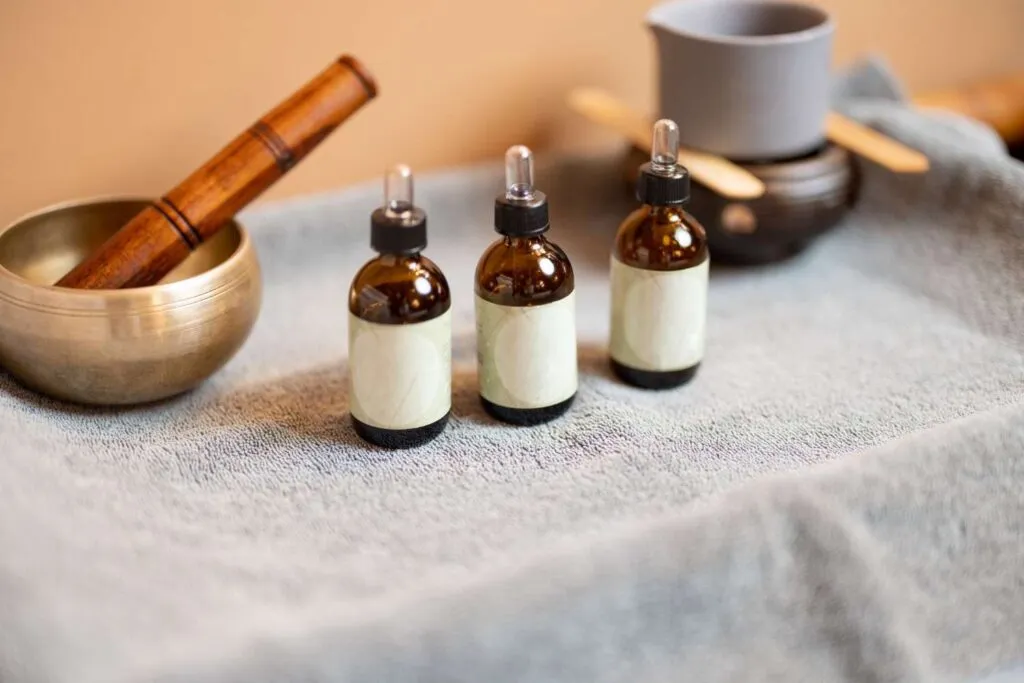
The Role of Aromatherapy and Essential Oils in Wound Care
The Role of Aromatherapy and Essential Oils in Wound Care
It hurts.
You clean it. Still red. Still sore.
You try a cream. It burns.
You try a bandage. It sticks.
You wonder: Is there something gentler?
Essential oils have been used for centuries. Cleopatra loved them. So did ancient Chinese and Ayurvedic healers. They weren’t just for perfumes—they were part of healing. Now? Modern science is catching up. Research like this one from the National Institutes of Health is exploring how these powerful plant extracts promote skin regeneration.
Lavender. Tea Tree. Frankincense. Not just pretty names—they’re active ingredients. Each one offering antibacterial, anti-inflammatory, and calming benefits. In other words, nature’s wound support system.
But let’s be real—essential oils aren’t magic potions. You need to use them safely. You need to know which ones work—and which ones to avoid. According to the Mayo Clinic, application method and dosage matter more than most people realize.
At OWC Center, we support integrative care approaches. Especially when patients ask about natural remedies. This blog explores how aromatherapy fits into wound care—and how to do it right.
Natural Remedies That Actually Help
Lavender, Tea Tree, and Beyond: Nature’s First Aid Kit
Essential oils are extracted from flowers, leaves, bark, and roots. Their benefits? Deep and diverse. Here are the top essential oils for wound healing:
- Lavender: Encourages collagen production and reduces inflammation.
- Tea Tree: Antimicrobial powerhouse. Great for infection prevention.
- Chamomile: Soothes irritated skin.
- Frankincense: Speeds up cell regeneration.
- Helichrysum: Aids in scar reduction.
Story Time: We had a patient, Annette, who came in with a slow-healing abrasion from a fall. Alongside her advanced wound care treatment, we added diluted lavender oil to her evening regimen. Not only did she report less itching, but she also slept better. Healing is a whole body process.
When to Avoid:
- Citrus oils (cause sun sensitivity)
- Clove (too harsh)
- Peppermint (can delay healing on broken skin)
If you’re dealing with something more serious—like a diabetic foot ulcer—check out our post on how diabetes affects wound healing.
Alternative Healing: What Science Says
Essential oils fall under “complementary and alternative medicine.” While some dismiss it, data suggests otherwise. A 2017 study showed that lavender oil significantly improved tissue repair in rats. It’s not the final word—but it’s a powerful clue.
In chronic wounds, like pressure injuries or venous ulcers, the core treatments remain:
- Debridement
- Infection control
- Moist wound healing
But emotional wellness also plays a role. Stress slows healing. Oils like bergamot and frankincense can promote calm. That’s why our chronic wound care team offers whole-person support—including patient-approved integrative therapies.
5 Reasons Why Patients Request Aromatherapy
- Reduces anxiety during dressing changes
- Supports sleep (especially lavender)
- Gives a sense of control
- Encourages consistency in wound care routines
- Brings comfort during a difficult healing journey
How to Use Essential Oils for Wound Support
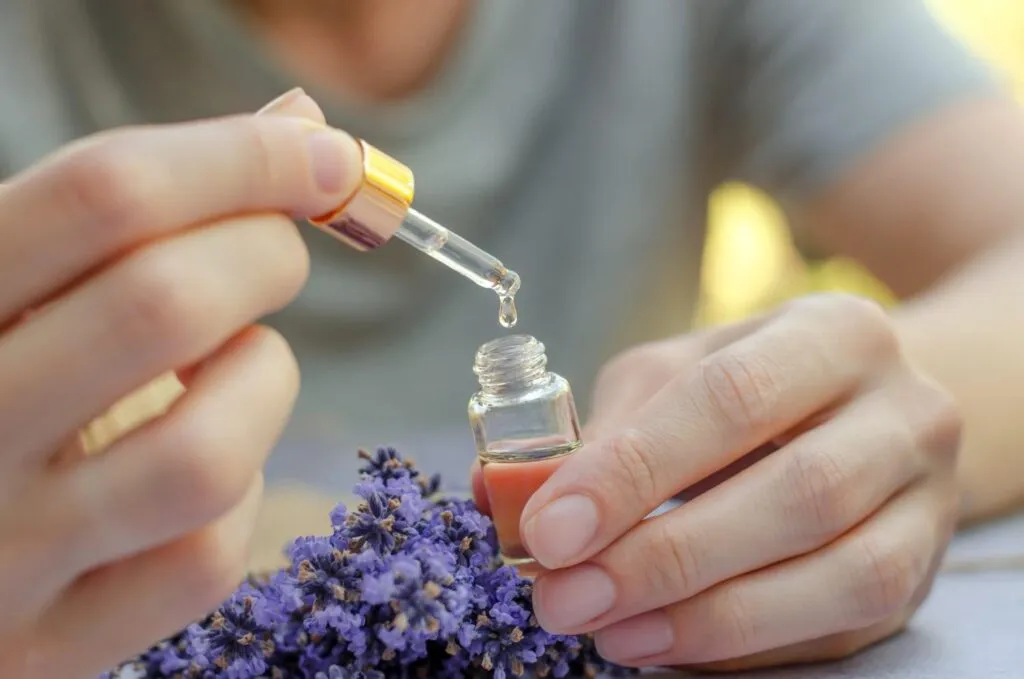
Safe Application: The Right Way to Do It
Let’s make this simple:
DO:
- Dilute oils (1–2% dilution = 6 drops per oz of carrier oil)
- Apply around the wound (not inside)
- Use with sterile gauze for gentle coverage
- Test on a small skin patch first
DON’T:
- Use undiluted oils
- Apply directly to deep, infected, or post-surgical wounds
- Assume essential oils can replace antibiotics or debridement
For people with lymphedema or circulation issues, it’s best to get a customized plan. Our vascular wound care program can include topical additions like aromatherapy under medical supervision.
Emotional Recovery Through Scent
Healing the Heart While Healing the Skin
Wound healing isn’t just about tissues—it’s about people. It’s about frustration, fear, and fatigue. Essential oils offer a gentle way to care for the emotional side.
Lavender helps lower cortisol. Frankincense supports emotional grounding. Bergamot lifts the mood. Think of it like mental rehab—through scent.
We recently had a caregiver, Julie, tell us: “I dab lavender on the gauze before changing my dad’s dressings. It makes him less anxious—and me too.”
Explore More Emotional Support Content:
- How Aging Affects the Healing Process
- Chronic Wound Infections and Emotional Strain
- Immune System’s Role in Wound Repair
Infographic: Top Essential Oils for Wound Healing
Keywords (alt-tag): Top essential oils, wound care infographic, alternative healing, essential oils and wounds, wound care Louisville
(Insert infographic image here: https://example.com/oils-infographic.jpg)
- Lavender: Anti-inflammatory, promotes sleep
- Tea Tree: Antimicrobial
- Chamomile: Soothing
- Frankincense: Calming and regenerative
- Helichrysum: Scar support
When wounds linger, both the body and spirit feel the weight of slow healing. That’s why the integration of essential oils into wound care isn’t just a trendy alternative—it’s a thoughtful, patient-centered choice. Oils like lavender and frankincense do more than smell nice; they soothe inflamed skin, fight off bacteria, and gently nudge the body’s healing processes forward. But it’s not just about the skin. Aromatherapy creates moments of peace for patients navigating daily dressing changes, chronic discomfort, or the emotional toll of long-term recovery.
Used with care—properly diluted, never applied directly to open wounds—these natural remedies can offer real relief. They calm more than the tissue; they calm the mind. Whether you’re dealing with a minor scrape or managing a more complex vascular wound, bringing in elements like lavender or chamomile can restore a sense of control and dignity to care routines.
At OWC Center, we’ve seen firsthand how integrating alternative healing options into our evidence-based protocols helps patients feel supported on every level. Because sometimes healing starts with a breath, a scent, and the belief that small comforts matter.
Key Takeaways
Essential oils can gently support the healing process.
When used responsibly, essential oils like lavender, tea tree, and frankincense can ease inflammation, reduce bacterial load, and promote skin regeneration. These benefits make them a valuable complement to medical treatment, especially in the early stages of wound recovery. For chronic or slow-healing wounds, always pair essential oils with advanced wound care.
Safety always comes first—dilution is key.
Essential oils must be diluted with a carrier oil and applied only to the skin around a wound—not directly inside it. Improper use can irritate or delay healing. The best results come when natural remedies are guided by professionals. Our wound care specialists offer support in integrating aromatherapy safely into your care plan.
Aromatherapy offers emotional healing, too.
Living with a chronic wound takes a toll on emotional well-being. Essential oils can help calm nerves, improve sleep, and reduce stress—important factors in the healing journey. We integrate these alternative healing techniques into our chronic wound management programs for patients who seek both physical and emotional relief.
Not all oils are created equal for wound care.
Some oils, like peppermint or citrus, may actually irritate wounds or slow the healing process. Others—like helichrysum, chamomile, and frankincense—have specific properties that support skin regeneration. Our team helps identify what’s safe and effective as part of our comprehensive wound assessments.
Healing is holistic—and you don’t have to do it alone.
Whether it’s the right dressing, pressure relief, or essential oil support, healing requires a whole-body approach. At OWCCenter, our care is individualized, compassionate, and evidence-based, blending modern medicine with patient-preferred options. Learn more about how we care for the whole you with our multidisciplinary wound care team.
Related Questions Asked and Answered
1. Can essential oils really help wounds heal faster?
Yes—but with care and proper usage.
Essential oils can be a powerful addition to wound care because they offer antibacterial, anti-inflammatory, and tissue-regenerating benefits. However, they should never replace medical treatment—especially for chronic wounds.
Here’s how they help:
- Lavender oil: Promotes collagen production and reduces inflammation. Ideal for early-stage wounds.
- Tea tree oil: Natural antiseptic and antimicrobial. Great for preventing infection.
- Helichrysum and frankincense: Known to reduce scarring and promote cell regeneration.
But remember:
- Always dilute essential oils with a carrier oil like coconut or jojoba.
- Never apply undiluted oils directly to open or deep wounds.
- Do a patch test to avoid allergic reactions.
If you’re exploring natural remedies for wound care, consider consulting a specialist. At OWC Center Advanced Wound Care Clinic, we support integrative approaches tailored to your healing journey.
2. What are the safest essential oils for wound healing?
While many oils are praised for their healing properties, not all are created equal—or safe for open wounds.
Here are some safe, commonly used oils:
- Lavender – Reduces pain and speeds up tissue regeneration.
- Tea Tree – Strong antimicrobial; best used diluted.
- Frankincense – Supports cell growth and reduces inflammation.
- Chamomile – Calms irritated skin and encourages healing.
- Helichrysum – Helps with scar reduction and cell turnover.
⚠️ Avoid these on wounds:
- Citrus oils (can irritate skin or increase sun sensitivity)
- Peppermint (too strong and cooling for broken skin)
- Clove (irritating and too harsh)
To integrate essential oils safely into your care plan, consult your physician or one of our Wound Care Specialists in Louisville. Our approach combines evidence-based care with your comfort and preferences in mind.
3. Are essential oils a good option for chronic wounds?
They can support healing but shouldn’t be the primary treatment for chronic wounds.
Chronic wounds—like diabetic foot ulcers, pressure injuries, or vascular wounds—are complex. They often need:
- Regular wound debridement
- Infection control
- Advanced dressings or negative pressure wound therapy
Here’s how essential oils can still help:
- They may improve emotional well-being during the healing process.
- When used appropriately, they can reduce mild inflammation and bacterial load.
- Their calming aromas may reduce patient stress, which positively impacts healing.
At OWC Center, we recognize the value of alternative healing within a comprehensive plan. For people open to natural options, our Chronic Wound Management programs include personalized support—including the thoughtful integration of aromatherapy.
4. How should essential oils be applied to wounds?
Proper application is everything.
Using essential oils incorrectly can slow healing or even worsen the wound. Here’s the safest way to apply them:
Step-by-step guide:
- Dilute the oil: Use a carrier oil (e.g., coconut, olive, or jojoba). A 1–2% dilution is ideal—about 6 drops of essential oil per ounce of carrier.
- Clean the wound: Follow your provider’s wound cleaning instructions.
- Apply to the skin around the wound, not directly inside it.
- Use a sterile gauze if you’re adding it as part of a dressing.
👉 Never use essential oils as your only wound treatment. Instead, combine them with expert care from a multidisciplinary wound care team for best results.
5. Are there emotional benefits to using essential oils during wound healing?
Absolutely—and they matter more than most people realize.
Wound healing isn’t just physical. It’s emotional too. Dealing with chronic or slow-healing wounds can be frustrating, isolating, and exhausting. This is where aromatherapy shines.
Emotional benefits of essential oils:
- Lavender: Reduces anxiety and improves sleep—especially helpful for those dealing with persistent wound pain.
- Bergamot: Uplifts mood and reduces depressive symptoms.
- Frankincense: Promotes a sense of calm and grounding.
Aromatherapy encourages relaxation, which:
- Reduces cortisol (a stress hormone that impairs healing)
- Helps patients feel more in control
- Supports resilience and hope during recovery
At OWC Center, our approach to Healing Chronic Wounds includes addressing the whole person—mind and body. Whether it’s through supportive conversations, compassionate care, or natural therapies, we’re with you every step of the way.
