
The Microbiome’s Influence on Wound Healing
Why the Skin Microbiome Wounds Connection Matters More Than You Think
Some wounds look simple.
A scrape.
A cut.
A small ulcer.
They appear ordinary.
But what happens beneath the surface?
That’s the real story.
Every inch of your skin has a bustling world.
Trillions of bacteria.
Tiny fungi.
Invisible microbes.
All working together.
This is your skin microbiome.
It’s not just there for decoration.
It’s a protective shield.
When your skin breaks?
That shield weakens.
Suddenly, bad bacteria see an opportunity.
They sneak in.
Multiply.
They create chaos in what was once a peaceful neighborhood.
That chaos can stall healing.
Or spark a wound infection you never saw coming.
Think about it.
Have you ever wondered why a wound stays red and swollen?
Why it doesn’t close?
Sometimes, it’s not about how often you clean it.
Or which cream you use.
It’s about balance.
Microbiome balance.
According to the National Institutes of Health, the skin microbiome is essential for immunity and recovery.
Research from the Cleveland Clinic explains that when this balance is lost, healing can stall for weeks.
Even months.
You deserve better.
You deserve care that goes beyond bandages.
And starts with understanding.
Today, let’s explore why nurturing your skin microbiome could be the missing link in your recovery.
How Microbiome Balance Affects Wound Healing
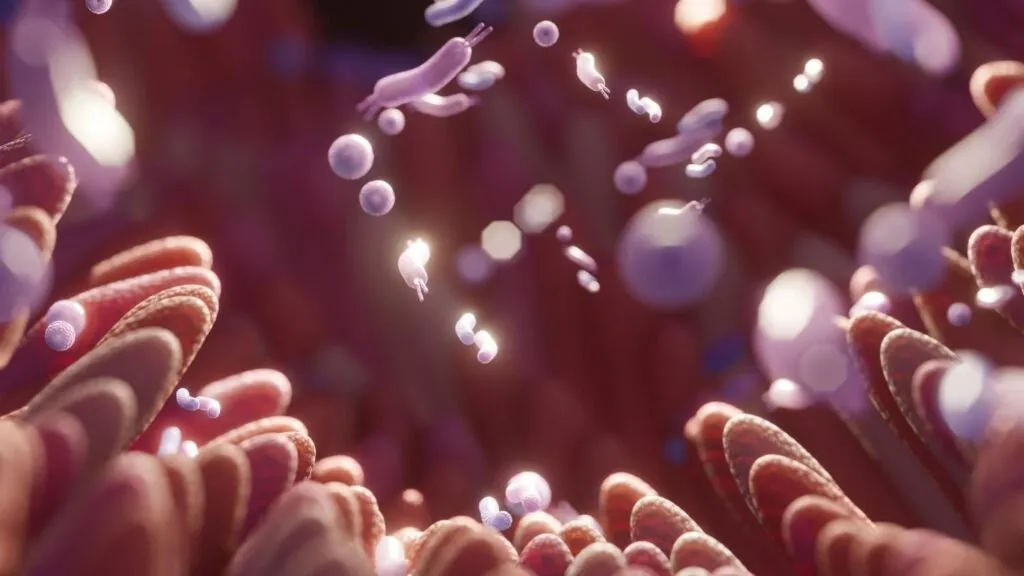
Your skin’s microbiome is like a garden.
When the right plants grow?
Everything thrives.
But weeds—harmful bacteria—spread fast in an unbalanced garden.
That’s what happens in a wound that won’t close.
The Good, The Bad, The Overlooked
Healthy microbes:
✅ Block pathogens.
✅ Calm inflammation.
✅ Teach your immune system to react wisely.
Harmful microbes:
⚠️ Form biofilms that protect them from treatment.
⚠️ Trigger chronic inflammation.
⚠️ Slow new tissue growth.
A woman we treated with a chronic leg ulcer shared:
“I was doing everything—antibiotics, special dressings—but no one mentioned the microbiome. Once we focused on it, the wound finally started to close.”
Ways to support microbiome balance:
- Use moist dressings that help friendly bacteria thrive.
- Avoid harsh soaps and overuse of antiseptics.
- Eat a diet rich in probiotics and prebiotics to boost your natural defenses.
Research in the Journal of Wound Care shows that microbiome-focused strategies can improve healing times by up to 30%.
If you want to learn more, visit our Comprehensive Wound Care Services.
Understanding Wound Infection and Microbiome Disruption
Wound infection is one of the most frustrating complications.
And it often begins with an imbalance you can’t see.
From Healthy Microbiome to Infection
Here’s how it happens:
- Disruption – Antibiotics or injury disturb the balance.
- Overgrowth – Harmful bacteria multiply.
- Biofilm Formation – Sticky layers protect these invaders.
- Chronic Inflammation – Your body stays in defense mode.
- Delayed Healing – The wound lingers, refusing to close.
One retired nurse told us:
“I kept cleaning my wound harder, thinking it would help. But all I was doing was wiping out the good bacteria.”
Signs your microbiome may be out of balance:
- Persistent redness and swelling.
- Foul-smelling discharge.
- Wound stuck in the same stage for weeks.
- Increasing discomfort.
If any of these feel familiar, reach out. Our Wound Infection Management approach combines advanced dressings, gentle cleansing, and evidence-based treatments.
The Power of Gentle Care: How to Support Microbiome Balance
You don’t need fancy products or expensive kits to help your skin microbiome.
Small changes in how you care for your wound can create big shifts.
Here are five simple steps you can start today:
1️⃣ Clean Gently
Use mild, pH-balanced cleansers instead of harsh antiseptics.
This protects healthy bacteria while removing debris.
2️⃣ Avoid Overwashing
Too much cleaning strips away the protective layer.
A moist wound is often a healing wound.
3️⃣ Use Moist Dressings
These dressings maintain an environment where good microbes thrive.
4️⃣ Eat a Diverse Diet
Yogurt, kefir, fiber-rich vegetables—fuel for your internal microbiome.
5️⃣ Partner with Your Care Team
Always check before trying new products.
One patient shared:
“I was afraid to change my routine, but when I did, I finally saw pink, healthy tissue.”
Explore more in our Personalized Wound Care Plans.
Innovative Treatments Targeting the Microbiome
As science evolves, so do your options.
Today, clinicians have more tools than ever to rebalance the skin microbiome.
Here are three treatment approaches making a difference:
- Antimicrobial Dressings: Silver, honey, and iodine-based dressings that fight infection without wiping out all bacteria.
- Biofilm Disruptors: Special solutions that break apart the protective layer of harmful bacteria.
- Probiotic Therapies: Emerging research shows topical probiotics can help restore balance.
A recent research report confirms these therapies improve outcomes in stubborn wounds.
One man with a pressure ulcer told us:
“I used to feel like my wound was a lost cause. Then my care team switched to a dressing that targeted biofilm. Within weeks, everything looked different.”
If you’re wondering which approach is right for you, we’ll create a custom plan.
For more, visit our Innovative Wound Treatment Options.
When you look beneath the surface of any stubborn wound, there’s almost always more going on than meets the eye. The skin microbiome is one of those hidden factors that quietly shapes whether a wound lingers or finally closes. Tiny organisms—some helpful, some harmful—are constantly competing for space. When that balance tips, healing can stall, inflammation can flare, and infections can take hold in ways that feel both confusing and discouraging.
Yet stories from patients show that paying attention to the microbiome isn’t just an abstract idea—it’s often the turning point. A woman with a chronic ulcer finally saw healthy tissue return once her care shifted to gentler cleansing and moist dressings that respected her skin’s natural defenses. Another person who thought their wound was beyond help experienced real improvement with biofilm-targeting treatments.
These experiences remind us that advanced wound care isn’t only about powerful dressings or strong medications. It’s also about creating an environment where the right microbes can flourish and protect, while the wrong ones are kept in check. Simple adjustments—like choosing pH-balanced cleansers, eating probiotic-rich foods, or working closely with a care team—can restore the calm, balanced “neighborhood” your skin needs to rebuild.
Sometimes, it’s not the most aggressive treatment but the most thoughtful one that makes all the difference.
Key Takeaways
✅ The skin microbiome is a vital part of wound healing.
Your skin’s unique community of good bacteria acts as a natural shield against infection. When that balance is disrupted, wounds can linger and become harder to treat. Supporting your microbiome helps create an environment where healthy tissue can grow.
✅ Microbiome imbalance is a hidden reason many wounds stay stuck.
Dysbiosis—an overgrowth of harmful microbes—can lead to biofilms, chronic inflammation, and delayed healing. Recognizing these signs early and addressing them with targeted care can prevent setbacks and frustration.
✅ Simple changes in wound care routines make a big difference.
Gentle cleansing, moist dressings, and avoiding harsh products help protect the beneficial microbes your skin needs. Even small adjustments to your daily habits can support faster, more comfortable healing.
✅ Advanced treatments can help restore microbiome balance.
Today’s options—like antimicrobial dressings, biofilm disruptors, and probiotic therapies—give you and your care team more tools to target infection without harming healthy bacteria. A tailored plan can be the turning point you’ve been hoping for.
✅ You deserve wound care that feels compassionate and collaborative.
Healing isn’t just about procedures—it’s about working together, listening to your story, and respecting your comfort. Our team is here to help you build a plan that brings relief, confidence, and lasting progress.
5 Related Questions Asked and Answered
1️⃣ What is the skin microbiome, and why does it matter in wound healing?
The skin microbiome is a vast, invisible world living right on your skin’s surface. It’s made up of trillions of bacteria, fungi, and other tiny organisms. Think of it as a protective community—like a neighborhood watch for your body.
When your skin is intact and healthy, this microbiome keeps bad bacteria in check. It supports your immune system and helps wounds stay clean. But when your skin breaks—whether from a scrape, ulcer, or surgical incision—that delicate balance can tip.
Here’s why the microbiome matters so much in wound healing:
- Barrier Defense: Healthy bacteria create a natural shield that discourages harmful microbes.
- Inflammation Control: A balanced microbiome reduces excess inflammation, which speeds up recovery.
- Wound Infection Prevention: Disruptions in the microbiome can allow pathogens to invade, leading to infection and delayed healing.
At OWC Center, we believe understanding and supporting your microbiome is just as important as dressings and antibiotics. To learn more about this integrative approach, visit our Comprehensive Wound Care Services.
2️⃣ How does an imbalanced microbiome increase the risk of wound infection?
When the skin’s ecosystem is disrupted, the “bad” bacteria—like Staphylococcus aureus—can multiply quickly. This imbalance is called dysbiosis, and it’s one of the most common reasons chronic wounds stay stuck.
Here’s how it happens:
- Loss of Healthy Bacteria: Antibiotics, harsh cleansers, or chronic illness can wipe out good microbes.
- Overgrowth of Pathogens: Without competition, harmful bacteria take over.
- Increased Biofilm Formation: These bacteria form sticky layers called biofilms, which protect them from treatment.
- Chronic Inflammation: The immune system stays on high alert, which damages tissue instead of repairing it.
A patient once told us, “I kept wondering why my wound never closed. No one explained that my skin needed balance, not just more medication.”
To support microbiome balance:
✅ Clean gently—avoid overuse of antiseptics.
✅ Use advanced dressings that respect microbial diversity.
✅ Work with a wound care specialist to monitor infections.
You can learn more about preventing infection at our Wound Infection Management Page.
3️⃣ What can I do at home to support microbiome balance while my wound heals?
Caring for your microbiome doesn’t have to be complicated. Simple habits can make a big difference:
- Cleanse Gently: Use mild, pH-balanced cleansers instead of harsh soaps.
- Avoid Overwashing: Excess cleaning can strip beneficial bacteria.
- Use Moist Dressings: These create an environment where healthy microbes can thrive.
- Eat a Diverse Diet: Probiotics and prebiotics support your body’s natural defenses.
- Follow Your Care Plan: Always check with your clinician before adding products.
One woman shared, “I was using strong antiseptics every day, thinking it would help. My clinician explained it was actually slowing my healing. Switching to a gentler routine made all the difference.”
When you’re unsure, don’t guess. Our team can create a tailored plan that respects your microbiome and speeds up healing. Visit Personalized Wound Care Plans to learn more.
4️⃣ How does the microbiome change during chronic wound healing?
In a healthy wound, your microbiome evolves naturally through phases:
- Initial Contamination: Normal skin bacteria enter the wound.
- Colonization: Some bacteria settle but don’t cause harm.
- Critical Colonization: Bacteria start slowing healing.
- Infection: Pathogens invade tissue, causing redness, swelling, and pain.
In chronic wounds, the microbiome often gets stuck between colonization and infection. This stage is tricky because:
✅ The wound looks stalled but not always infected.
✅ Biofilms protect bacteria from antibiotics.
✅ Inflammation becomes chronic.
Researchers call this the “wound microbiome fingerprint.” Every wound has a unique mix of bacteria that influences healing.
Your care team may:
- Take wound cultures to identify microbes.
- Use dressings designed to disrupt biofilms.
- Recommend probiotics or nutrition to support immune function.
You can read more about chronic wounds in our Advanced Wound Care Resources.
5️⃣ Are there treatments that specifically target the wound microbiome?
Yes—and they’re becoming more common as science evolves. Some options include:
- Antimicrobial Dressings: Dressings infused with silver, honey, or iodine help control harmful bacteria without wiping out all microbes.
- Biofilm Disruptors: These solutions break down biofilm barriers so treatments can work better.
- Probiotic Therapies: Early studies show topical probiotics may help rebalance the microbiome.
- Enzymatic Debridement: Gently removes dead tissue and biofilms while preserving healthy skin.
- Customized Care Plans: Combining advanced dressings, nutritional support, and careful monitoring.26.
A retired nurse we worked with said, “I’d tried everything for my leg ulcer, but the biofilm just kept coming back. Once we used a dressing that targeted the microbiome, healing finally started.”
At OWC Center, we combine evidence-based therapies and compassionate support to help your wound and microbiome heal together. Explore our Innovative Wound Treatment Options.
