
The Impact of Dehydration on Wound Healing
When Wound Healing Slows, Water Might Be the Missing Piece
You wake up tired. Your mouth is dry. Your wound doesn’t look any better. You drink coffee. You skip water. It’s just another day.
But inside your body? Your cells are begging for hydration. Fibroblasts are trying to rebuild tissue. Blood flow is struggling to deliver oxygen. Healing feels… stuck.
Dehydration doesn’t shout. It whispers.
And wounds listen.
That cut, ulcer, or surgical site needs more than gauze and ointment. It needs moisture. From the inside out.
According to this NIH, hydration plays a direct role in cellular repair and circulation.
Still think it’s just about drinking more water?
Let’s explore how something as simple as sipping water could help heal even the most stubborn wounds.
Hydration Tips for Faster Healing
If you’re dealing with a wound—big or small—hydration matters more than you think. Not just because it’s good for you, but because water is literally part of the healing team.
H2O’s Role in Recovery
Your body uses water to:
- Transport nutrients
- Regulate temperature
- Support immune responses
- Enable cell communication
- Keep tissues moist and pliable
When you’re dehydrated, all of these functions suffer.
And for wounds, that means slower recovery and greater risk of complications.
5 Hydration Tips to Speed Things Up:
- Start your morning with water. Before coffee. Before emails.
- Track your intake. Use apps like Hydro Coach or a simple notepad.
- Add flavor. Citrus, mint, or cucumber makes hydration less boring.
- Snack smart. Choose fruits and soups that contribute to fluid intake.
- Set reminders. A gentle buzz on your phone can work wonders.
Story from the Clinic
At OWC Center, one patient—let’s call him Joe—was dealing with a recurring foot ulcer. Treatment stalled. Bandages weren’t enough. When we added hydration tracking to his care plan? The wound was reduced by half within three weeks. It wasn’t magic. It was water.
Visit our Advanced Wound Care Services
Cellular Repair Needs Hydration
Wound healing is cellular work. And cells? They thrive in well-hydrated environments.
What Happens at the Cellular Level
When you’re hydrated:
- Cells expand, allowing better nutrient absorption
- Waste products flush out faster
- Fibroblasts (which make collagen) work efficiently
When you’re not?
- Cellular energy drops
- Collagen formation weakens
- Inflammatory toxins linger
Real-Life Example
A client with a surgical wound came in after weeks of slow healing. Labs showed no infection. We reviewed her hydration habits—turns out, she was averaging 3 cups of water a day.
Once we ramped up her intake to the recommended 8–10 cups, her progress was almost immediate.
Hydrating Foods and Lifestyle Add-Ons
Hydration isn’t just about what you drink—it’s also what you eat and how you live.
Eat Your Water
Some foods are naturally rich in water and offer bonus nutrients to support recovery.
- Watermelon: 92% water + antioxidants
- Strawberries: Great vitamin C boost
- Cucumber: Skin-friendly silica
- Bell peppers: Hydrating and rich in vitamin A
- Broths and soups: Easy to digest and soothing
Try a recovery smoothie:
- 1 cup watermelon
- 1/2 cucumber
- A handful of spinach
- 1 tbsp chia seeds
- A squeeze of lemon
Blend and sip. Your skin will thank you.
Lifestyle Enhancers
- Use a humidifier in dry environments
- Limit caffeine and alcohol (they dehydrate)
- Keep a refillable bottle nearby all day
- Consider electrolyte powders after exercise or illness
Signs Dehydration Is Delaying Your Healing
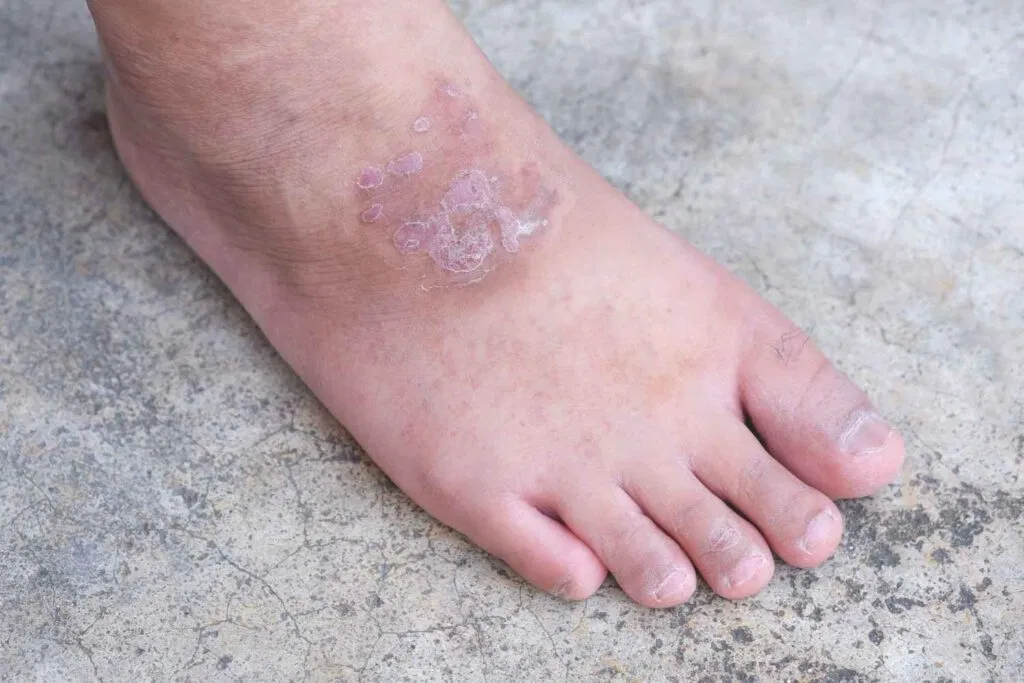
Sometimes, the signs are right there—we just don’t know what to look for.
5 Red Flags That Hydration is Off
- Dry or cracking skin around your wound
- Scabs that flake easily or take too long to form
- Sticky or absent drainage
- Unusual fatigue or brain fog
- No visible progress even after weeks of care
These aren’t just annoyances. They’re indicators that your wound care plan might need a hydration check-in.
Our team at OWC Center regularly assesses these during comprehensive wound evaluations. When patients are guided toward better hydration practices, outcomes tend to improve—faster closure, fewer infections, and more resilient skin.
Wound healing isn’t just about dressings, medications, or even time—it’s about giving your body what it needs to do its job well. And one of the simplest, most overlooked tools in the healing toolkit is water. When you’re well-hydrated, every layer of recovery becomes more efficient: oxygen gets delivered, collagen forms correctly, and immune cells work at full capacity. But when you’re not? Even a small cut can take much longer to heal.
This is especially true for those managing chronic wounds or recovering from surgery. By paying closer attention to hydration—through water, hydrating foods, or even tracking habits—patients can actively support the healing process. And at OWC Center, we’ve seen firsthand how small changes, like sipping water throughout the day or adding hydrating fruits to a snack routine, can make a measurable difference in recovery timelines.
Whether you’re managing a foot ulcer, surgical incision, or slow-healing abrasion, hydration isn’t just a bonus—it’s a foundational part of care. Simple, empowering steps can spark major results. So next time you’re looking at your healing plan, don’t overlook your water bottle. Your skin, your cells, and your healing journey depend on it.
Key Takeaways
1. Hydration fuels every stage of wound healing.
From circulating oxygen to supporting immune cells, staying hydrated is one of the easiest ways to accelerate recovery. Even mild dehydration can delay progress. At OWCCenter, we ensure hydration is part of every personalized wound care plan.
- Dehydration may show up in your wound before you feel it.
Delayed scabs, sticky drainage, and dry skin around the wound are subtle red flags. If you’re noticing these signs, your hydration levels might need attention. Ask about hydration checks during your comprehensive wound evaluation. - Hydration is more than just drinking water.
Hydrating foods, smart lifestyle habits, and even using a humidifier can help keep your skin healing-ready. Our team can help guide you with practical recovery and self-care strategies tailored to your lifestyle. - Simple hydration tips can lead to faster recovery.
Patients who add hydration tracking, infuse their water with citrus, and snack on water-rich foods often see quicker wound closure and reduced inflammation. Learn more about these supportive approaches during your follow-up wound care visit. - Hydrated cells are stronger, smarter healers.
Water powers your body’s internal repair crew—from fibroblasts to collagen production. For wounds to fully heal, your cells need hydration to perform. Visit our Advanced Wound Healing services to create a care plan that puts hydration front and center.
🔍 5 Related Questions Answered
1. Why does dehydration slow down wound healing?
When your body is dehydrated, it’s like trying to repair a house without any tools. Healing becomes inefficient, delayed, and prone to complications. Wounds rely heavily on water for:
- Circulation: Blood carries oxygen and nutrients to your wound. Without enough water, blood flow slows down, reducing these essentials.
- Cellular repair: Dehydration reduces the efficiency of fibroblasts (cells that rebuild tissue) and immune cells needed for cleaning the wound.
- Tissue strength: Collagen, the protein that gives your skin structure, can’t form properly without adequate hydration.
Studies show even mild dehydration can impair wound tensile strength and delay scab formation. In our wound care practice at OWC Center, we often see improved healing times in patients who maintain consistent hydration alongside clinical treatments.
Key takeaway: If your body doesn’t have enough fluid, it will prioritize vital organs over skin repair—leaving your wounds to heal slowly or not at all.
2. What are the signs that dehydration is affecting my wound?
Dehydration often creeps in quietly—but your wound might be sounding the alarm before you realize it. Some signs to look for:
- Dry, cracked skin around the wound
- Delayed scab formation or scab that flakes easily
- Increased redness or irritation
- Lack of drainage or overly sticky drainage
- Fatigue, dizziness, or dry mouth (systemic signs)
At OWC Center, our team frequently checks for these clues during each wound assessment. If you’re experiencing these symptoms, your hydration levels might be holding back your progress.
We recommend tracking your daily water intake and observing how your skin and energy respond. If you’re unsure where to start, ask your provider during your next follow-up wound care visit to evaluate hydration as part of your healing plan.
3. How much water should I drink daily to support wound healing?
There’s no one-size-fits-all answer—but general guidance can be life-changing for wound recovery.
Most adults should aim for:
- 8–10 cups (2–2.5 liters) of water per day as a baseline
- Additional fluids if you’re in a hot climate, have a fever, or are on diuretics
- Hydrating foods (like watermelon, cucumbers, and broth-based soups)
When wounds are present, especially chronic ones, your body may need more than usual. That’s because:
- You lose fluids through drainage and inflammation
- Your cells are working overtime to repair tissue
- Nutrients and oxygen need water to circulate efficiently
We often coach our patients at OWC Center to set hydration reminders and track progress using apps or journals. Pair this with your wound care routine for a full-spectrum healing strategy.
For personalized hydration plans, especially if you have kidney conditions or are on fluid restrictions, always consult your provider.
4. Are there hydration tips that can help speed up recovery?
Absolutely. Staying hydrated isn’t just about chugging water. It’s about integrating smart, sustainable habits into your daily routine. Here are some hydration tips we share with our patients:
- Start your day with a glass of water before coffee or tea
- Infuse water with citrus or herbs for a flavor boost (and added antioxidants!)
- Use hydration tracking apps like WaterLlama or Hydro Coach
- Snack on hydrating foods: cucumbers, oranges, strawberries, and soups
- Set a timer every hour as a hydration reminder
And don’t forget: hydration goes beyond drinking. If you have dry indoor air or live in a hot area, consider using a humidifier to keep your skin from drying out.
Patients who follow these tips not only report feeling better—but their wound measurements often reflect more rapid improvements week over week. Healing starts from the inside out, and water is your internal healer.
5. Can proper hydration really impact cellular repair?
Yes—hydration is like fuel for your body’s repair crew. Every cell involved in wound healing depends on water to do its job efficiently. Here’s how hydration supports cellular repair:
- Delivers oxygen and nutrients to cells via improved circulation
- Flushes out toxins and inflammatory waste
- Energizes immune cells that fight infection
- Boosts fibroblast and collagen production, critical for forming new tissue
At the cellular level, hydration helps maintain electrolyte balance, cell membrane integrity, and enzyme activity—all of which are crucial in rebuilding damaged skin.
In our clinical setting, we’ve observed patients with optimized hydration habits experiencing:
- Shorter healing times
- Reduced infection risk
- Stronger, more resilient skin post-recovery
That’s why hydration is not just a wellness tip—it’s a cornerstone of wound care. For more advanced recovery guidance, visit our Comprehensive Wound Services.
