
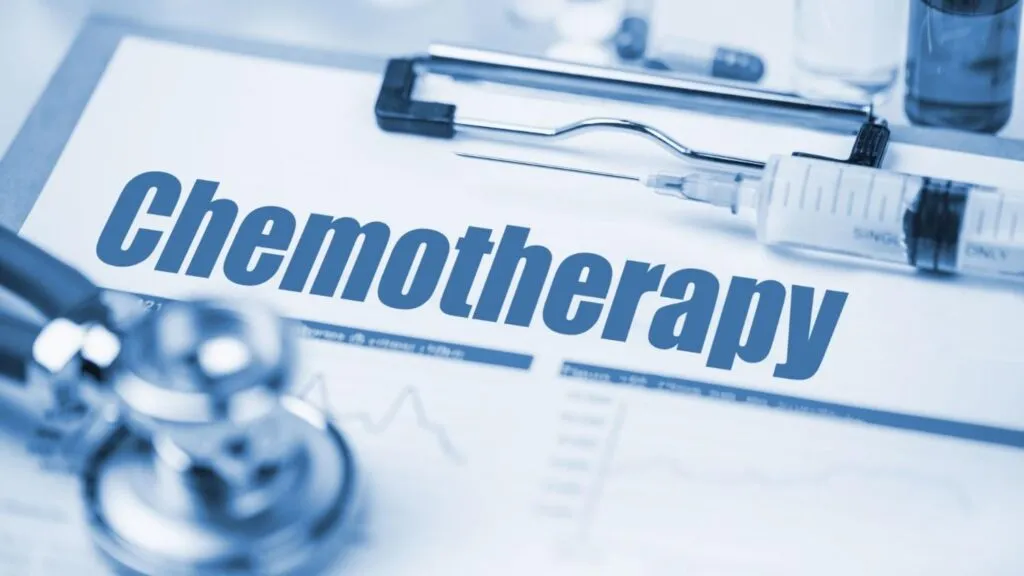
The Impact of Cancer Treatments on Wound Healing
When Healing Feels Like a Battle: Cancer and Wounds
It starts quietly.
You notice a scrape that won’t close.
A surgical incision that looks raw weeks later.
A tender spot on your heel that just doesn’t improve.
Cancer. Treatments. So much to handle already.
Then this—slow healing.
Maybe no one warned you.
That radiation therapy could thin your skin.
That chemotherapy could lower your white blood cells.
That your body would struggle to stitch itself back together.
But it’s not your fault.
This isn’t about neglect.
It’s what these treatments do—powerful weapons against cancer that sometimes injure healthy tissue too.
Imagine a garden.
You’re fighting weeds with strong chemicals.
But the soil gets tired.
The flowers wilt.
You want them to grow again.
They can.
But they need care, time, and the right nutrients.
At Optimum Wound Care (OWC), we see this every day.
Patients feeling worried.
Frustrated.
Unsure.
A woman with breast cancer came to us, her radiation burns refusing to close.
She said, “I thought it was just me.”
It wasn’t.
You’re not alone either.
According to the National Cancer Institute, skin and wound issues are common side effects.
And Mayo Clinic explains how radiation changes the skin for months or even years.
These wounds don’t have to define you.
With the right help, healing is possible.
Radiation Therapy and Your Skin
Radiation therapy is often necessary to fight cancer effectively. But while it can destroy cancer cells, it also affects your healthy skin and deeper tissues. Over time, these changes can lead to wounds that heal very slowly—or sometimes not at all without specialized care.
Why Radiation Causes Problems
- Reduced Blood Flow:
Radiation damages tiny blood vessels, making it harder for oxygen and nutrients to reach the skin. - Thinning Skin:
Treated areas become fragile, dry, and more likely to split open. - Fibrosis:
Radiation can create stiff, thickened tissue that resists normal healing.
A Patient Story
James, a patient recovering from throat cancer, shared how a simple nick from his razor turned into an open sore that lingered for months. He said, “I felt embarrassed. Like I couldn’t take care of myself.” But the reality was that radiation had weakened his skin. Once he started advanced wound care, his wound finally began to close.
Steps to Help Your Skin Heal
- Keep the area clean and moisturized with products recommended by your provider.
- Avoid tight clothing that rubs or irritates your skin.
- Use gentle soap—no harsh scrubbing.
- Watch for redness, swelling, or unusual drainage.
- See a wound care specialist early if things aren’t improving.
Radiation doesn’t mean you have to accept chronic wounds. With a dedicated plan, your skin can recover.
Chemotherapy and Slow Healing
Chemotherapy is designed to attack fast-dividing cells. That’s how it shrinks tumors. But your body relies on fast-dividing cells to repair wounds too—so side effects often show up where you least expect them.
How Chemotherapy Slows Recovery
- White Blood Cells Drop:
Fewer infection-fighting cells means any wound is at higher risk for infection. - Platelets Decline:
Slower clotting makes small cuts bleed longer. - Skin Cells Struggle:
The lining of your skin regenerates more slowly, leaving fragile areas exposed.
Common Signs of Slow Healing
- A cut or scrape that hasn’t closed after 10–14 days.
- Persistent redness or swelling.
- New drainage or odor from the wound.
- Increased tenderness or heat.
What You Can Do
- Nutrition:
Eat protein-rich foods and vitamins that rebuild tissue. - Gentle Care:
Use non-stick dressings and avoid adhesive tape directly on fragile skin. - Rest:
Healing takes energy—listen to your body. - Stay Connected:
If you’re unsure, call your wound care team or oncologist right away.
Helpful Resource:
The American Cancer Society has a helpful guide about skin problems during cancer treatment.
Why Slow Healing Happens—and How to Help
You might be wondering why wounds can stay open so long. It’s not just one thing—it’s many factors combined:
Understanding the Layers of Healing
- Inflammation:
This normal first phase is prolonged when the immune system is suppressed. - Tissue Formation:
New skin and blood vessels grow more slowly under chemotherapy or radiation. - Remodeling:
The final stage—strengthening skin—can take months longer when treatments continue.
5 Practical Tips for Support
- Keep wounds clean with mild soap and warm water.
- Moisturize carefully—dry skin cracks more easily.
- Eat well, focusing on calories and protein.
- Rest—your body needs downtime to repair.
- Ask for help—don’t wait to see a specialist.
Sometimes, adding treatments like advanced dressings, moisture barriers, or negative pressure therapy can make all the difference. Our Chronic Wound Management services are designed exactly for this.
Home Care for Fragile Skin
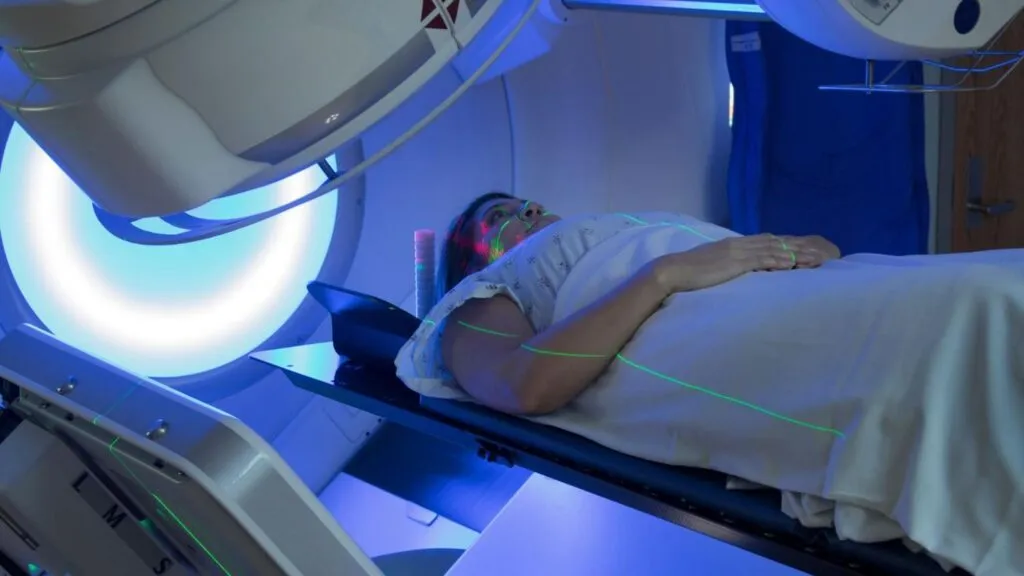
Caring for wounds at home when you’re already coping with cancer can feel overwhelming. But small, consistent steps make a big impact.
Daily Care Routines
- Clean gently.
Pat skin dry never rub. - Moisturize as advised.
Some lotions are better than others; ask your team. - Dress wounds properly.
Use non-stick pads and soft wraps. - Watch for signs of infection.
Fever, redness, foul odor get help early.
When to Call for Help
Reach out if you notice:
- Wounds getting bigger instead of smaller.
- Increased drainage or bleeding.
- Pain that doesn’t improve.
- Skin that feels hot to the touch.
Our team at OWC Center is always here to answer questions, whether you need reassurance or more hands-on care. You don’t have to figure it out alone.
If you or someone you love is facing wounds that seem to linger, take heart. Healing is still possible—even in the middle of cancer treatment. All it takes is the right plan, a little patience, and a care team you can trust.
Explore Our Wound Care Services or Schedule Your Consultation Today.
Even when cancer demands everything from you—your time, your strength, your patience—your body still holds the ability to heal. Treatments like radiation therapy and chemotherapy may slow the process, leaving skin thinner, more delicate, and easily injured. But that doesn’t mean your wounds are beyond help.
Every small step matters. A clean dressing, a protein-rich meal, a moment of rest—all of it adds up to give your skin the chance to rebuild. It’s not about doing everything perfectly. It’s about staying connected to care, asking questions, and giving yourself grace along the way.
Stories of slow healing can feel isolating, but they’re more common than many realize. They don’t mean you’re doing something wrong. They mean your body is fighting hard on many fronts, and sometimes it needs extra support. That’s why compassionate wound care exists—to offer guidance that feels as reassuring as it is effective.
No matter how long a wound has lingered, there are ways to protect fragile skin, prevent infection, and encourage healthy closure. With the right plan and a team committed to walking alongside you, healing is still within reach. It often starts with a simple promise: you don’t have to do this alone.
Key Takeaways
🔹 Cancer Treatments Can Slow Healing—but Help Is Available
Radiation therapy and chemotherapy often damage healthy skin cells while fighting cancer, leading to wounds that heal slowly or reopen easily. Specialized wound care can protect fragile skin and support recovery, so you don’t have to feel discouraged if healing takes longer than expected.
🔹 Radiation Weakens Blood Flow and Skin Strength
Radiation can shrink blood vessels, dry the skin, and cause stiffness that resists normal healing. If you notice a wound lingering or worsening after radiation, an assessment with our compassionate team can help identify the best ways to restore skin health.
🔹 Chemotherapy Impacts Immunity and Repair
Low white blood cells and platelets make it harder for wounds to close and stay infection-free. With professional guidance, even chemotherapy-related wounds can be managed safely and effectively to protect your health and comfort.
🔹 Home Care Makes a Difference Every Day
Small steps—like gentle cleaning, proper dressings, and good nutrition—play a big role in supporting healing. Our team can teach you how to care for wounds at home in ways that feel doable, reassuring, and safe.
🔹 You’re Not Alone in Your Recovery Journey
Facing cancer is hard enough without worrying about wounds that won’t heal. At OWC Center, you’ll find compassionate experts who understand what you’re going through and will stand by you every step of the way. Healing happens best when you feel supported.
Related Questions Asked and Answered
1️⃣ How do cancer treatments affect wound healing?
Cancer therapies are powerful—because they need to be. They target fast-growing cancer cells, but unfortunately, they can also affect healthy cells involved in healing. Here’s how:
- Radiation Therapy:
- Can damage small blood vessels near the treatment area, reducing oxygen and nutrient delivery.
- Causes skin thinning and dryness, making it more prone to breakdown.
- Chemotherapy:
- Lowers white blood cell counts, slowing infection control.
- Disrupts new cell growth needed for wound closure.
If you’ve noticed a small cut taking longer to heal or a surgical site staying open, this is why. Healing is still possible—it just takes more time, patience, and often specialized care.
At OWC Center, our Advanced Wound Care services include treatments that support fragile skin and promote healthy recovery even during cancer therapy.
2️⃣ Why does radiation therapy cause wounds that don’t heal well?
Radiation is often essential for controlling cancer, but it can leave a lasting imprint on your skin and underlying tissues:
- Blood Supply: Radiation damages capillaries, reducing circulation and oxygen.
- Skin Changes: Treated skin may become tight, shiny, or easily injured.
- Inflammation: Radiation creates chronic inflammation that interferes with repair.
Imagine trying to grow a garden in dry, depleted soil. That’s what your skin goes through after repeated radiation. Even a minor scratch can take weeks or months to mend.
If you’re concerned, don’t wait—reach out to our team for a Wound Assessment. We’ll look carefully at the affected area and build a plan to support healing while you continue treatment.
3️⃣ How does chemotherapy contribute to slow healing?
Chemotherapy works by attacking rapidly dividing cells. Cancer cells fit that description—but so do the healthy cells your body relies on to:
- Grow new skin
- Build collagen
- Create immune defenses
This is why many patients notice:
- Slow Healing: Even small cuts or surgical wounds linger.
- Infection Risks: Fewer white blood cells mean less protection.
- Bruising and Bleeding: Platelet counts often drop during chemotherapy, delaying clotting.
The good news is, with the right support, your body can still heal. At OWC Center, our Chronic Wound Management program helps reduce complications and strengthen your recovery.
4️⃣ What can I do at home to care for wounds during cancer treatment?
Home care plays a big part in keeping wounds stable and preventing infection:
- Keep It Clean: Wash hands before touching dressings.
- Moisture Matters: Use doctor-approved ointments to protect fragile skin.
- Nutrition Counts: Eat protein-rich foods to support cell repair.
- Watch for Warning Signs: Call your care team if you notice redness, drainage, or fever.
- Stay Positive: Healing may take longer, but progress is possible.
Our multidisciplinary team can show you step-by-step how to care for wounds safely at home. If you’re feeling unsure, contact us anytime—we’re here to help.
5️⃣ When should I seek specialized wound care help?
It’s time to call for help if:
- A wound hasn’t improved after two weeks
- You notice signs of infection (heat, swelling, redness)
- The area is increasingly painful
- Bleeding or drainage continues
- You feel overwhelmed managing wound care alone
Cancer treatment is already a lot to carry. You deserve support that feels approachable and comforting, not stressful.
At OWC Center, we’re dedicated to providing care that blends advanced science with genuine compassion. We know every healing journey is unique, and we’ll meet you where you are.
If you or a loved one is coping with wounds during cancer treatment, you don’t have to face it alone. Our caring team is ready to help you feel safe, supported, and hopeful every step of the way.
💙 Explore Our Wound Care Services or Schedule Your Consultation Today.
