

The Connection Between Gut Health and Wound Healing
Gut Health and Wounds: Why Your Belly Might Be Holding Back Healing
Chronic wounds. They linger. They frustrate. You try ointments, bandages, creams. Still, they refuse to budge.
Here’s something you may not have considered: your gut. Yes—your belly. The place you digest breakfast could be why that wound won’t heal.
Strange? Maybe. But your digestive tract is more powerful than it seems.
Inside your gut lives a microbiome. A teeming community of bacteria. Billions of them. Some help you. Some don’t. When this balance tips the wrong way, your body pays the price.
Leaky gut. That’s one culprit. When your gut lining weakens, tiny holes open up. Toxins, bacteria, bits of undigested food leak out. They drift into your bloodstream. Suddenly, your immune system flares. Systemic inflammation takes over. Wounds swell. Healing stalls.
Your body doesn’t have endless energy. When it’s busy fighting inflammation, it struggles to rebuild healthy skin. And the nutrients you eat? They don’t always get absorbed properly.
One study from Harvard found that the microbiome helps regulate immune cells that repair tissue. Think about that. Tiny organisms inside you can quietly sabotage recovery.
This isn’t about blame. It’s about knowledge. Because when you understand what’s happening, you can do something about it.
Keep reading. You’ll learn how your gut and wounds connect—and what steps you can take to help your body heal.
How the Microbiome Shapes Your Healing Journey
Microbiome Balance and Wound Recovery
Let’s get personal.
Maybe you’ve noticed bloating or bathroom troubles. Or you’ve been feeling run-down, even before your wound appeared. These are clues. They hint at microbiome imbalance.
When your gut bacteria are balanced, they produce short-chain fatty acids. These compounds protect your gut lining and cool inflammation. But when harmful bacteria crowd out the good ones, inflammation runs wild.
Here’s how your microbiome affects wounds:
- Regulating Immunity: Healthy bacteria help immune cells recognize what to attack—and what to leave alone.
- Producing Nutrients: Gut microbes generate B vitamins and vitamin K, which support tissue repair.
- Controlling Inflammation: Balanced microbes create anti-inflammatory chemicals that calm swelling.
If your gut is out of sync, your wound is likely to stay open longer.
This connection is why some clinics now incorporate gut health assessments into wound care plans. For example, if you’ve been dealing with a diabetic foot ulcer, your team may recommend a stool analysis to look for signs of dysbiosis.
When your gut is calm, your body can focus on rebuilding.
👉 Related reading: Comprehensive Wound Assessment
Systemic Inflammation and Stubborn Wounds
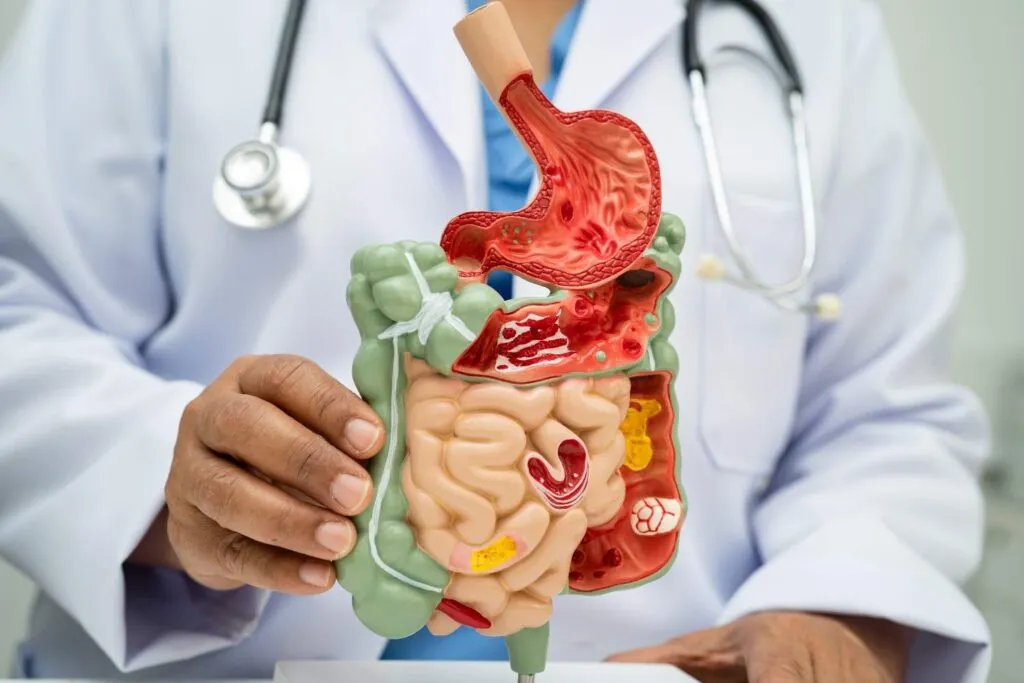
Systemic inflammation is sneaky. You might not feel it. No fever, no obvious swelling. But under the surface, your immune system stays on high alert.
When you have chronic gut issues—like IBS, Crohn’s, or leaky gut—your body constantly releases inflammatory molecules. These molecules circulate through your bloodstream, reaching every corner, including your wound.
3 common signs systemic inflammation is affecting your healing:
- Wounds that look red or swollen for weeks
- New sores appearing without clear cause
- Fatigue that won’t improve with rest
Why does this happen?
Your immune system uses inflammation as a defense. But when that response never shuts off, it damages healthy tissue too. Collagen (the protein that stitches skin together) breaks down faster. Blood vessels get clogged, slowing nutrient delivery.
Research from Johns Hopkins shows chronic inflammation can age the body’s healing systems. Over time, this makes wounds stubborn and increases the risk of infection.
If you suspect inflammation is part of your story, talk to your provider. Testing markers like C-reactive protein (CRP) or interleukin levels can help confirm it.
👉 Learn more about Nutrition Support
Nutrient Absorption and Healing Fuel
Imagine trying to build a house without bricks. That’s what your body goes through when it can’t absorb nutrients properly.
A healthy gut breaks food down into vitamins, minerals, amino acids—everything you need to regenerate skin. But when your gut is inflamed or leaky, nutrients slip through without being absorbed.
Key nutrients your gut must absorb for wound healing:
- Protein: Builds new skin and tissue.
- Vitamin C: Helps produce collagen.
- Zinc: Speeds up healing and fights infection.
- Vitamin A: Supports cell growth.
- Iron: Carries oxygen to regenerating tissue.
If your wounds aren’t closing and you’re feeling tired or weak, malabsorption might be the problem.
Consider asking for a nutrition panel. Low albumin or vitamin deficiencies often show up in chronic wound patients.
Simple steps to improve absorption:
- Eat a variety of colorful fruits and vegetables.
- Include fermented foods like kefir or sauerkraut.
- Avoid processed foods high in sugar.
- Take probiotics if your provider recommends them.
👉 Explore more on Advanced Wound Healing Services
Supporting Gut Health for Better Healing
Good news: you don’t have to overhaul your entire life overnight. Small daily actions create a big ripple effect.
Here are five practical strategies:
- Eat More Fiber: Fiber feeds the good bacteria. Try oats, apples, beans.
- Stay Hydrated: Water keeps digestion moving smoothly.
- Reduce Stress: Mindfulness and breathing exercises lower inflammation.
- Limit Processed Foods: Highly processed snacks fuel harmful bacteria.
- Consider Supplements: Talk to your provider about probiotics or digestive enzymes.
Real-Life Story:
Take Ben, a patient who struggled with a diabetic foot ulcer for 9 months. Traditional treatments helped, but progress was slow. His care team suggested a gut health assessment. Tests showed severe dysbiosis and low vitamin C absorption. After three months of dietary changes and probiotics, his wound finally closed.
This isn’t magic. It’s biology.
Three things you can do right now:
- Keep a food diary for two weeks.
- Discuss digestive symptoms with your care team.
- Ask if a gut health assessment is right for you.
When you look closer, it’s clear: your gut is more than a digestion machine—it’s a silent partner in every step of healing.
Even if you’ve never thought much about your microbiome, it’s been working behind the scenes all along. Those trillions of bacteria help shape your immune response, regulate inflammation, and make sure the nutrients you eat actually reach your skin and tissues. When that balance tips—because of stress, poor diet, or chronic conditions like IBS—your body ends up fighting battles on too many fronts at once.
And that’s when wounds start to linger.
Tiny leaks in your gut lining can send inflammatory signals throughout your body, keeping your immune system revved up when it should be gently rebuilding. All the ointments in the world can’t outdo a system stuck in overdrive. But the good news is, you have options.
Simple daily choices—like adding more fiber, sipping water regularly, or swapping processed snacks for probiotic-rich foods—can tip the scales back in your favor. Talking with your care team about digestive symptoms isn’t an admission of failure; it’s a smart step toward giving your body the best chance to heal.
You deserve a plan that cares for all of you, not just the surface wound. Because sometimes, real healing begins in places you can’t see—but you can always nourish.
Key Takeaways
Gut Health Shapes Your Healing
Your digestive tract isn’t just about processing food—it’s an active player in recovery. A healthy gut microbiome helps regulate inflammation, supports your immune system, and makes sure nutrients get where they’re needed. If you’re managing a chronic wound, consider exploring your digestive health, too.
Systemic Inflammation Slows Wound Repair
When harmful bacteria leak from your gut, they create widespread inflammation. This can quietly damage healthy tissue and make wounds stubborn. The good news? With the right support, you can calm inflammation and help your body rebuild.
Nutrition Is the Building Block of Healing
If your gut can’t absorb vitamins and minerals properly, your skin doesn’t get the raw materials it needs. Supporting gut health through a balanced diet rich in fiber, probiotics, and colorful produce can make a real difference in how fast wounds close.
Small Daily Habits Matter
You don’t have to change everything overnight. Simple habits—like drinking water, reducing processed foods, and managing stress—help create a gut environment that supports recovery. These steady changes build resilience over time.
It’s Always Okay to Ask for Help
Digestive health may feel unrelated to wound care, but it’s all connected. If you have questions or symptoms, bring them up. At OWC Center, we believe in treating the whole person—mind, body, and spirit—so you feel confident and cared for every step of the way.
👉 Schedule Your Comprehensive Wound Assessment
5 Related Questions Asked and Answered
1️⃣ How does gut health actually affect wound healing?
When you think of wound healing, your gut probably isn’t the first thing that comes to mind. But research shows your digestive tract plays a surprisingly big role in how well your body repairs itself.
Here’s why:
- The Gut Microbiome: Your gut is home to trillions of bacteria. This ecosystem, called your microbiome, helps regulate your immune system.
- Systemic Inflammation: If your gut lining becomes “leaky” (a condition sometimes called increased intestinal permeability), it can allow toxins and bacteria to escape into your bloodstream. This creates chronic, low-grade inflammation that slows tissue repair.
- Nutrient Absorption: A healthy gut is essential for absorbing vitamins and minerals like zinc, vitamin C, and protein, all of which are needed to rebuild skin and fight infection.
At OWC Center, we often see patients with chronic wounds who also have digestive issues. Supporting gut health through diet, probiotics, and sometimes medication can be a game-changer for recovery.
2️⃣ What is the gut microbiome, and why is it so important for healing wounds?
Your gut microbiome is a collection of bacteria, fungi, and other microbes that live mostly in your intestines. These organisms aren’t just passive passengers—they actively support (or harm) your health depending on their balance.
Key ways the microbiome supports wound healing:
- Regulates Inflammation: A balanced microbiome produces anti-inflammatory compounds that help calm swelling and redness around wounds.
- Supports Immunity: Healthy bacteria train your immune system to respond appropriately, lowering the chance of infection.
- Helps Build New Tissue: Certain gut microbes produce nutrients like short-chain fatty acids that feed your gut lining and indirectly support skin repair.
If your microbiome is out of balance (a state called dysbiosis), it can lead to systemic inflammation, making wounds stubborn and slow to close. Simple changes, like eating more fiber-rich foods and taking probiotics, can often improve this balance over time.
3️⃣ Can poor gut health really cause wounds to heal more slowly?
Absolutely. Many people don’t realize that digestive health problems can quietly sabotage their recovery.
Here’s what happens:
- A “leaky gut” leaks toxins into your bloodstream, triggering inflammation everywhere—including around your wound.
- Chronic inflammation disrupts the signals that tell your body to build new tissue.
- Your body uses more energy fighting inflammation, leaving less capacity for repair.
Signs your gut health may be affecting healing:
- Bloating, gas, or irregular bowel movements
- Skin rashes or unexplained fatigue
- Recurring infections or slow-healing wounds
If this sounds familiar, talk to your wound care team. At OWC Center, we often work collaboratively with nutrition specialists to help patients improve gut health alongside advanced wound treatments.
4️⃣ What can I do to improve my gut health to help my wounds heal?
Supporting your gut doesn’t have to be complicated. Small, daily habits can make a big difference.
Simple steps you can start today:
- Eat more plants: Fiber feeds the good bacteria in your gut. Aim for a variety of colourful fruits and vegetables.
- Stay hydrated: Water helps your digestive system work smoothly.
- Consider probiotics: Talk to your care team about adding probiotic-rich foods (like yogurt or kefir) or supplements.
- Reduce processed foods: High-sugar, high-fat diets fuel harmful bacteria and increase inflammation.
- Manage stress: Chronic stress can disrupt your gut lining and slow healing.
At OWC Center, we’re here to guide you. If you’re unsure where to start, our team can help you build a gut-friendly plan that fits your life.
5️⃣ Should I talk to my wound care provider about my gut health?
Yes—don’t be shy about mentioning digestive issues, even if they seem unrelated. Wound healing is a whole-body process, and your care team wants to understand the full picture.
Why it matters:
- You may need additional tests (like nutrient panels or gut health assessments).
- Your wound care plan might include dietary changes, supplements, or referrals to a gastroenterologist.
- Addressing gut health can improve not just your wound, but your overall energy, mood, and immunity.
Remember: there’s no shame in asking questions. At OWC Center, we believe in treating the whole person, not just the wound. Together, we can create a plan that helps you heal inside and out.
👉 Schedule your Comprehensive Wound Assessment
