
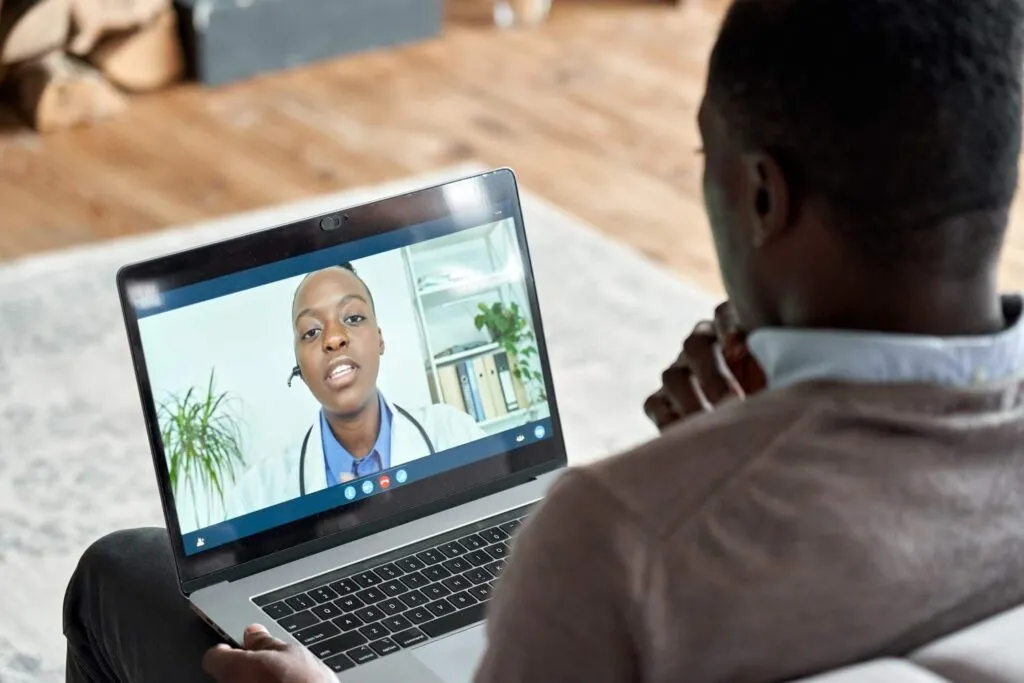
Telehealth in Wound Care: Post‑Covid Evolution
The Rise of Telehealth Wound Care: A New Normal After Covid
It started out slow.
A phone call here.
A quick photo there.
A bit of confusion in the beginning.
You might remember those first days of lockdown.
No one really knew what came next.
Some clinics shut their doors.
Patients were afraid to leave home.
Hospitals were overwhelmed.
And in the middle of it all—wounds didn’t stop.
They didn’t wait for a pandemic to end.
They just…kept going.
A diabetic foot ulcer that needed cleaning.
A pressure sore on a grandmother’s hip.
A surgical incision that refused to close.
People needed care.
But the old ways weren’t safe anymore.
So telehealth stepped in.
Telehealth wound care became more than an experiment.
It became a lifeline.
Clinicians began guiding dressing changes through video calls.
Families learned how to take clear photos.
Patients started to trust the screen between them and their nurses.
Studies, like this research from the NIH, showed telehealth could reduce delays in treatment.
And reports from The Agency for Healthcare Research and Quality confirmed remote care improves follow-up.
It was clunky at first.
Sometimes the connection failed.
Sometimes patients felt shy showing their wounds on camera.
But people adapted.
Clinicians adapted too.
Over time, something beautiful happened.
Patients discovered they could heal at home.
Clinicians found that remote monitoring kept wounds from worsening.
Everyone realized telehealth wasn’t just a temporary fix.
It was a bridge to better care.
Virtual Wound Consults: Bringing Expertise Home
In those uncertain early months, some patients wondered, Can a video call really replace an in-person visit?
It’s a fair question.
There’s something deeply reassuring about a clinician’s gentle hands.
The warm smile when they say, You’re healing nicely.
But virtual wound consults proved they could bring expertise right into a patient’s living room.
They made care more personal, not less.
Imagine this:
You wake up and notice your dressing is soaked.
Before telehealth, you might have panicked.
You’d wait on hold.
You’d wonder if you should drive to the ER.
With virtual consults, you pick up your phone.
You schedule a same-day video visit.
A nurse logs on, studies the wound through your camera, and guides you step by step:
- “Let’s remove that dressing carefully.”
- “Hold your phone closer so I can see the edges.”
- “Good—now check for redness or odor.”
These consults aren’t a substitute for everything.
Some wounds still need in-person evaluation.
But many patients discovered a newfound confidence.
They felt empowered to take part in their own care.
A retired teacher named Mary once told our team:
“I thought telehealth would be cold. But you made me feel like you were right here beside me.”
That trust is what transforms care.
Remote Healing: A Safer, Smarter Way to Recover

Remote Healing for Safer Care and Peace of Mind
For patients who are immunocompromised or have mobility challenges, remote healing offers protection and independence.
During the height of Covid, this wasn’t just convenient—it was essential.
Today, it still provides benefits:
- Reduced Infection Risk: Staying home means fewer exposures to viruses and bacteria.
- Consistency: Regular video check-ins help clinicians catch small problems before they escalate.
- Clarity: Seeing progress photos week by week reassures patients their wounds are improving.
One woman in her 80s, living alone, used to dread clinic visits.
It exhausted her to arrange transportation and sit in waiting rooms.
When she switched to remote healing, she told us,
“It feels like you’re checking on me every day. I’m not alone anymore.”
That’s the heart of telehealth:
Connection.
Support.
Resilience.
For patients who worry they’ll be forgotten, remote healing proves they matter.
Every photo, every call, every message is a promise: We’re here for you.
Virtual Wound Consults: What You Can Expect
Virtual Wound Consults and How They Work
Curious about what happens during a virtual wound consult?
Let’s walk through it together.
Step 1: Scheduling Your Appointment
You can call or book online.
Our staff will help you pick a time that works.
Step 2: Preparing Your Space
- Find good lighting, preferably near a window.
- Gather supplies: clean dressings, gloves, tape.
- Have a charged phone, tablet, or laptop.
Step 3: Joining the Video Call
When the appointment starts, your clinician will greet you warmly.
You’ll talk about how you’re feeling.
They might ask you to:
- Show the wound from different angles.
- Describe pain or swelling.
- Take photos to upload later.
Step 4: Creating a Care Plan
After assessing the wound, your clinician will recommend next steps.
They may adjust dressings or suggest you come in for an in-person check.
Every detail is documented in your record.
Step 5: Follow-Up and Support
Virtual care doesn’t end with one call.
You’ll have regular check-ins to track healing.
If you need urgent help, you can message or call anytime.
At OWC Center, we believe technology should feel human, not intimidating.
That’s why every consultation is designed to be simple and comforting.
Remote Healing: Benefits You Can Count On
How Remote Healing Makes Recovery Easier
Patients often ask, Is it really as good as coming in person?
The answer: In many cases, yes.
Why Remote Healing Works:
- High-Quality Visuals: Modern devices capture details even the eye can miss.
- Timely Interventions: Problems get caught sooner.
- Patient Empowerment: You learn to care for your wound confidently.
- Convenience: No travel or waiting rooms.
Consider these examples:
- A patient with diabetic ulcers reduced ER visits by 60% after switching to telehealth.
- A caregiver shared that remote check-ins helped her feel less overwhelmed.
- An older adult avoided a serious infection because a clinician spotted early warning signs on video.
When combined with occasional in-person care, remote healing offers the best of both worlds.
Virtual Wound Consults: Preparing for Success
Tips to Get Ready for Virtual Appointments
Preparing well makes your consultation smoother.
Here’s what we recommend:
Before the Appointment
- Check Technology: Make sure your device is charged and internet is stable.
- Clean the Area: Remove old dressings as instructed.
- Have Supplies Ready: Dressings, gloves, tape.
During the Appointment
- Use Good Lighting: Natural light helps clinicians see clearly.
- Ask Questions: No question is too small.
- Take Notes: Write down recommendations.
After the Appointment
- Upload Photos: If asked, send images for your record.
- Schedule Next Steps: Set reminders for follow-up.
How to Feel Confident
- Keep a symptom journal.
- Practice using your video platform in advance.
- Have a support person nearby.
- Celebrate progress—healing takes time.
- Reach out if you feel unsure or worried.
When you look at everything shared here—stories, insights, and examples—it’s clear that telehealth wound care has reshaped what healing can look like. In the past, care often meant traveling across town, sitting in a waiting room, and hoping to squeeze all your questions into a short appointment. Today, care comes to you.
A phone or tablet becomes your lifeline. Virtual wound consults connect you to skilled clinicians who guide you step by step, showing you how to clean and dress your wound, helping you notice the early signs of infection, and encouraging you when recovery feels slow. Whether it’s a diabetic ulcer or a surgical incision, wounds can now be tracked in vivid detail right from your living room. High-resolution photos, secure messaging, and real-time video calls make it possible to spot even the smallest changes before they become bigger problems.
For many, this blend of technology and compassion feels surprisingly personal. It’s the reassuring voice on the other end of the screen saying, “You’re doing a great job. Let’s check this together.” It’s the relief of knowing you don’t have to choose between safety and expert care. And it’s the small victories—less pain, fewer hospital visits, a wound that finally closes—that remind you healing is still possible, even when the world feels uncertain.
At OWC Center, we’ve seen how remote healing empowers patients to become active partners in their care. The retired teacher who shared her weekly progress photos. The grandmother who felt less alone because she knew her nurse would check in again soon. The caregiver who finally breathed easier knowing help was only a click away.
Telehealth doesn’t replace human connection—it amplifies it. And for anyone living with a chronic wound, that combination of technology and warm, skilled support can be the difference between feeling overwhelmed and feeling hopeful.
Key Takeaways
✅ Telehealth wound care offers expert support without leaving home.
Virtual visits let you connect with skilled clinicians who guide you through wound care step by step. From video consults to secure photo sharing, you get professional support while staying comfortable and safe in your own space.
✅ Virtual wound consults are often as effective as in-person care.
High-resolution images, standardized protocols, and clear treatment plans mean many wounds can be monitored remotely. When needed, occasional in-person visits ensure your care remains thorough and responsive.
✅ Remote healing reduces infection risks and brings peace of mind.
Especially for patients with chronic conditions or limited mobility, fewer trips to the clinic mean lower exposure to germs. Regular check-ins help catch issues early and keep your healing on track.
✅ Telehealth empowers you to be an active partner in your recovery.
Learning how to care for your wound, tracking your progress, and feeling confident in your role all make a difference. Patients often feel more engaged and hopeful when they see their own improvements over time.
✅ OWC Center blends technology with compassionate care.
Our team believes healing isn’t just about data—it’s about connection, encouragement, and trust. Whether you choose telehealth, in-person care, or a blend of both, you’ll always have a dedicated team by your side.
5 Related Questions Asked and Answered
1️⃣ What exactly is telehealth wound care, and how does it work?
Answer:
Telehealth wound care means receiving expert guidance, monitoring, and support for your wound—without always having to travel to the clinic.
Here’s how it typically works:
- Virtual Consults: You’ll have scheduled video appointments with a wound care specialist who will ask about your symptoms, review photos or live video of your wound, and answer your questions.
- Secure Photo Sharing: You can send high-resolution images through a secure patient portal, so clinicians can track changes over time.
- Treatment Plans: After assessing your wound, the team will recommend dressing changes, medications, or lifestyle adjustments.
- Follow-ups: Regular virtual check-ins keep your healing on track and catch any issues early.
This approach became especially important during the COVID-19 pandemic, when many people couldn’t safely attend in-person visits. Today, telehealth continues to offer flexibility and peace of mind—particularly for patients with mobility issues, transportation challenges, or compromised immune systems.
If you’re curious whether telehealth wound care is right for you, visit our Advanced Wound Care page or schedule a virtual consultation to learn more.
2️⃣ Are virtual wound consults as effective as in-person visits?
Answer:
This is a great question—and a common concern for many patients. The short answer is: telehealth wound care is often just as effective when used for the right situations and paired with occasional in-person assessments.
Here’s why:
- High-Quality Visuals: Modern technology allows clinicians to see detailed images and live video in high resolution, making it easier to track wound size, color, and drainage.
- Standardized Protocols: Many telehealth platforms use evidence-based checklists to ensure no detail is missed during remote visits.
- Collaboration: Telehealth doesn’t replace hands-on care—it complements it. For example, you might have virtual check-ins weekly and an in-person exam every few weeks.
- Patient Empowerment: Virtual consults encourage you to be actively involved in your care, which can improve adherence to treatment plans and speed recovery.
Of course, some wounds require in-person evaluation, such as deep infections or wounds needing advanced debridement. At OWC Center, we create customized plans blending virtual and clinic visits so you never feel like you’re on your own.
Learn more about our approach on the Wound Management page.
3️⃣ How do I prepare for a telehealth wound care appointment?
Answer:
Preparing well can help you feel confident and make the most of your virtual visit. Here are simple steps to set yourself up for success:
- Gather Supplies: Make sure you have clean dressings, tape, and any prescribed wound care products nearby.
- Find Good Lighting: Natural light works best. If possible, position yourself near a window or use a bright lamp to illuminate your wound area.
- Have Help if Needed: If you have trouble taking photos or positioning your device, ask a family member to assist you during the call.
- Write Down Questions: It’s easy to forget concerns in the moment—keep a list handy.
- Test Your Technology: Log in early to check your camera, microphone, and internet connection.
During the appointment, the clinician will walk you through each step, from removing dressings to capturing images. Don’t worry about doing everything perfectly—your care team is there to guide you.
4️⃣ What are the benefits of remote healing support?
Answer:
Telehealth wound care isn’t just about convenience—it also offers powerful benefits that support your healing journey:
- ✅ Reduced Risk of Infection: Fewer in-person visits mean less exposure to germs and viruses, especially important for people with chronic health issues.
- ✅ Better Continuity: Regular virtual check-ins help maintain consistent care and quickly address any changes.
- ✅ More Confidence: Seeing clear progress photos and discussing treatment in real-time can reassure you that healing is on track.
- ✅ Faster Response: If a problem arises, you can reach out without waiting for the next clinic visit.
- ✅ Empowerment: You’re encouraged to take an active role, from dressing changes to symptom tracking.
At OWC Center, we’ve seen patients thrive with remote healing support. For example, a retired teacher named Mary shared that being able to see her wound photos week by week made her feel more hopeful and motivated.
Learn more about our commitment to your care on the Wound Debridement page.
5️⃣ How do I know if telehealth wound care is right for me?
Answer:
Every person’s situation is unique. The best way to know if telehealth is a good fit is to consider these factors:
- Wound Type: Small or moderate wounds with predictable healing patterns often do well with virtual monitoring. Complex wounds may require more frequent in-person care.
- Your Comfort Level: If you feel confident managing dressings and using technology, telehealth can be a great option.
- Health Conditions: Patients with limited mobility, transportation issues, or higher infection risks often benefit most from remote support.
- Clinician Guidance: Ultimately, your wound care team will recommend a plan that balances convenience and safety.
At OWC Center, we offer blended care plans so you never have to choose between expert support and the comfort of home. If you’re unsure, schedule a virtual consult or call our clinic—we’ll walk you through your options step by step.
