
Smart Socks & Wearables for Ulcer Prevention
When Smart Wearables Become Your Safety Net
It starts so quietly.
A warm patch under your toes.
A bit of rubbing near your heel.
It feels harmless.
Then it isn’t.
Ulcers don’t always announce themselves. Sometimes they whisper. Sometimes you don’t hear them at all—especially if you have neuropathy.
That’s why so many people living with diabetes are turning to wearable ulcer prevention technology. Because when your nerves can’t speak up, your socks and shoes can.
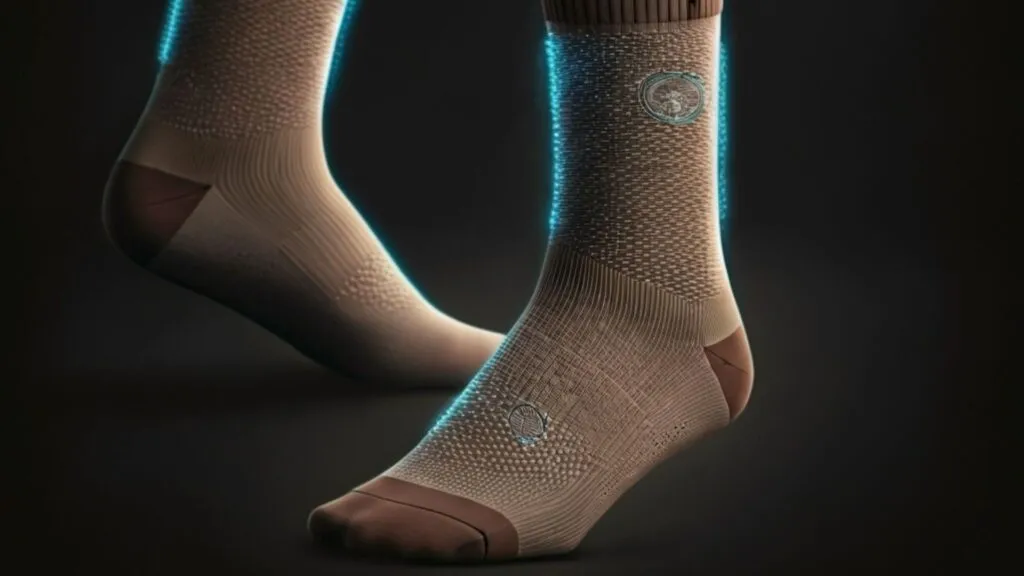
Smart socks look and feel like regular socks. But hidden inside are tiny sensors. They track your foot temperature. Your pressure. Even moisture. If something’s wrong, they buzz, beep, or send a message to your phone.
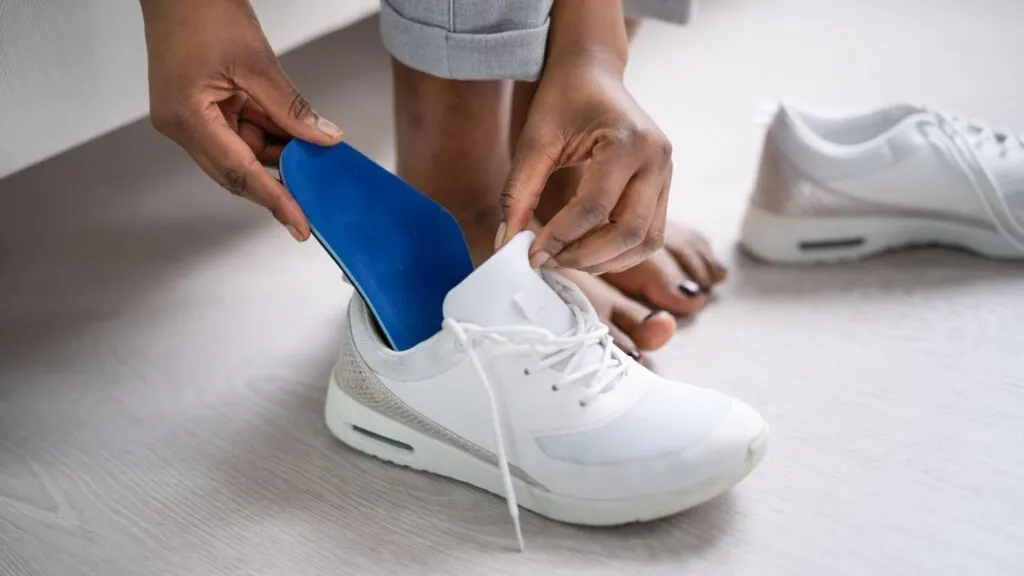
Smart footwear does something similar. Pressure sensors in the sole build a picture of how you walk. They spot the hot spots you can’t feel. They remind you to shift your weight, take a break, or check your skin.
One patient told us, “I thought my shoes were nagging me! But I haven’t had a sore in two years. So I forgive them.”
At OWC Center, we see every day how technology can turn fear into freedom. You don’t have to guess if your feet are safe. You don’t have to wait until a wound appears.
If you’d like a deeper dive into the research behind these devices, the National Institutes of Health has a helpful overview of their benefits. And this Cleveland Clinic article explains how smart footwear is transforming care.
Sensor Socks – The Next Step in Daily Foot Monitoring
Sensor socks are more than just a high-tech gimmick. They’re a practical tool to fill in the gaps between appointments. Here’s how they work:
- Embedded Sensors: Tiny filaments measure temperature and pressure in real time.
- Wireless Connection: The socks pair with an app that shows your data.
- Notifications: If pressure stays high too long or temperatures rise, you get an alert.
Why this matters:
- Hot spots often signal inflammation or infection.
- Sustained pressure damages skin and tissue.
- Early intervention prevents ulcers before they start.
One patient shared, “I couldn’t feel my big toe anymore. My socks caught the temperature spike. It turned out to be an infection.”
Benefits you’ll notice:
- Peace of mind—especially if you have neuropathy.
- Fewer surprises between clinic visits.
- A clear picture of how your feet are doing day to day.
If you’re curious about integrating sensor socks into your care, our team can help you choose a brand that fits your budget and walk you through the setup.
Smart Footwear – Your Personal Foot Coach
Smart footwear builds on the same principles as sensor socks but takes things further. Imagine a shoe that understands your habits, supports your movement, and steps in when something goes wrong.
How smart footwear helps:
- Pressure Sensors: Measure how your weight shifts when you stand and walk.
- Data Logging: Builds a pattern over weeks and months.
- Heat Monitoring: Identifies potential infection risk.
- Feedback: Alerts you to adjust posture or take breaks.
Why patients love it:
- It feels like having a safety net.
- No wires—just slip them on.
- Subtle reminders help you build better habits.
One patient said, “I used to wear regular shoes and hope for the best. Now, I feel like I have a teammate on my feet.”
5 Quick Facts About Smart Footwear:
- Can reduce ulcer recurrence by up to 70% with consistent use.
- Integrates with many smartphones for easy access.
- Comes in multiple styles, including sneakers and dress shoes.
- Charges like any small device—just plug them in overnight.
- Often covered partially by insurance or health savings accounts.
Wearable Ulcer Prevention in Everyday Life
Getting started with wearable ulcer prevention doesn’t have to be complicated. Here’s what to expect:
Step 1: Evaluation
Your care team will assess your risk. This includes:
- History of ulcers.
- Current foot health.
- Daily activity levels.
- Foot shape and gait.
Step 2: Choosing Your Device
You’ll pick between:
- Sensor socks.
- Smart footwear.
- Or both.
We’ll help you weigh the pros and cons.
Step 3: Learning the Tech
It can feel intimidating to set up new gadgets. But most apps are simple, with:
- Clear graphs.
- Color-coded alerts.
- Daily tips.
Step 4: Daily Use
Wear them during waking hours. Check alerts every evening.
Patient Tip:
“It’s like brushing your teeth—once it’s a habit, you don’t think twice.”
Sensor Socks and Smart Footwear – Are They Worth It?
You might be wondering if all this technology is overkill. The truth is, not everyone needs wearables. But for many people, they’re a life-changing addition.
Who benefits most:
- Anyone with neuropathy.
- Anyone with past ulcers.
- People on their feet for hours daily.
- Anyone with foot deformities.
What patients report:
- More confidence in daily life.
- Fewer trips to the clinic.
- Fewer surprise infections.
One patient told us, *“I was skeptical. But my socks caught a pressure spot I couldn’t feel. It saved me weeks of healing.”
Links to Related Blogs:
- Diabetic Foot Ulcer Treatment
- Advanced Wound Care
- Vascular Wound Care
Smart wearables have quietly become some of the most reassuring tools in diabetic foot care. They don’t just collect data—they give you the confidence to go about your day without second-guessing every step. Whether it’s sensor socks catching a warm spot before it turns into an ulcer or smart footwear gently reminding you to shift your weight, these devices create a safety net you can feel but don’t have to think about constantly.
Many people who once felt anxious after a previous ulcer say that wearables gave them the freedom to return to everyday routines—like gardening, long walks, or simply standing in the kitchen without worrying. When combined with regular check-ins, thoughtful podiatry, and small daily habits, technology can turn what used to feel like constant vigilance into quiet, consistent prevention.
It’s one more way to move from reacting to problems to staying ahead of them. And for anyone who’s ever wondered if their feet were okay but couldn’t tell, that peace of mind can feel like a small miracle.
Key Takeaways
✅ Smart wearables can catch problems you can’t feel.
Sensor socks and smart footwear help detect hot spots and pressure points long before you’d notice them on your own. This early warning system gives you a chance to step in and prevent ulcers from ever forming. It’s like having a second set of eyes on your feet around the clock.
✅ Smart socks and shoes turn data into action.
Wearable devices don’t just collect information—they send real-time alerts so you can adjust your routine right away. From shifting your weight to taking a break, small changes make a big difference. The result is fewer surprises and more confidence in your daily activities.
✅ Wearables work best alongside good daily habits.
Even the smartest devices can’t replace daily foot checks, proper footwear, and consistent care. Combining wearables with routine skin inspections, moisturizing, and protective shoes creates a layered defense that keeps your feet healthier, longer.
✅ Not everyone needs wearables, but many benefit.
If you’ve had ulcers before, have neuropathy, or spend long hours on your feet, wearables can be life-changing. They’re especially helpful if you want extra peace of mind between appointments. Our team can help you decide if they’re right for you.
✅ Getting started is easier than you think.
From choosing a device to setting up the app, our care team is here to walk you through every step. Once you’re up and running, using wearables becomes second nature—just one more way to feel supported and protected every day.
5 Related Questions Asked and Answered
1️⃣ What are smart socks and how do they help prevent foot ulcers?
Smart socks look a lot like regular socks, but they’re designed with tiny sensors woven into the fabric. These sensors monitor your foot temperature, pressure, and sometimes even moisture levels. Why does that matter?
- Temperature Monitoring: Hot spots often appear before an ulcer forms. If one foot is warmer than the other, it’s a red flag.
- Pressure Tracking: Smart socks alert you if a certain area is under too much pressure for too long.
- Real-Time Alerts: Many smart socks connect to an app that sends notifications if something needs your attention.
One patient told us, “My socks actually beeped when I was walking too long without a break. I laughed at first—but then I realized they saved me from a sore spot turning into a wound.”
At OWC Center, we love helping patients explore smart wearables. They don’t replace good foot care, but they add an extra layer of protection and peace of mind.
2️⃣ How does smart footwear work for ulcer prevention?
Smart footwear is another step forward in wearable ulcer prevention. Think of it like a personal foot coach you wear every day.
How it helps:
- Built-in Sensors: Pressure sensors in the insoles track how your weight shifts while you walk.
- Data Collection: Over time, the shoes build a picture of your habits—where pressure builds up and when.
- Alerts & Recommendations: If you stand too long, walk unevenly, or put too much force on a vulnerable area, you get a gentle reminder to adjust.
- Temperature Monitoring: Like sensor socks, some smart shoes watch for hot spots that could signal inflammation.
One patient said, “It felt strange at first to get reminders from my shoes, but after a few weeks, I stopped getting new blisters. It was worth it.”
Smart footwear pairs beautifully with diabetic foot ulcer treatment and regular check-ins with your care team.
3️⃣ Are wearable devices really accurate and reliable?
It’s natural to wonder if wearables are more hype than help. The good news is, studies have shown many smart socks and smart footwear systems are impressively accurate. Here’s why:
- Evidence-Based Technology: Research published in Diabetes Care found that continuous temperature monitoring can reduce ulcer recurrence by up to 70%.
- Instant Feedback: Unlike waiting for a check-up, wearables provide real-time data you can act on.
- User-Friendly Apps: Most devices come with simple smartphone apps that display clear graphs and alerts.
Of course, no device is perfect. You still need daily foot checks and proper shoes. But for many patients, wearables fill the gaps between appointments and help catch problems early. If you’re curious about which brand or model might suit you best, our team can help you explore options that fit your lifestyle and budget.
4️⃣ Who should consider using smart wearables for foot care?
Not everyone with diabetes needs smart socks or shoes, but they can be a game-changer for people who:
- Have a history of foot ulcers
- Have peripheral neuropathy (reduced sensation)
- Spend long hours on their feet
- Have foot deformities that increase pressure in certain areas
- Want extra reassurance between visits
One patient shared, “I felt nervous after my last ulcer healed. The wearable gave me confidence to get back to my daily walks.”
If you have questions about whether wearables are right for you, consider scheduling a foot assessment. We can help you weigh the pros and cons and find a solution that keeps you comfortable and protected.
5️⃣ How do I get started with wearable ulcer prevention?
Great question—getting started is easier than you might think. Here are a few steps:
- Talk to Your Care Team: Discuss whether smart socks or smart footwear fit your health goals.
- Choose the Right Device: Consider your activity level, budget, and preferences.
- Learn to Use the App: Most systems are user-friendly, but we’ll help you set up alerts and understand your data.
- Stay Consistent: Wear your device daily and check for notifications.
- Keep Up With Daily Care: Wearables are a supplement, not a substitute, for inspecting your feet and wearing proper shoes.
One patient joked, “It’s like having a coach in my sock drawer. Annoying sometimes—but in a good way!”
When you combine smart wearables with consistent care and support from your wound care team, you’re giving yourself the best chance to stay ulcer-free.
