
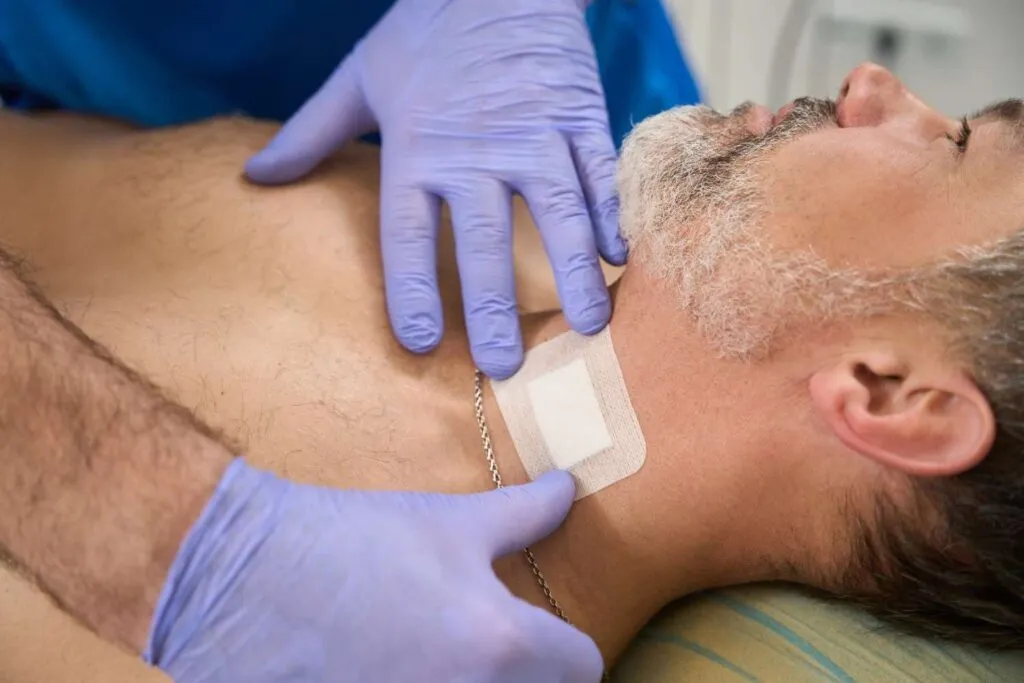
Role of Collagen Pads in Non-Healing Wounds
Non-healing wounds also called chronic or stalled wounds represent a major challenge in wound care. They don’t follow the normal progression of healing and tend to stay in the inflammatory phase, risking infection, patient discomfort, and higher care costs. For clinicians and patients alike, finding reliable solutions is crucial.
One such solution gaining traction is collagen pads. These specialized dressings have shown promise in helping wounds that have failed to heal by standard care. In this post, we’ll explore what collagen pads are, how they work, clinical evidence supporting their use, and best practices for integrating them into wound-care protocols.
What Are Collagen Pads?
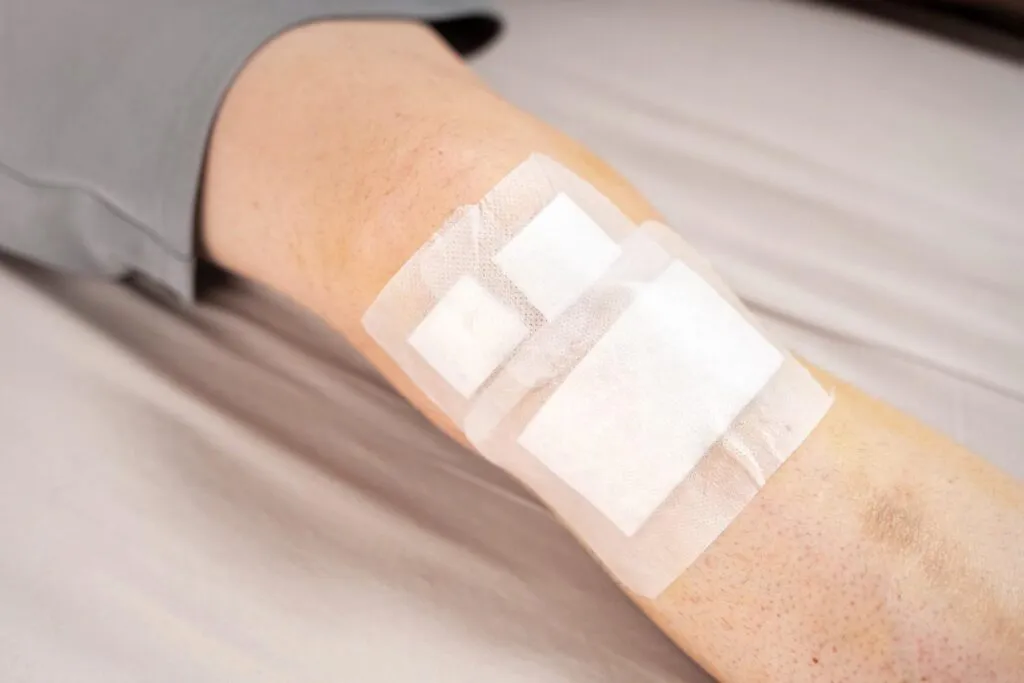
Collagen pads are dressings made of purified collagen (commonly derived from bovine, porcine, or other animal sources), often in sheet or pad form. They are designed to be placed directly on the wound bed. Variants may combine collagen with other materials (e.g. alginates, hydrocolloids) to manage moisture, absorption, etc.
The pads are thicker than simple sheets, offering some structural support, cushioning, and the ability to absorb moderate exudate while maintaining contact with the wound bed. Why Many Wounds Fail to Heal Normally
To understand why collagen pads help, it’s useful first to understand common hurdles in chronic wounds:
-
Excessive protease activity (including elevated matrix metalloproteinases, MMPs) that can degrade new tissue and extracellular matrix.
-
Poor extracellular matrix (ECM) scaffolding, which limits cell migration and tissue regeneration.
-
Persistent inflammation, which delays the wound’s progression past early phases.
-
Inadequate moist environment or poor exudate handling.
-
Infection or biofilm presence.
When wounds get “stuck” — unable to form healthy granulation tissue, unable to re-epithelialize properly — adjuncts like collagen pads can help reset or support the healing process.
Role of Collagen Pads in Non-Healing Wounds
1: Collagen Dressings and Their Role in Healing
- Deep dive into what collagen dressings are.
- Anecdotes about patient success.
- Bullet points explaining unique benefits.
#2: Wound Scaffolds – Why Structure Matters in Recovery
- Compare collagen pads to other wound scaffolds.
- Use analogy (“like scaffolding around a building”).

#3: Comparing Collagen Pads With Traditional Wound Care
- Contrast collagen with gauze, foam, hydrogel.
- Real-world examples (bed sores, diabetic ulcers).
#4: Patient Experience With Collagen Pads Wound Treatment
- Walkthrough of treatment steps (assessment → debridement → application → follow-up).
- Anecdotes: “A patient once said collagen gave their wound a ‘map.’”
Wounds that refuse to heal can take a toll not just on the body, but also on a person’s spirit. That’s why approaches like collagen pads for wound healing matter so much. They’re not just another dressing to cover up a sore spot — they’re an active part of recovery, guiding the body back toward wholeness.
For many patients at OWC Center, these dressings have become the turning point after weeks or months of frustration. Where older treatments struggled, collagen has stepped in with fresh energy — creating the structure, the environment, and the spark that healing cells need to thrive. Some describe it as scaffolding, others as a “map.” Whatever the image, the effect is real: wounds that once seemed stuck begin moving forward again.
It’s never one-size-fits-all. Some wounds respond best when collagen is paired with wound debridement. Others may need added support from negative pressure wound therapy or combined strategies like pressure injury treatment. What matters is that there are options — and each one is chosen carefully with the patient’s unique needs in mind.
The lesson is simple but powerful. With the right care, even the most stubborn wounds can begin to close. Collagen pads aren’t magic, but they do give the body a chance to restart a stalled healing journey. And for patients who’ve carried a wound for too long, that chance means hope, relief, and a path back to everyday life.
Key Takeaways
- Collagen pads provide more than coverage they actively promote healing.
Unlike traditional dressings, collagen pads create a biological scaffold that encourages new tissue growth. At Advanced Wound Care, we use these therapies to give stalled wounds the boost they need to move toward closure and recovery. - Chronic wounds respond well to collagen therapy when other methods fail.
Conditions like diabetic ulcers, vascular wounds, and bed sores often resist standard treatments. Collagen dressings step in to “restart” healing. Learn how our Bed Sore Treatment options integrate collagen for faster, stronger results. - Safety and comfort are at the heart of collagen treatment.
Collagen pads are gentle, lightweight, and well-tolerated for most patients. Our Pressure Injury Treatment specialists carefully assess allergies, infection risks, and individual needs to ensure safety at every step of the process. - Collagen works best when combined with other advanced therapies.
Healing often requires a team effort. Collagen dressings may be paired with Negative Pressure Wound Therapy or debridement for maximum effectiveness, helping wounds finally move forward after weeks or months of being stuck. - Every patient’s healing journey is unique — and full of hope.
At OWC Center, we understand that wounds affect not just the body but also confidence and quality of life. Collagen pads offer more than treatment — they offer a chance for patients to regain comfort, mobility, and peace of mind.
Related Questions & Answers
1. What are collagen pads for wound healing, and how do they work?
Collagen pads for wound healing are advanced dressings designed to help stubborn wounds that don’t heal on their own. Think of them as a “wound scaffold” — a soft layer that encourages new tissue growth. When applied to a chronic wound, collagen dressings provide a biological structure that mimics the body’s natural framework for healing.
Here’s how they help:
- Scaffolding effect: They act like a supportive framework where new skin cells can grow.
- Moist healing environment: Collagen pads maintain optimal moisture, which speeds up healing.
- Reduction of dead tissue: They help the body naturally break down damaged tissue.
- Stimulation of cells: Collagen encourages fibroblasts (the cells that make new tissue) to get to work.
At OWC Center, we often use collagen pads as part of advanced wound care when other treatments haven’t worked. For example, patients with diabetic ulcers or pressure injuries may find healing progresses faster once collagen dressings are introduced.
So, instead of just covering the wound, these pads actively support your body’s repair process — giving hope where wounds felt “stuck.”
👉 Explore our Advanced Wound Care services to see how collagen therapies may fit into your care plan.
2. When should collagen dressings be used for wounds?
Not every wound needs collagen, but for those that refuse to heal, collagen dressings can make a remarkable difference. They’re often used for chronic wounds such as:
- Diabetic foot ulcers
- Venous (vascular) ulcers
- Pressure injuries (bed sores)
- Surgical wounds that don’t close properly
Imagine this: you’ve been treating a sore on your heel for weeks. Antibiotics helped a little, but the wound is still open. This is when doctors may step in with collagen dressings — giving your body that missing boost to restart the healing process.
Key benefits include:
- For slow-healing wounds: They “jump-start” healing.
- For complex wounds: They add strength where the body is weak.
- For recurring wounds: They reduce the chances of breakdown.
At OWC Center, our specialists evaluate each wound carefully before deciding on collagen. We may also combine it with wound debridement, removing dead tissue to maximize effectiveness.
Bottom line? If your wound hasn’t healed after weeks of care, collagen pads may be exactly what’s needed.
3. Are collagen pads safe for everyone?
Patients often worry, “Is this safe for me?” The good news is that collagen pads are generally very safe and well-tolerated. They’re made from purified collagen (often from bovine or porcine sources), designed specifically for medical use.
That said, there are a few considerations:
- Allergies: People with specific animal protein allergies may need alternative dressings.
- Infected wounds: Collagen pads may not be the first choice if there’s an active infection.
- Bleeding disorders: In rare cases, the body’s response may need closer monitoring.
For most patients, though, collagen dressings are a gentle yet powerful tool. They don’t sting, they don’t feel heavy, and they don’t interfere with daily mobility.
At OWC Center, our wound care specialists assess each patient individually. For example, if you’re a diabetic patient with recurring ulcers, collagen pads might be paired with offloading techniques (reducing pressure on the wound). If you have vascular issues, we might combine collagen with compression therapy.
In short: Yes, collagen pads are safe — but like any medical treatment, they should be tailored to you by experienced professionals.
4. How do collagen pads compare to other wound dressings?
This is a common question from patients and even healthcare providers. Collagen dressings stand out because they’re not just passive covers — they’re active participants in healing.
Compared to traditional gauze:
- Gauze absorbs, but doesn’t promote tissue growth.
- Collagen actively stimulates new tissue.
Compared to foam dressings:
- Foam protects, but doesn’t provide scaffolding.
- Collagen adds structure for cells to rebuild.
Compared to hydrogel or hydrocolloid dressings:
- These keep wounds moist.
- Collagen does the same, plus gives the wound biological “building blocks.”
At OWC Center, we often use collagen as part of multidisciplinary wound care, combining it with other dressings or treatments like negative pressure wound therapy for best results.
One of our patients described collagen pads as “giving the wound a map.” Instead of wandering aimlessly, the cells finally know where to go and how to rebuild. That’s the power of collagen.
5. What can patients expect during collagen wound treatment?
Many patients feel nervous before starting a new wound therapy. Here’s what typically happens with collagen pads:
- Assessment: Our specialists carefully examine your wound’s size, depth, and condition.
- Preparation: If needed, we perform wound debridement to clear dead tissue.
- Application: A soft collagen pad is gently placed over the wound.
- Protection: The pad is covered with a secondary dressing for stability.
- Follow-up: You’ll return for checkups, where we monitor healing progress.
Patients often notice:
- Less wound odor
- Healthier tissue appearing
- Gradual shrinking of the wound
- Improved comfort compared to older dressings
Healing isn’t instant, but with consistency, many patients see improvements within weeks. The real benefit? Regaining confidence, mobility, and peace of mind.
At OWC Center, our goal is not just to close wounds, but to help patients reclaim quality of life. Collagen pads are one of the tools that make that possible.
