
Nutrition’s Role in Chronic Wound Healing
Your Food Is Your Medicine. Let’s Talk About Why.
It’s easy to overlook.
You see a wound.
You cover it up.
You hope it heals.
But healing doesn’t just happen on the outside.
It starts deep inside your body.
In your bloodstream.
In your cells.
In every bite you eat.
If you’ve ever wondered why your wound just won’t close, you’re not alone.
Thousands of people struggle with chronic wounds.
Especially if you have diabetes, circulation problems, or aging skin.
The problem isn’t always obvious.
Sometimes, the missing link is nutrition.
Think of your body like a construction site.
Protein? That’s your raw material.
Vitamins? The tools your body needs.
Energy? The fuel to power the whole project.
No protein. No repair.
Not enough Vitamin C? Collagen production stalls.
Low calories? Your body saves energy instead of using it to heal.
There’s good news.
You can change this.
Your kitchen might be the most powerful wound care center you have.
According to a study from the National Institutes of Health, targeted nutrition can improve healing times, lower infection risk, and help wounds close for good. And the WHO says that malnutrition remains one of the most common reasons wounds linger.
You deserve better.
Let’s break this down.
Step by step.
So you can start building a stronger foundation for healing—today.
Protein Intake: The Foundation of Wound Healing
Why Protein Is More Than Just a Nutrient
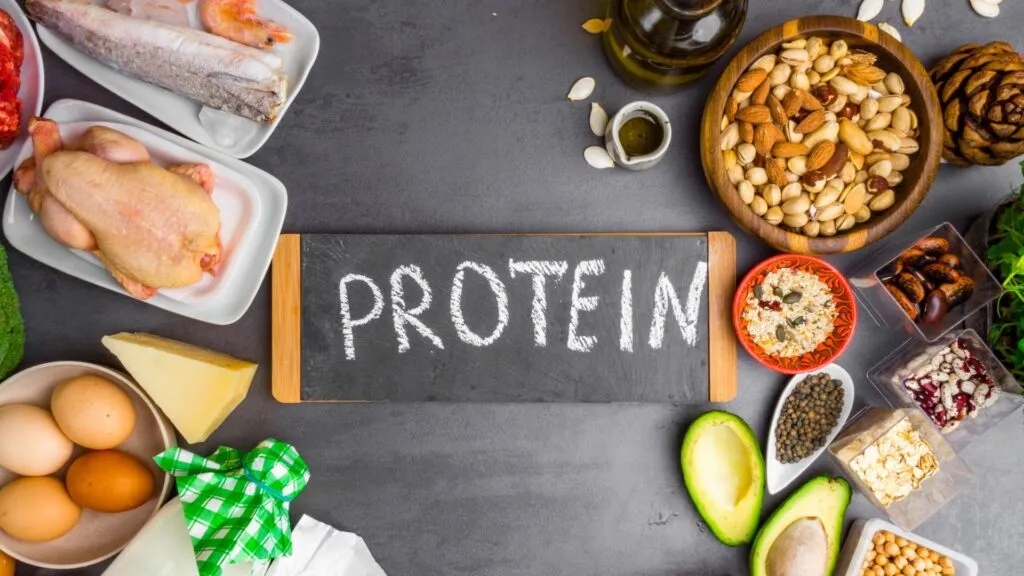
Protein isn’t optional when you have a chronic wound.
It’s the scaffolding that holds new tissue together.
Without it, even the best dressings or treatments will fall short.
When your body is repairing a wound, it’s working overtime to create collagen, rebuild blood vessels, and grow fresh skin.
All these processes rely on amino acids—the building blocks of protein.
How Much Protein Do You Really Need?
For most healthy adults, the standard recommendation is about 0.8 grams per kilogram of body weight.
But if you have a wound, your needs jump.
In fact, many wound care experts recommend 1.2–1.5 grams per kilogram—or even up to 2 grams if you’re fighting infection.
A 150-pound adult?
That means you could need 80–140 grams of protein daily.
How to Get It Without Feeling Overwhelmed:
- Break protein into small meals and snacks.
- Add Greek yogurt, eggs, or nut butter.
- Consider a protein supplement if your doctor approves.
I’ve seen patients finally turn the corner on healing once they started meeting their protein goals.
One gentleman, in his 70s, shared:
“I didn’t realize I was only eating about half the protein I needed. When I started adding an egg with breakfast and some cottage cheese in the afternoon, my wound finally began to shrink.”
For a personalized plan, consider a consultation with a registered dietitian.
Vitamins for Wounds: Small Nutrients, Big Impact
The Top Vitamins That Help You Heal Faster
Vitamins are the hidden heroes in wound care.
They work quietly behind the scenes—building, protecting, and fueling every repair process.
The Essentials:
- Vitamin C helps form collagen. No collagen? No closure.
- Vitamin A controls inflammation and speeds epithelial growth.
- Vitamin E shields cells from damage.
- Vitamin D balances immune function.
- B Vitamins keep your metabolism running so cells can regenerate.
How to Get Enough (Without Overcomplicating It)
Start simple:
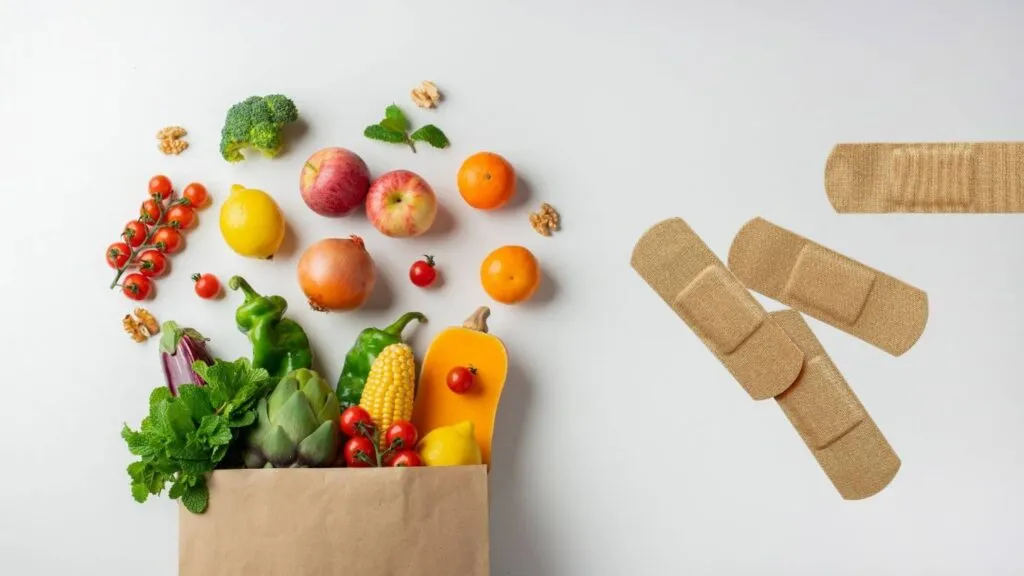
- Citrus fruits (oranges, kiwi, strawberries)
- Leafy greens (spinach, kale)
- Sweet potatoes
- Nuts and seeds
- Fortified cereals
If your appetite is low, smoothies can help you pack in more vitamins without feeling stuffed.
Pro Tip: Keep a colorful plate.
If your meals look beige, you’re probably missing key vitamins.
Need help fine-tuning your vitamin plan?
Explore our Wound Care Nutrition Consults.
The Role of Hydration and Calories in Chronic Wound Healing
Why Calories Matter More Than You Think
When you’re recovering, your metabolism speeds up.
Your body uses more calories to rebuild tissue and fight bacteria.
If you don’t eat enough, your body slows healing to conserve energy.
It’s like running out of gas on a long trip.
How Many Calories?
- Most adults need 30–35 calories per kilogram of body weight per day.
- This could mean 2,000–2,500 calories for many patients with chronic wounds.
Staying Hydrated:
Dehydration thickens your blood, making it harder to deliver nutrients.
Aim for 6–8 cups of fluids daily unless your doctor says otherwise.
Quick Tips to Boost Calories and Fluids:
✅ Add healthy fats—avocado, olive oil, nut butter.
✅ Drink milk instead of water with meals.
✅ Snack often, even if you’re not hungry.
✅ Use soups and broths to add both fluid and calories.
According to Johns Hopkins Medicine, patients who maintain good calorie and hydration levels heal faster and have fewer complications.
A Simple Checklist to Improve Your Wound Healing Nutrition
How to Start Today—Even If It Feels Overwhelming
Healing can feel like a marathon.
But you don’t have to do everything perfectly to make progress.
Here’s a step-by-step plan you can start right now:
1️⃣ Eat protein at every meal.
Even a little makes a difference.
2️⃣ Keep a food journal.
Write down what you eat for 3 days. Look for gaps.
3️⃣ Choose colorful produce.
Bright colors = more vitamins.
4️⃣ Snack on nuts or cheese.
Small bites pack big nutrients.
5️⃣ Stay hydrated.
Set reminders to sip fluids every hour.
3 More Resources You May Find Helpful:
- Understanding the Role of Protein in Wound Care
- How Hydration Impacts Healing
- Nutrition Plans for Diabetic Wounds
More Information and Support
If you feel unsure about how to start, you’re not alone.
Many people find it hard to meet their nutrition goals, especially when dealing with chronic health conditions.
Remember:
You don’t have to figure it all out by yourself.
A wound care dietitian can help you build a plan that feels doable and fits your life.
If you’re ready to take the next step, consider a Nutrition Evaluation with our team or call us to learn more.
When you think about wound healing, it’s easy to picture ointments, bandages, or special treatments. But what happens in your body often matters just as much—sometimes more—than anything you put on your skin.
Your meals are not just fuel. They’re the raw materials your body needs to rebuild itself, piece by piece. Every bite of protein-rich food you take lays down new collagen. Every colorful vegetable supplies vitamins that quietly drive healing behind the scenes. Hydration and calories ensure those nutrients actually reach your cells and keep your metabolism running strong.
Stories from patients remind us this isn’t theory—it’s real life. Like the man in his seventies who saw his wound finally shrink when he started adding cottage cheese and eggs to his day. Or the countless people who discovered that fatigue and slow healing weren’t just bad luck, but signals their bodies were missing essential nutrients.
It can feel overwhelming to rethink how you eat when you’re already managing a wound and the stress that comes with it. But small, steady changes—like choosing protein at each meal, keeping a food journal, and staying hydrated—can add up to real progress.
You have more power over your healing than you might realize. And you’re not alone in this. Whether you reach out to a dietitian, explore nutrition services, or start by adding one more serving of vegetables to your plate, you’re taking steps to help your body do what it’s designed to do: heal.
Key Takeaways
✅ Nutrition is a cornerstone of wound healing.
Your body can’t rebuild what it doesn’t have the materials for. Protein, vitamins, and hydration all play vital roles in closing wounds and preventing infection. Even small improvements in your diet can jumpstart progress and help your body heal the way it’s meant to.
✅ Protein intake directly fuels tissue repair.
Meeting your protein needs is essential to build strong new skin and collagen. If you’re healing a chronic wound, you likely need much more protein than usual—sometimes double. A dietitian can help you calculate exactly how much you should be getting each day.
✅ Vitamins for wounds are often overlooked.
From Vitamin C boosting collagen to B vitamins supporting cell energy, micronutrients quietly power every step of recovery. Eating a colorful variety of fruits and vegetables and staying hydrated ensures your body gets the nutrients it needs to heal faster and more completely.
✅ Hydration and calories can make or break your progress.
Without enough fluids and calories, your body has to ration energy—slowing down healing. Staying well-hydrated and eating nutrient-rich meals helps circulate oxygen and nutrients right where they’re needed most.
✅ You don’t have to do this alone.
It can feel overwhelming to rethink eating habits while managing a wound. But guidance is here for you. Working with a wound care nutritionist can help you create a plan that feels achievable and supports real, lasting recovery—one meal at a time.
5 Related Questions Asked and Answered
1️⃣ Why does nutrition matter so much in wound healing?
Nutrition isn’t just a side note in wound care—it’s often the main engine driving your recovery. Think of your body as a construction site. Healing a chronic wound is like rebuilding a damaged road. You need workers (cells), tools (enzymes), and plenty of raw materials. Without enough nutrients, the repair crew stalls.
Here’s why nutrition is essential:
- Protein intake fuels tissue repair: Proteins are the building blocks for new skin, collagen, and blood vessels.
- Vitamins for wounds accelerate recovery: Vitamin C supports collagen production and immune function. Vitamin A helps control inflammation. Zinc speeds up cell growth.
- Energy needs are higher: Your body burns extra calories to fight infection and repair tissues.
- Immune support: Nutrients help fend off infection—a common reason wounds don’t heal.
If you’re managing a chronic wound, consider working with a nutritionist or wound care specialist. They can tailor a nutrition plan that fits your needs and health conditions.
Explore our Nutrition Support for Wound Healing services to learn more.
2️⃣ What specific vitamins help wounds heal faster?
Certain vitamins act like a secret team of helpers working behind the scenes to speed healing:
- Vitamin C: Vital for collagen, which keeps your new skin strong. It also strengthens immune defenses.
- Vitamin A: Encourages the growth of epithelial cells that close the wound.
- Vitamin E: Acts as an antioxidant, protecting cells from damage.
- Vitamin D: Plays a role in immune regulation.
- B vitamins: Support energy production and cell metabolism.
Many patients don’t realize they may be deficient in one or more of these nutrients. For example, if you’ve been ill or had surgery, your body may need extra Vitamin C and Zinc.
Tips to boost vitamin intake:
- Eat a colorful diet—leafy greens, berries, citrus, and sweet potatoes.
- Consider a supplement, but always check with your clinician first.
- Keep up hydration—dehydration slows nutrient delivery.
To learn more about personalized vitamin guidance, visit our Wound Care Nutrition Consults.
3️⃣ How much protein do I really need to heal a chronic wound?
Protein intake is often underestimated when recovering from chronic wounds. If you imagine your body repairing a brick wall, protein is the mortar holding everything together.
How much do you need?
- For most adults, 1.2–1.5 grams of protein per kilogram of body weight daily.
- For severe wounds or infection, sometimes up to 2 grams/kg.
- This is often double the typical recommended daily intake.
Good sources of protein:
- Lean meats, poultry, fish
- Eggs
- Dairy products
- Legumes and beans
- Protein shakes if recommended by your care team
Here’s a patient story:
“I never realized my wound wasn’t healing because I was barely eating protein. When I added Greek yogurt and eggs daily, it finally started to close up.”
Always consult a clinician or dietitian to calculate your needs safely.
4️⃣ Can poor nutrition actually prevent a wound from closing?
Absolutely. Poor nutrition is one of the top hidden reasons wounds don’t heal.
Here’s how it gets in the way:
- Low protein = weak collagen = fragile new tissue.
- Vitamin deficiency = impaired immune defense.
- Insufficient calories = no energy to build cells.
- Dehydration = poor circulation of nutrients.
When your body runs low on nutrients, it prioritizes basic survival, not repair. Imagine trying to renovate a house when the electricity keeps cutting out—progress stops and infections can take hold.
Signs poor nutrition is delaying healing:
- No visible improvement after weeks of care.
- Pale, fragile wound bed.
- Frequent infections or excess drainage.
- Feeling unusually tired or weak.
This is why a holistic approach matters. A wound dressing alone can’t overcome malnutrition.
Learn more about Comprehensive Wound Healing Plans that combine nutrition, advanced dressings, and medical support.
5️⃣ What can I do right now to improve my wound healing nutrition?
Here are simple steps you can start today:
✅ Eat small, frequent meals: They’re easier to tolerate if you have low appetite.
✅ Focus on protein-rich snacks: Cheese sticks, boiled eggs, Greek yogurt.
✅ Include vitamin-rich foods: Citrus fruits, bell peppers, leafy greens.
✅ Stay hydrated: Aim for 6–8 cups of fluids daily unless your doctor says otherwise.
✅ Track your intake: A food diary can reveal gaps.
✅ Ask for help: A dietitian specializing in wound care can customize your plan.
A patient recently told us, “I thought I was eating enough, but tracking showed I was far below my needs. Once I adjusted, I felt stronger and finally saw progress.”
Your nutrition is your foundation—take it seriously and give your body the best chance to heal.
Need support? Reach out for a Nutrition Evaluation or call our care team.
