

Nutrition Plans for Faster Recovery from Wounds
Wound healing starts in the kitchen. Not the clinic.
Not the pharmacy. Not the bandage aisle.
You can dress it. Clean it. Cover it. But without proper nutrition? You’re only treating the surface.
At OWC Center, we’ve seen it all. From diabetic ulcers to surgical wounds that refuse to close. And you know what we’ve learned? Healing begins with what you eat. That’s why wound recovery nutrition plans is more than a trend. It’s a must.
Studies like this one from the NIH show that protein deficiency delays wound healing dramatically. Meanwhile, the Academy of Nutrition and Dietetics confirms hydration and micronutrients directly influence recovery time.
Below, you’ll find a video explaining how your diet supports every stage of wound healing, alongside expert-approved tips for daily recovery.
Protein Intake and Wound Healing
When your body is healing, protein is priority.
You’re building new skin. Regenerating tissue. Fighting infection.
And all of it demands protein.
Why Protein?
- Collagen, a protein, forms the foundation of new skin
- Immune cells require amino acids to battle infection
- Muscles near the wound site need rebuilding post-injury
How Much Do You Need?
Most people healing from wounds need 1.2–1.5g of protein per kilogram of body weight. That’s 82–102g daily for a 150 lb person.
Protein Sources to Include:
- Chicken, turkey, eggs
- Greek yogurt and cottage cheese
- Legumes and beans
- Protein shakes (especially if appetite is low)
⚠️ Important: Always consult your doctor if you have kidney conditions before boosting protein.
At OWC Center Advanced Wound Care, we work with patients to tailor protein-rich diets that align with healing needs and medical conditions. This is especially helpful for patients recovering from diabetic ulcers or vascular wounds.
📎 Explore our diabetic foot ulcer treatment to understand how nutrition complements offloading techniques.
Hydration: The Hidden Healer
Water doesn’t just quench thirst—it accelerates recovery.
Why Hydration Matters:
- It transports nutrients directly to your wound
- Flushes out cellular waste and toxins
- Maintains skin elasticity and strength
- Boosts circulation to affected areas
Signs You’re Dehydrated:
- Dry mouth or lips
- Dark-colored urine
- Fatigue or dizziness
Hydrating Foods to Add:
- Broth-based soups
- Cucumbers, celery, and watermelon
- Smoothies and infused waters
🟡 Tip: Aim for 8–10 cups of water daily—or more if your wound is draining or you’re on medication.
Our specialists at OWC Center Vascular Wound Care provide hydration support plans personalized to the wound type and patient lifestyle.
Vitamins That Fuel Faster Healing
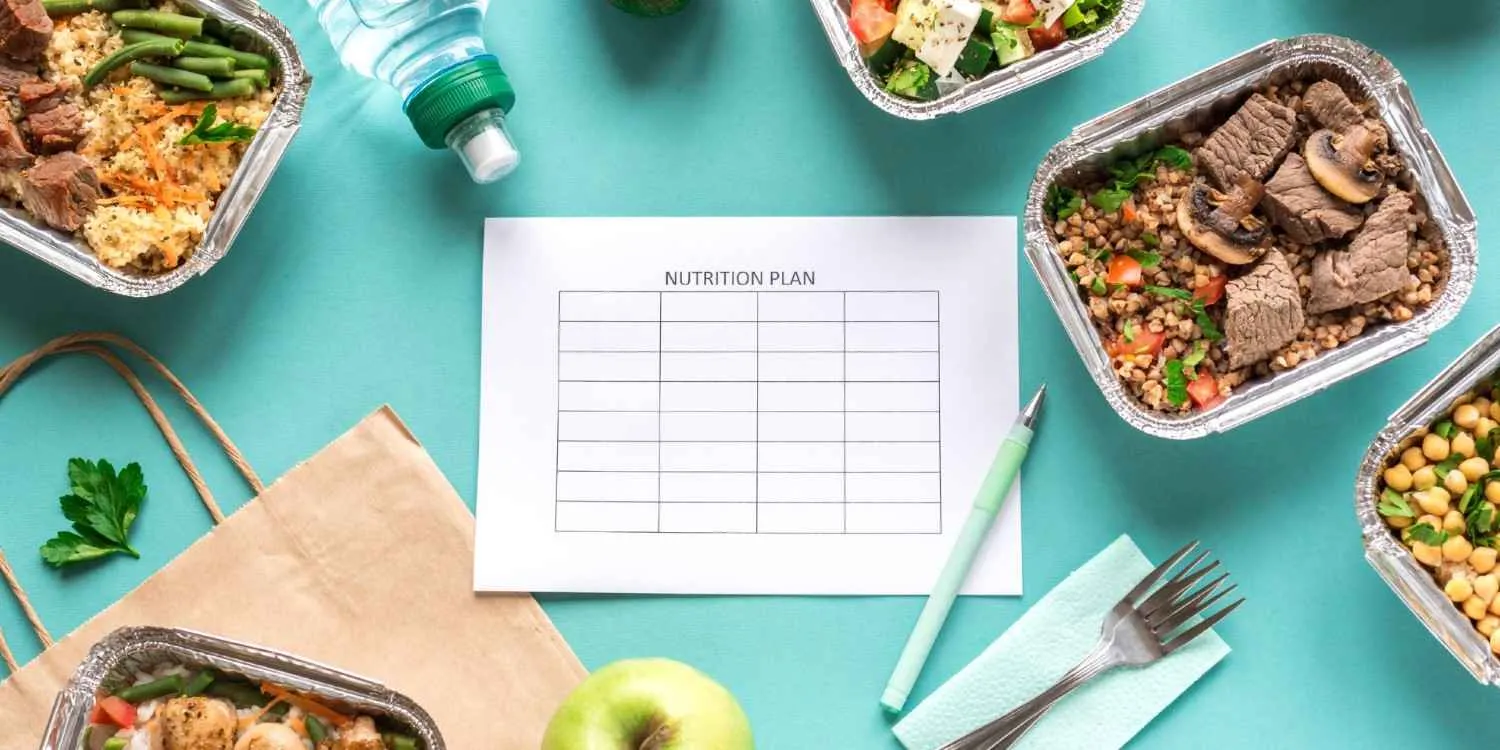
Some wounds just won’t close—until your body gets the right nutrients.
Must-Have Vitamins:
- Vitamin A – Stimulates epithelial cell growth
- Vitamin C – Promotes collagen synthesis and immune function
- Vitamin E – Fights off oxidative damage at the wound site
- Zinc – Speeds wound closure by supporting cellular growth
Where to Get Them:
- Sweet potatoes, spinach, carrots (Vitamin A)
- Berries, citrus, bell peppers (Vitamin C)
- Almonds, sunflower seeds, avocados (Vitamin E)
- Pumpkin seeds, chickpeas, whole grains (Zinc)
🧪 At OWC Center, we recommend bloodwork for chronic wound patients to check for vitamin deficiencies.
Our multidisciplinary wound care plans include nutritional counseling and supplementation when needed—especially for elderly or diabetic patients.
📎 Also read about our pressure injury treatments which integrate vitamin-rich protocols.
Nutrition Tips to Support Healing at Every Stage
Healing isn’t linear. Your nutrition plan shouldn’t be either.
Here are five essentials for keeping recovery on track:
- Balance meals – Ensure every plate has protein, healthy fats, and complex carbs.
- Stay consistent – Don’t skip meals. Your body needs fuel daily.
- Track hydration – Use an app or journal to monitor water intake.
- Supplement smart – Only under medical supervision.
- Watch for signs – If healing slows, ask your care team to revisit your nutritional plan.
📎 Check out our blog on chronic wound management for more on how nutrition fits into broader care.
When it comes to healing wounds—especially stubborn ones like diabetic ulcers, surgical incisions, or pressure injuries—what you eat truly matters. It’s not just about what you put on the wound but what you put into your body that accelerates the process from the inside out.
Every bite of lean protein, every glass of water, and every vitamin-packed meal becomes part of the healing equation. Without enough protein, your body can’t rebuild tissue. Without proper hydration, nutrients can’t reach the site of injury. Without critical vitamins like A, C, E, and zinc, your cells lack the fuel to repair and regenerate. The body’s repair process is nutrient-intensive—and it doesn’t pause for takeout meals or skipped breakfasts.
By aligning your meals with your body’s healing needs, you’re giving your wound the internal environment it needs to thrive. You’re helping skin rebuild faster, inflammation calms down quicker, and infection stays away longer. Whether you’re blending a smoothie packed with citrus and spinach, sipping on warm bone broth, or adding an extra spoonful of Greek yogurt to your lunch—these small daily choices shape a stronger, speedier recovery.
And at OWC Center, the journey doesn’t happen alone. Every patient receives a customized, whole-body care plan that connects medical treatment with dietary strategy. Because healing isn’t just clinical—it’s deeply personal.
Key Takeaways
Proper nutrition is essential for every phase of wound healing.
From inflammation control to tissue regeneration, your body depends on nutrients like protein, vitamins, and fluids to repair itself. A lack of essential nutrients can delay healing or cause complications. That’s why our Advanced Wound Care approach considers the full picture—including what’s on your plate.
Protein is the building block of new skin and tissue.
Without enough protein, your body struggles to rebuild and defend against infection. Whether you’re recovering from a pressure injury or diabetic ulcer, we guide patients at OWC Center Diabetic Foot Ulcer Treatment through customized high-protein nutrition strategies.
Hydration is a silent partner in healing.
Staying well-hydrated ensures nutrients are delivered effectively, toxins are cleared, and tissues stay supple. Dehydration can silently slow healing. Our Vascular Wound Care specialists include hydration planning in every care journey to accelerate your recovery from the inside out.
Vitamin deficiencies can make wounds stall.
Key vitamins like A, C, E, and zinc are crucial for wound closure, collagen production, and immune support. At OWC Center, we provide blood panels and nutritional counseling to identify and correct deficiencies that may be hindering your healing progress.
Every wound deserves a whole-body care plan.
Wound care isn’t one-size-fits-all. At OWC Center, we offer multidisciplinary care that integrates medical treatment, lifestyle coaching, and nutrition guidance. From pressure injury recovery to chronic wound management, we help you heal faster—with a plan built just for you.
Related Questions Answered
1. Why is nutrition important for wound recovery?
Healing a wound isn’t just about the right bandage—it starts on your plate. Proper nutrition plays a critical role in every phase of wound healing, from inflammation to tissue regeneration.
Key reasons nutrition matters:
- Tissue repair: Your body needs amino acids from protein intake to build new skin and blood vessels.
- Immune support: Vitamins like A, C, and E help your immune system fight off infection and speed up healing.
- Hydration: Fluids carry nutrients to your wound site. Hydration keeps your cells functioning and your tissues elastic.
Neglecting nutrition can delay healing and increase your risk of infection. That’s why at OWC Center Advanced Wound Care, we assess not just the wound—but the whole body. If you’re recovering from a diabetic foot ulcer, pressure injury, or surgical wound, your nutrition could be the missing link.
📌 Tip: If your appetite is low, consider nutrient-dense shakes or soups packed with vitamins and protein.
2. What should I eat to heal a chronic wound faster?
A smart wound recovery diet is like building a house—you need the right materials in the right amounts.
Here’s your healing grocery list:
- Lean proteins (chicken, eggs, Greek yogurt) – to build new tissue.
- Vitamin C-rich foods (citrus, strawberries, bell peppers) – to help with collagen production.
- Zinc sources (nuts, seeds, whole grains) – to accelerate wound closure.
- Hydrating foods (cucumbers, broth, watermelon) – for tissue flexibility.
Avoid:
- Sugary snacks (they increase inflammation).
- Processed foods (low in actual healing nutrients).
- Alcohol (slows immune function and dehydrates).
At OWCCenter, our wound care specialists and nutrition partners work with patients to build custom recovery plans, especially for those with conditions like diabetes or lymphedema.
3. How much protein should I be getting each day to support wound healing?
The average adult needs more protein during wound recovery than normal.
General recommendation:
- 1.2 to 1.5 grams of protein per kilogram of body weight.
- For a 150 lb person, that’s about 82–102 grams daily.
Why more? Healing tissue is protein-intensive. Without enough, your body can’t:
- Make new skin cells
- Fight infection effectively
- Rebuild muscle if there’s been damage
Good sources:
- Chicken, fish, eggs, legumes, cottage cheese, protein shakes
🚨 Note: People with kidney issues should consult a doctor before increasing protein.
Our multidisciplinary wound care team can guide you through an optimal healing plan—including nutritional support.
4. Can dehydration slow down wound healing?
Absolutely—and it’s one of the most overlooked culprits.
Why hydration matters:
- Delivers nutrients to the wound site
- Flushes toxins from your system
- Maintains skin elasticity, preventing new skin from cracking
- Supports immune cell function, which is key to keeping infection away
How much water do you need?
- At least 8–10 cups/day, more if you’re active, taking medication, or experiencing drainage from your wound
Add these hydrating foods to your plate:
- Broths, fruits (melon, oranges), smoothies
🔗 Learn how our team at OWCCenter helps you heal smarter, with hydration guidance built into your care plan.
5. Are vitamin supplements necessary for wound healing?
Sometimes, yes—especially if you’re deficient or have a condition that increases nutritional demands.
Key vitamins and supplements that support healing:
- Vitamin C – for collagen formation and tissue strength
- Vitamin A – for new skin growth and immune support
- Vitamin E – to protect cells from oxidative stress
- Zinc – to support enzyme function and tissue growth
🟡 At OWCCenter, we often recommend blood panels to identify any nutritional deficiencies. From there, your care team may suggest:
- Oral supplements
- IV nutrition support (especially in post-surgical or chronic wound cases)
- Dietary counseling
Remember: Too much of a good thing (like zinc or vitamin A) can hurt more than help. Always follow clinical guidance when adding supplements.
📍 Explore our full range of healing options at OWC Center’s Advanced Services.
