
Lymphedema: Wound Risk & Management Strategies
The Hidden Dangers of Lymphedema Wound Risk
Your skin tells stories. Sometimes those stories are about resilience. Other times, they’re about vulnerability.
Lymphedema is one of those silent forces that can tip the balance.
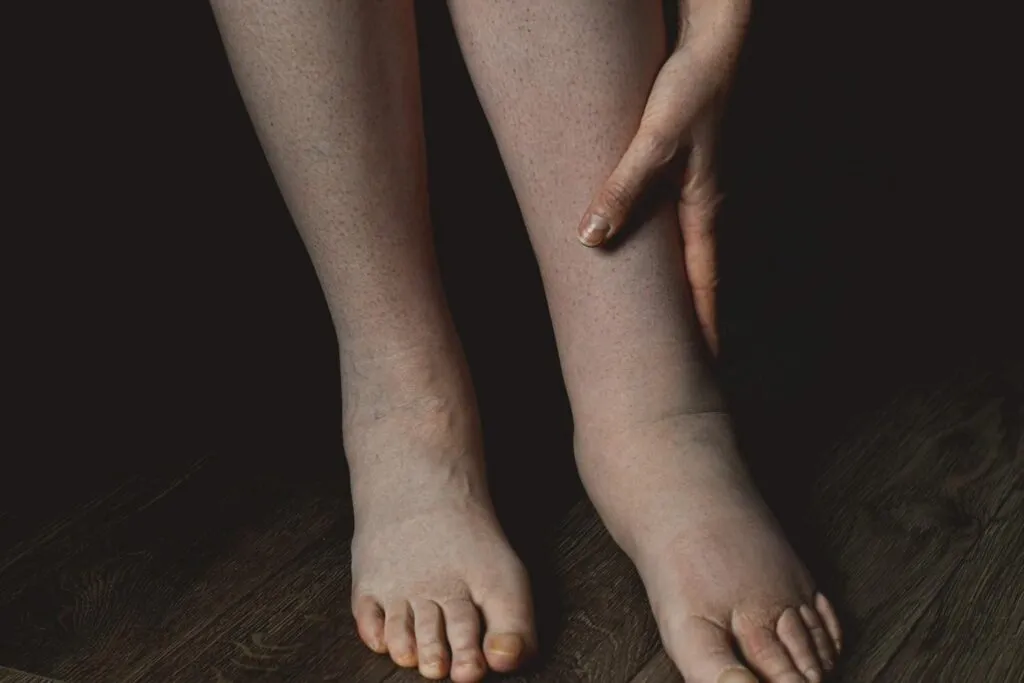
Swelling doesn’t just make your leg or arm feel tight. It stretches your skin. Thins it out. Creates tiny cracks you can’t always see. Moisture builds up. Bacteria find an open door. Suddenly, what started as harmless puffiness becomes an infection.
Maybe you’ve noticed a small sore that won’t heal. Or redness that won’t go away. These are signals. Your body waving a flag for help.
You are not alone.
Millions of people live with lymphedema. In fact, this research shows chronic swelling affects up to 40% of breast cancer survivors. But lymphedema doesn’t care if you’ve had cancer or not. Sometimes it shows up after surgery. Sometimes it happens because of genetics. Sometimes no one knows why.
One patient, Janice, shared her story with us. She thought the tightness was just part of getting older. “I never imagined it could turn into wounds,” she said. When the ulcers came, they came fast. One week, she was gardening. The next week, she was in our clinic needing advanced wound care.
The good news is there are ways to get ahead of it. Tools. Strategies. A plan.
Compression therapy. Lymph drainage. Skin checks. These simple habits can mean the difference between managing swelling and fighting infections.
According to the CDC, early intervention is the best protection. That’s why we talk about this so often. Because knowledge is power. And when you understand what’s happening under your skin, you can act before wounds take hold.
Compression Therapy: Your First Line of Defense
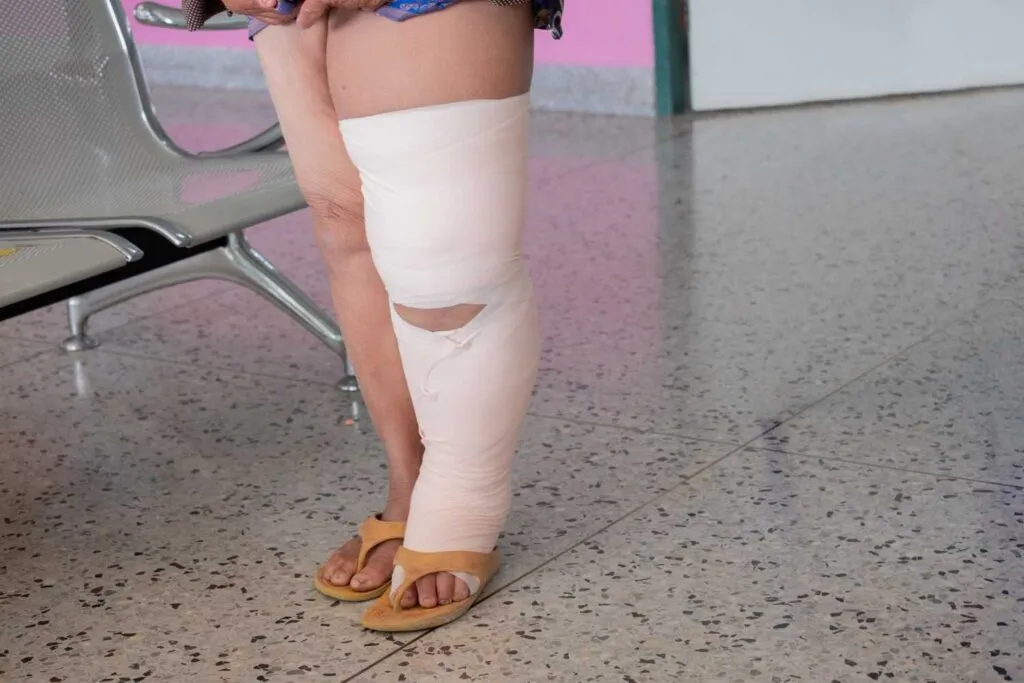
Compression therapy is more than just snug socks or bandages. It’s a lifeline for your skin.
How Compression Therapy Works
When you wrap your limb in a compression garment, it applies steady, gentle pressure. This does a few things:
- Reduces Swelling: Compression guides lymph fluid back toward your core, where it can drain properly.
- Improves Blood Flow: Better circulation means healthier skin cells.
- Protects Tissues: It helps prevent the pooling of fluid that leads to skin breakdown.
Think of compression like a hug that says, “I’ve got you.”
One patient, Mark, shared, “When I first started using compression wraps, it felt strange. But after a few weeks, the tightness eased up. The redness faded. I finally felt like I could walk without worrying.”
Tips to Make Compression Therapy Work for You
- Consistency is everything. Don’t skip days.
- Check your skin daily. Look for redness, cuts, or blisters.
- Keep your garments clean. Wash and dry as recommended.
- Replace them as needed. Worn-out garments don’t help.
If you have questions about fit, materials, or technique, our team at OWC Center can help you find the right plan.
Lymph Drainage: Moving Fluid and Protecting Skin
Compression works best when paired with lymph drainage.
What Is Lymph Drainage?
Manual lymphatic drainage (MLD) is a type of gentle massage. Therapists use slow, rhythmic movements to:
- Move fluid away from swollen areas.
- Stimulate your lymph system.
- Decrease tightness and discomfort.
Some people compare it to a spa day, except it’s also medical care.
One of our patients described it perfectly: “After lymph drainage, I feel lighter. My skin doesn’t feel like it’s about to split.”
Why Lymph Drainage Matters
- Reduces swelling before it damages skin.
- Prevents infections by clearing stagnant fluid.
- Makes compression therapy more effective.
Daily Habits to Reduce Lymphedema Wound Risk
Even small actions can protect your skin. These five habits can make all the difference:
- Inspect your skin daily.
- Use a mirror for hard-to-see spots.
- Look for redness, blisters, or breaks.
- Keep your skin moisturized.
- Dry skin cracks more easily.
- Use unscented lotion.
- Stay active.
- Gentle movement helps fluid flow.
- Wear your compression garments consistently.
- Practice lymph drainage techniques.
One of our patients said, “It feels like a chore, but I think of it as checking my armor.” That mindset can help you stay motivated.
Recognizing Early Signs of Trouble
When wounds start, they often whisper before they shout.
What to Look For
- Redness that doesn’t go away.
- Heat or swelling in one area.
- Tenderness or pain you can’t explain.
- Clear or cloudy fluid draining from the skin.
If you see these, take action:
- Clean the area gently.
- Apply protective dressings.
- Call your wound care team right away.
At OWC Center, we offer fast wound assessments, so you don’t have to wait and worry.
Compression Therapy for Healing Existing Wounds
When wounds have already formed, compression therapy becomes even more important.
How Compression Helps Healing
- Reduces fluid buildup around the wound.
- Brings nutrients to the skin.
- Keeps swelling down so new tissue can form.
Tips for Safe Compression Over Wounds
- Work with a professional to choose the right dressings.
- Use compression wraps designed for wound care.
- Watch carefully for signs of infection.
Combining compression therapy with advanced wound care gives you the best chance of recovery.
Living with Lymphedema: Building Your Support Team
No one should have to navigate this alone. Here’s who you want on your team:
- Wound care specialists.
- Lymphedema therapists.
- Primary care providers.
- Supportive family and friends.
You’re not just treating swelling. You’re protecting your health, your independence, and your peace of mind.
Check out these blogs for related tips and information:
- Learn more about diabetic wound care.
- Explore options for vascular wound care.
- Discover how pressure injury treatment can help.
Remember, this isn’t just about managing symptoms. It’s about staying ahead of complications, feeling confident in your skin, and knowing you have a plan.
When you’re living with lymphedema, every day can feel like walking a fine line between comfort and complications. The smallest decisions—checking your skin each morning, sliding on compression garments even when you’d rather skip it, taking a moment for lymph drainage—become powerful acts of prevention.
It’s easy to underestimate how quickly swelling can turn into something more serious. A little redness that doesn’t fade. A scrape that stubbornly refuses to close. Those quiet signals are your skin’s way of asking for help before infection gets the upper hand. And while lymphedema doesn’t always announce itself loudly, it deserves your respect—and your care.
Thankfully, there are proven ways to keep your skin strong and your confidence intact. Compression therapy, that reassuring hug for your limb, doesn’t just improve circulation—it gives you back a sense of control. Lymph drainage, gentle and methodical, helps clear out what your body can’t move on its own. And daily habits, from moisturizing to mindful movement, work together like an invisible safety net.
At OWC Center, we’ve seen how proactive care can change everything. We’ve walked beside people who once thought wounds were inevitable, only to discover that with the right plan, they could reclaim comfort, mobility, and peace of mind. Whether you’re newly diagnosed or have been managing lymphedema for years, remember that each small step matters. Every moment you spend protecting your skin is an investment in your health—and in your freedom to keep living life on your own terms.
Key Takeaways
✅ Early detection is essential.
Catching the first signs of redness, heat, or tenderness can save you weeks of discomfort. Early intervention prevents minor issues from becoming chronic wounds. Make a habit of daily skin checks and trust what your body is telling you. If something feels off, our specialists are here to help you feel secure and supported.
✅ Compression therapy is your strongest defense.
Think of compression therapy as a steady, reassuring hug for your limb. It keeps swelling down, improves circulation, and supports healing. Whether you need custom stockings or specialized wraps, our team will guide you through options that fit comfortably into your routine and help you stay active.
✅ Lymph drainage adds another layer of protection.
Gentle lymph drainage helps clear excess fluid before it causes skin damage. Many patients describe it as calming and restorative. Paired with compression therapy, it’s one of the most effective strategies for managing lymphedema and maintaining healthy skin.
✅ Daily habits make a lasting impact.
From moisturizing and inspecting your skin to wearing protective footwear, small choices build a strong foundation. Consistency matters—your daily care routine is a powerful way to protect your independence and confidence. And if you need guidance, our wound care experts are just a call away.
✅ You don’t have to do this alone.
Lymphedema can feel overwhelming, but with the right support, you can take control. Our compassionate team at OWC Center is ready to partner with you on every step—offering advanced treatments, education, and encouragement. Together, we’ll help you heal and thrive.
5 Related Questions Asked and Answered
1️⃣ Why does lymphedema increase the risk of wounds?
Lymphedema causes a buildup of lymphatic fluid in your tissues. This fluid isn’t just uncomfortable—it can weaken your skin over time, making it more prone to breakdown. Here’s why:
- Skin Integrity: Swollen tissues stretch the skin, thinning it and making small cuts or scrapes more likely.
- Delayed Healing: Lymph fluid can slow your body’s natural wound-healing response.
- Infection Risk: Bacteria thrive in moist environments, which means even minor injuries can become serious infections if not treated quickly.
At OWC Center, we see firsthand how chronic swelling affects wound risk. That’s why early intervention is critical. By managing swelling through compression therapy, lymph drainage, and protective skincare, you can lower your chances of developing ulcers or chronic wounds.
If you think your skin is breaking down or you notice redness and warmth, don’t wait—schedule an assessment with our team. Prompt treatment can prevent a small problem from becoming a much bigger one.
2️⃣ How does compression therapy help prevent wounds in lymphedema?
Compression therapy is one of the most effective tools for managing lymphedema and protecting your skin. Imagine it as a gentle hug for your limb that helps:
- Reduce Swelling: Compression garments or wraps apply consistent pressure, guiding lymph fluid out of your tissues.
- Improve Circulation: Better circulation means your skin gets the oxygen and nutrients it needs to stay strong.
- Support Healing: If you already have a wound, compression can help decrease inflammation so healing can begin.
At OWC Center, we customize compression therapy to fit each person’s needs. Some patients use specialized bandaging, while others wear custom-fitted compression stockings.
A few tips to make compression work for you:
- Always wear your garments as directed.
- Wash and dry them regularly to keep them clean and supportive.
- Inspect your skin daily for signs of irritation or injury.
When compression therapy is part of a broader plan that includes advanced wound care, it becomes a powerful way to manage lymphedema long-term.
3️⃣ What is lymph drainage, and how does it protect the skin?
Lymph drainage is a technique used to help move fluid out of swollen areas. It’s often called manual lymphatic drainage (MLD), and it involves gentle, rhythmic massage movements.
Why it matters:
- Reduces Swelling: MLD stimulates lymph vessels, helping them clear fluid that could otherwise build up and damage your skin.
- Improves Comfort: Less swelling means less tightness, heaviness, and discomfort.
- Supports Skin Health: By moving fluid away from vulnerable areas, MLD helps keep skin intact and resilient.
Many people find lymph drainage relaxing—like a spa treatment that also protects their health. If you’re curious about incorporating MLD into your care plan, our specialists at OWC Center can demonstrate safe techniques or recommend certified therapists.
Remember, lymph drainage works best when paired with compression therapy and proper skincare. Think of it as one piece of a complete approach to wound prevention.
4️⃣ How can I tell if a wound is developing?
It’s easy to dismiss a red spot or minor scrape—but in lymphedema, small wounds can escalate quickly. Watch for these early warning signs:
- Persistent Redness: Redness that doesn’t fade after resting or elevating your limb.
- Warmth: Skin that feels hot to the touch.
- Tenderness or Pain: Unexplained soreness.
- Weeping Fluid: Clear or cloudy drainage from the skin.
If you spot any of these changes, take action right away:
- Keep the area clean and dry.
- Avoid scratching or rubbing.
- Apply protective dressings if advised by your care team.
- Contact a wound care professional for assessment.
At OWC Center, we offer prompt wound assessments and evidence-based treatments to help you heal faster and prevent complications. Early treatment is always easier and more effective than waiting.
5️⃣ What daily habits can help lower my wound risk?
Daily habits make a huge difference when you’re living with lymphedema. Here are practical ways to protect your skin and stay ahead of problems:
- Inspect your skin every day. Use a mirror for hard-to-see areas.
- Keep your skin moisturized. Dry skin cracks more easily.
- Wear your compression garments consistently.
- Practice lymph drainage techniques as directed.
- Avoid injuries. Use protective footwear and be cautious with sharp objects.
- Stay active. Gentle movement supports circulation and drainage.
A little humor goes a long way—think of it like keeping a daily checklist to remind your lymphatic system who’s boss!
If you ever feel unsure or notice a change, you’re not alone. Our team is here to answer questions, offer support, and help you live comfortably and confidently. Explore our advanced wound care services to see how we can partner with you in healing.
