How to Manage Lymphedema Alongside Wound Treatment in Louisville
At OWC Center, we understand the challenges of managing lymphedema alongside wound treatment. This complex condition requires a specialized approach, especially in Louisville where many patients seek expert care.
Effective lymphedema management in Louisville involves a combination of techniques, from manual lymphatic drainage to compression therapy. In this post, we’ll explore how to integrate these strategies with wound care for optimal healing outcomes.
What Is Lymphedema and How Does It Impact Wound Healing?
Understanding Lymphedema
Lymphedema is a chronic disease marked by the increased collection of lymphatic fluid in the body, causing swelling, which can lead to skin and tissue changes. In Louisville, many patients struggle with this condition, which significantly complicates wound healing processes.
The Lymphedema-Wound Connection
Lymphedema creates a challenging environment for wound healing. The excess fluid buildup in affected tissues reduces oxygen supply and nutrient delivery, which slows down the healing process. This can lead to prolonged recovery times and increased risk of infection.
At Optimum Wound Care (OWC Center) in Louisville, patients with lymphedema often experience delayed wound closure. The team, led by Mosayeb “Moe” Karimi, MSN, FNP, WOC, has found that addressing lymphedema is essential for effective wound management.
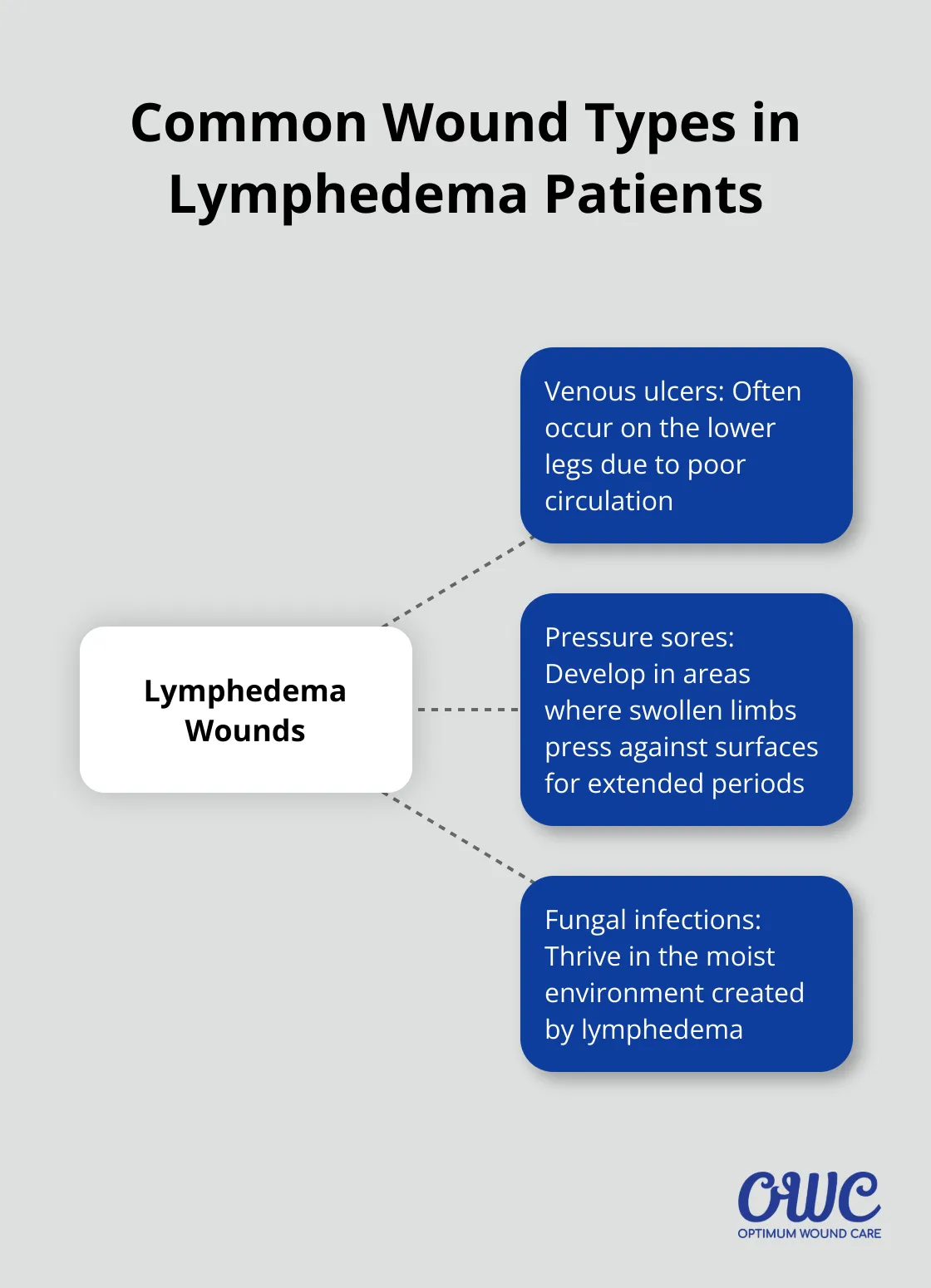
Common Wound Types in Lymphedema Patients
Lymphedema patients are prone to specific types of wounds:
- Venous ulcers: These often occur on the lower legs due to poor circulation.
- Pressure sores: These develop in areas where swollen limbs press against surfaces for extended periods.
- Fungal infections: These thrive in the moist environment created by lymphedema.
The OWC clinic has treated numerous cases of these wound types, each requiring a tailored approach to management.
Challenges in Wound Care for Lymphedema Patients
Treating wounds in lymphedema patients presents unique challenges. Lymphedema can slow wound healing and increase infection risks. Additionally, the altered skin texture and reduced elasticity can make wound closure more difficult.
OWC Center has developed specialized protocols to address these challenges. Their approach combines advanced wound care techniques with lymphedema management strategies to optimize healing outcomes.
The Importance of Early Intervention
Early detection and treatment of both lymphedema and associated wounds are critical. Prompt intervention can significantly reduce healing time and prevent complications (as observed at OWC Center).
Patients in Louisville who experience symptoms of lymphedema or struggle with slow-healing wounds should seek professional care. The team at Optimum Wound Care (equipped with state-of-the-art technology) provides comprehensive assessment and treatment, ensuring the best possible outcomes for patients.
As we move forward, let to explore effective lymphedema management techniques that can be integrated with wound treatment. These strategies form the foundation of successful care for patients dealing with both lymphedema and wounds.
Mastering Lymphedema Management Techniques
Manual Lymphatic Drainage: A Gentle Yet Powerful Approach
Manual lymphatic drainage (MLD) stands as a cornerstone of lymphedema management. This specialized massage technique stimulates the lymphatic system, encouraging the flow of lymph fluid away from swollen areas. One of the key benefits of lymphatic drainage massage is its ability to reduce swelling after surgery. At Optimum Wound Care (OWC Center) in Louisville, trained therapists perform MLD using light, rhythmic strokes that follow the natural pathways of the lymphatic system.
Patients often report immediate relief from heaviness and discomfort after MLD sessions. More importantly, regular MLD can lead to long-term improvements in lymph flow, reducing the risk of complications and supporting faster wound healing.
Exercise Strategies: Movement as Medicine
Movement plays a vital role in managing lymphedema. Gentle exercises help pump lymph fluid through the body, reducing swelling and improving overall circulation. OWC Center works with each patient to develop a personalized exercise plan that’s both effective and enjoyable.
Exercises that help manage lymphedema are called decongestive exercises. They’re an important part of managing lymphedema. Simple exercises like ankle pumps, arm circles, and walking can make a big difference. Patients who incorporate these movements into their daily routine often see faster improvements in both their lymphedema symptoms and wound healing progress.
Skin Care: The First Line of Defense
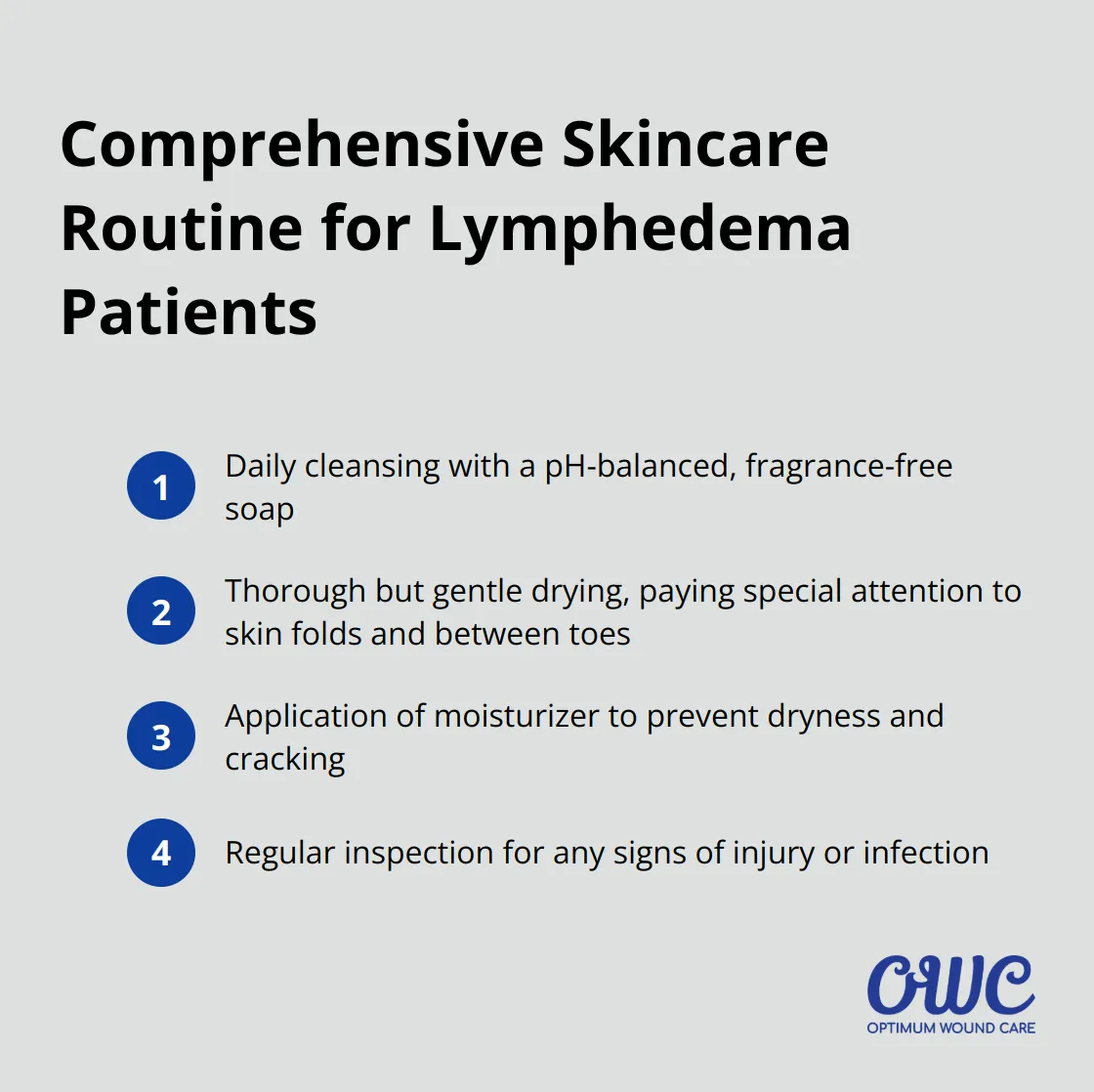
Proper skin care is essential for lymphedema patients, especially those with wounds. The skin acts as a barrier against infection, so maintaining its integrity is paramount. A comprehensive skincare routine includes:
- Daily cleansing with a pH-balanced, fragrance-free soap
- Thorough but gentle drying (paying special attention to skin folds and between toes)
- Application of moisturizer to prevent dryness and cracking
- Regular inspection for any signs of injury or infection
Patients who diligently follow these skincare practices often experience remarkable improvements. Not only does it help manage lymphedema, but it also creates an optimal environment for wound healing.
Compression Therapy: A Key Component
Compression therapy forms an integral part of lymphedema management. It involves the use of specialized garments or bandages to apply pressure to affected limbs, helping to reduce swelling and improve lymph flow. OWC Center offers a range of compression options (including custom-fitted garments) to suit each patient’s unique needs.
Compression garments are important and effective tools in the management of lymphoedema. They can facilitate self-sufficiency and self-care. Regular use of compression therapy can significantly reduce limb volume, improve skin texture, and enhance overall comfort. When combined with other management techniques, it creates a powerful synergy for effective lymphedema control and wound healing.
The integration of these techniques – manual lymphatic drainage, targeted exercise, meticulous skin care, and compression therapy – has helped numerous patients in Louisville effectively manage their lymphedema while supporting wound healing. As we move forward, let’s explore how these management strategies can be seamlessly integrated with wound treatment for optimal results.
How to Integrate Lymphedema Care with Wound Treatment
Coordinating Compression and Wound Care
At Optimum Wound Care (OWC Center) in Louisville, we developed a comprehensive approach to manage lymphedema alongside wound treatment. This integrated strategy improves healing and patient comfort.
Compression therapy plays a vital role in lymphedema management, but it requires careful coordination with wound dressings. We use specialized multi-layer compression systems that allow wound access without compromising lymphedema control. For example, we might use a short-stretch bandage system with a window cut-out for the wound area (allowing easy dressing changes while maintaining compression on the surrounding tissue).
Our wound care specialists work closely with lymphedema therapists to ensure that compression doesn’t impede wound healing. We found that adjusting compression levels throughout the day can significantly improve both lymphedema symptoms and wound healing rates.
Tailoring Treatment for Different Wound Types
Each wound type requires a unique approach when combined with lymphedema management. For venous ulcers, we often employ a combination of compression therapy and advanced wound dressings that manage moisture levels effectively.
For pressure sores, we focus on offloading techniques alongside lymphedema management. This might involve using specialized cushions or positioning devices while maintaining compression on non-affected areas.
Fungal infections require a delicate balance between keeping the area dry and maintaining proper lymph flow. We use antifungal dressings in conjunction with breathable compression garments.
Monitoring and Adapting Care
Continuous monitoring is key to successful integration of lymphedema and wound care. We use advanced imaging techniques like infrared thermography to track changes in both lymphedema and wound status. This allows us to make real-time adjustments to treatment plans.
We implemented a weekly review system where our multidisciplinary team assesses each patient’s progress. This collaborative approach led to improvements in overall treatment outcomes compared to our previous protocols.
Nutrition’s Role in Healing
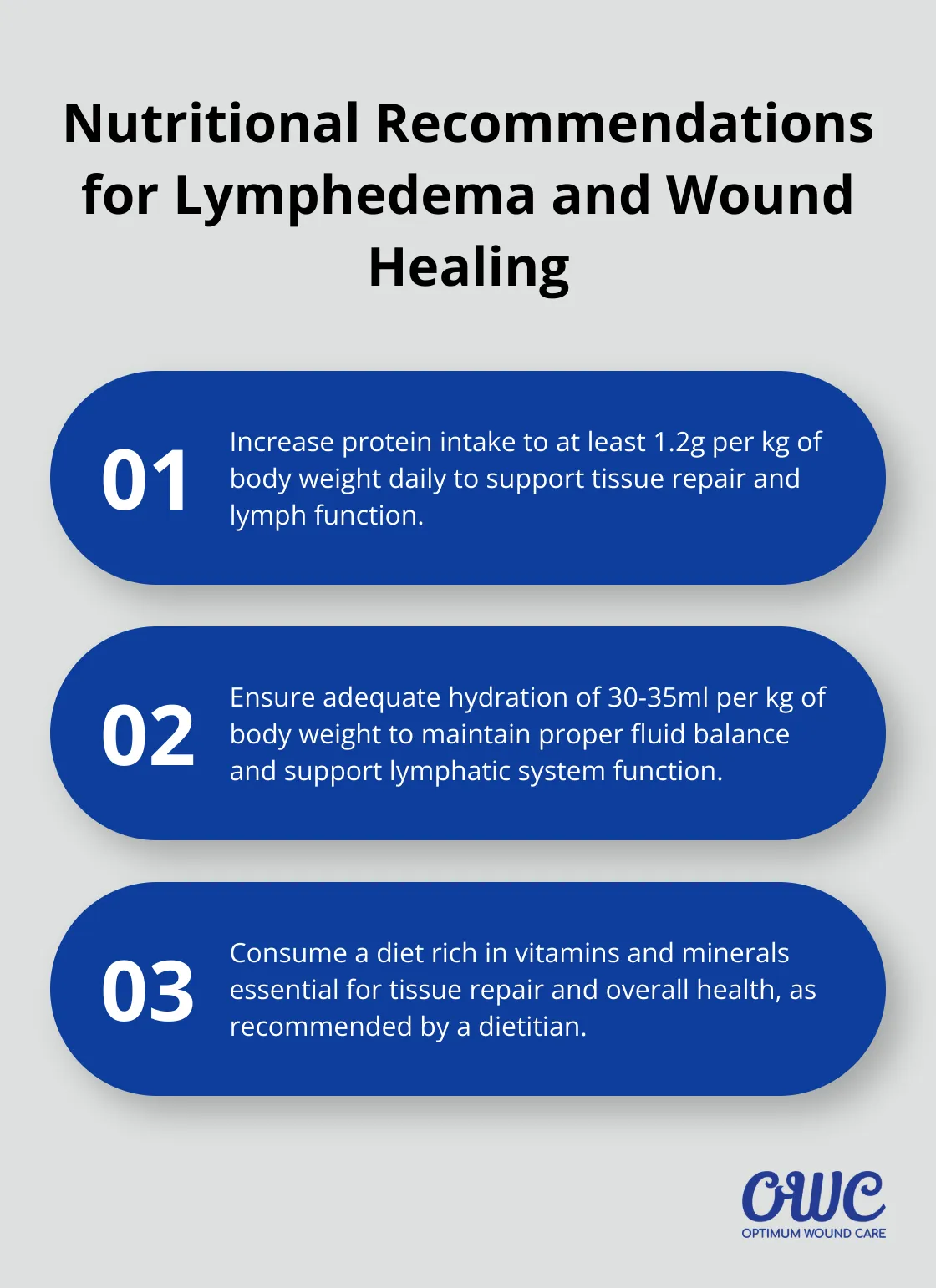
Proper nutrition plays an important role in both lymphedema management and wound healing. Our dietitians work with patients to develop meal plans rich in proteins, vitamins, and minerals essential for tissue repair and lymph function.
Key recommendations include increasing protein intake to at least 1.2g per kg of body weight daily and ensuring adequate hydration of 30-35ml per kg of body weight.
This integrated approach to lymphedema and wound care represents the future of treatment. We address both conditions simultaneously and holistically to provide more effective, efficient care that improves our patients’ quality of life.
Final Thoughts
Managing lymphedema alongside wound treatment demands a comprehensive approach. Patients must combine manual lymphatic drainage, targeted exercises, meticulous skincare, and compression therapy to control their condition effectively. Tailoring these strategies to individual needs and wound types proves essential for optimal healing outcomes.
A holistic care approach addresses both physical aspects and overall well-being, including nutrition and mental health. Numerous resources for lymphedema management in Louisville exist, including specialized services at Optimum Wound Care (OWC Center). Their expert team provides personalized treatment plans and advanced therapies to help patients heal faster and improve their quality of life.
OWC Center commits to providing the latest information on lymphedema management and wound care. We offer practical, evidence-based solutions to help patients navigate their treatment journey. Effective management requires patience, dedication, and collaboration between patients and healthcare professionals.
