Limb Salvage vs Amputation: Decision-Making Factors
The First Step in the Journey
It starts with a wound.
Sometimes small.
Sometimes hidden.
A blister. A sore. A cut that doesn’t heal.
Days pass.
Then weeks.
The wound deepens. Pain grows. Fear creeps in.
Doctors talk about limb salvage.
Others mention amputation.
The words sound heavy.
The decision feels heavier.
This moment is real for many patients. Those living with diabetes. Those struggling with vascular wounds. Those recovering after an accident. The fear is universal—“Will I lose my leg?”
Limb salvage isn’t just about saving a body part. It’s about saving independence. The ability to walk. To drive. To climb stairs. To hug your grandchildren while standing tall. Research from Johns Hopkins Medicine shows that early intervention in chronic wounds dramatically improves outcomes. And the CDC highlights how chronic diseases like diabetes remain a leading cause of lower-limb amputations (CDC report).
At Optimum Wound Care Center, we see this story every day. Patients arrive worried, uncertain, overwhelmed. They want answers. They want hope. And most of all—they want to know if their leg can be saved.
So let’s break it down.
What limb salvage means.
What amputation means.
And how doctors and patients walk this road together.
Amputation Criteria: When Doctors Must Decide
Deciding on amputation is never a first choice. It is a last resort. Doctors weigh multiple amputation criteria before moving forward. Each case is unique, but several key factors always come into play.
Medical Factors Considered
- Severity of infection: If infection is life-threatening or spreading.
- Circulation problems: When blood flow cannot be restored.
- Tissue death: Necrosis or gangrene that cannot be reversed.
- Systemic illness: If salvage attempts would endanger overall health.
- Functionality of the limb: If even a healed limb would remain non-functional.
Balancing Risk and Hope
Physicians often attempt salvage first, but when the risks outweigh the benefits, amputation may actually offer relief. A patient with uncontrolled infection may face danger if doctors delay amputation. For another patient, salvage may bring better outcomes.
Storytime example:
One gentleman came to OWC Center with severe infection in his foot. He desperately wanted to avoid amputation. But after weeks of trying salvage—including advanced wound care and antibiotics—the infection spread to his bone. At that point, his doctors gently explained that amputation wasn’t failure. It was survival. It was giving him a second chance to live fully with the help of a prosthesis.
👉 Learn about our specialized Pressure Injury Treatment.
Bullet Point Recap of Amputation Criteria
- Infection risk to life
- No blood flow restoration possible
- Non-healing chronic wounds
- Patient’s health cannot support salvage
- Functionality too low to justify saving limb
Vascular Wounds: The Turning Point in Limb Decisions
Vascular wounds are among the strongest predictors of whether salvage will succeed. Without healthy blood flow, wounds can’t heal. It’s like planting a seed in dry soil—no water, no growth.
How Doctors Assess Vascular Health
- Vascular imaging to check arteries.
- Angioplasty or bypass surgery to open or reroute blood flow.
- Doppler tests to measure circulation.
When blood flow is restored, healing improves dramatically. This is why vascular wounds are not just skin-deep—they reveal what’s happening inside the body.
Storytime example:
One woman with diabetes battled ulcers for years. She nearly scheduled an amputation. But after a vascular surgeon opened blocked arteries, blood returned to her legs. Within months, her wounds improved with specialized wound therapy. She walked out of our clinic smiling. That’s the power of restoring circulation.
👉 Learn more about Diabetic Foot Ulcer Treatment.
Bullet Recap of Vascular Wounds & Decisions
- Good blood flow = higher chance of salvage.
- Blocked vessels = higher risk of amputation.
- Revascularization often changes the outcome.
Physical and Emotional Impacts of Limb Salvage vs Amputation
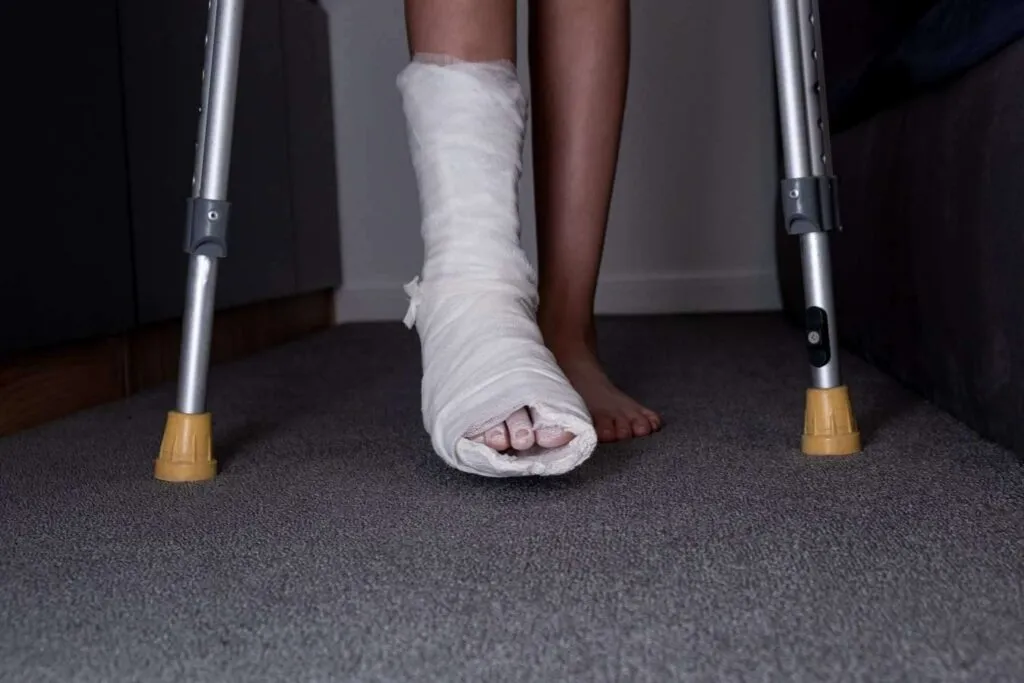
This decision is never just medical. It’s personal. It affects how a person walks, works, and feels about themselves.
Limb Salvage Impacts
- Physical: Longer healing, sometimes multiple surgeries.
- Emotional: Preserves identity, reduces trauma of loss.
- Social: Maintains independence, easier adjustment.
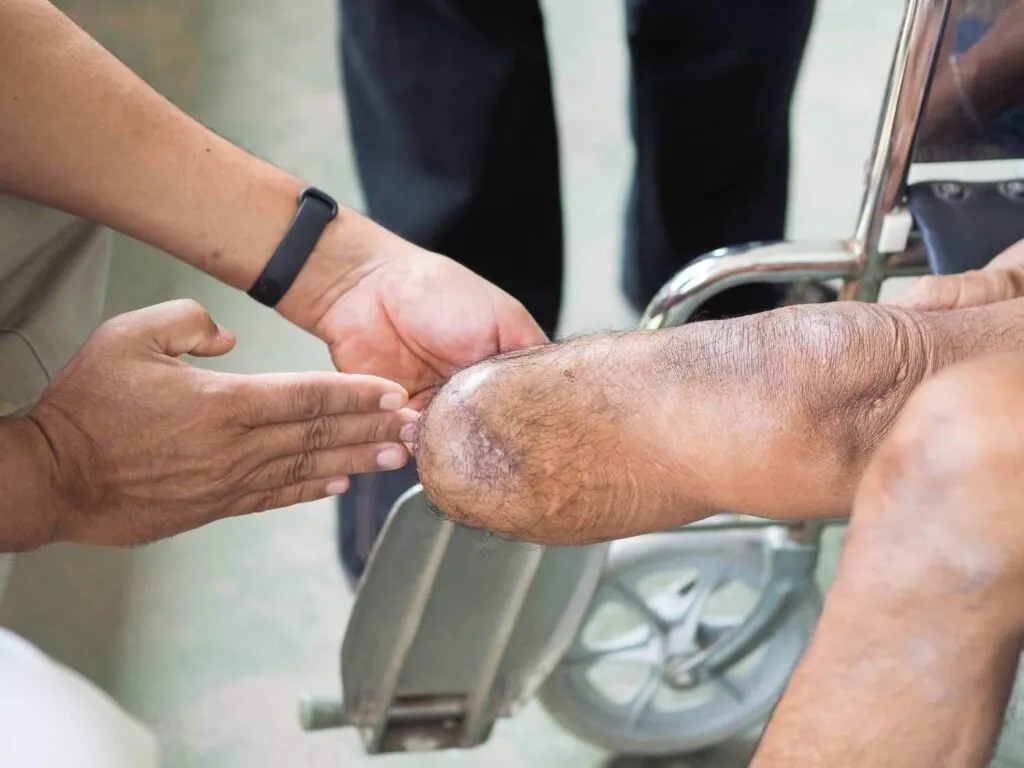
Amputation Impacts
- Physical: Sometimes faster recovery, but requires prosthetics.
- Emotional: Grief, anxiety, or depression may follow.
- Social: Patients may need support to adjust mobility.
At OWC Center, our approach is holistic. We treat the wound, but we also support the heart. Peer support groups, counseling, and rehabilitation planning are as important as medical procedures.
Shared Decision-Making: Doctors and Patients Together
The final choice between limb salvage and amputation is never made by doctors alone. It’s a collaboration.
What Doctors Bring
- Medical evidence: imaging, labs, wound evaluations.
- Honest assessments: balancing hope with realism.
- Treatment pathways: salvage attempts, or amputation if needed.
What Patients Bring
- Goals and values.
- Lifestyle priorities (walking vs prosthetic adjustment).
- Emotional readiness.
👉 Contact us for a personalized Wound Care Consultation.
Bullet Recap of Shared Decision-Making
- Doctors provide expertise.
- Patients provide values.
- Together, they choose the best path.
Every journey with limb salvage or amputation begins with a wound, but the path forward is never the same for two people. For some, restoring circulation and using advanced wound therapies keeps independence intact. For others, choosing amputation is not a loss, but a step toward renewed strength, freedom from pain, and a future with mobility.
What matters most is that no one faces these decisions alone. With the right care team, every factor—medical evidence, vascular health, emotional wellbeing, and personal goals—is weighed with compassion and honesty. Hope and realism meet here, where doctors and patients walk side by side.
Whether it’s preserving a leg through revascularization or finding a new beginning with a prosthesis, the focus remains the same: protecting dignity, quality of life, and the ability to keep moving forward. Each choice reflects resilience, trust, and the courage to embrace healing in whatever form it takes.
At the heart of it all is this truth: the goal isn’t just saving a limb, it’s saving what matters most to you—your independence, your relationships, your future. And with the right support, every step—whether on two legs or with a prosthesis—can still be a step toward living fully.
Key Takeaways
- Limb salvage is about more than saving a leg—it’s about saving independence.
When blood flow can be restored and wounds are treated with advanced therapies, patients often keep their mobility and quality of life. At Optimum Wound Care Center’s Advanced Wound Care Services, we focus on giving patients every opportunity to preserve independence and avoid unnecessary amputation. - Amputation is never a failure—it’s sometimes the safest and most compassionate choice.
When infection, poor circulation, or non-healing wounds put a patient’s life at risk, amputation may bring relief and open the door to healing. With the right prosthetics and rehab, many patients regain mobility and confidence. Learn more through our Pressure Injury Treatment programs. - Vascular wounds are the turning point in decision-making.
Good circulation often determines whether limb salvage succeeds. Procedures like angioplasty and bypass can transform outcomes. That’s why early assessment and intervention for Diabetic Foot Ulcers and other vascular wounds are so critical in preventing amputations. - Both limb salvage and amputation carry physical and emotional impacts.
Salvage can mean longer healing, while amputation can mean faster recovery but emotional adjustment. At OWCCenter’s Wound Management Services, we support patients holistically—addressing not just the wound, but the heart and mind as well. - The final decision is always a partnership between doctor and patient.
Shared decision-making ensures the plan reflects both medical realities and personal values. At OWCCenter, we sit with patients and families, answer questions in plain language, and build a path forward together. Schedule your Personalized Wound Care Consultation to explore your options.
5 Related Questions (Asked & Answered)
1. What is limb salvage and when is it considered?
Limb salvage refers to medical and surgical efforts aimed at saving a limb from amputation. This usually involves restoring blood flow, healing wounds, and treating infection. At OWC Center, this often means combining vascular care, wound management, and rehabilitation to give patients the best chance of keeping their limb.
Limb salvage is considered when:
- The patient has vascular wounds due to diabetes, peripheral artery disease, or injury.
- There is a chance to restore circulation through procedures like angioplasty or bypass.
- The wound is not responding to standard care, but advanced therapies (like negative pressure wound therapy or grafts) are possible.
- The patient’s overall health allows for treatment and recovery.
At its heart, limb salvage is about more than avoiding surgery. It’s about protecting independence, emotional wellbeing, and the ability to walk, work, or simply enjoy daily activities.
👉 Learn more about our Advanced Wound Care Services.
2. What are the main amputation criteria doctors consider?
Deciding on amputation is never taken lightly. Physicians look at several amputation criteria when weighing options. These include:
- Severity of infection: If infection threatens the patient’s life or has spread beyond control.
- Circulation: When blood flow cannot be restored, and tissue is no longer viable.
- Non-healing wounds: Chronic ulcers that fail to heal despite advanced care.
- Patient’s overall health: Sometimes, systemic illness makes limb salvage unsafe.
- Functionality: If the limb is unlikely to regain meaningful function, amputation may improve mobility with a prosthesis.
In many cases, doctors attempt salvage first, but amputation may be the safest path if the risks outweigh the benefits. While the word “amputation” can feel overwhelming, it’s important to remember that it is sometimes the most compassionate medical choice, offering pain relief and a chance for rehabilitation.
👉 Learn about our specialized Pressure Injury Treatment.
3. How do vascular wounds influence the decision?
Vascular wounds—often linked to diabetes or poor circulation—play a major role in determining whether limb salvage is possible. Without good blood flow, even the best wound care may not succeed, because tissues cannot get the oxygen and nutrients they need.
Doctors may recommend:
- Vascular imaging to see where blockages are.
- Angioplasty or bypass surgery to restore circulation.
- Advanced dressings or hyperbaric oxygen therapy to stimulate healing.
When circulation can be improved, limb salvage becomes much more viable. But if vascular damage is too advanced, amputation might be the safer route.
Storytime example:
One of our patients with long-standing diabetes developed severe foot ulcers. Initially, the wounds resisted healing, but after successful revascularization, advanced wound therapy allowed us to avoid amputation and return her to walking comfortably again. This is why early vascular assessment is crucial.
👉 Learn about Diabetic Foot Ulcer Treatment.
4. What are the physical and emotional impacts of amputation vs limb salvage?
This is one of the most important questions families ask us. Both choices affect the body and the heart.
Limb Salvage Impacts:
- Physical: Often requires multiple procedures and a longer healing process.
- Emotional: Preserves the patient’s identity and independence.
- Social: Helps maintain confidence in daily activities.
Amputation Impacts:
- Physical: Quicker recovery in some cases, but requires prosthetics and rehabilitation.
- Emotional: Can lead to grief, anxiety, or depression without support.
- Social: Patients may need help adjusting to mobility changes.
At OWC Center, we support both paths. Our multidisciplinary team offers not only wound care, but also counseling, peer support, and rehabilitation planning. Whether a patient chooses salvage or amputation, they are not walking the journey alone.
5. How do doctors and patients make the final decision together?
The decision between limb salvage vs amputation is always collaborative. Doctors bring medical expertise, but patients bring their goals, lifestyle, and personal values.
Key factors in decision-making include:
- Medical evidence: Imaging, lab results, wound assessments.
- Patient’s health: Age, diabetes control, heart health.
- Recovery outlook: Likelihood of walking again, independence.
- Patient preference: Some patients may prefer to try every salvage option, while others may choose amputation for a quicker recovery.
At OWC Center, we emphasize shared decision-making. We sit with families, explain risks and benefits in plain language, and create a personalized plan. Hope and realism walk hand in hand.
