
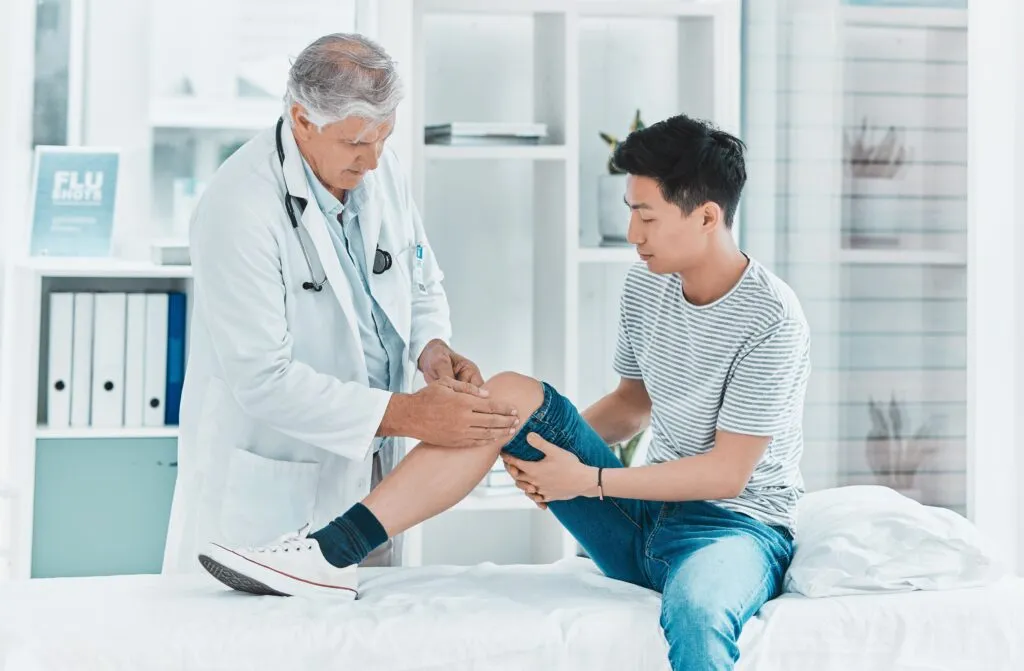
How to Talk to Your Doctor About Wound Symptoms
When something’s not healing, your body talks. But do we?
The cut won’t close. The skin stays red. There’s a smell. Maybe even a new pain. You clean it. Rebandage it. Hope it goes away.
Still, it lingers.
You wonder: “Should I call someone?”
But it feels small. Maybe even silly.
That hesitation? It’s more common than you think.
According to research, untreated wounds can turn serious—especially in people with diabetes, vascular disease, or immune disorders. Even tiny signs can signal something bigger underneath.
Still unsure? The National Institutes of Health warns that delayed wound care leads to complications. From infection to hospitalization, ignoring symptoms costs more than just time.
And yet, people hesitate. Why?
Because we don’t always know how to talk about our wounds. Or when. Or what’s normal.
That’s where this guide comes in.
Recognizing Wound Symptoms That Shouldn’t Be Ignored
Sometimes it’s obvious. Sometimes it’s not.
Many wound symptoms develop slowly—quiet signals that something’s wrong.
Here’s when to raise your hand:
- Persistent redness or swelling after a few days
- Worsening pain that doesn’t improve
- Foul-smelling drainage (yellow or green)
- Heat or warmth around the area
- Dark, blackened edges—a sign of tissue death
- Fever, chills, or overall fatigue
Even if it looks minor, say something. A wound that “just isn’t right” is worth attention. And earlier is always better.
Early intervention helps avoid complications like cellulitis, sepsis, or chronic non-healing wounds.
👉 Schedule a professional wound assessment if you see any of the above.
COMMUNICATION TIPS: Explaining Wound Symptoms Effectively
Don’t know what to say? Start with what you feel.
Many patients struggle to describe what’s happening. That’s okay.
Try these strategies when talking to your doctor:
Be Specific
- “It started draining on Sunday.”
- “The area changed from pink to dark red.”
Rate and Track Pain
- “It’s 7 out of 10 when I move.”
Share Your Routine
- “I clean it twice daily and apply ointment, but it still leaks.”
Use Photos
Take pictures over several days. They can show progression better than memory.
Mention Your Concerns
Say what you’re afraid of—don’t hold back.
Helpful Tip: Bring a list of symptoms and dates. Use bullet points to describe what’s changed.
Communication builds trust. It also shortens diagnosis time—and gets you faster treatment.


EARLY INTERVENTION: When to Stop Self-Treating and Seek Help
It’s tempting to wait.
To try one more ointment. Or change the bandage one more time.
But some wounds won’t heal without help.
You should stop home care and contact a provider if:
- There’s no healing in two weeks
- You have diabetes or heart disease
- Swelling or pain increases
- Drainage thickens or smells foul
- Redness spreads outward from the wound
Why Delaying Can Be Dangerous
According to Johns Hopkins Medicine, untreated wounds can lead to infection, hospitalization, or even limb loss in extreme cases.
What Happens in Professional Wound Care?
At OWC Center, we use tools like:
- Ultrasound wound assessment
- Oxygen therapy for healing
- Custom wound dressing protocols
🟡 Chronic wounds often require a multi-disciplinary approach—especially in older adults or those with poor circulation.
📍 Explore how our advanced wound therapies can help.
COMMUNICATION TIPS BEFORE YOUR VISIT
Want to help your doctor help you?
Show up prepared.
Use This Checklist
- ✅ Track symptoms (start date, severity, progression)
- ✅ Bring photos (before/after)
- ✅ List all meds and treatments you’ve used
- ✅ Write down key questions or fears
- ✅ Bring a support person if needed
When you prepare, your provider can act faster—and with more clarity.
FOLLOW-UP & MONITORING: What If It Gets Worse?
Healing isn’t always linear.
Some days get better. Others feel like a setback.
That’s why follow-up care matters.
Reach out right away if:
- 🚨 Fever or chills develop
- 🚨 Pus, blood, or foul odor returns
- 🚨 Pain intensifies or feels different
- 🚨 Wound size increases
- 🚨 Skin color changes (blue, black, deep red)
Keep a Wound Journal
Document changes, pain scores, and any new symptoms. This helps during follow-up visits.
Use Telehealth Tools
If you can’t make it in, OWC Center offers virtual check-ins.
Wounds don’t always shout—they whisper. But those whispers matter.
A red edge that lingers. A mild pain that sharpens. Drainage that smells just a bit off. These aren’t just annoyances—they’re messages from your body asking for attention. For patients managing conditions like diabetes, poor circulation, or immune disorders, even the smallest change can signal a deeper issue. The key? Recognizing when that shift means it’s time to act—and knowing how to speak up.
You don’t need to use medical jargon to be heard. Just be honest. Say what’s changed. What hurts. What worries you. Take a picture, write down symptoms, track your pain. This isn’t just reporting—it’s giving your provider the tools to help you heal faster. And if things get worse? Don’t wait. Contact your doctor if you see signs like fever, darkening skin, or persistent swelling. That “just in case” visit could prevent infection, hospitalization, or worse.
At OWC Center, we meet patients where they are—with advanced diagnostics, oxygen therapy, and personalized care plans. Whether it’s your first visit or a follow-up, we’ll listen to your story and treat what others might overlook.
Key Takeaways
- Don’t Downplay Early Warning Signs
Redness, swelling, heat, or unusual drainage may seem small—but they can point to bigger health concerns, especially in people with chronic conditions like diabetes or poor circulation. Recognizing wound symptoms early can mean the difference between a quick recovery and long-term complications. If something feels off, trust your instincts and get it checked. - Be Honest and Descriptive with Your Doctor
You don’t need medical language to be understood—just speak from the heart. Mention when symptoms started, how they’ve changed, and what worries you. Effective communication speeds up diagnosis and makes treatment more targeted. Photos, pain ratings, and simple timelines are incredibly helpful. - Know When to Stop Self-Treating
Trying home remedies for too long can delay healing and increase the risk of infection. If your wound isn’t improving after two weeks—or if it’s getting worse—it’s time for a professional wound care evaluation. Early treatment prevents chronic issues and supports full recovery. - Preparation Makes Your Appointment More Effective
A little prep goes a long way. Before your visit, jot down your symptoms, treatments tried, and any specific concerns. Bring photos and a loved one if you need support. Use our wound consultation resources to feel confident and ready to advocate for your health. - Stay Involved with Ongoing Monitoring
Healing doesn’t always follow a straight path. If new symptoms develop, don’t wait. Reach out to your provider or schedule a telehealth check-in for guidance. Keep a wound journal and take photos to track healing—it can make all the difference during follow-up care.5 Related Questions Patients Often Ask
- What are the most common wound symptoms I should talk to my doctor about?
Many people downplay wound symptoms or wait too long to seek help. But early intervention can be life-changing especially if you’re healing slowly or managing chronic conditions like diabetes.
Here are common wound symptoms that signal it’s time to talk to your provider:
- Persistent redness or swelling after a few days
- Increased pain instead of improvement
- Foul odor or yellow/green drainage
- Warmth or heat around the wound site
- Darkening or black edges (a sign of dying tissue)
- Fever, chills, or fatigue—possible systemic infection
🟡 Early signs shouldn’t be ignored.
Even something as subtle as “it just doesn’t look right” is worth mentioning.
👉 If you notice any of these symptoms, schedule a professional wound assessment at our clinic for peace of mind.
2. How can I clearly explain my wound symptoms to my doctor?
Describing wound symptoms might feel awkward or uncertain—but it doesn’t have to be.
Try these communication tips to help your provider understand your condition better:
- Use timelines: “It started draining on Monday.”
- Describe changes: “It was pink, now it’s dark red.”
- Rate your pain: “It’s a 7 out of 10 when I walk.”
- Mention your routine: “I clean it daily, but it still leaks.”
- Share concerns: “I’m afraid it’s infected.”
🗣️ Remember: Your doctor wants details, not perfection. Bring photos of the wound’s progression if possible—they help tell the story when words can’t.
💡 A good rule? Don’t minimize. Even if it feels minor, trust your gut. Early conversations prevent late-stage complications.
📍 Learn more about what to expect in a wound consultation here.
3. When should I stop self-treating and seek professional wound care?
It’s tempting to try every ointment, dressing, or home remedy—but some wounds need expert care.
Seek intervention if:
- Your wound hasn’t healed in 2 weeks
- You have chronic conditions like diabetes, heart disease, or vascular issues
- There’s increasing pain, swelling, or heat
- You’ve already tried basic at-home treatments without success
- You notice thick discharge, bad smell, or spreading redness
Delaying care can lead to chronic wound development, infections, or even tissue loss.
4. What can I do before my appointment to prepare for the conversation?
Showing up prepared helps your doctor make faster, smarter decisions about your care.
Here’s a simple checklist:
- ✅ Track your symptoms (duration, changes, pain scale)
- ✅ Take photos over several days
- ✅ List all medications you’re using—topical and oral
- ✅ Note what you’ve tried (ointments, bandages, etc.)
- ✅ Write down your questions in advance
Also, bring a family member or caregiver if you need support—they can help communicate details you might forget.
🧠 Think of your appointment as a team effort. You’re not just reporting symptoms—you’re helping your doctor uncover the cause and create the best plan.
5. How do I follow up with my doctor if my wound symptoms get worse?
Healing doesn’t always go as planned—and that’s okay. But staying in touch with your provider is essential if things change.
🚨 Contact your doctor immediately if:
- You develop a fever or chills
- The wound starts bleeding, oozing pus, or smells bad
- You notice spreading redness or darkening skin
- Pain becomes intense or constant
📱 Keep a wound journal or use your phone’s photo log to track progress. That way, even minor shifts won’t get missed.
📍 OWC Center offers ongoing wound monitoring and telehealth consultations to keep you safe between visits.
The biggest takeaway? Don’t wait. Healing is a journey—and we’re here for every step.
