
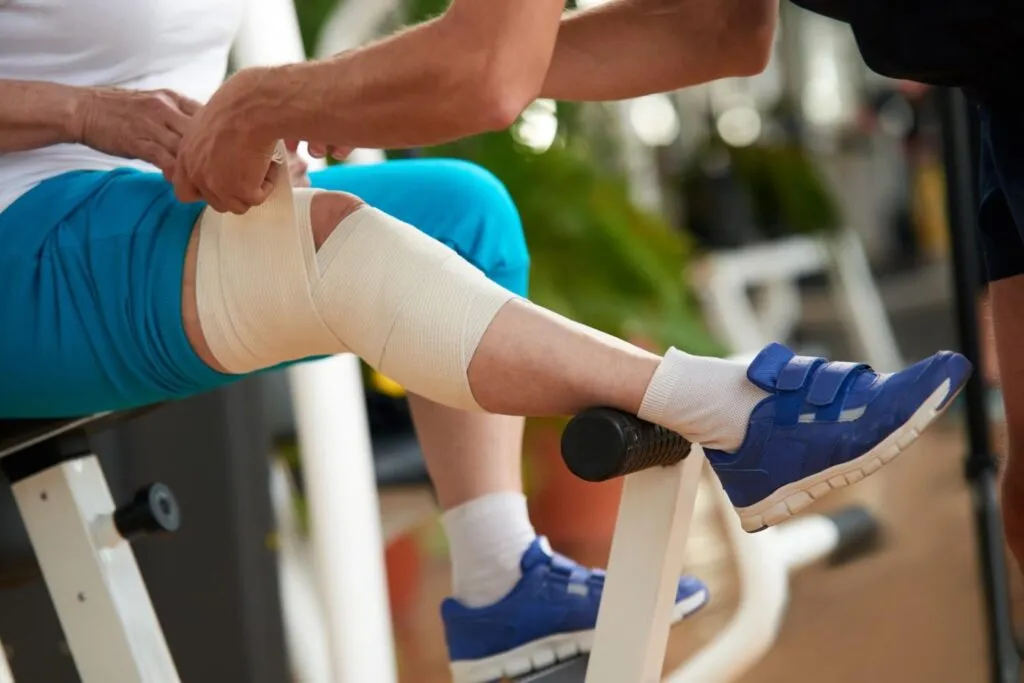
How to Safely Exercise with an Open Wound
When Movement Feels Impossible: Starting Small with Exercise and Wound Care
It’s strange, isn’t it?
One day, you’re active. Moving freely. Maybe going for walks. Doing your workouts. The next day—bam. An injury. Surgery. Or a open wound that just won’t heal.
And suddenly, you feel stuck.
You’re afraid to move. You’re afraid to rest too much. You’ve probably wondered, What if I make this worse?
Here’s the truth: You are not alone. So many people feel this way. And the good news? You don’t have to choose between total inactivity and risk.
Exercise and wound care are not enemies. They can work together—when you know how to do it safely.
Think of movement as medicine. Small, steady doses help your body heal. The trick is to understand what your wound can handle, how to protect it, and how to listen when your body says, That’s enough for today.
And science backs this up. According to the National Institutes of Health, moderate exercise improves circulation and supports faster tissue repair.
Even so, it’s normal to feel anxious. You don’t want to reopen your wound or cause an infection. So let’s walk through it—step by step.
We’ll cover:
- How to choose the right physical activity for your situation
- The best ways to protect your wound while moving
- Warning signs you need to stop
- The real benefits of exercise for recovery
No fancy jargon. No judgment. Just straightforward advice you can use today.
The Role of Physical Activity in Recovery
Physical activity after an injury or surgery isn’t just about staying busy. It’s about giving your body the conditions it needs to heal.
Let’s start by addressing the elephant in the room: fear.
You might be worried that movement will pull your stitches, strain your skin, or worsen pain. That’s valid. But the reality is, when you avoid all movement, you set yourself up for other problems:
- Stiff joints that limit mobility long-term
- Muscle atrophy (when muscles waste away)
- Poor circulation that keeps nutrients from reaching your wound
- Lower mood and higher anxiety
Think of exercise as a gentle push in the right direction.
Why does it work?
Because movement improves oxygen flow to your tissues. It also helps the lymphatic system clear waste, which reduces swelling.
Here’s a real-life example:
One of our patients, Tom, came in with a leg wound from a fall. He was terrified to move. Together, we created a simple plan: chair exercises, breathing practice, and light walking with a walker. Four weeks later, he was amazed by how much stronger—and more optimistic—he felt.
Pro Tip: Always start small. Even ten minutes counts.
Wound Protection During Physical Activity

Protecting your wound is the secret sauce to safe movement.
Whether you have a surgical incision, a diabetic ulcer, or a chronic sore, you need strategies to keep it clean and secure.
Here’s how:
Dress Smart
Your dressing is your first line of defense. Choose materials designed for mobility. Foam or hydrocolloid dressings with strong adhesive edges stay in place even as you move.
- Hydrocolloid Dressings: Great for moderate drainage.
- Foam Dressings: Cushioned protection against friction.
- Elastic Wraps: Help keep the dressing secure in high-movement areas.
If you’re unsure which dressing is best, talk to your clinician.
Avoid Moisture Traps
Sweat happens. But moisture increases the risk of bacteria.
- Wear breathable, loose-fitting clothes.
- Pat the wound area dry if you perspire.
- Change your dressing if it gets damp.
Reduce Pressure
If your wound is on your foot, try:
- Seated resistance training
- Upper-body stretching
- Gentle breathing exercises
Avoid any direct pressure—it can delay healing and open your wound.
Tip: Consider using protective sleeves or padded covers for extra security.
Want more wound protection tips? Visit our Comprehensive Wound Assessments page.
Recognizing When to Stop
Even when you’re careful, your body may sometimes say not today.
Here’s what to look for:
- New bleeding or increased drainage: Especially bright red blood
- Severe pain: Beyond normal discomfort
- Hot, red, or swollen skin around your wound
- Foul odor
- Fever or chills
If you notice any of these, stop your activity and contact your wound care provider immediately.
Remember—pushing through pain doesn’t make you stronger. Listening to your body does.
Here’s a helpful resource from the CDC on recognizing exercise safety signals.
Exercise and Wound Healing—Why It Works
Keyword: Exercise and Wound Care
You might still be wondering: Is all this effort worth it?
In short—yes.
Here’s why movement matters:
- Improved Circulation: More oxygen to your wound = faster healing.
- Enhanced Mood: Exercise reduces depression and anxiety.
- Better Sleep: Physical activity helps regulate sleep cycles.
- Maintained Muscle Mass: Keeps you strong, even when resting more.
- Better Blood Sugar Control: Especially crucial if you have diabetes.
Case Study:
Maria, a patient with a diabetic foot ulcer, was overwhelmed by the idea of exercise. She started with daily breathing exercises and five minutes of chair yoga. Over two months, she increased circulation, reduced swelling, and improved her glucose levels.
Quick Tips:
- Start small—think minutes, not hours.
- Stay consistent—daily movement matters more than occasional bursts.
- Celebrate each milestone.
You don’t have to do this alone. Our team is here to guide you every step of the way.
Building a Routine for Safe Movement
Keyword: wound protection
Creating a daily exercise plan is easier than you think.
Start Simple
- Chair Yoga: Flexibility without pressure
- Breathing Exercises: Calm your mind and body
- Seated Resistance: Small weights or bands
Monitor Your Progress
Check your wound daily. Use a mirror or ask for help if needed. Take photos if your provider recommends tracking healing.
Adjust as You Go
Healing changes week to week. A plan that worked last month may need tweaks now.
Pro Tip: Keep a journal. Note what feels good, what hurts, and any changes in your wound.
Tips for Safe Exercise and Wound Care
Keyword: wound protection
Use these five practical tips to stay safe and confident:
- Wear Proper Dressings: Use medical-grade materials designed for movement.
- Stay Hydrated: Drink water before and after activity.
- Check Your Wound: Before and after each session.
- Avoid High-Impact Activities: No running or jumping.
- Seek Support: Ask for help if you feel unsure.
If you’d like help customizing your plan, please contact us.
You deserve support, guidance, and a recovery you can trust.
When you’re recovering from a wound, it’s easy to feel like every step you take is risky. But learning to move with intention and care can make all the difference. You don’t have to stay frozen in fear or give up on activity altogether.
Small, mindful efforts—like a few minutes of seated stretching, a short walk with protective dressings, or simply breathing deeply—can help you stay stronger and more hopeful as your body heals. Remember, each person’s situation is unique. The location of your wound, the type of dressing you use, and how your body responds all play a role in what’s safe.
Keep an eye out for the warning signs that something isn’t right: unexpected pain, swelling, or any change in how your wound looks or smells. If those appear, don’t push through—pause and talk to your care team.
With the right precautions, exercise becomes more than movement—it becomes an essential partner in your recovery. It keeps your circulation flowing, your mood steady, and your body resilient. And while the process might feel intimidating at first, every small effort adds up.
No one heals in isolation. Whether you need help choosing secure dressings, modifying your favorite activities, or simply a bit of encouragement, know that support is always within reach.
Key Takeaways
✅ Exercise can be safe and beneficial—even with an open wound.
With the right approach, movement isn’t just possible; it can actually accelerate your healing. Gentle, low-impact activities help improve circulation and keep your body strong while you recover. Always check with your care provider before you start any exercise routine.
✅ Proper wound protection is essential during physical activity.
Using secure dressings, breathable clothing, and protective covers can prevent irritation and infection. Don’t skip these simple steps—wound protection makes all the difference when staying active. If you’re unsure which products to use, our team can help you choose the right options.
✅ Pay attention to your body’s signals and stop if something feels wrong.
New pain, bleeding, swelling, or unusual drainage are signs it’s time to pause and call your wound care provider. It’s always safer to ask questions and get guidance than risk complications. You can learn more about warning signs on our Comprehensive Wound Assessments page.
✅ Small, consistent movement is better than doing too much at once.
A few minutes of chair yoga or a short walk each day supports healing far more than sporadic, intense activity. Start with manageable goals and build up slowly as your wound improves. Our Exercise and Wound Care Resources have ideas to help you get started safely.
✅ You don’t have to navigate recovery alone.
Having support makes all the difference. Whether you need help creating an exercise plan, choosing dressings, or simply encouragement to keep going, our team is here for you. Reach out anytime—we’re committed to helping you heal with confidence and care.
5 Related Questions Asked and Answered
1️⃣ Can I exercise if I have an open wound?
Absolutely—with caution. Many people assume any wound means total bed rest. But in many cases, light to moderate physical activity is beneficial. Before you begin, it’s important to talk with your wound care specialist or healthcare provider to make sure exercise is safe for your specific situation.
Here are a few things to keep in mind:
- Wound Location Matters: If your wound is on your leg or foot, weight-bearing exercise may need to be limited or modified. Upper-body exercises or seated activities might be recommended instead.
- Type of Wound: Surgical incisions, ulcers, or traumatic wounds each have different care needs.
- Healing Stage: Early-stage wounds may be more fragile. As healing progresses, your activity options can expand.
- Dressing Stability: Make sure your dressing is secure. Use bandages or specialized wound covers to keep it protected from friction and contamination.
At OWC Center, we encourage patients to think of exercise as part of holistic recovery—not an all-or-nothing activity. Even short walks or chair exercises can help you maintain strength and boost circulation. If you have questions, our Wound Care Services team can guide you in choosing the safest options.
2️⃣ What types of exercise are safe when you have an open wound?
The safest exercises depend on where your wound is, how well it’s healing, and your overall health. Generally, low-impact activities are preferred, such as:
- Seated Resistance Training: Use resistance bands or light weights while sitting to work your arms and shoulders.
- Gentle Stretching: Carefully maintain flexibility without pulling near the wound site.
- Walking: If permitted, slow-paced walking improves circulation and mood.
- Breathing Exercises: Deep breathing and relaxation techniques help manage stress, which can also impact wound healing.
Tips for Safe Exercise:
- Avoid high-intensity or high-impact workouts that can reopen or irritate your wound.
- Keep your wound covered with a clean, breathable dressing.
- Wear loose, non-restrictive clothing.
- Check your wound immediately after exercise for any bleeding, swelling, or redness.
- Stay hydrated and avoid overheating.
If you’re unsure what’s appropriate, our clinicians can create a customized plan. Visit our Advanced Wound Care page to learn more.
3️⃣ How can I protect my wound while exercising?
Protecting your wound during physical activity is crucial to prevent infection and support healing. Here’s how you can do it effectively:
- Use Secure Dressings: Choose wound dressings designed for movement, such as hydrocolloid or foam dressings with strong adhesive borders.
- Add an Outer Cover: If your wound is in a high-friction area (like your shin), consider protective sleeves or elastic wraps.
- Keep It Dry: Moisture can lead to bacteria growth. If you sweat, gently pat the area dry and change your dressing if needed.
- Avoid Direct Pressure: Modify exercises to take pressure off the wound area. For example, if your wound is on your foot, focus on seated activities.
- Inspect Frequently: Before and after exercise, check your wound for signs of irritation or drainage.
At OWC Center, we often see patients whose wounds reopen because of poor protection during daily activities. A few extra precautions can make all the difference. Learn about our Comprehensive Wound Assessments if you’re not sure how to start.
4️⃣ When should I stop exercising or call my wound care provider?
If you notice any of the following, stop exercising immediately and contact your healthcare provider:
- New or Increased Pain: Discomfort is common, but sharp or severe pain is a red flag.
- Bleeding: Fresh bleeding or significant drainage during or after activity needs attention.
- Swelling or Redness: If the area becomes hot, red, or swollen, it could be a sign of infection.
- Odor: Foul-smelling drainage is another infection warning.
- Fever or Chills: Systemic symptoms mean you should call right away.
Remember, it’s always better to be cautious. If you’re unsure whether a symptom is normal, don’t wait. Reach out to your wound care team to prevent complications.
5️⃣ How does exercise actually help wound healing?
Staying active can feel intimidating when you have an open wound, but movement offers many benefits that support faster recovery:
- Improved Circulation: Light exercise increases blood flow, delivering oxygen and nutrients to the wound site.
- Better Lymphatic Drainage: Movement helps remove waste products and reduce swelling.
- Enhanced Mood: Exercise releases endorphins, reducing anxiety and depression—both common in people recovering from injuries.
- Maintained Muscle Mass: Even simple resistance exercises prevent muscle loss during periods of limited mobility.
- Blood Sugar Control: For people with diabetes, regular activity helps stabilize glucose, which supports wound healing.
At OWC Center, we view exercise as a partnership in your recovery. You don’t have to do it alone. Our team will help you build a plan that fits your life, protects your wound, and keeps you moving forward.
If you’d like personalized guidance, please contact us.
