

How to Prepare for Your Wound Care Follow-Up Visit
Pain. Drainage. Swelling. Worry.
If you’ve been dealing with a wound that just won’t heal—or one that’s slow to improve—you’re not alone. Wound recovery is never one-size-fits-all. And for many, the follow-up visit can feel more nerve-wracking than the first appointment.
But here’s the truth: follow-ups are where the real healing happens.
These visits are a vital checkpoint. They tell your provider what’s working and what’s not. They allow adjustments that speed up healing. They give you answers, reassurance, and a personalized path forward.
Still, many people walk into their follow-up unprepared. They forget questions. They can’t recall how the wound looked two weeks ago. Or they skip the visit altogether risking infection or delayed healing.
Don’t let that be you.
Let’s walk through exactly what to expect, what to bring, and what to ask. You’ll leave empowered, not overwhelmed.
👉 According to NIH, chronic wounds affect nearly 6.5 million Americans. And yet, most are preventable or treatable—especially with consistent follow-up care.
Now let’s break it down.
Questions to Ask During Your Wound Care Follow-Up
You’re the expert on how your wound feels day-to-day. Your provider is the expert on how wounds should heal.
Combining your lived experience with their clinical insight makes for the best outcome—but only if you ask the right questions.
Start with these:
- Is my wound healing as expected?
- Are there signs of infection I should watch for?
- Can I get the wound wet?
- Should I be using a different dressing or cream?
- How long will it take to fully close?
Make a written list before you arrive.
Tip: Bring a friend or caregiver. They often think of things you don’t—and help remember the provider’s answers.
🧭 Progress Tracking and Healing Milestones
Healing a wound isn’t just about time—it’s about precision. And at OWC Center, we take a careful, measured approach to track every step of your recovery.
Progress tracking is where science and compassion meet. While we rely on clinical markers, we never forget the human side—how your wound feels, how it affects your daily life, and how confident you feel in your recovery. That’s why each follow-up appointment is more than a check-in; it’s a comprehensive evaluation of how your body is healing and where we can help it do better.
Here’s how we do it:
📏 Wound Dimensions: Size, Depth, and Shape
At each visit, your provider carefully measures your wound’s size (length and width) and depth. These numbers help us gauge whether the wound is shrinking, plateauing, or worsening.
- Reduction in size over time is a positive indicator that healing is on track.
- Irregular shape or edges may signal underlying issues like pressure, poor circulation, or infection.
- We also document changes in wound volume—especially for deep wounds or surgical sites.
➡️ These metrics help us decide whether current treatments are working or if we need to introduce advanced therapies like Negative Pressure Wound Therapy.
🌱 Tissue Quality: The Life Beneath the Surface
Not all healing tissue looks the same. We assess whether your wound is forming:
- Healthy granulation tissue (a red, bumpy layer that indicates healing)
- Slough (a yellow, moist material that may need to be debrided)
- Necrotic tissue (dead, blackened tissue that must be removed to encourage healing)
Healthy tissue is essential—it creates the foundation for skin regrowth. If slough or necrosis persists, we may consider enzymatic debridement or other interventions.
💧 Drainage and Odor: Subtle Clues, Big Insights
Wound drainage isn’t just an inconvenience—it’s a diagnostic tool. We evaluate:
- Amount: Is it increasing, decreasing, or unchanged?
- Color: Clear or slightly yellow drainage is typical, while green or bloody discharge may signal infection.
- Consistency: Thick or sticky fluid may indicate bacterial overgrowth.
- Odor: A foul smell, especially if new, is often a red flag.
By documenting changes in exudate (fluid coming from the wound), we can detect infections early—and prevent complications before they escalate.
📍If signs of infection appear, we adjust your care plan and may recommend topical antimicrobials or wound cultures.
🔴 Periwound Skin: The Border Matters
Healing doesn’t happen in isolation. The skin around your wound—called the periwound area—tells us just as much as the wound itself.
We look for:
- Redness or inflammation: Mild redness is normal, but spreading redness may indicate cellulitis or irritation.
- Maceration: Too much moisture can make the skin white and fragile, delaying healing.
- Skin breakdown: Cracks, blisters, or peeling skin can expose new areas to risk.
At OWC Center, we believe in treating the whole skin environment, not just the center of the wound. That’s why we often use moisture-balancing dressings and skin barrier creams to protect this delicate border.
💬 Pain Levels: A Window Into Healing
Pain is personal—but it’s also a signal your body uses to communicate. During each visit, we ask:
- Is your pain improving, worsening, or staying the same?
- Does it occur during dressing changes, movement, or rest?
- Are over-the-counter or prescribed pain medications effective?
Pain can be a sign of infection, excessive pressure, or improperly applied dressings. But it can also be emotional—caused by frustration, fatigue, or fear about slow healing. We listen to both.
If pain is interfering with your recovery, we can recommend topical analgesics, repositioning strategies, or alternative dressings that reduce irritation.
📸 How We Track Over Time
At OWC Center, we don’t rely on memory—we rely on documentation. Here’s how we build your healing timeline:
- Photo Documentation: We take clear, dated photos of your wound to visually compare progress over time.
- Digital Charts: Our providers log detailed measurements and notes in your medical record.
- Patient Journals: We encourage you to track your own symptoms at home, noting pain, drainage, and dressing changes.
This combined data allows us to personalize your Wound Treatment Plan, ensuring it’s based on what your body needs—not just what’s standard.
🧠 A Personalized Path Forward
Healing isn’t linear. Some days, your wound may look better. Others, it might stall or feel more painful. That’s okay. What matters is consistency—and having a care team that sees the big picture.
By monitoring the five pillars of wound healing—dimensions, tissue quality, drainage, skin condition, and pain—we can respond early, act fast, and help you heal better.
📞 Ready for your next visit? Schedule your follow-up with our compassionate team in Louisville today.
These check-ins allow your provider to change course when needed. If healing stalls, they may try advanced dressings, debridement, or new therapies.
📸 Take photos of your wound every few days. Bring them in or show them on your phone to help assess subtle changes.
📎 Learn how our Wound Treatment Plans evolve based on your progress.
What to Bring to Your Follow-Up Appointment
Preparing ahead of time helps your care team make faster, better decisions.
Here’s a checklist to guide you:
- List of current medications and supplements
- Recent wound photos
- Pain or symptom journal – especially changes in color, odor, drainage
- Dressing products you’re currently using
- Questions you’ve written down
Bonus tip: If you have mobility issues, ask if a virtual visit or telehealth option is available.
Why It Matters: Bringing complete information saves time. It prevents gaps in care. And it empowers your provider to treat your wound—not guess at what’s been happening between visits.
🎯 We’ve outlined more on dressing care in our blog about Managing Wounds for Alzheimer’s Patients.
What If Your Wound Isn’t Healing?
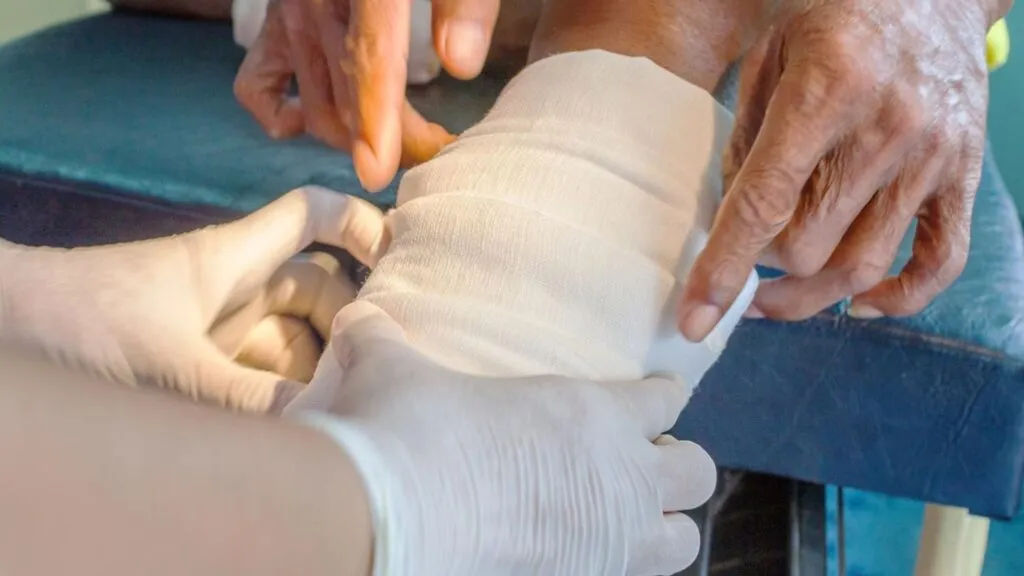
It happens. Even when you follow every step, healing may slow or stall.
Don’t blame yourself. There are many reasons wounds resist healing:
Common causes:
- Poor circulation (especially in diabetics)
- Infection or unnoticed trauma
- Pressure from lying or walking
- Certain medications
- Nutritional issues or immune deficiency
Your provider may:
- Order imaging or labs
- Adjust your dressing schedule
- Introduce enzymatic debridement or foam dressings
- Refer you to a vascular or infectious disease specialist
📖 The National Institutes of Health (NIH) confirms that a multi-disciplinary approach improves healing in chronic wound cases.
💡 Don’t hesitate to ask what else can be done. Healing is not linear—and neither is your care plan.
When it comes to healing a wound, every detail matters—from what you observe at home to what your provider sees during your visit. Preparing for your wound care follow-up ensures you’re not just going through the motions, but actively partnering in your recovery. Bringing photos, tracking symptoms, and asking the right questions can make a world of difference in how your wound heals and how quickly.
Sometimes, the healing journey veers off course. But with timely follow-ups, expert guidance, and small adjustments, setbacks can become stepping stones. Whether your wound is progressing well or facing hurdles, staying engaged and informed gives you the best chance at a smooth recovery. Your care team is here to walk that path with you—one visit, one step, one healing milestone at a time.
Key Takeaways
🗓️ Consistent wound care follow-ups help prevent complications.
Regular visits give your care team a chance to assess healing, catch early signs of infection, and make timely adjustments. These visits are essential for preventing chronic wounds or delayed recovery.
📋 Preparation is key to a productive appointment.
Bringing your medication list, wound photos, questions, and dressing materials ensures your provider gets the full picture. It helps reduce delays and builds a more effective care plan.
❓ Asking the right questions empowers your healing.
When you ask thoughtful questions—like how your wound is progressing or what signs to watch for—you’re actively participating in your recovery.
📈 Progress tracking helps fine-tune your treatment plan.
From wound size to tissue type and drainage, tracking gives your provider a clear map of your healing journey. Consistent data means smarter decisions. Our Wound Treatment Plans evolve as your condition changes—because no two wounds heal the same.
🧠 If healing stalls, don’t lose hope—there are solutions.
Sometimes wounds need extra support like enzymatic debridement, advanced dressings, or specialist referrals. Your provider is here to help you get back on track safely and confidently.
5 Related Questions Asked and Answered
1. Why is a wound care follow-up visit important?
A follow-up visit is more than just a routine check-in. It’s an opportunity to:
- Monitor how your wound is healing.
- Detect early signs of infection or delayed healing.
- Adjust treatment plans for better outcomes.
- Support your comfort and confidence through education.
Your provider may reassess the wound’s size, depth, and appearance. They’ll also examine factors like skin condition around the wound and signs of moisture imbalance or inflammation. These assessments help your care team decide whether to continue with your current plan—or try something new.
👉 If you’re managing a complex or chronic wound, follow-ups are essential to track healing milestones. Learn more about our Advanced Wound Management Services.
2. What should I bring to my wound care follow-up appointment?
Being prepared helps your visit go smoothly and ensures your care team has the full picture. Here’s what to bring:
- A list of your current medications (including supplements and over-the-counter items).
- Photos of your wound taken at home (if applicable) to help track healing over time.
- A journal or notes on any symptoms, dressing changes, pain levels, or bleeding.
- Questions or concerns you want to discuss with your provider.
- Any wound care products you’re using at home.
Bonus tip: If someone is helping you with wound care, bring them along or ask them to join virtually. They may have helpful observations to share.
3. What questions should I ask during my follow-up visit?
This is your chance to be proactive in your healing journey. Ask questions like:
- “Is my wound healing at a healthy rate?”
- “What signs should I watch for that might indicate infection?”
- “Can I shower or get the wound wet yet?”
- “Are there better dressings or treatments I should try?”
- “How long will it take to fully heal?”
Don’t be shy—your care team is here to support you. Write your questions down ahead of time and bring them to the appointment. It helps make sure nothing gets forgotten in the moment.
4. How is healing progress tracked over time?
Wound healing is a journey, and progress tracking helps make that journey visible. Your care provider will use a combination of tools and observations, including:
- Wound measurements (length, width, depth)
- Photographic records to compare healing stages
- Tissue quality assessments (granulation, slough, necrotic tissue)
- Pain levels and signs of infection
By recording these factors at each visit, your provider can determine if you’re on track—or if the wound needs a new approach, like enzymatic debridement, compression therapy, or advanced dressings.
💡 Learn how we customize Wound Treatment Plans based on individual healing progress.
5. What happens if my wound isn’t healing as expected?
If your wound isn’t healing—or worsens—don’t panic. This can happen for a number of reasons, including:
- Poor circulation
- Infection
- Pressure or trauma to the area
- Underlying conditions (like diabetes or anemia)
- Nutritional deficiencies
At your follow-up, your provider will investigate what’s slowing down the healing process. They may:
- Recommend lab tests or imaging
- Suggest a referral to a specialist
- Change the wound care products or dressing schedule
- Begin advanced therapies like negative pressure or hyperbaric oxygen
The goal is to get your healing back on track safely and effectively. Remember: your care plan is flexible and personalized.
Final Thoughts
Your follow-up visit is your time to reconnect, reassess, and refocus on healing. With just a little preparation, you’ll walk in feeling informed and walk out with a clearer plan forward.
📞 Ready for your next visit? Contact us or call us directly to confirm your appointment time and get personalized support.
