
How to Navigate Emotional Burnout as a Caregiver
The Emotional Weight of Caregiving: Let’s Talk About It
It starts small. A favor. A family need. A sense of duty.
Then it grows.
More appointments. More supplies. More watching. Waiting. Worrying.
Soon, your schedule is no longer your own. Your meals are rushed. Your sleep is scattered. Your thoughts? Consumed.
This is how caregiver burnout often begins—quietly, with a string of good intentions.
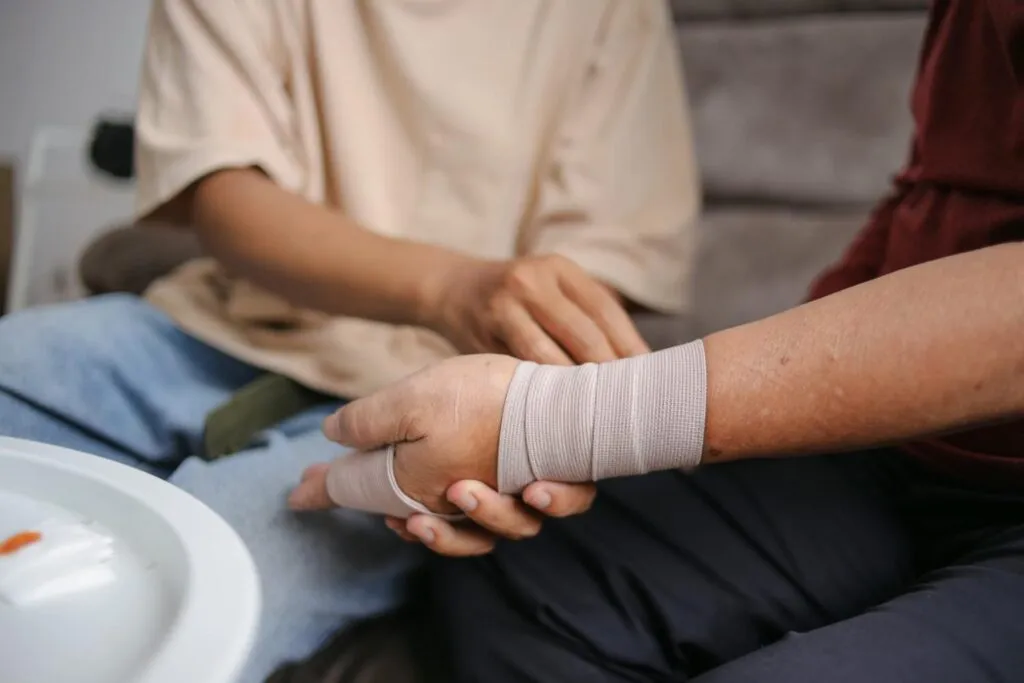
Caring for a loved one with a chronic wound can be an all-consuming experience. The constant vigilance. Dressing changes. Pain management. And the emotional toll of watching someone you care about suffer. It’s no wonder studies from the National Institutes of Health have shown that caregivers are at significantly higher risk for anxiety, depression, and physical illness.
You might smile through it. Say you’re “fine.” But inside, you’re running on fumes.
We get it.
According to a CDC report, nearly 1 in 5 adults in the U.S. provide unpaid care to a loved one. Most juggle this on top of jobs, families, and their own health challenges. At OWC Center, we meet many caregivers who come to us exhausted, emotionally frayed, and unsure how to keep going.
This guide is for you. For the brave, compassionate, resilient individuals who give everything—and deserve support in return.
Let’s explore what Emotional Burnout looks like, how wound care stress accelerates it, and how support systems can help you find your balance again.
Managing Wound Care Stress: The Hidden Pressure Behind the Task
Caring for a wound isn’t just medical—it’s emotional. Especially when the healing process is slow, painful, or unpredictable.
Every red spot. Every odd smell. Every slight increase in drainage. It becomes your job to notice. To act. To call. To question.
That hyper-awareness is exhausting. It’s one of the less talked about contributors to caregiver burnout.
Daily Stressors That Build Up
- Monitoring wounds for infection (and wondering if you’re doing it right)
- Changing dressings multiple times a day
- Handling medication schedules and wound-specific care products
- Making decisions on care plans with little or no medical background
- Watching your loved one in discomfort
All of this is invisible to the outside world. You may be praised for your “strength,” but that doesn’t mean you aren’t crumbling inside.
You need to offload.
Build a small team. Even if it’s just one trusted person to rotate responsibilities with you.
Remember, OWC Center provides professional wound care support and can work with family caregivers to ease the day-to-day load. You don’t have to do this alone.
“Burnout doesn’t come from caring. It comes from caring without relief.” – Anonymous
Building Support Systems That Actually Help
Let’s be honest—not all “support” feels supportive.
You might hear: “Let me know if you need anything!” But when you do? Silence.
A functional support system isn’t made of empty offers. It’s built from practical, reliable, ongoing help.
What a Good Support System Looks Like
- Trusted family members who rotate caregiving duties
- Community volunteers or church groups who can run errands or cook meals
- Home health nurses or aides who take on technical wound care
- Mental health professionals who give you a space to vent and rebuild
- Local caregiver groups who get what you’re going through
Steps to Strengthen Your Support System
- Start with honesty: Be upfront about what you need (and when).
- Make an ask list: People want to help, but often need direction.
- Use a shared calendar: Let others pick days to help with meals, appointments, or sitting with your loved one.
- Accept imperfect help: Not everyone will do it your way—and that’s okay.
- Connect with local resources: Many city or nonprofit organizations offer free or discounted caregiver relief services. You can find them through the Family Caregiver Alliance.
By building these systems, you lighten your load—and let others step in with grace.
Redefining Resilience: You Deserve to Rest
There’s a harmful myth in caregiving culture: that self-care is selfish.
You may feel guilty for stepping away, for asking for help, or for not feeling strong. But let’s flip that script.
Why Caregiver Guilt Shows Up
- Feeling like only you can provide the right care
- Believing rest means you’re not doing enough
- Fearing judgment from family or others
- Wanting to protect your loved one from worry
Ways to Practice Guilt-Free Self-Care
- Block off time just for you. Even if it’s 20 minutes a day.
- Do something enjoyable that has nothing to do with caregiving (gardening, painting, walking).
- Talk to a therapist. Even two sessions can help reframe your internal narrative.
- Journal your thoughts. Write freely—guilt, anger, relief, fear. Get it all out.
- Use apps like Calm or Insight Timer to start a daily 5-minute breathwork routine.
Reinforcement: Self-care helps you show up better for your loved one. Not worse.
For guided support, check out our Caregiver Check-In Program.
“You can be strong and still need rest. You can love someone and still need space.”
Clickable Reference: According to the American Psychological Association, caregiver mental health significantly improves when self-care is intentionally practiced.
Overwhelmed? Here’s How to Take Your First Step

Feeling overwhelmed isn’t a weakness. It’s a signal.
It’s your body and brain telling you: “I need something to change.”
If you’ve hit that wall—if getting out of bed feels like a mountain, if you’re crying in your car between errands—know that there is a path forward.
Your Emergency Toolkit (When Burnout Hits)
- Pause: Step into another room. Put your hand on your chest. Breathe. Deeply. Slowly.
- Phone a friend: Not to vent (unless you want to)—just to connect. Talk about anything else.
- Do one thing: Just one. Fold a shirt. Drink water. Make a to-do list.
- Outsource a task: Order groceries. Book a cleaner. Ask a nurse to come in.
- Seek professional help: You are not alone in this. Our integrated care team is here to support your entire household—not just the patient.
You’ve been giving so much of yourself and that kind of devotion takes a toll. Whether you’re changing bandages, coordinating appointments, or simply being present through someone else’s pain, the emotional weight can quietly build until it feels unmanageable. That’s why recognizing caregiver burnout matters. Because it’s not weakness it’s a sign that your compassion has gone unacknowledged for too long.
The truth is, no one can do this alone. The more you lean into your support systems—whether it’s a neighbor who drops off a meal, a home health nurse who relieves you for an hour, or a therapist who helps you process what you’re carrying—the more room you create to breathe, recover, and reconnect with yourself. Sometimes, it’s not about doing more, but about letting yourself do less.
And in those moments when the stress creeps in or the guilt whispers “you should be doing more,” remember: taking care of yourself is not just allowed—it’s essential. Rest doesn’t make you a lesser caregiver. It makes you a more sustainable one.
At OWC Center, we believe caregiving should be a shared journey—not a solitary one. You’ve carried enough. Let us help carry some of it with you.
Key Takeaways
Caregiver burnout is real—and it’s okay to admit you’re struggling.
Recognizing the signs of emotional, mental, and physical exhaustion is the first step toward healing. If you’re noticing changes in your mood, energy, or overall wellbeing, know that you’re not alone. Our Family Support Resources are here to guide you through it with compassionate tools and professional help.
Wound care stress adds an invisible emotional load.
Managing a loved one’s wound care isn’t just clinical—it’s emotionally draining. The daily monitoring, decision-making, and worry can wear you down. That’s why our Advanced Wound Care services include caregiver collaboration, so you’re not carrying this responsibility alone.
Support systems are essential—not optional.
You don’t have to be everything for everyone. Whether it’s friends, professionals, or wellness communities, leaning on others reduces your risk of burnout. Join one of our Community Wellness Circles to connect with others who understand your journey.
Taking care of yourself is not selfish—it’s necessary.
You matter. When you rest, breathe, and care for your own needs, you become a stronger and more present caregiver. Our team provides personalized Caregiver Check-Ins to help you protect your own emotional and physical wellbeing.
When you feel overwhelmed, don’t wait—reach out.
Burnout doesn’t mean you’re broken. It means you’ve been strong for a long time. If you’re stuck, overwhelmed, or unsure where to begin, our integrated care team is here to support you and your loved one fully, compassionately, and without judgment.
5 Related Questions Asked and Answered
1. What is caregiver burnout and how do I know if I’m experiencing it?
Caregiver burnout is a state of emotional, mental, and physical exhaustion caused by prolonged caregiving duties—especially in high-stress situations like chronic wound care. It’s not just about being “tired.” Burnout can sneak up gradually and affect your ability to function day-to-day.
Common signs of caregiver burnout include:
- Feeling irritable, hopeless, or emotionally drained
- Sleep disturbances or constant fatigue
- Loss of interest in activities you used to enjoy
- Difficulty concentrating or making decisions
- Physical symptoms like headaches or stomach issues
If you’re responsible for a loved one’s wound care, the constant vigilance—checking bandages, watching for infections, scheduling appointments—can compound daily stress. Many caregivers also struggle with guilt when they take time for themselves.
You’re not alone.
At OWC Center, we recognize how wound care stress contributes to emotional burnout. That’s why our Family Support Resources are designed to help caregivers identify early signs of fatigue and find professional help before things escalate.
2. How can I prevent burnout while managing wound care for a loved one?
Preventing burnout means building systems that support you just as much as your loved one. Wound care is often long-term, so pacing yourself is key.
Here’s how to stay balanced:
- Set realistic goals: You can’t do everything. Prioritize what needs urgent attention and what can wait.
- Ask for help: Even one hour off can refresh your emotional battery. Talk to family, friends, or a local support group.
- Create a care calendar: Share responsibilities among willing supporters to avoid feeling like it all falls on you.
- Use clinical support: Rely on wound care professionals when needed. Don’t hesitate to ask them questions or share concerns about your loved one’s recovery.
- Practice self-care: Meditation, music, or even a simple walk can offer a powerful reset.
Remember: Resilience isn’t about pushing through—it’s about knowing when to pause. You deserve that pause.
3. What role do support systems play in reducing caregiver stress?
Support systems are not luxuries—they’re essential. Caregivers often isolate themselves, thinking it’s their sole responsibility to “handle everything.” But consistent emotional support is one of the most powerful buffers against burnout.
Your support system can include:
- Family & Friends: Ask them to assist with errands, meal prep, or short visits to give you a break.
- Healthcare Providers: Nurses, wound specialists, and doctors can share the load. Use them as partners in care.
- Support Groups: Both online and in-person groups connect you with people who truly get it.
- Mental Health Professionals: Therapists and counselors can help you unpack difficult emotions in a safe space.
At OWC Center, we encourage caregivers to join our Community Wellness Circles and participate in education sessions. Having someone to listen or simply share your frustrations with can help ease the emotional weight.
4. How do I care for myself emotionally without feeling guilty?
Guilt is one of the most common emotions caregivers experience. It might show up when you step out for coffee, take a weekend off, or even just say “I need help.” But here’s the truth: You can’t pour from an empty cup.
Reframe your guilt with self-compassion:
- Recognize your humanity: You’re not a machine. Your needs matter too.
- Remind yourself why self-care matters: It makes you more present, more patient, and more capable.
- Schedule your own check-ins: Treat your needs like appointments—non-negotiable.
- Talk about it: Sharing your guilt with someone often shrinks its power.
We often tell our caregivers: “Taking care of yourself is part of taking care of them.” At OWC Center, our clinicians offer emotional coaching and caregiver check-ins as part of our extended Caregiver Resources.
5. What can I do when I feel completely overwhelmed or stuck?
When burnout reaches its peak, even small tasks feel insurmountable. You may feel paralyzed, unmotivated, or emotionally numb. It’s critical not to ignore these warning signs.
What to do when you’re overwhelmed:
- Pause and breathe: Step away from the situation for even 5 minutes. Deep breathing helps regulate your nervous system.
- Do one thing: Pick one manageable task (like calling a friend or setting a timer for rest).
- Write it out: Journaling or simply listing your stressors helps unload the mental burden.
- Reach out for professional help: You’re not failing by asking—it’s actually a powerful step forward.
At OWC Center, we’ve seen many caregivers regain control of their lives through integrated care planning and mental health referrals. You don’t have to carry this alone—and you shouldn’t.
Feeling burned out doesn’t mean you’re weak—it means you’ve been strong for too long without support. Let’s change that.
