
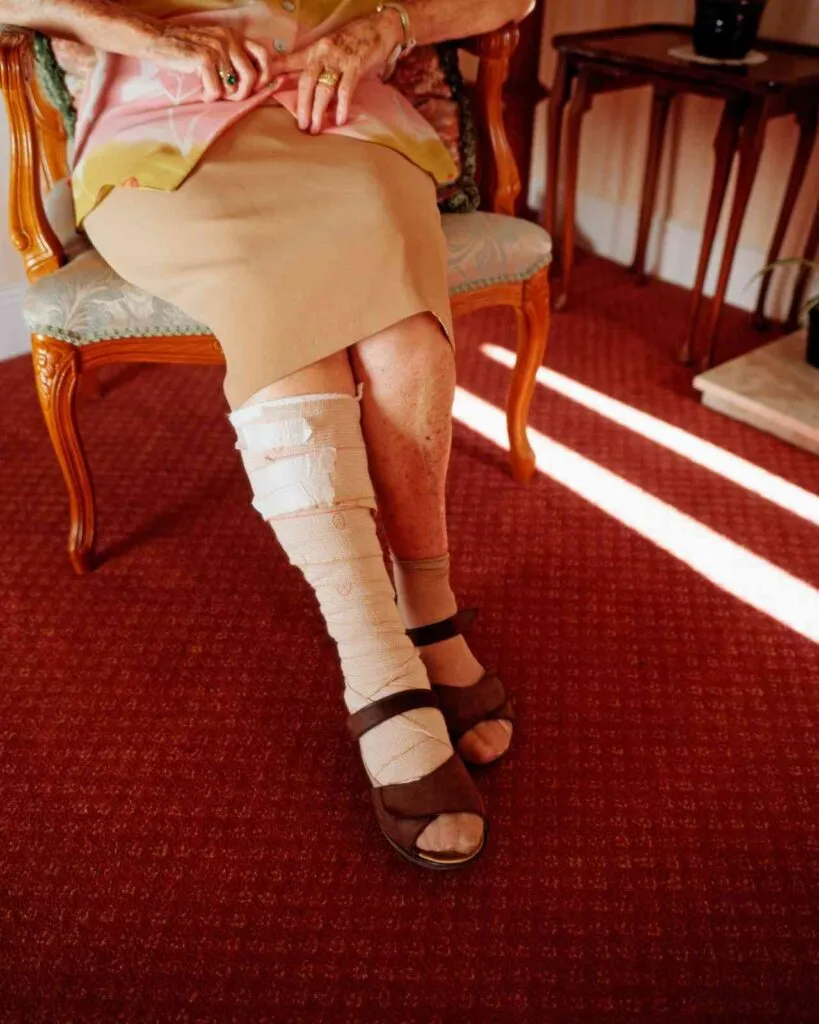
How to Manage Wound Care for Alzheimer’s Patients
Wounds don’t wait. Neither does memory loss.
She keeps pulling off the dressing. Doesn’t remember why it’s there. The skin is thin. Bruises bloom like ink stains. And when you try to explain—she frowns. Doesn’t understand. Or forgets within minutes.
This is wound care for Alzheimer’s patients.
It’s not just a medical issue—it’s emotional. It’s personal. It’s caregiving in its most vulnerable form.
Wounds in patients with Alzheimer’s or dementia are harder to detect, manage, and treat. Their bodies may not respond the same. Their minds may not cooperate. Pain goes unspoken. Infections progress silently.
According to the Alzheimer’s Association, individuals with advanced dementia are more prone to skin breakdown due to immobility and poor nutritional intake. Meanwhile, the National Institutes of Health reports that communication deficits make it harder to recognize wound-related pain and complications.
At OWC Center, we combine compassion with clinical precision. We don’t just treat wounds—we consider the whole person behind them. Especially when memory becomes the greatest barrier to healing.
Let’s explore what this care looks like—and how caregivers can feel supported every step of the way.
Understanding Dementia’s Role in Wound Complications
Dementia and Skin Breakdown Risk
Wounds aren’t just surface issues—they reflect what’s happening inside. In people with dementia, this becomes even more complex. They may:
- Struggle with mobility, leading to pressure injuries
- Forget to shift positions or hydrate
- Resist bathing or dressing changes
- Have poor circulation or diabetes, compounding healing difficulties
What does this mean for caregivers?
It means checking skin daily. Watching for signs like swelling, warmth, or discoloration. Keeping track of even minor injuries, as they can quickly become infected.
At OWCCenter, we often see dementia patients come in with stage II or III pressure ulcers—wounds that could have been caught earlier. That’s why we work closely with families and memory care teams to deliver education, prevention kits, and visual guides for wound tracking.
📍 Explore how our Wound Assessment Process catches signs others may miss.
Caregiver Guidance That Makes a Difference
Caregiver Guidance for Daily Wound Prevention
You’re not just dressing a wound. You’re navigating confusion. Fear. Maybe aggression. And still—you show up.
That’s why our caregiver guidance focuses on simplicity, compassion, and clarity. We train caregivers in ways that reduce conflict and promote trust.
Core Daily Practices:
- Repositioning every 2 hours to relieve pressure
- Using foam or gel cushions on beds and chairs
- Applying fragrance-free moisturizers to prevent dry, cracking skin
- Checking bony areas (heels, elbows, hips) for redness or tenderness
- Documenting any changes, even subtle ones
We also recommend setting wound care routines during calm times of day—like after meals or morning hygiene. Gentle music, familiar blankets, and a soft tone can ease transitions.
At OWC Center, our specialists are trained in working with memory loss. We don’t just heal wounds—we support caregivers with tools that bring relief.
📍 Check now : Why Wound Care education is crucial for Caregivers.
Addressing the Most Common Wound Types
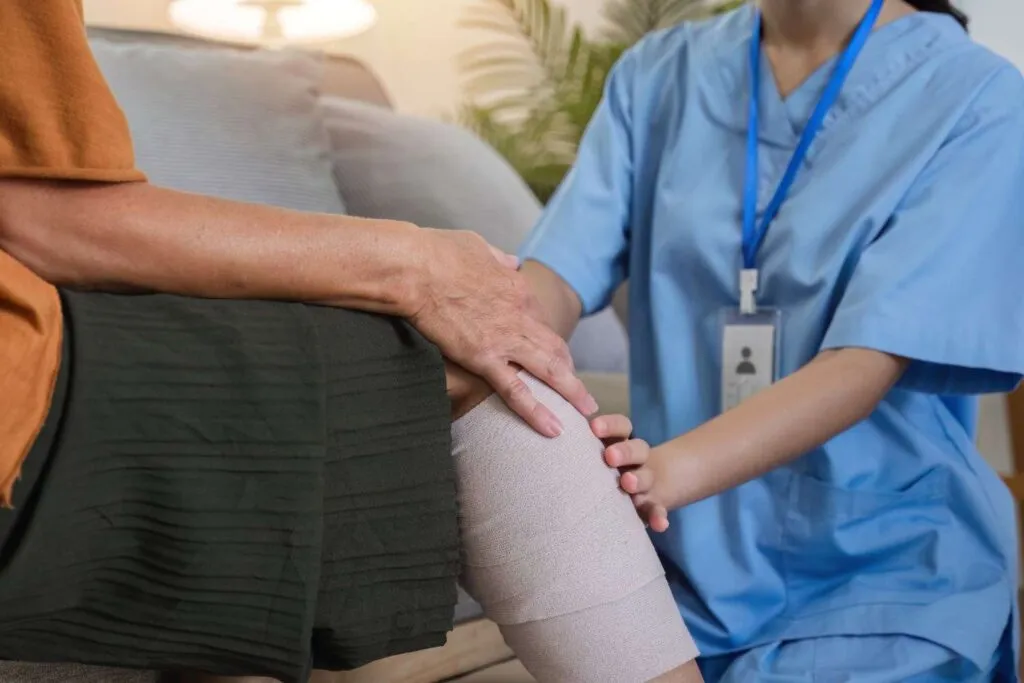
Types of Wounds in Alzheimer’s Patients
Skin is more than skin-deep. For Alzheimer’s patients, wounds often start quietly and grow quickly.
The most common include:
- Pressure Injuries (Bedsores) – Caused by unrelieved pressure on one area for hours
- Skin Tears – Often happen during transfers or clothing changes
- Venous Ulcers – Linked to poor circulation, especially in the lower legs
- Shear Injuries – Result from sliding down in a chair or bed
Why do these wounds happen?
- Patients may forget how to shift their weight or refuse assistance
- Fragile skin loses elasticity with age
- Medications, poor nutrition, and hydration deficiencies all slow healing
We’ve seen patients who can’t explain that they’re in pain—so they stop walking or become agitated. That’s often the first sign something’s wrong.
📍 Read our related blog on Chronic Wound Management for deeper insights.
Emotional Support & Practical Tips for Family Members
Creating a Calm Experience During Wound Visits
When a loved one has Alzheimer’s, a trip to a clinic can feel overwhelming—for both of you.
That’s why OWC Center creates a quiet, respectful environment from the moment you walk in:
- Friendly introductions with gentle, clear explanations
- Low-light treatment rooms to minimize sensory overload
- Distraction tools (music, soft blankets, aromatherapy)
- Short visits with familiar routines
Caregiver Tips for Easier Visits:
- Bring a favorite blanket or soft scarf to promote calm
- Use simple phrases like “We’re going to take care of your skin”
- Avoid rushing—even if the patient resists
- Celebrate small wins like tolerating dressing changes
- Ask the staff to involve the patient in minor choices (“Which chair would you like today?”)
We also encourage follow-ups from home. Our team provides instructions in both written and video format—so families always feel supported.
📍 Learn about our Multidisciplinary Wound Care designed for families managing cognitive decline.
At OWC Center, we understand that wound care for someone with Alzheimer’s isn’t just about healing skin—it’s about protecting dignity, reducing stress, and building trust with every gentle touch. Whether it’s helping a confused loved one sit still during a dressing change or knowing when a pressure injury is developing, caregivers are faced with more than clinical tasks—they carry emotional weight too.
That’s why we tailor our care not only to the wound but to the person behind it. Every repositioning schedule, soft word, and comforting environment is part of a bigger goal: to make healing feel less clinical and more human. When families feel empowered and supported, and when patients feel safe and seen, better outcomes follow—physically and emotionally.
Through personalized wound plans, hands-on caregiver guidance, and compassion-driven routines, we’re not just treating wounds. We’re honoring lives.
Key Takeaways
- Alzheimer’s and dementia make wound care uniquely complex.
Memory loss, confusion, and communication challenges can delay diagnosis and complicate healing. That’s why at OWC Center’s Advanced Wound Care Services, we combine medical expertise with gentle behavioral strategies tailored for patients with cognitive decline. - Pressure injuries, skin tears, and ulcers are common—but preventable.
With routine skin checks and proactive care, many wounds can be avoided altogether. Our Wound Assessment Process is designed to identify early signs of breakdown and create personalized prevention plans for Alzheimer’s patients. - Caregivers play a critical role in prevention and daily management.
From repositioning to moisturizing, caregivers are the front line in wound prevention. At OWC Center, we provide caregiver guidance and practical training to help families care confidently at home and reduce unnecessary complications. - Early action is essential when a wound appears.
Waiting to treat a wound can quickly lead to infection or hospitalization. Our team offers fast, responsive care with wound-friendly treatments that work for individuals who may be confused or resistant to dressing changes. - A calm, familiar care environment improves outcomes.
OWC Center creates a soothing space with low lights, patient-friendly routines, and a compassionate team trained in dementia care. Explore our Multidisciplinary Wound Care to see how we partner with families to support healing—physically and emotionally.
5 Related Questions Asked and Answered
1. Why is wound care more complicated in Alzheimer’s and dementia patients?
Wound care in Alzheimer’s patients is uniquely challenging due to memory loss, confusion, and communication difficulties. Patients may not remember an injury occurred, may remove bandages, or may not express pain clearly.
Key complications include:
- Reduced mobility → Increased risk of pressure injuries
- Cognitive decline → Difficulty understanding or complying with care
- Communication barriers → Delayed identification of infection or pain
- Behavioral resistance → Fear or agitation during dressing changes
At OWC Center, we take a holistic approach. Our care plans combine advanced wound treatments with behavioral understanding—minimizing stress while maximizing healing. We also offer support for family members and professional caregivers navigating wound management in memory care situations.
📍 Learn more about our Advanced Wound Care Services.
2. What are the most common types of wounds in Alzheimer’s patients?
Elderly patients with cognitive impairment are prone to wounds caused by:
- Pressure injuries (bedsores) from immobility or poor circulation
- Skin tears due to fragile skin and sudden movements
- Chronic venous ulcers from reduced blood flow
- Friction or shear injuries from sliding in beds or wheelchairs
These wounds may go unnoticed if the patient can’t communicate discomfort or if caregivers aren’t trained to check regularly.
Signs to watch for:
- Redness, swelling, or warmth near bony areas
- Skin discoloration or fluid leakage
- Unexplained behavioral changes (may indicate hidden pain)
OWC Center specializes in identifying wound types early and creating tailored care plans. Our clinicians also educate families and assisted living staff on prevention techniques and regular wound assessments.
📍 Explore our Wound Assessment Process.
3. How can caregivers help prevent wounds in loved ones with Alzheimer’s?
Prevention is everything. Caregivers play a critical role in avoiding wounds before they start—especially for individuals with limited mobility or memory loss.
Here’s how caregivers can support prevention:
- Turn and reposition the patient every 2 hours
- Use pressure-relieving cushions on chairs or beds
- Maintain good skin hygiene and moisturization
- Watch for signs of pressure (redness or swelling)
- Ensure adequate hydration and nutrition
- Monitor blood sugar in diabetic patients
Just as important? Emotional support. Keep communication calm and simple. A gentle voice and familiar routine can reduce resistance.
At OWC Center, we offer caregiver guidance alongside medical wound care. Our team can train family members on techniques that promote healing and minimize injury risk at home.
📍 Visit our Caregiver Resources or speak with a specialist today.
4. What should caregivers do if a wound appears or worsens?
If a new wound appears—or if an existing one worsens—take action immediately. Alzheimer’s patients may not express pain, so caregivers must be vigilant.
Steps to take:
- Gently clean the area with warm water or wound-specific cleanser
- Do not apply random creams—only use prescribed dressings
- Avoid adhesive bandages on fragile skin
- Document size, color, drainage, and changes
- Call a wound care provider right away for an assessment
Delays in care can lead to infection or hospitalization. At OWC Center, we fast-track wound care for patients with cognitive decline, offering urgent evaluations, home-friendly treatments, and continuous follow-up care.
📍 Schedule an appointment via our Contact Page.
5. How can wound care visits be made less stressful for Alzheimer’s patients?
Comfort and familiarity make a difference. Medical settings can be confusing or scary for dementia patients. At OWC Center, we use proven techniques to create a calm, reassuring environment:
- Slow introductions to our team with warm tone and eye contact
- Family involvement to help build trust
- Minimized wait times to reduce agitation
- Distraction techniques like music or gentle conversation
- Offering care in a quiet, private space
Caregivers can help by:
- Bringing comfort items (blanket, photo, music)
- Explaining each step in simple terms
- Keeping a calm demeanor—even if the patient becomes confused
Healing takes partnership. With the right support, Alzheimer’s patients can recover from wounds without trauma or confusion. OWCCenter’s commitment to dignified, patient-first care makes us a trusted partner for Louisville families.
📍 Learn more about our Multidisciplinary Wound Care and how we support cognitive care.
