
How to Choose the Right Shoes for Foot Wound Prevention
Foot Wound Prevention Starts One Step at a Time
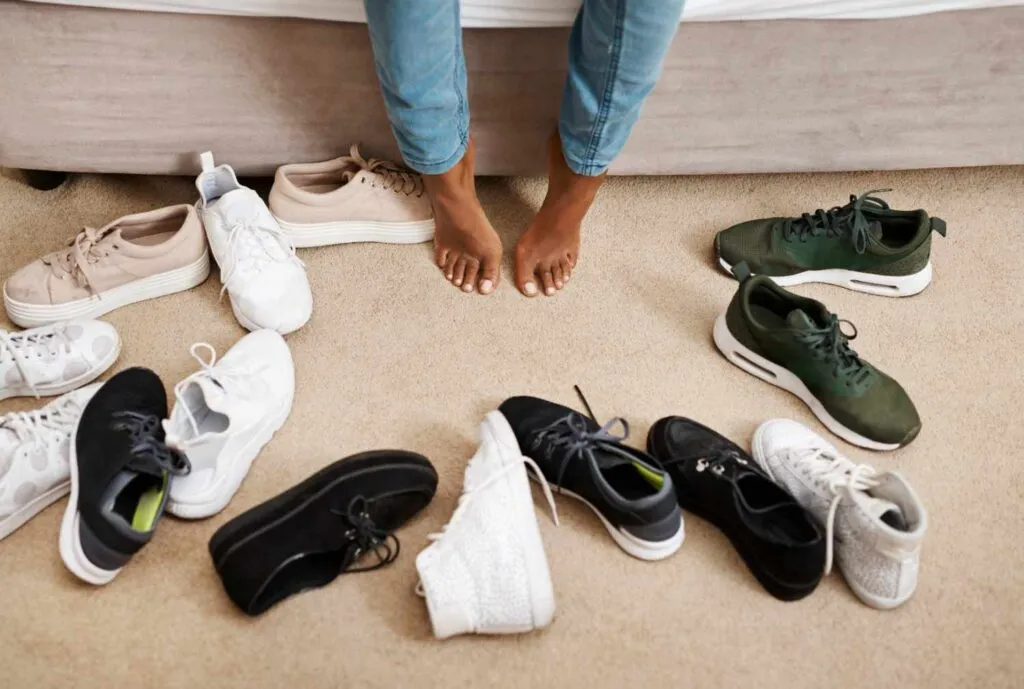
You wake up. You swing your legs out of bed. Your feet hit the floor. And that’s where it starts.
Most people don’t think much about what they slide their feet into. Just another pair of shoes, right? But if you have diabetes, every step matters. Every seam. Every inch of fabric. Every little spot where friction can brew.
Tiny rubs. Invisible pressure. A small blister. That’s all it takes. And if you don’t feel it because of neuropathy? The problem grows. A sore that refuses to close. An ulcer that won’t heal. Weeks can pass, and the wound gets deeper.
It’s not about fear. It’s about knowing what to watch for—and what to choose.
You deserve shoes that do more than look nice. You need protection. Comfort. Science. That’s where diabetic footwear comes in. Think of them as armor for your feet—without the clunky metal.
According to NIH, nerve damage and poor circulation are a leading cause of foot wounds. The right shoes can lower risk by up to 50%. That’s a big difference.
The good news? You have options. Modern diabetic shoes are designed to blend into daily life while shielding your feet. Some look sporty. Some look classic. But they all share one goal: to help you stay healthy and active.
And if you’re curious about the science behind it, check out this guide by the American Diabetes Association. It’s a powerful reminder that prevention begins long before you spot a sore.
Diabetic Footwear and Why It Matters
Diabetic footwear isn’t about vanity—it’s about safety. Imagine you’re standing in line at the grocery store. You shift your weight from foot to foot. You feel fine. But under the surface, pressure is building.
That pressure can create hidden wounds that fester unnoticed. Diabetic footwear solves this problem in several ways:
Seamless Interiors
Seams inside regular shoes can rub against your skin all day. When you can’t feel that rubbing, it leads to blisters. Diabetic shoes are built with smooth linings that keep friction low.
Extra Depth and Width
If you have swelling, hammertoes, or bunions, tight shoes create hotspots. The extra space in diabetic footwear prevents compression and rubbing.
Pressure Offloading
This is where innovation shines. The soles are engineered to spread your weight across a larger area, so no single point takes all the impact.
Moisture Management
Sweaty feet increase the risk of fungal infections and skin breakdown. Diabetic footwear uses materials that wick moisture away.
A True Story
Take David, one of our clinic patients. He thought his old sneakers were “just fine.” But a small blister under his big toe became an ulcer that took four months to heal. With proper diabetic shoes and daily checks, he’s ulcer-free today. Sometimes, a simple switch saves you time, stress, and worry.
If you want to learn more about wound care success stories, visit our Diabetic Foot Ulcer Treatment page.
How Pressure Offloading Shoes Help Protect Your Feet
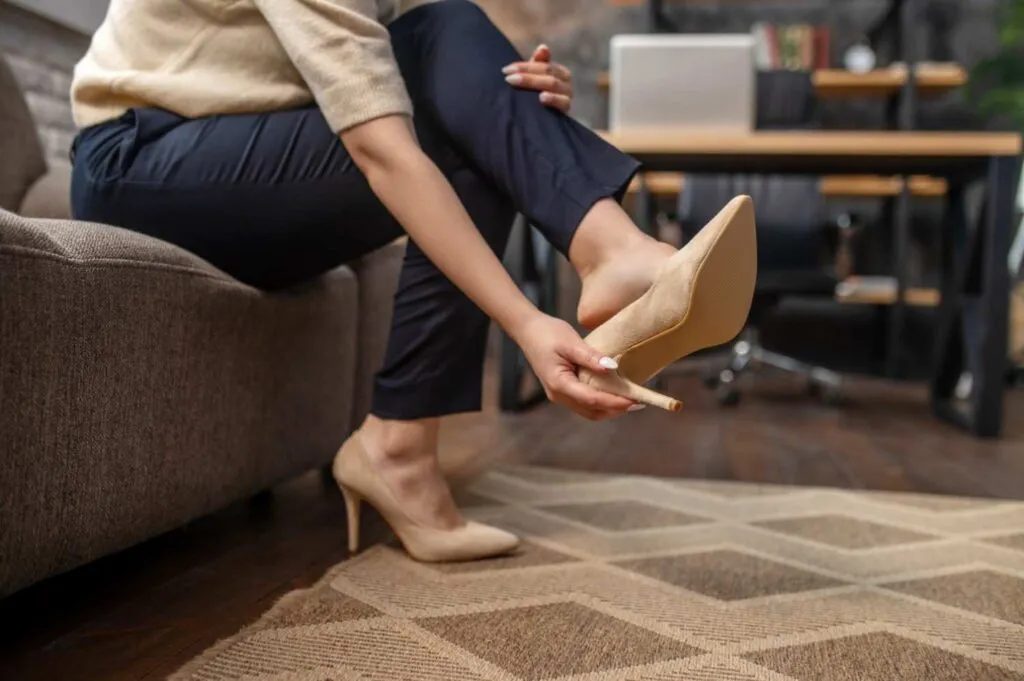
Pressure offloading sounds high-tech, but it’s really a smart application of common sense. If your feet carry your weight all day, the same spots endure repeated stress.
Over time, this causes:
- Calluses that thicken and crack
- Blisters that become wounds
- Ulcers that resist healing
What are pressure offloading shoes?
They’re designed to redirect pressure away from vulnerable areas, like the ball of the foot or the heel. Features often include:
- Rocker-bottom soles that ease pressure during walking
- Wide, stable bases to prevent shifting
- Extra cushioning under the arch
- Custom inserts tailored to your foot shape
When should you consider them?
If you have any of the following, you’re a good candidate:
- History of foot ulcers
- Significant neuropathy
- Noticeable deformities (hammertoes, bunions)
- Frequent calluses
- Poor circulation
Benefits You Can Expect:
- Up to 50% less pressure on high-risk zones
- Better balance and stability
- Faster healing if you have existing sores
- Lower chance of infection
When paired with daily foot checks, pressure offloading shoes can be life-changing. Just remember: these shoes work best when prescribed by a specialist who understands your unique needs.
Curious about more prevention tips? Read about Advanced Foot Care Services.
How to Check If Your Shoes Fit Properly
You might think, “They feel okay. I guess they fit.” But diabetes requires a higher standard.
Follow these simple steps to check:
- Length: Stand up. Make sure there’s about a thumb’s width between your longest toe and the shoe’s tip.
- Width: Your foot shouldn’t bulge out. No pinching along the sides.
- Depth: There should be enough room on top for your toes to wiggle without pressure.
- Heel: The heel should be snug but not tight. If it slips when you walk, try a different size.
- Flexibility: The sole should bend at the ball of your foot, not the arch.
Here’s a quick memory aid: Long, Wide, Deep, Snug, Flexible.
Pro Tip:
Shop for shoes late in the day—your feet naturally swell by afternoon. And always bring the socks you plan to wear most.
Signs You Need to Replace Your Shoes:
- Uneven wear on the soles
- Creases that don’t bounce back
- Torn interior lining
- New areas of redness or pressure after wearing
If you’re unsure whether your shoes are still safe, bring them to your next wound care appointment for an evaluation.
What to Look for When Shopping for Diabetic Footwear
Choosing diabetic shoes isn’t complicated once you know what matters. Here’s your ultimate checklist:
- ✅ Seamless Interior: No rough stitching.
- ✅ Deep Toe Box: Space for toes to spread naturally.
- ✅ Extra Depth: Room for custom orthotics.
- ✅ Firm Heel Counter: Helps stabilize your gait.
- ✅ Adjustable Closure: Velcro or laces for a secure fit.
- ✅ Lightweight Materials: Less fatigue on your feet.
- ✅ Shock-Absorbing Sole: Protects joints and skin.
Tips for Shopping Success:
- Visit a certified pedorthist or podiatrist to get fitted.
- Bring your prescription orthotics.
- Walk around the store to test comfort.
- Don’t rush—good shoes are an investment in your future.
More Resources for Staying Healthy
3 Other Helpful Articles:
- Why Foot Checks Matter
- How Neuropathy Affects Healing
- Best Practices for Foot Ulcer Treatment
Choosing the right shoes isn’t just about avoiding discomfort—it’s about safeguarding your health in ways that ripple through every part of your daily life. From the moment your feet touch the ground each morning, small decisions can determine whether you stay active, independent, and free from painful wounds that sideline your plans.
Diabetic footwear does more than cushion your step. It quietly protects you by reducing friction, redistributing pressure, and keeping moisture in check. Even if you’ve never had an ulcer, the seamless linings, deep toe boxes, and shock-absorbing soles are designed to prevent problems before they ever start. And if you’ve already faced the frustration of a wound that won’t heal, pressure offloading shoes offer a practical path back to comfort and mobility.
It can feel overwhelming to sift through all the options—sneakers that promise relief, inserts that claim to support every arch, shoes that look like any other pair but have hidden layers of protection. But as so many people discover, prevention begins with fit. A snug heel, a thumb’s width of space at the toe, and plenty of depth for custom orthotics can make all the difference.
Small choices—like shopping in the afternoon when your feet are naturally swollen, or bringing the socks you wear most often—help you find footwear that actually supports you where it counts. And staying mindful of wear and tear means you’ll never be caught off guard by a sole that’s too thin or an interior seam that’s started to rub.
In the end, it’s about treating your feet like the foundation they are. The right shoes are more than a medical necessity—they’re a quiet promise to yourself to keep moving forward, one safe, supported step at a time.
Key Takeaways
Specialized diabetic footwear is essential for prevention.
The right shoes can help you avoid small blisters that easily become stubborn ulcers. From seamless interiors to moisture-wicking materials, diabetic footwear is designed to protect sensitive skin and maintain circulation. Even if you haven’t had a wound before, proactive protection is always worth it.
A proper fit makes all the difference.
A shoe that feels “good enough” may still cause friction or pressure. Always check length, width, depth, and heel grip to ensure the right fit. If you’re unsure, our Advanced Foot Care Services can have your shoes evaluated by professionals who understand diabetic needs.
Pressure offloading shoes can speed healing and prevent recurrence.
If you have a history of ulcers, frequent calluses, or recent foot surgery, specialized offloading footwear redistributes weight away from vulnerable spots. Learn more about your options and get fitted through our Custom Pressure Offloading Solutions program.
Footwear needs regular replacement to stay protective.
Shoes and insoles lose support over time. Replacing diabetic shoes every 12–15 months and insoles every 3–6 months keeps your feet safe. If you notice uneven wear or compressed cushioning, don’t wait—schedule a visit to Diabetic Foot Ulcer Treatment to review your footwear and foot health.
Small habits help you stay ahead of complications.
Shopping in the afternoon, bringing your usual socks, and checking your shoes regularly are simple steps that protect you. Every choice you make to prioritize foot health adds up. When you need guidance, our team is ready to help you find the right shoes at our Diabetic Shoe Clinic.
5 Related Questions Asked and Answered
1️⃣ Why are specialized shoes so important for preventing foot wounds in people with diabetes?
If you live with diabetes, you know foot care is more than a suggestion—it’s a lifeline. High blood sugar can damage nerves and circulation, which means:
- You may not feel small cuts or blisters.
- Wounds can develop quickly under pressure points.
- Even minor injuries can turn into ulcers.
Specialized diabetic footwear is designed to protect your feet in ways regular shoes can’t:
- Seamless interiors prevent rubbing and blistering.
- Extra depth and width accommodate swelling or custom inserts.
- Pressure offloading soles distribute weight evenly to avoid high-pressure areas.
- Moisture-wicking materials help keep your skin dry.
Many people think “I don’t have a wound now, so I don’t need special shoes.” But prevention starts long before there’s a problem. If you’ve ever had a foot sore, lost sensation, or noticed calluses forming, investing in proper footwear is essential.
👉 Related reading: Diabetic Foot Ulcer Treatment
2️⃣ How can I tell if my shoes fit properly for foot wound prevention?
A good fit is more than “it feels okay.” Here are simple steps to check:
- Length: Stand up and make sure you have about a thumb’s width between your longest toe and the end of the shoe.
- Width: Your foot shouldn’t bulge out of the sides, and the upper shouldn’t press into your skin.
- Depth: If you wear orthotics or have swelling, shoes should have extra depth so nothing presses on the top of your foot.
- Heel grip: The heel should stay secure without slipping.
- Flexibility: The sole should bend at the ball of the foot, not in the middle.
Whenever possible, shop for shoes late in the day (when feet naturally swell) and wear the socks you’ll use daily. If you’re unsure, ask a podiatrist or wound care specialist to evaluate your fit.
Proper fit means fewer blisters, less pressure, and more peace of mind.
👉 Need help? Visit our Advanced Foot Care Services.
3️⃣ What are pressure offloading shoes, and when should I use them?
Pressure offloading shoes are specially engineered footwear that redistribute weight away from vulnerable areas—especially where ulcers often form, like under the big toe or ball of the foot.
These shoes can look a little different: some have a rigid rocker sole, extra-deep heel cups, or wedge shapes. Here’s when they’re most helpful:
- You have a healing ulcer that needs protection.
- You’re prone to calluses under the metatarsal heads.
- You’ve had frequent blisters from pressure points.
- You recently had foot surgery or debridement.
Benefits include:
- Reducing pressure by up to 50% on high-risk spots.
- Helping wounds close faster.
- Preventing recurrence of ulcers.
Remember: Offloading shoes should be prescribed and fitted by a qualified professional. Using them without guidance can sometimes shift pressure elsewhere and create new problems.
4️⃣ How often should I replace my diabetic shoes or insoles?
This is a question we hear all the time. The answer depends on how much you use them—but here’s a helpful guideline:
- Diabetic shoes: Every 12–15 months (or sooner if you see wear).
- Custom insoles: Every 3–6 months, especially if you walk daily.
- Immediate replacement needed if:
- The sole is worn unevenly.
- You see creases or compressed areas.
- The interior lining is torn.
- The shoe has lost shape.
Think of shoes like a safety tool—if they’re worn out, they can’t protect you. Keep an eye on the tread and the cushioning. A small investment in timely replacement can prevent thousands in medical costs and months of healing time.
If you’re not sure whether your shoes are still doing their job, bring them to your next wound care appointment for an evaluation.
5️⃣ What should I look for when shopping for diabetic footwear?
Shopping can feel overwhelming—so here’s a simple checklist:
✅ Seamless interior: No rough stitching or ridges.
✅ Deep toe box: Room for toes to wiggle, especially if you have deformities like hammertoes.
✅ Extra depth and width: To fit custom inserts and allow for swelling.
✅ Firm heel counter: Stabilizes your foot and prevents sliding.
✅ Adjustable closure: Velcro straps or laces to customize fit.
✅ Lightweight and breathable materials: Helps manage moisture and reduce friction.
✅ Shock-absorbing sole: Reduces impact with every step.
And finally—don’t settle for shoes that almost fit. The right pair should feel comfortable from the moment you put them on. Break them in gradually, starting with short walks around your home.
If you need help choosing or fitting diabetic footwear, our team is here to guide you every step of the way.
