How to Benefit from Negative Pressure Wound Therapy
Negative Pressure Wound Therapy (NPWT) has revolutionized wound care, offering a powerful solution for challenging wounds. This innovative treatment accelerates healing and reduces complications, making it a game-changer in medical practice.
At OWC Center, we’ve seen firsthand how the benefits of Negative Pressure Wound Therapy can transform patient outcomes. In this post, we’ll explore how NPWT works, its key advantages, and how to implement it effectively in clinical settings.
Understanding Negative Pressure Wound Therapy (NPWT)
Definition and Mechanism
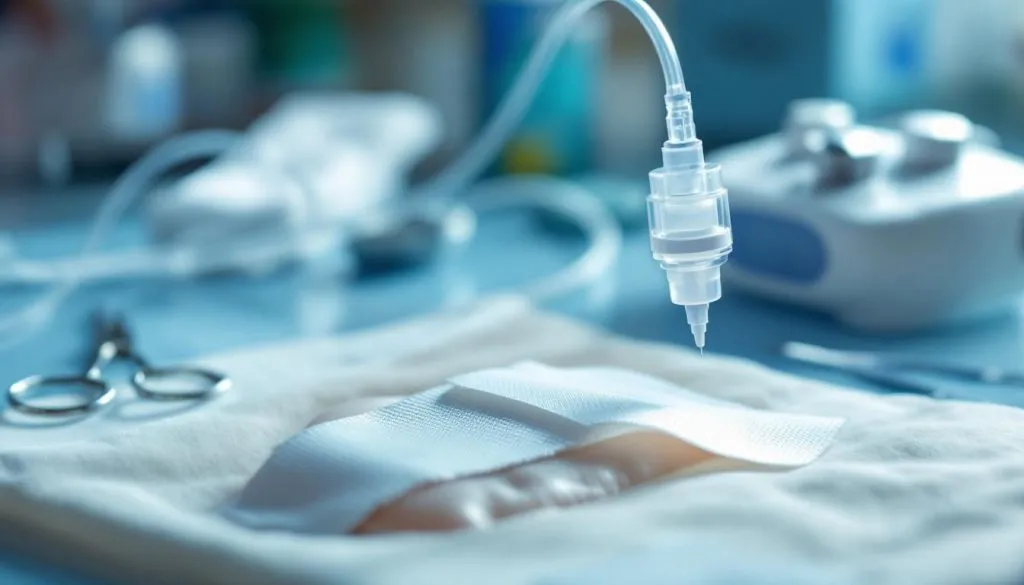
Negative Pressure Wound Therapy (NPWT) is a powerful wound treatment method that uses controlled suction to promote healing. This innovative technique applies negative pressure on the surface of the wound through a specialized dressing, creating a sealed environment that draws out excess fluid and debris while stimulating the growth of new tissue. The pressure typically ranges from -40 mmHg to -200 mmHg, depending on the wound type and treatment goals.
The NPWT system consists of three main components:
- A sponge
- An air-tight film
- A pump that delivers the negative pressure
This setup creates an optimal healing environment by:
- Reducing edema and inflammation
- Improving blood flow to the wound area
- Removing bacteria and infectious materials
- Promoting the formation of granulation tissue
Suitable Wound Types
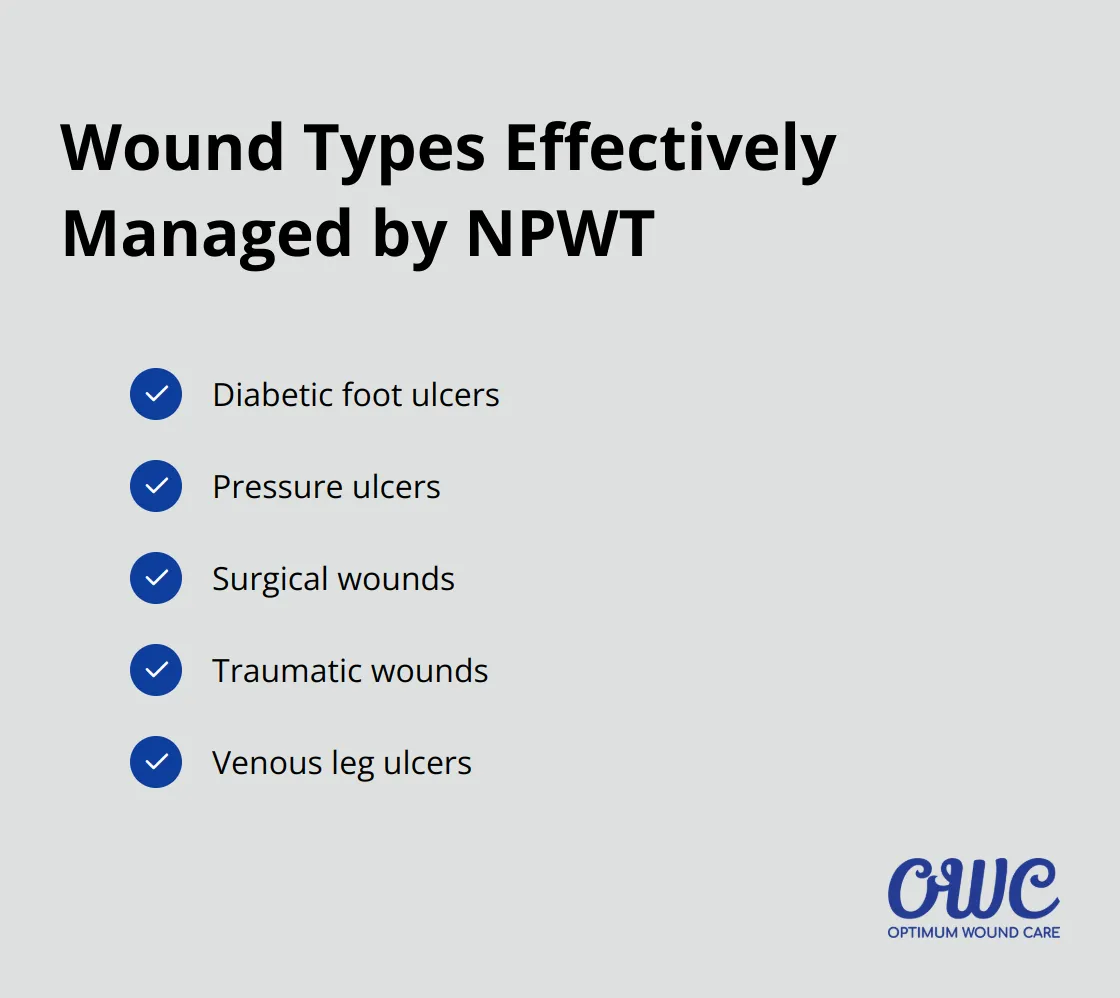
NPWT demonstrates versatility in treating various wound types. It has shown effectiveness in managing:
Practical Implementation
When implementing NPWT, healthcare professionals should:
- Clean and debride the wound thoroughly before application
- Ensure a proper seal around the dressing to maintain negative pressure
- Monitor the wound closely for signs of infection or complications
- Change dressings every 48 to 72 hours (or as recommended by the healthcare provider)
Tailored Approach
At Optimum Wound Care, we customize the NPWT approach to each patient’s specific needs. Our experienced team assesses each case individually to determine the most effective pressure settings and treatment duration. This personalized care (led by Wound Specialist Mosayeb “Moe” Karimi) maximizes the benefits of NPWT for our patients.
As we explore the key benefits of Negative Pressure Wound Therapy in the next section, you’ll discover why this treatment has become a cornerstone in advanced wound management.
Key Benefits of Negative Pressure Wound Therapy
Accelerated Healing Process
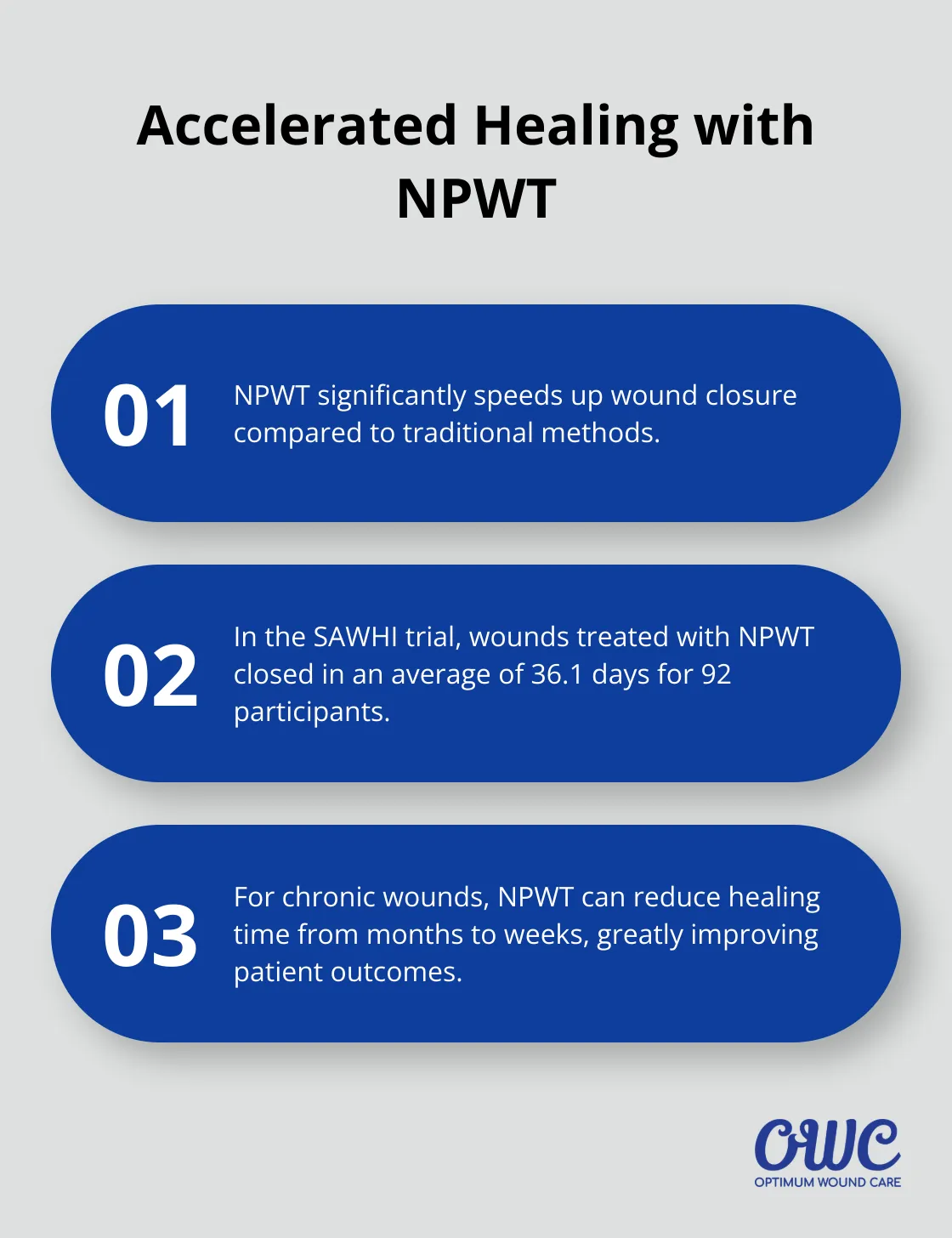
Negative Pressure Wound Therapy (NPWT) transforms wound healing by significantly speeding up wound closure. A study in the randomized clinical SAWHI trial revealed that wounds were closed significantly faster in the NPWT arm, with an average of 36.1 days for 92 of the participants. This remarkable acceleration stems from the therapy’s ability to extract excess fluid, decrease edema, and promote granulation tissue formation. For patients struggling with chronic wounds, this can translate to weeks instead of months of treatment.
Effective Infection Control
NPWT excels in reducing infection risk, one of its most notable advantages. The therapy creates a sealed environment that blocks external contaminants from entering the wound. Furthermore, it continuously removes wound exudate and debris, which substantially lowers bacterial load. However, a review of clinical evidence suggests that the effectiveness of negative-pressure therapy in reducing wound infections is still unclear, with more research needed to establish its efficacy conclusively.
Streamlined Wound Management
NPWT reduces the frequency of dressing changes, benefiting both patients and healthcare providers. While traditional dressings often require daily changes (which can be painful and time-consuming), NPWT dressings typically need changing only every 48 to 72 hours. This decreased frequency minimizes disruption to the healing process and lowers the risk of bacterial introduction during dressing changes.
Improved Tissue Regeneration
NPWT significantly enhances blood flow and promotes new tissue growth. The applied negative pressure stimulates angiogenesis (the formation of new blood vessels). This increased vascularity delivers more oxygen and nutrients to the wound bed, which are essential for tissue regeneration. A study showed that NPWT can increase blood supply by up to 400%, although this increase is only sustainable for a limited time.
Enhanced Patient Comfort and Mobility
NPWT offers patients improved comfort and mobility, an often underappreciated benefit. Modern NPWT devices are compact and portable, allowing patients to move freely and continue daily activities during treatment. This mobility proves crucial in preventing complications associated with prolonged bed rest (such as pressure ulcers and deep vein thrombosis).
Moreover, the sealed nature of NPWT dressings reduces wound odor, which can significantly improve patients’ quality of life and social interactions. This aspect of NPWT can positively impact patients’ mental well-being and overall recovery process.
As we explore the practical implementation of NPWT in clinical settings, you’ll discover how these benefits translate into real-world patient care strategies.
Implementing NPWT: A Practical Guide
Patient Selection and Assessment
Effective implementation of Negative Pressure Wound Therapy (NPWT) requires a structured approach. The first step involves selecting suitable candidates for NPWT. We assess patients based on wound type, size, and location. NPWT can help to heal the wound and lower the risk of amputations in people with diabetes. However, we do not recommend it for patients with untreated osteomyelitis, malignancy in the wound, or exposed blood vessels or organs.
A thorough wound assessment is essential. We measure wound dimensions, evaluate tissue types, and assess exudate levels. This information guides our treatment plan and helps us set realistic expectations for healing time.
NPWT System Setup
Correct setup of the NPWT system is vital for treatment success. We start by cleaning and debriding the wound thoroughly. Next, we cut the foam dressing to fit the wound precisely (ensuring it doesn’t overlap onto healthy skin).
We then apply the adhesive drape, creating an airtight seal around the wound. This step is critical – any air leaks can compromise the therapy’s effectiveness. We connect the tubing to the foam dressing and the NPWT device, then activate the system.
Modern NPWT systems offer a range of pressure settings from -40mmHg to -200mmHg. We typically start at -125 mmHg and adjust based on patient comfort and wound response. For more sensitive areas or patients experiencing pain, we may use lower pressures.
Monitoring and Management
Regular monitoring ensures NPWT success. We check the wound daily for signs of infection, such as increased pain, redness, or fever. We also ensure the dressing maintains its seal and the canister doesn’t overfill.
Dressing changes typically occur every 48-72 hours. During these changes, we reassess the wound, clean it, and adjust the treatment plan if necessary. We find that involving patients in their care, explaining the process, and addressing their concerns improves compliance and outcomes.
Addressing Complications
While NPWT is generally safe, complications can occur. The most common issues we encounter are pain, bleeding, and infection. To manage pain, we may adjust the pressure settings or use pain medication. For bleeding, we immediately stop the therapy and apply direct pressure.
We minimize infection risk by maintaining a sterile environment during dressing changes. If infection occurs, we discontinue NPWT and treat with appropriate antibiotics. It’s important to address complications promptly to ensure patient safety and treatment efficacy.
Integration with Other Techniques
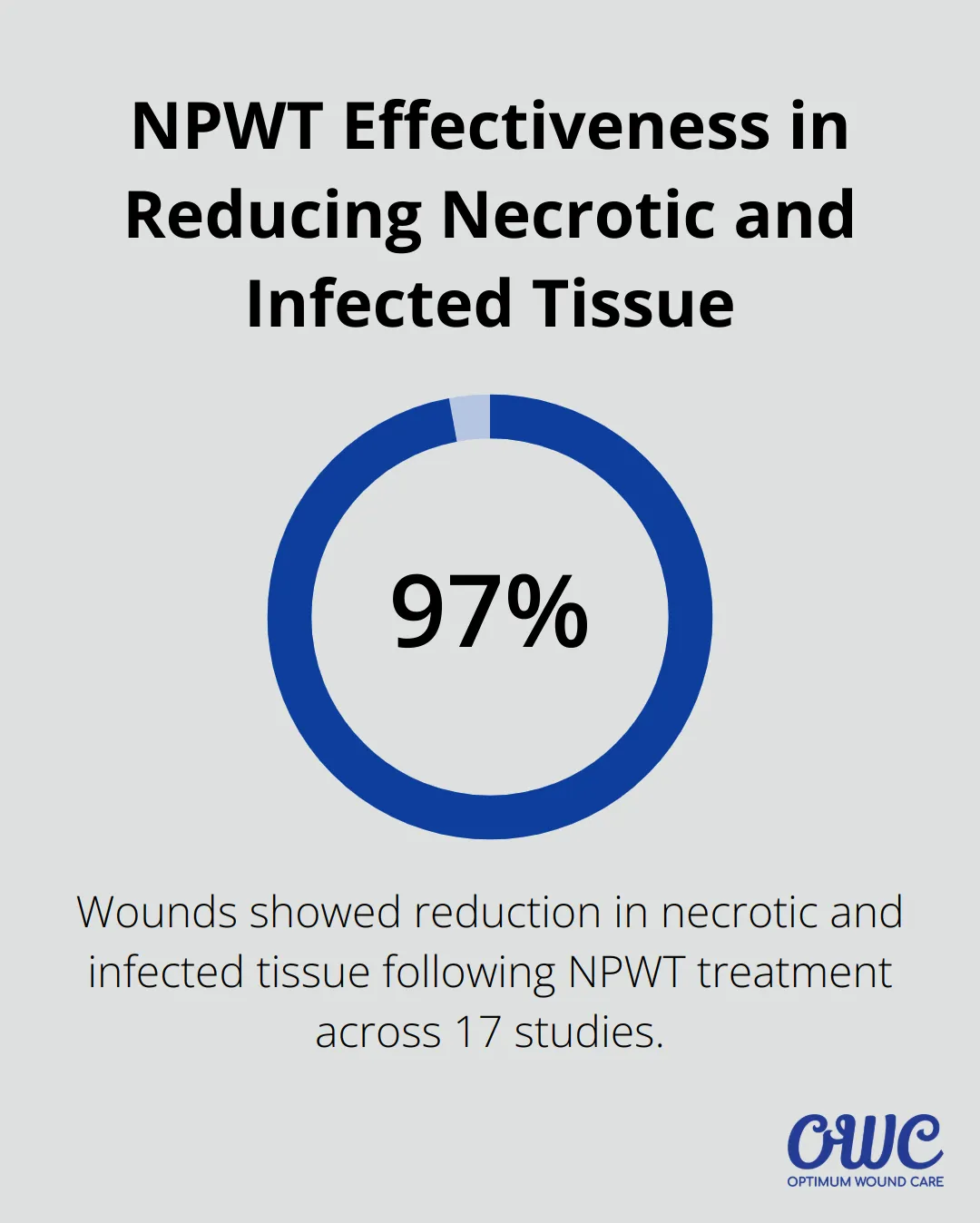
NPWT often works best when combined with other wound care strategies. We frequently use it alongside debridement to remove necrotic tissue and promote healthy granulation. Recent studies show evidence of reduction in necrotic and infected tissue following treatment in 97.9% of wounds across 17 studies.
In some cases, we combine NPWT with topical antimicrobials or growth factors to enhance healing. This multi-modal approach allows us to tailor treatment to each patient’s unique needs, maximizing the benefits of NPWT.
Final Thoughts
Negative Pressure Wound Therapy (NPWT) has transformed wound care management. The benefits of negative pressure wound therapy include faster healing, reduced infection risks, and improved patient comfort. NPWT accelerates wound closure, decreases dressing change frequency, and enhances tissue regeneration, making it an invaluable tool for healthcare providers.
Proper implementation of NPWT requires careful patient selection, precise system setup, and regular monitoring. Healthcare providers must address complications promptly and integrate NPWT with other wound care techniques to create comprehensive treatment plans. Future innovations in NPWT may include smart devices that automatically adjust pressure settings based on wound characteristics.
At OWC Center, we offer expertise in NPWT application. Our team combines clinical excellence with compassionate care to deliver personalized wound management solutions. We remain committed to helping our patients heal faster and regain their quality of life (while staying at the forefront of wound care advancements).
