
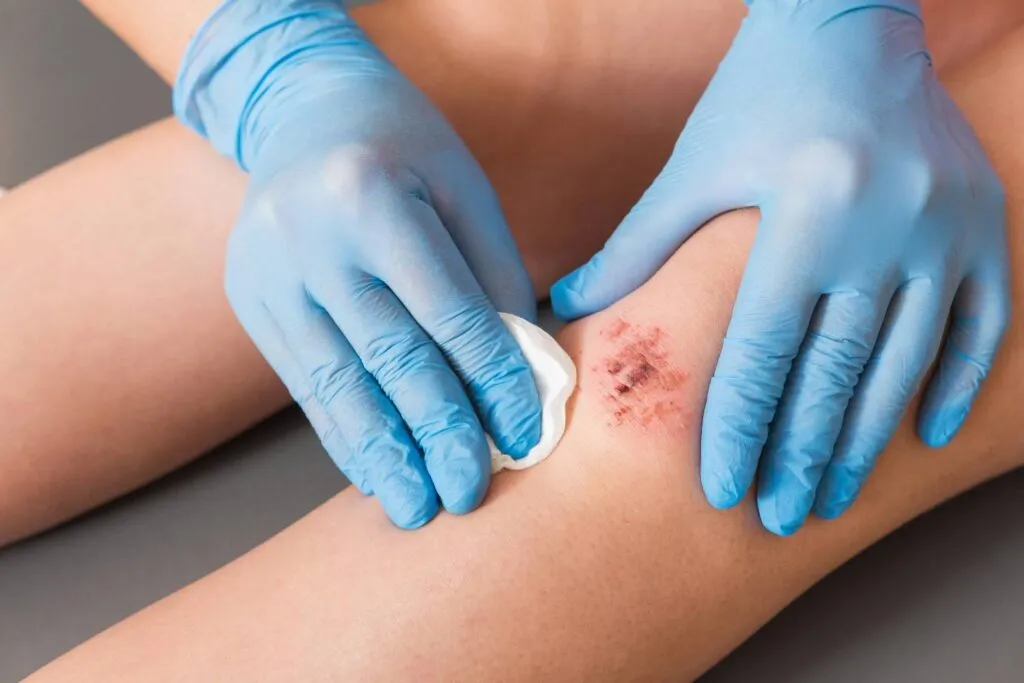
How to Address Itching and Pain During Wound Healing
When Every Inch itches and Every Touch Hurts
Itching. Burning. Throbbing.
Those aren’t just words—they’re your reality when you’re healing from a wound. Whether it’s from surgery, an ulcer, or a pressure sore that caught you off guard, that lingering irritation can drive you mad. And the pain? Some days, it’s dull and annoying. Other days, it flares without warning.
Sound familiar?
You’re not alone. According to a study from the NIH, over 60% of chronic wound patients report moderate to severe Itching and Pain as a barrier to healing.
And here’s the kicker—it’s a sign your body is working.
But let’s be honest: Knowing that doesn’t make it any easier.
Some describe it like ants crawling under their skin. Others say the bandage feels like sandpaper. And most just want one thing: relief.
If you’re reading this, you might have tried creams, pills, maybe even home remedies passed down from your grandma. Some work. Others? Not so much.
So what do you do when your wound won’t stop itching—or the pain won’t go away?
You keep reading.
In this blog, we’re diving deep into what causes itching and pain during healing—and most importantly, how to soothe it. You’ll get real tips, honest answers, and a plan to bring some peace back to your skin. We’ll also highlight advice from OWC Center wound care team right here in Louisville, plus offer insights based on Harvard Health Publishing and other trusted sources.
Let’s get you some relief.
Wound Irritation: Understanding the Itch Factor
You’ve got a wound. It’s healing. But the itch? It’s relentless.
Here’s why:
- New skin formation: As epithelial cells regenerate, they stretch and tighten over the area, irritating surrounding nerves.
- Nerve regrowth: Damaged nerve endings spark signals to your brain—often interpreted as itching.
- Scab formation: As your body protects the wound, the dried surface can flake or pull on nearby skin.
- Reactions to dressings or ointments: Some bandages or topical treatments contain adhesives or chemicals that trigger mild allergic reactions.
How to Calm Wound Irritation
If the itching feels unbearable, don’t scratch—it’ll only set your healing back. Instead:
- Use non-stick bandages that reduce friction.
- Apply prescribed hydrogels or moisture-rich dressings.
- Consider over-the-counter antihistamine creams if approved by your provider.
- Keep the wound area cool and dry, but moisturized.
- Apply a barrier cream around, not on, the wound to protect surrounding skin.
Want to learn more? Check out our blog on healing chronic wounds.
Comfort Tips for Everyday Relief
When you’re healing from a wound, everyday tasks can feel like a minefield. A brush against your pants. Rolling over in bed. Even a warm shower.
But comfort is possible—if you know where to look.
Start with your wardrobe:
- Wear breathable fabrics like cotton.
- Avoid tight elastics or synthetic materials.
- Opt for loose, layered clothing to control temperature.
Adjust your environment:
- Keep your bedroom cool and use a fan to reduce sweating.
- Use hypoallergenic bedding to reduce skin triggers.
- Avoid strong perfumes or lotions near the wound.
Consider home-friendly tools:
- Body pillows or wedges to redistribute pressure while sleeping
- Silicone dressings that reduce pain on removal
- Topical sprays with lidocaine or cooling agents
📌 Want a product recommendation? Our wound care specialists in Louisville can guide you.
Managing Wound Irritation Without Medication
Sometimes, you don’t want more pills. We get that.
There are plenty of drug-free strategies to ease the irritation. Many patients at OWCCenter have found success with these simple changes.
5 Natural Ways to Manage Discomfort
- Stay Hydrated: Dehydrated skin is itchy skin.
- Use Saline Rinses: Keeps the wound clean without harsh chemicals.
- Switch Dressings: Consider options like hydrocolloids or foams.
- Practice Mindfulness: Stress and anxiety amplify discomfort.
- Sleep Well: Healing accelerates during restful sleep.
Tools That Actually Help with Itching and Pain
Let’s talk tools.
Wound care has come a long way. You’re no longer stuck with just gauze and tape. Today, we have high-tech dressings, pressure-relieving pads, and comfort-driven gear.
What Our Clinicians Recommend
- Silicone Dressings: They minimize pain and reduce friction.
- Moisture-Retentive Dressings: Especially hydrogel-based, these promote comfort.
- Cushion Pads: Crucial for people with mobility issues or pressure wounds.
- Compression Wraps: Used correctly, they support circulation and reduce swelling.
Don’t forget: We personalize every treatment. Visit OWC Center for an in-person consultation.
When dealing with wound recovery, discomfort is more than a minor inconvenience—it’s a signal. That persistent itch? It’s your body’s way of saying, “I’m healing, but I need help.” And the pain you feel isn’t weakness; it’s your system rebuilding itself, one layer at a time.
Understanding the causes—whether it’s regenerating nerve endings, dry scabbing, or reaction to dressings—can help you stay ahead of irritation before it spirals into real setbacks. Relief doesn’t always have to come in a pill bottle. Sometimes, it’s found in the soft touch of a silicone pad, the cooling effect of a hydrogel, or the quiet comfort of a good night’s sleep. And just as often, it’s about choosing breathable clothes, lowering your room temperature, or shifting your mindset toward healing with intention.
The tools and techniques shared above—from everyday lifestyle changes to advanced dressing materials—are more than just temporary fixes. They’re practical, proven pathways to a smoother, more bearable recovery.
At OWC Center, we know no two wounds (or people) are the same. That’s why our approach is built around your comfort, your questions, and your healing timeline. So if your recovery journey feels overwhelming, remember: support is here, and healing—itch by itch, ache by ache—is happening.
Key Takeaways
- Itching is a sign of healing, but it doesn’t mean you have to suffer.
Mild to moderate itching is your body’s natural response to tissue regeneration. That said, discomfort should never be ignored. Using non-stick dressings, moisturizers, and gentle cleansing methods can make a world of difference. If your symptoms persist, our advanced wound care team can help you find soothing, personalized solutions. - Know the difference between normal pain and warning signs.
A little tenderness is expected, but sharp or escalating pain, redness, or unusual drainage could indicate complications. Listening to your body and acting early is key. If something doesn’t feel right, schedule a wound assessment at OWC Center. We’ll take a close look and help you stay on track. - Comfort doesn’t require harsh medications.
Natural options like hydrogel dressings, saline rinses, breathable clothing, and simple lifestyle shifts can ease irritation and promote faster healing. For customized, medication-free strategies, explore our chronic wound management options. - Scratching a wound can set back your recovery.
While the urge to scratch can be intense, it risks infection and scarring. Safe techniques like tapping, cold packs, or barrier creams can relieve the itch without the damage. For more detailed care plans, our team can recommend outpatient wound care options that reduce risk and improve comfort. - The right tools can turn a painful recovery into a manageable one.
From silicone dressings to specialized support garments, today’s wound care technology is built with comfort in mind. At OWC Center, we help you choose the tools that best match your needs. Visit our clinic for expert guidance and compassionate care every step of the way.
5 Related Questions Asked and Answered
1. Why does my wound itch so much during healing?
Itching is one of the most common (and frustrating) parts of the healing process. It usually means your body is doing its job.
Here’s why it happens:
- Nerve endings are regenerating, which can trigger itch sensations.
- New skin (epithelial cells) is growing, often causing tightness and irritation.
- Dryness or crusting around the wound can aggravate the area.
- Bandage reactions or sensitivity to ointments might contribute.
What you can do:
- Keep the area moisturized with doctor-recommended ointments or dressings.
- Use non-stick bandages to reduce friction.
- Avoid scratching—press gently instead if you feel itchy.
- Ask your provider about antihistamines or steroid creams if itching becomes severe.
📍 If you’re dealing with persistent irritation, learn more about our advanced wound care services to explore customized treatment.
2. Is pain normal while a wound heals, or is something wrong?
Some discomfort is absolutely normal especially in the early stages. But knowing the difference between healing pain and something more serious is key.
Normal healing pain might include:
- A dull ache or tightness around the wound
- Slight tenderness when changing dressings
- A stinging sensation that fades over time
Warning signs that it may be more than just healing:
- Increasing pain over several days
- Redness or warmth spreading from the wound
- Foul odor or unusual drainage
How to manage it safely:
- Take over-the-counter pain relief (only as advised by your provider)
- Use cool compresses if there’s no open area or risk of moisture damage
- Change positions frequently to reduce pressure
- Practice relaxation techniques like deep breathing or guided imagery
📌 Severe or persistent pain should never be ignored. Schedule a wound assessment at OWC Center to ensure safe, supported recovery.
3. How can I reduce itching and pain without using harsh medications?
If you’re hoping to go the more natural route, there are plenty of comfort strategies that don’t involve strong medications.
Try these comfort tips:
- Soothing dressings with aloe or silver can reduce inflammation
- Hydrogel products keep the wound moist and reduce itching
- Loose clothing reduces friction and keeps things cool
- Gentle cleansing (using saline or wound-approved rinses) keeps irritants away
Lifestyle adjustments also help:
- Stay hydrated—dry skin = itchy skin
- Keep your sleeping environment cool
- Manage stress, which can amplify pain signals
🔗 Visit our Advanced Wound Care page to explore the latest healing innovations used at OWC Center.
4. Can scratching a wound slow healing or cause infection?
Yes—and in more ways than you might think.
Scratching can:
- Reopen fragile new skin
- Introduce bacteria from your nails or environment
- Increase inflammation, delaying tissue repair
- Cause scarring or worsen the wound’s appearance
Safer alternatives to manage itching:
- Tap, don’t scratch – gentle pressure can calm the nerves
- Keep fingernails short and clean
- Use a cold pack wrapped in cloth for 5–10 minutes
- Ask your wound care provider about barrier creams or anti-itch sprays
👉 Learn about personalized wound care protocols that prevent complications and encourage complete healing.
5. What comfort products or tools are best during healing?
You don’t have to suffer through healing unprepared. There are tools designed to make recovery much more comfortable.
Highly recommended by OWC Center clinicians:
- Silicone dressings: Minimize pain during changes and reduce scarring
- Cushion pads: For pressure relief, especially in bed-bound patients
- Moisture-retentive dressings: Help with both pain and itch
- Support garments: Can stabilize sensitive areas while moving
Also helpful:
- Body pillows or wedges to relieve pressure
- Daily wound cleanse kits to avoid harsh rubbing
- Topical sprays (prescription and non-prescription) with soothing agents
🛒 Want more guidance? Ask your provider or visit our clinic in Louisville for product recommendations tailored to your needs.
