
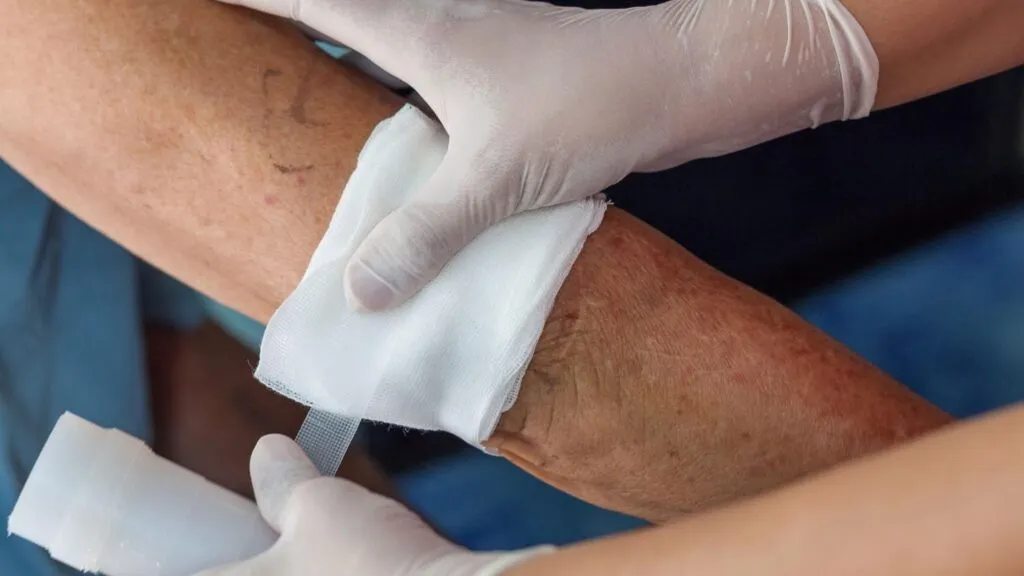
How Aging Skin Affects the Healing Process
Your skin tells a story. And as we age, that story gets a little more delicate.
A paper cut at 25? Heals in a blink. A small scrape at 75? That’s a different journey.
The truth is, aging skin doesn’t just wrinkle or sag—it heals differently. Slower. More fragile. And more prone to complications.
This isn’t just about vanity or skincare. It’s about health and independence. For seniors, something as simple as a blister or bump can turn into a chronic wound that refuses to heal.
Why?
Because aging changes everything:
- Collagen declines – the protein scaffolding holding your skin together weakens.
- Blood flow slows down – your cells get fewer nutrients.
- Skin thins out – offering less protection.
- The immune system softens – making it harder to fight infection.
According to this research, these biological shifts create a perfect storm for slower healing.
Even more, a National Library of Medicine study confirms that wound healing becomes less efficient due to reduced cellular regeneration and increased inflammation in older adults.
At OWC Center, we’ve seen firsthand how these changes impact lives. That’s why we offer personalized wound care plans for elderly patients that go beyond bandages and creams.
We believe in proactive healing—because everyone deserves skin that feels cared for.
Maintaining Skin Integrity in Older Adults
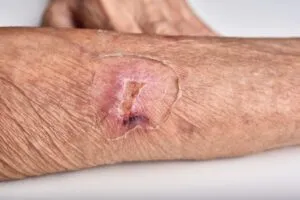
Skin integrity is more than skin deep—it’s a full-body health marker.
For seniors, maintaining healthy skin isn’t just about comfort—it’s protection. Aging skin becomes thinner and drier, with fewer oil glands. This can lead to cracking, flaking, and openings for bacteria.
The Science of Skin Breakdown
Aging skin loses its protective barrier, making it easier for wounds to form and harder for them to close.
- Reduced collagen and elastin delay wound closure.
- Lowered skin hydration makes it prone to cracking.
- Compromised immune function slows down infection response.
- Medication side effects (like steroids or blood thinners) complicate the picture.
These issues are compounded for people with conditions like diabetes or peripheral artery disease.
At OWC Center, our wound care specialists focus on gentle, moisture-preserving treatments to strengthen skin and accelerate healing.
We also provide education to families and caregivers—because knowing how to prevent a wound is just as important as knowing how to treat one.
📍 Explore our Advanced Wound Care to learn how we keep aging skin resilient.
Preventive Measures
- Daily gentle moisturizing
- Avoiding friction and pressure
- Regular skin checks
- Hydration and nutrition support
- Protective dressings in high-risk areas
📍 Want to know the first signs of circulation issues? Visit our Vascular Wound Care page.
Elderly Care and Wound Prevention at Home
Caring for a loved one with aging skin? You play a vital role.
Many chronic wounds begin at home—from pressure, moisture, or minor injuries left untreated. That’s why family and caregivers are an essential part of the healing journey.
How to Protect Fragile Skin
H2O, protein, sleep—think of them as wound-fighting allies.
But protection also means being hands-on:
- Keep skin clean and dry – but not too dry. Use gentle cleansers and fragrance-free moisturizers.
- Reposition often – especially in bed or wheelchair-bound patients.
- Inspect daily – for redness, warmth, or any new changes.
- Support nutrition – protein, vitamins C & E, and zinc matter.
- Avoid harsh adhesives – and opt for low-adherence dressings.
📍 Learn how our Wound Assessment identifies early warning signs.
Family Success Story
Marilyn, 83, had a persistent wound on her heel. Her daughter noticed drainage and redness early and brought her to OWC Center. With moisture-control dressings and caregiver education, Marilyn healed in 8 weeks.
“They treated us like partners, not patients.” – Sarah, caregiver
Wound Management for Aging Skin: Strategies That Work
When it comes to wound care in older adults, one-size-fits-all simply doesn’t work.
That’s why at OWC Center, our treatment plans are:
- Personalized – based on medical history, mobility, nutrition, and medication.
- Protective – focused on preventing further skin breakdown.
- Progressive – adapting as healing progresses.
Best Treatments for Aging Skin
- Hydrogel or silicone dressings – lock in moisture without trauma
- Negative pressure wound therapy (NPWT) – for complex wounds
- Topical antimicrobials – to prevent infection
- Compression therapy – especially for venous ulcers
- Nutritional consultation – to support skin repair
📍 Discover our Multidisciplinary Wound Care approach.
Skin Integrity Tips: Proactive, Not Reactive
Here’s how caregivers and clinicians keep healing on track:
- 📅 Reassess wounds regularly
- 🍽️ Encourage protein-rich diets
- 💧 Keep skin hydrated inside and out
- 🛏️ Change positions every 2 hours for bed-bound patients
- 📍 Use the right dressing—avoid standard band-aids on aging skin
Healing isn’t just about stopping a wound—it’s about restoring comfort, confidence, and dignity.
📍 Reach out to our team at OWC Center Contact Page to start a care plan personalized to your skin’s needs.
Healing in older adults is not just about medical intervention—it’s about understanding the unique changes that come with time and adapting care accordingly. At OWC Center, we know that aging skin tells a more delicate story, one that requires patience, tailored support, and vigilant care.
Through proactive treatment plans, compassionate caregiver education, and skin-protective strategies, we help older adults not only recover from wounds but regain their comfort, confidence, and quality of life. Because with the right approach, even slow healing becomes steady progress. And in every plan we create, we focus on more than just the wound—we focus on the person.
Key Takeaways
- Aging skin heals differently, but healing is still possible.
As we age, our skin becomes thinner, drier, and less resilient—making wound recovery slower. But with the right care and a personalized approach, healing can and does happen. At OWC Center, our Advanced Wound Care services are specifically designed to support aging skin through every stage of recovery. - Skin integrity is essential to overall health.
Maintaining healthy, intact skin is a powerful way to prevent chronic wounds and infections in older adults. Our clinicians use moisture-preserving dressings and protective strategies to strengthen fragile skin. Learn more about how we support Skin Integrity with every treatment plan we create. - Caregivers play a vital role in healing.
Gentle repositioning, daily skin checks, and proper hydration can make all the difference. We provide hands-on guidance through our Caregiver Support Resources to empower families to be active partners in wound prevention and care at home. - Wound risks increase with age—but they can be managed.
Conditions like diabetes, poor circulation, and reduced mobility raise the risk of chronic wounds. Our comprehensive Wound Assessment process identifies these risks early and helps us build custom care plans that promote better outcomes. - Healing is more than treating a wound—it’s restoring dignity.
At OWC Center, we see every wound as a story in progress. With compassionate care, ongoing evaluation, and a team that truly listens, we help seniors feel seen, supported, and strong again. Explore our Multidisciplinary Care approach for a deeper look at how we tailor healing for the whole person.
5 Related Questions Asked and Answered
1. Why does aging skin take longer to heal?
As we age, our skin naturally becomes thinner, drier, and less elastic—all of which make wound healing more difficult. Blood vessels shrink. Collagen decreases. And the immune response weakens.
Here’s what happens with aging skin:
- Reduced collagen and elastin slow tissue repair
- Fewer sweat and oil glands lead to dryness and cracks
- Diminished blood circulation means less oxygen and nutrients for healing
- Slower immune response increases infection risk
At OWC Center, we use age-sensitive wound treatments that protect skin integrity while enhancing healing speed. Our wound care plans for seniors emphasize moisture balance, gentle dressings, and regular reassessments to ensure progress.
📍 Visit our Advanced Wound Care Services to learn how we treat wounds differently for older adults.
2. What are common wound risks for elderly skin?
Aging skin is more fragile and prone to injury—even from everyday activities. The most common wound types we see in older adults include:
- Skin tears – from friction or bumping into furniture
- Pressure injuries (bedsores) – due to immobility or long periods in bed or chairs
- Venous ulcers – from poor circulation, often in the lower legs
- Chronic wounds – that don’t heal properly due to underlying conditions
Risk factors also include:
- Medications that thin the blood or reduce inflammation
- Chronic diseases like diabetes or vascular conditions
- Nutritional deficiencies common in elderly populations
At OWC Center, we assess each patient’s skin condition, mobility level, and circulation to develop custom care plans that prevent and treat these wounds effectively.
📍 Explore our Wound Assessment Process to see how we identify risks early and create targeted care plans.
3. How can caregivers support healing in older adults?
Caregivers play a vital role in maintaining skin integrity and supporting the wound healing journey. Prevention and gentle care are key.
Here’s how caregivers can help:
- Keep skin clean and moisturized with non-irritating products
- Reposition frequently to avoid pressure buildup
- Encourage movement or light activity when possible
- Monitor for skin changes like redness, dryness, or cuts
- Report any non-healing wounds promptly to a provider
Caregivers should also help with proper nutrition and hydration, both essential for skin repair. At OWC Center, we offer hands-on caregiver guidance and education, so families feel confident supporting their loved ones at home.
4. What treatments work best for wounds in aging skin?
Older skin requires a gentler, more tailored approach. At OWC Center, we focus on healing the wound and protecting the surrounding skin.
Treatments may include:
- Low-adherence dressings to avoid skin tearing
- Hydrogel or silicone-based products to maintain moisture
- Compression therapy for venous ulcers or leg swelling
- Topical antimicrobials to prevent infection
- Regular debridement (gentle removal of dead tissue) when appropriate
We also address the whole person—managing underlying conditions, monitoring medications, and working closely with families to adjust treatment as skin condition changes.
📍 Learn more about our Multidisciplinary Wound Care approach to healing with dignity.
5. Can wound healing still be successful in elderly patients?
Yes—absolutely. While the process may take longer, wound healing in aging skin is possible with the right care, patience, and consistency. At OWC Center, we see daily how hope and healing go hand-in-hand.
Success comes from:
- Personalized wound care plans
- Close caregiver collaboration
- Regular follow-up and reassessment
- Early intervention when healing slows
We’ve helped many older adults recover from wounds that seemed “stuck.” Through holistic care and supportive communication, healing becomes more than a goal—it becomes a shared journey.
📍 Schedule a consultation or follow-up through our Contact Page to get started.
