
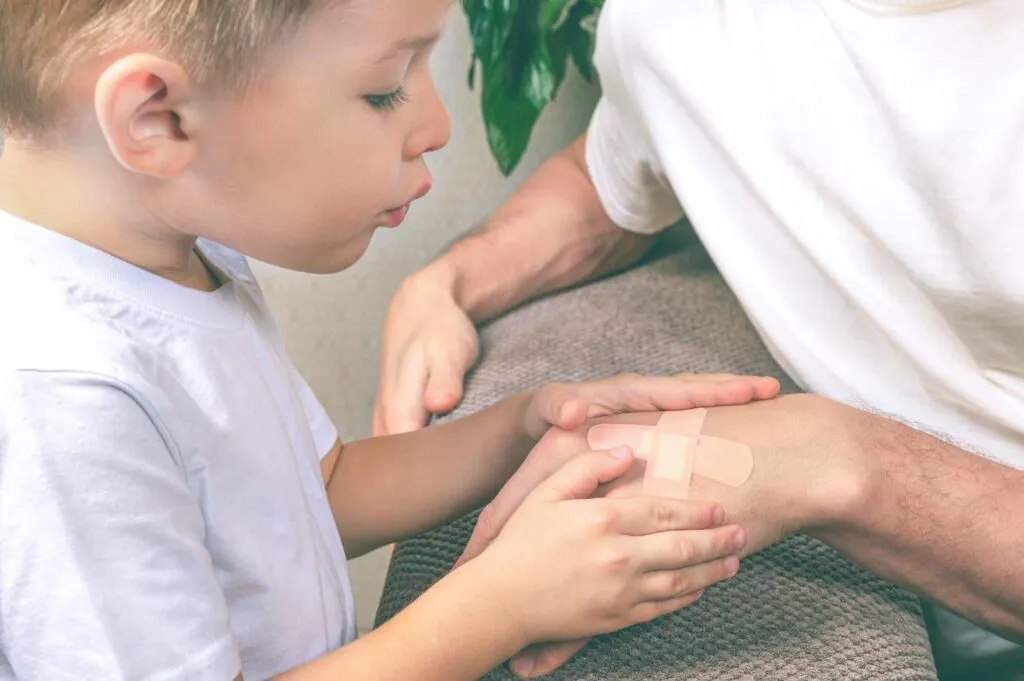
How to Help Children Understand a Parent’s Chronic Wound Condition
When Children See What We Try to Hide
Kids notice everything. The bandages. The slow steps. The extra time in bed. They notice when routines change. When hugs are lighter. When grown-up voices sound worried.
They might not ask. But they’re wondering. Is Mom okay? Why can’t Dad play with me like before? Is it my fault?
You want to protect them. Shield them from fear. But silence often makes things scarier.
Honest words. Gentle ones. That’s where it starts.
We tell kids not to touch a hot stove. Not because we want to scare them. But because they need to know what’s safe.
Talking about your chronic wound is like that. It teaches safety. Understanding. Compassion.
Still, it’s hard. How do you explain something even adults struggle to face?
Start small. Use the words they understand. Answer the questions they ask. Then listen for the ones they don’t.
According to the CDC, mental health support for children during times of parental illness can prevent long-term emotional strain. Likewise, studies from the University of Michigan suggest that clear, age-appropriate explanations help kids feel more secure and connected.
At OWC Center, we believe healing happens together. That’s why family education is at the heart of what we do.
Caregiver Tips: Explaining the Condition Without Fear
Explaining a chronic wound to a child might feel overwhelming. But with the right tools and tone, it becomes a moment of bonding and trust. Children are naturally curious, and they often respond to honesty with remarkable resilience.
Use Gentle, Clear Language
Start by naming what they see:
- “This bandage is helping a sore spot heal.”
- “Sometimes it hurts, but I’m okay.”
Avoid overly technical terms like “necrotic tissue” or “debridement.” Instead, use comparisons they can relate to:
- “It’s kind of like when you scraped your knee, but this one takes a lot longer to heal.”
Create Reassurance Through Routine
Children thrive on consistency. When health issues change routines, children often feel anxious.
- Keep some rituals steady: bedtime stories, snack times, weekend pancakes.
- Let them know what to expect: “After my doctor’s visit, I’ll be resting more today.”
Invite Questions Without Pushing
Some children will pepper you with inquiries. Others may act like nothing has changed. Let them lead:
- “You can ask me anything about my sore if you’re curious.”
- “It’s okay if you feel confused or worried. I’m here to talk about it anytime.”
For more tips on building emotionally safe conversations, read our guide on talking to kids about health challenges.
Let Stories and Play Lead
Books and toys can often say what words can’t. Use dolls, drawings, or story time to model care and recovery.
Family Support: Recognizing Emotional Signs in Kids
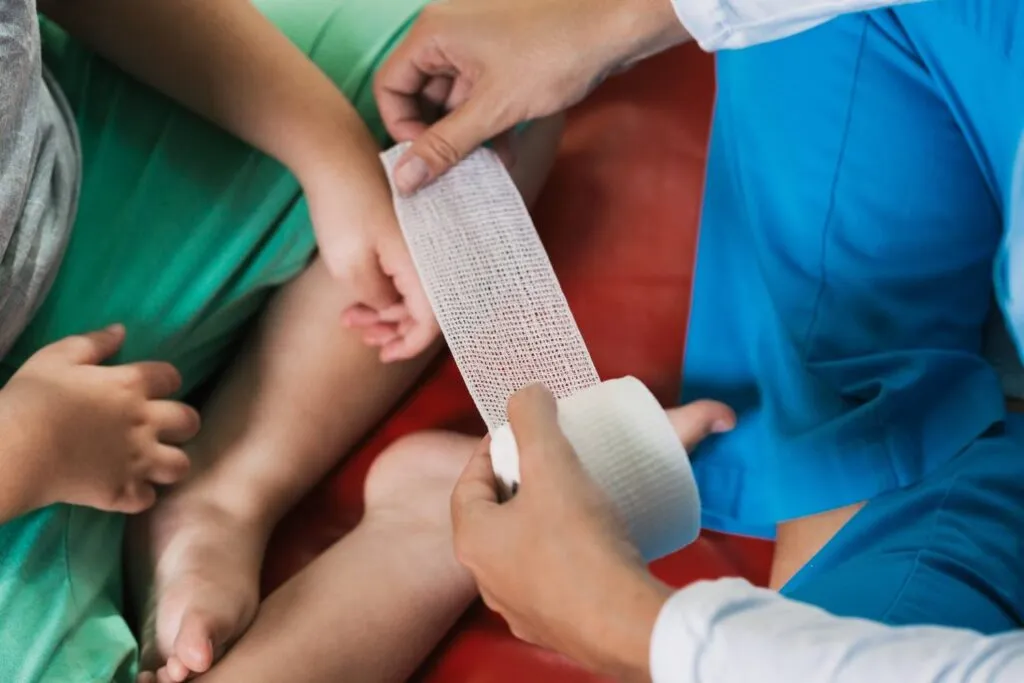
When a parent is unwell, children may not always say they’re scared or confused. Instead, their emotions come out in behavior.
Common Emotional Responses
- Clinginess
- Nightmares or sleep issues
- Acting out at school
- Tummy aches or headaches
- Loss of interest in play
Don’t panic. These are natural responses to uncertainty.
Offer Stability First
- Stick to daily routines
- Keep household rules consistent
- Allow them to express emotions in safe ways: crying, drawing, talking
Use Art as a Communication Tool
Some kids can’t say how they feel. But they can draw it.
- Ask them to draw their family.
- Give them clay to sculpt a “healing helper.”
This resource from the National Institute of Mental Health offers tools to recognize deeper emotional issues.
And remember, it’s okay to reach out. Our post on wound care and Alzheimer’s includes tips on managing emotional confusion, many of which apply here too.
Caregiver Tips: How Children Can Help (Without Being Overwhelmed)
Children love to feel helpful. With the right balance, involving them in simple caregiving roles can promote empathy, understanding, and strength.
Ideas for Gentle Involvement
- Wound-time buddy: Sitting nearby while you change dressings (but not participating).
- Helper roles: Bringing a glass of water, holding a pillow, turning on a movie.
- Creative support: Drawing a “get well” poster, keeping a “wound progress chart” with stickers.
- Storytime nurse: Reading aloud while you rest.
- Fun therapy: Sharing laughs, cuddles, or music—emotional healing counts, too.
“When my son started handing me my crutches each morning, he called himself my ‘crutch coach.’ It was his way of helping. And it helped us both.” – OWC Center patient, Louisville
Setting Healthy Boundaries
- Emphasize that grown-ups are in charge of treatment.
- Never assign tasks that involve direct wound contact or emotional burden.
Family Support: Building Strength as a Team
Even during difficult times, families can find moments of joy, humor, and hope. These moments build resilience.
5 Ways to Stay Strong as a Family
- Check in Weekly: Let each family member share how they’re doing emotionally.
- Celebrate Milestones: Finished a round of treatment? Enjoyed a pain-free day? Celebrate it.
- Keep Life “Normal” Where You Can: Family pizza night, bedtime jokes, backyard games.
- Use Humor: Laughter reduces stress and reminds children that joy still lives here.
- Ask for Help: Let extended family or community support fill in when needed.
Harvard Health research shows that strong family bonds improve patient outcomes and mental wellness.
For more on emotional dynamics, see our blog on mental health and wounds.
Final Notes
Family education isn’t about having the perfect answers. It’s about opening the door for love, questions, and shared strength.
When we speak gently and show up with honesty, something powerful happens: children begin to understand that challenges don’t mean the end of safety—they’re just part of the story. Sharing the reality of a chronic wound with a child isn’t about burdening them. It’s about building a bridge. A bridge made of trust, resilience, and love.
The quiet moments—drawing together, answering their questions, letting them bring you a pillow—are where healing begins for the whole family. When kids are included in age-appropriate ways, they feel seen, valued, and connected. And when families make space for laughter amid the hard days, for routines amid the unpredictability, everyone begins to find their footing again.
You don’t have to have perfect answers. You just need to keep the conversation open. Keep the heart open. Keep the family circle strong.
At OWC Center, we stand beside you in this journey—offering guidance, resources, and unwavering support. Because we know: wounds may take time to heal, but with care, understanding, and family education, your home can be a place where strength grows every day.
Key Takeaways
- Open communication builds emotional safety for children.
Children thrive when they’re given honest, age-appropriate explanations about a parent’s health. Being open fosters trust and reduces fear.
- Kids often express stress through behavior, not words.
Watch for signs like mood swings, physical complaints, or clinginess. These may be your child’s way of coping.
- Involving children in caregiving—gently and safely—can empower them.
Simple tasks like fetching supplies or drawing a healing chart can help children feel useful and connected. Discover practical Caregiver Tips to involve your child in a healthy, balanced way. - It’s okay to talk about tough questions—especially “Are you going to die?”
Children need honesty paired with reassurance. Your calm response helps ease their fears and anchors their emotional world. Visit our Family Support Programs for help navigating sensitive conversations. - Strong families don’t avoid hardship—they face it together.
Laughter, check-ins, routines, and asking for help are vital to keeping your family resilient. Chronic wound care is a journey, and you don’t have to walk it alone. Our Wound Care Team is here to support your family every step of the way.
5 Related Questions Asked and Answered
1. How do I explain my wound condition to my child without scaring them?
It’s natural to want to protect your child from difficult topics. But children—especially those who see a parent struggling—often sense more than we realize. The key is being honest, yet gentle.
- Start with what they know. If your child has seen bandages or heard doctor visits mentioned, acknowledge that openly.
- Use age-appropriate language. For younger kids, say something like: “Mommy/Daddy has a sore that takes a long time to heal. Doctors are helping it get better.”
- Normalize healing. Frame your condition as a part of life that requires extra care, just like a cold or scraped knee.
- Create space for questions. Kids may ask “Can I catch it?” or “Are you going to be okay?” Reassure them with truth and calm.
At OWC Center, we often guide families through this emotional education during chronic wound treatment.
2. What are signs my child may be stressed about my condition?
Even if they don’t say it aloud, children often express stress through behavior. Watch for these signs:
- Withdrawal or clinginess
- Trouble sleeping or increased fears
- Sudden mood swings or irritability
- Physical complaints (headaches, tummy aches)
Children process emotions differently than adults, and stress might appear weeks after a medical event. If you notice these signs:
- Acknowledge their feelings without judgment.
- Invite open conversations. Ask: “Are you worried about something?”
- Maintain routines. Stability helps kids feel safe.
- Consider art or play therapy. It offers a gentle outlet for processing emotions.
3. Should I involve my child in caregiving?
In small, empowering ways—yes. Involving children in caregiving can build empathy and strengthen family bonds, as long as it’s age-appropriate and not overwhelming.
- Let them help with simple tasks, like handing you supplies or reading you a story.
- Encourage “healing cheerleader” roles: making cards, singing songs, or tracking your healing progress with stickers.
- Remind them that it’s okay to have fun, too. Caregiving should never be a burden.
This fosters resilience and emotional intelligence while helping them feel useful instead of helpless.
At OWC Center, we see the healing power of family involvement every day. Read more caregiver tips here.
4. What if my child asks, “Are you going to die?”
This is one of the toughest questions—and it often comes up when children are trying to make sense of big changes. Take a breath. Your response matters more than having a perfect answer.
- Stay calm and present. Don’t dismiss the question or panic.
- Offer honest reassurance. “I have a wound that needs care, but I’m getting help from doctors who know how to treat it.”
- Share the plan. Let them know what treatments are happening and that you’re being looked after.
- Affirm security. Reinforce that they are safe and loved.
When this fear arises, it’s not just about the wound—it’s about uncertainty. Giving them reliable information and consistency in routines helps them feel anchored.
5. How can I help my family stay strong while managing my chronic condition?
Strength isn’t about pretending everything is fine—it’s about staying connected and supportive, even through difficulty.
Here are some tips to build family resilience:
- Hold regular family check-ins. Let everyone share their feelings.
- Celebrate small wins. Whether it’s a wound showing improvement or a good day together, acknowledge it.
- Set aside “wound-free” time. Create moments that don’t focus on the condition—game night, a walk, or shared meals.
- Lean on community resources. Counseling, support groups, and respite care can provide balance.
At OWC Center, we know that wound healing is a family journey. That’s why we offer wraparound support that includes educational resources and emotional care. Learn how our care team supports families.
