

Gait Analysis in Preventing Diabetic Foot Ulcers
Why Gait Analysis Matters More Than You Think
It starts small. A pinch in your shoe. A spot on your heel that feels warm.
You think—no big deal.
Then it happens again.
And again.
That’s how diabetic foot ulcers often begin.
Many people don’t realize their walk—called their gait—is shaping the health of their feet. Every step you take leaves an invisible signature. A pattern of pressure. A story of movement.
Sometimes, the story ends well. But for people with diabetes, it often ends in a wound that won’t heal.
Gait analysis shines a light on these patterns. It’s like holding a magnifying glass over your stride to see what your eyes can’t. According to the CDC, foot ulcers affect up to 15% of people with diabetes in their lifetime. Many of those ulcers could be prevented with early detection of pressure points.
One of our patients shared, “I thought I was just heavy on my feet. But the test showed exactly where the damage was happening.”
At OWC Center, we combine gait analysis with foot pressure mapping to build a complete picture of your risk.
It’s not just science—it’s peace of mind.
Understanding Foot Pressure in Diabetic Care
Foot Pressure and Ulcer Development
Foot pressure isn’t just about how much you weigh. It’s about where you place your weight. Imagine standing on wet sand. The deepest spots in your footprint show where your foot bears down hardest.
For people with diabetes, these high-pressure areas are dangerous. Why?
- Loss of sensation: Nerve damage—called neuropathy—makes it hard to feel pain.
- Constant friction: Repeated pressure slowly damages skin.
- Hidden injuries: Small cuts or blisters go unnoticed, becoming larger wounds.
When foot pressure isn’t evenly distributed, skin cells don’t get enough oxygen. Over time, tissue breaks down. That’s why regular gait analysis is so valuable—it finds the hidden pressure before it turns into an ulcer.
Here’s what to watch for:
- Areas of thick callus
- Redness after walking
- Shoes that feel tight or rub in one spot
If you notice any of these, consider scheduling a foot pressure assessment. Our team can guide you through custom footwear and offloading strategies that relieve stress on vulnerable areas.
Podiatry Techniques for Preventing Ulcers
Podiatry Techniques That Make a Difference
Once you know your pressure points, what comes next?
This is where podiatry techniques shine.
Custom Orthotics
Soft or firm inserts that redistribute pressure away from hot spots. Think of them as shock absorbers for your feet.
Therapeutic Footwear
Shoes designed with extra depth, seamless interiors, and supportive soles.
Regular Debridement
Careful removal of thick calluses to prevent underlying ulcers.
Monitoring and Adjusting
Your needs change over time. A regular schedule helps adapt your plan as needed.
One of our patients joked, “I thought diabetic shoes would look like my grandpa’s. But mine look like regular sneakers—and they feel even better.”
When gait analysis and podiatry techniques work together, you build a stronger defense against ulcers.
How Gait Analysis Detects Hidden Risks
Foot Pressure Mapping Reveals the Invisible
You can’t always see the danger under your feet. That’s why foot pressure mapping is so powerful.
How it works:
- You walk across a sensor mat.
- Thousands of sensors record pressure at each step.
- A 3D image is created.
- Red zones show high-pressure areas.
- Data guides your treatment plan.
- Custom orthotics, footwear, and exercises are chosen based on your results.
3 Benefits You’ll Notice:
- Early detection of risky pressure.
- Visual proof of progress over time.
- Personalized recommendations that fit your lifestyle.
One patient said, “It was like looking at a heat map of my foot problems. No guessing. Just answers.”
If you’d like to see an example, this study from the NIH shows how pressure mapping can dramatically reduce ulcer risk.
Daily Foot Care Between Visits
Podiatry Techniques You Can Use at Home
Professional care is critical—but daily habits matter just as much. Here are 5 steps to protect your feet:
- Inspect your feet every day.
- Use a mirror for the bottoms.
- Wash and moisturize.
- Keep skin clean and supple.
- Check your shoes.
- Remove debris before wearing.
- Never walk barefoot.
- Even indoors.
- Move regularly.
- Walking improves circulation.
One of our patients shared, “I baby my feet more than my plants—and they’re still alive, so I must be doing something right!”
If you need ideas, explore our diabetic foot care tips.
How Often Should You Schedule Gait Analysis?
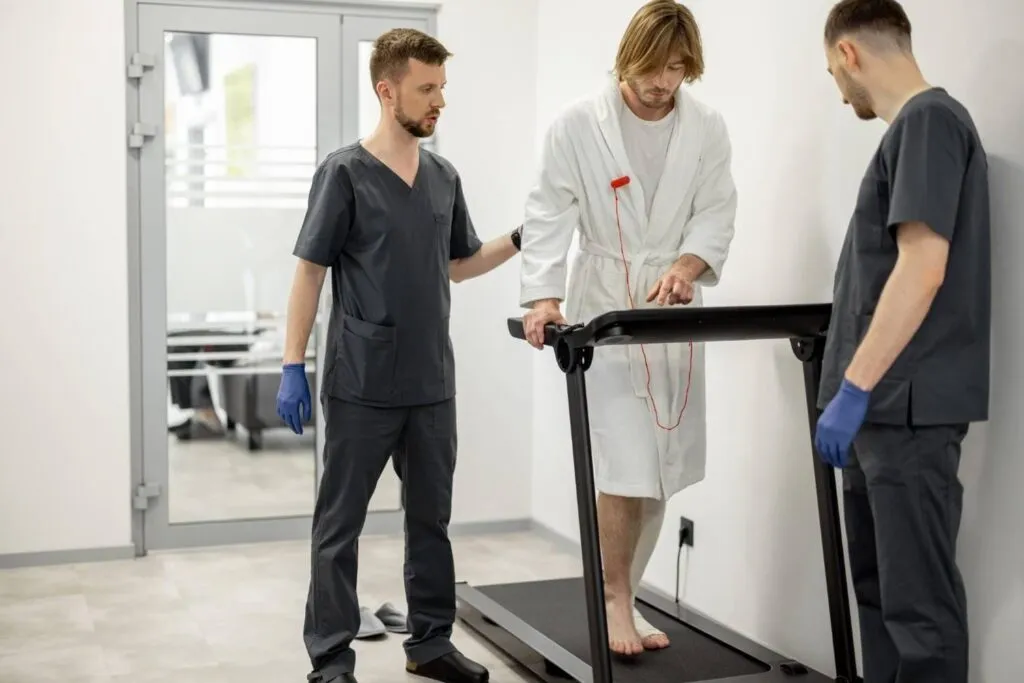
Creating Your Personal Schedule
Everyone’s timeline is unique, but most patients benefit from at least one gait analysis per year. You may need more frequent assessments if you:
- Have severe neuropathy
- Recently healed a foot ulcer
- Changed footwear or orthotics
Signs you need an assessment sooner:
- New redness or calluses
- Changes in how you walk
- Persistent foot pain
Routine gait analysis doesn’t just catch problems early—it gives you confidence that you’re doing everything possible to protect your feet.
If you’re not sure when to schedule your next appointment, our team will help you create a timeline that fits your needs.
Check out these additional blogs for more tips and information:
- Learn more about vascular wound care.
- Explore our guide to pressure injury treatment.
- Discover how advanced wound care supports long-term health.
Every step you take holds the potential to protect your feet or quietly chip away at their health. For people living with diabetes, understanding that story—and choosing to do something about it—can be life-changing. Gait analysis isn’t just another appointment to check off a list. It’s a way to see what your eyes can’t: the hidden pressures and subtle shifts that often cause ulcers long before the skin breaks open.
Pairing this insight with podiatry techniques, from custom orthotics to therapeutic shoes, gives you a real defense against wounds that can rob you of mobility and comfort. The most effective care plans are built on small, steady habits—daily inspections, careful shoe choices, and routine check-ins that keep you a step ahead of complications.
Many of the people who come to OWC Center start out feeling nervous, unsure if a gait assessment will really matter. But almost every time, they walk away with a new sense of control. Because when you can see where the problems begin, you can finally do something about them. Whether you’re just starting your journey with diabetes or you’ve been managing it for years, know that you have options, support, and the tools you need to keep moving forward with confidence.
Key Takeaways
✅ Gait analysis is a proactive step that prevents ulcers before they start.
Gait analysis pinpoints pressure points and movement patterns that increase your risk of diabetic foot ulcers. With this insight, you can make small adjustments that have a big impact. If you haven’t had a gait assessment, consider scheduling one—it’s one of the most effective ways to protect your feet and maintain your independence.
✅ Foot pressure mapping offers a clear picture of hidden risks.
Foot pressure mapping shows exactly where your feet are under stress, even when you can’t feel it yourself. This technology helps our specialists design custom orthotics and footwear that reduce friction and relieve pressure—so you can walk confidently, knowing your feet are protected.
✅ Podiatry techniques like custom orthotics and therapeutic shoes make a difference.
Specialized shoes and inserts aren’t just for comfort—they’re essential tools in preventing ulcers. Whether you’ve had ulcers before or simply want to stay ahead of complications, combining gait analysis with podiatry techniques provides a strong, customized defense against wounds.
✅ Regular monitoring helps you stay one step ahead of complications.
Annual gait analysis—and more frequent assessments if needed—allows your care plan to adapt as your health and lifestyle change. Early detection of new pressure points or skin changes keeps small issues from turning into big problems. Routine check-ins are an investment in your health and peace of mind.
✅ Daily habits play a powerful role in keeping your feet healthy.
Simple actions—like inspecting your feet, wearing supportive shoes, and staying active—make a world of difference. These habits, paired with professional care, empower you to protect your feet every day. You have the tools and the support to walk confidently toward a healthier future.
5 Related Questions Asked and Answered
1️⃣ What is gait analysis, and why is it important for people with diabetes?
Gait analysis is the study of how you walk. For people managing diabetes, it’s more than just a fancy test—it’s a lifesaver.
Here’s why:
- Pressure Mapping: Special equipment shows exactly where too much pressure builds up on your foot. High-pressure spots often turn into ulcers if they’re not protected.
- Movement Patterns: Gait analysis can reveal how uneven strides or foot deformities cause friction and calluses.
- Early Intervention: By spotting issues early, you can get custom orthotics or special shoes before wounds start.
One of our patients said, “I never realized my gait was off until I saw the pressure map. It was eye-opening—and it explained why I kept getting sores in the same spot.”
At OWC Center, gait analysis is part of our Diabetic Foot Ulcer Treatment plan. We combine modern podiatry techniques and personalized education to keep your feet healthy, comfortable, and ulcer-free.
2️⃣ How does foot pressure contribute to diabetic foot ulcers?
Imagine walking across a sandy beach barefoot. When you look behind you, some footprints are deeper than others. Those deep impressions show where you place the most pressure. For people with diabetes, those high-pressure spots can become dangerous.
Here’s what happens:
- Reduced Sensation: Nerve damage makes it harder to feel rubbing or pinching.
- Constant Stress: Repeated pressure in the same area damages tissue over time.
- Skin Breakdown: Without early intervention, even tiny sores can develop into deep ulcers.
Key facts to remember:
- Foot pressure mapping helps pinpoint where offloading is needed.
- Specialized insoles and shoes help redistribute pressure.
- Regular monitoring helps catch changes before they become problems.
If you’ve noticed calluses or red areas on your feet, talk to our team about gait analysis and custom solutions. Protecting your feet starts with understanding exactly how you walk.
3️⃣ What podiatry techniques help reduce ulcer risk after gait analysis?
Gait analysis is the first step, but it’s what happens next that really counts.
Podiatry techniques to lower your risk include:
- Custom Orthotics: Inserts designed to offload high-pressure areas.
- Therapeutic Footwear: Shoes that support and protect vulnerable skin.
- Callus Removal: Gentle debridement to prevent friction-related ulcers.
- Regular Monitoring: Scheduled checks to adapt your care plan as needed.
One patient told us, “I used to think all diabetic shoes looked the same. Then I realized they’re more like a tailored suit—made just for my feet.”
When you combine gait analysis with proactive podiatry care, you’re giving yourself the best defense against diabetic ulcers. Visit our Advanced Wound Care page to learn more about how these techniques fit into your long-term plan.
4️⃣ How often should gait analysis be done for diabetic foot care?
There’s no one-size-fits-all answer, but most people benefit from an annual gait analysis—especially if you have:
- Loss of Sensation: Nerve damage increases ulcer risk.
- Foot Deformities: Hammertoes or bunions can shift pressure.
- History of Ulcers: Previous wounds often reoccur.
Consider scheduling more frequent assessments if you:
- Have significant changes in mobility.
- Notice new calluses or red areas.
- Start using new shoes or orthotics.
Routine gait analysis isn’t just a precaution—it’s a way to stay one step ahead. The process is quick, comfortable, and often covered by insurance. If you’re unsure when to book your next assessment, our team can help you create a timeline that fits your unique needs.
5️⃣ What can I do at home to protect my feet between visits?
Great question—daily care makes all the difference. Here are habits that help:
- Inspect your feet every day.
- Use a mirror for hard-to-see areas.
- Wash and moisturize.
- Dry carefully between toes.
- Wear properly fitted shoes.
- Never walk barefoot.
- Check your shoes.
- Look for pebbles or rough seams.
- Stay active.
- Gentle exercise improves circulation.
One patient joked, “I baby my feet more than my plants—and they’re still alive, so I must be doing something right!”
Consistency matters. Small steps each day protect you from big problems down the road. For more tips, check out our Diabetic Foot Care Resources.
