
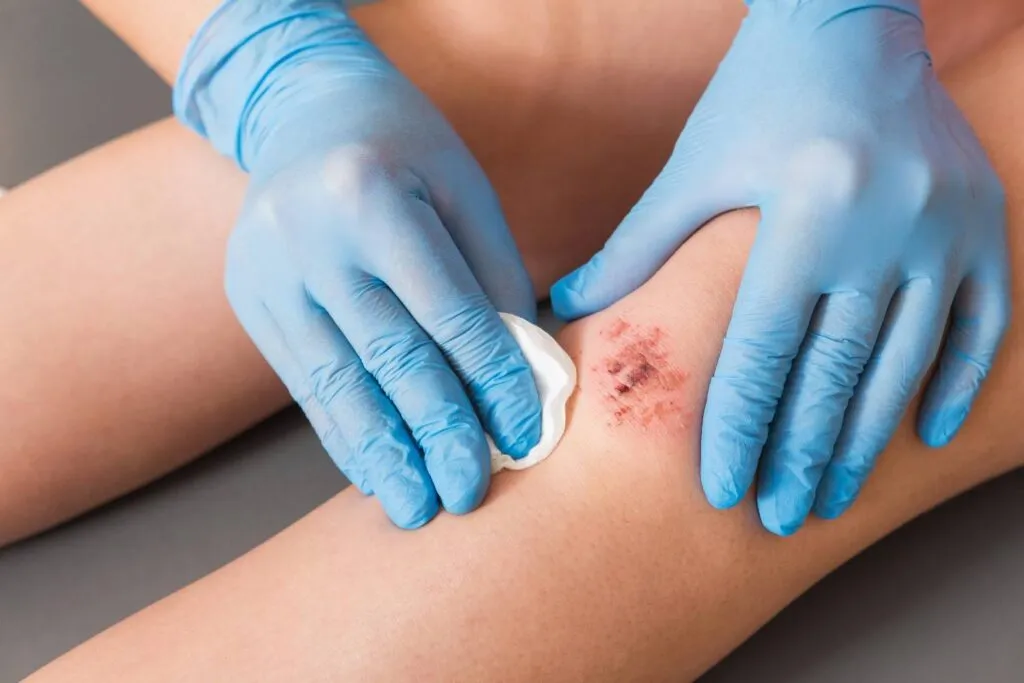
Cutting‑Edge Enzymatic Debridement Debates
Enzymatic Debridement: The Gentle Revolution in Wound Care
Some wounds don’t budge.
They stall.
Linger.
Quietly frustrate you day after day.
You try ointments.
Dressings.
Even antibiotics.
Nothing feels like it’s moving things forward.
That’s when someone says, “Have you tried enzymatic debridement?”
It almost sounds too fancy. Too clinical. But in reality, it’s one of the gentlest methods you can choose.
Think about this: your wound is like a garden that’s overrun with weeds. You could yank everything up, roots and all. But that risks damaging the good plants.
Or—you could use something that just melts away the weeds, leaving the healthy growth behind.
That’s exactly what enzymatic debridement does.
Using naturally derived enzymes—especially collagenase—it dissolves only the dead tissue.
It’s different.
It’s deliberate.
It’s sometimes exactly what you need.
But even as more clinics embrace this approach, there’s debate.
Questions pop up.
Is it fast enough?
Is it strong enough?
Does it work as well as other debridement methods?
These questions are fair. They matter to patients who’ve been burned by treatments that overpromised and underdelivered.
Researchers at Johns Hopkins Medicine have pointed out that chronic wounds can be some of the most stubborn medical challenges.
And a detailed report from the National Institutes of Health explains that choosing the right debridement approach can be the difference between healing and prolonged suffering.
When you’re already tired—maybe a little scared—you deserve real answers.
You deserve care that feels human, not rushed.
So today, let’s dig into why enzymatic debridement is sparking both excitement and debate—and whether it could be your next step forward.
Collagenase Debridement Explained
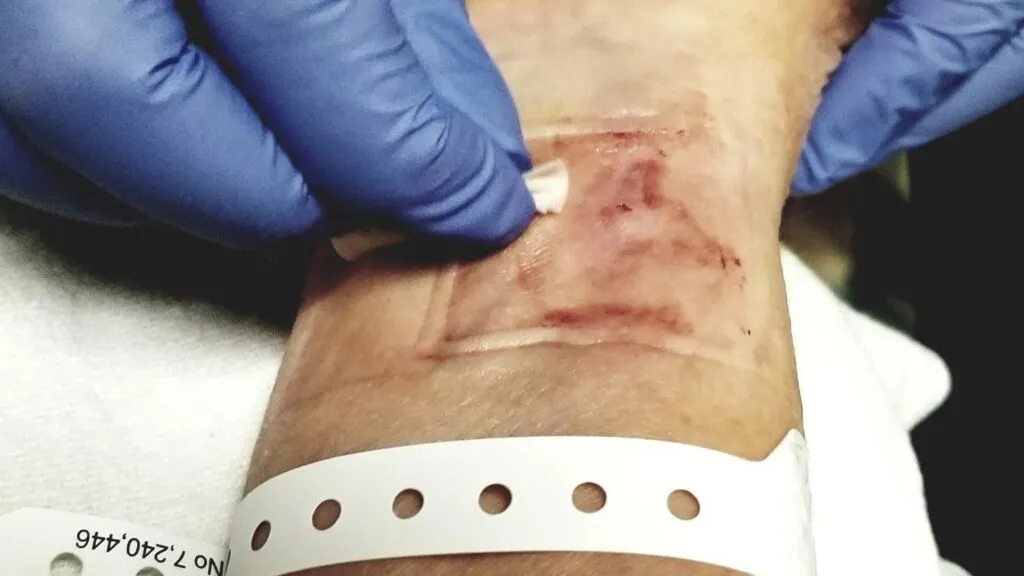
One of the biggest questions in the world of advanced wound care is this: Why collagenase?
If you haven’t heard the term before, collagenase is the enzyme that does most of the work in enzymatic debridement.
Picture collagen as the glue that holds old, dead tissue together. It forms a tight barrier that keeps wounds from progressing.
Collagenase debridement applies an ointment that dissolves that glue, letting the body’s natural healing kick in.
What Makes It Different
Here’s how it stands out:
- Selective Action: Only the dead tissue gets targeted. Healthy cells stay safe.
- Gentle Approach: Unlike surgical removal, there’s no cutting or scraping.
- Consistency: Regular applications slowly clean the wound surface.
Patients often share that collagenase feels approachable. One woman, who battled a diabetic ulcer for six months, said:
“I was scared it would be painful, but it was like putting on a soft salve. Slowly, I could see pink, healthy skin reappearing.”
When It’s Recommended
Your clinician might suggest collagenase debridement if:
- You have a chronic wound with stubborn slough.
- Surgical debridement isn’t safe for you.
- You prefer gradual progress over more invasive procedures.
If you’re curious how this fits with other options, you can explore our guide on debridement approaches.
Debridement Methods—Choosing the Right Approach
Every wound has its own story.
What works for one person might be completely wrong for another.
That’s why understanding the full menu of debridement methods matters.
Here’s a closer look at the main options your care team might consider:
- Surgical Debridement: Swift removal of dead tissue with precise tools. Ideal for large wounds but sometimes feels intimidating.
- Mechanical Debridement: Uses dressings or irrigation to loosen debris. Effective but can be uncomfortable.
- Autolytic Debridement: Encourages your body’s enzymes to do the work under a moist dressing. Slow but gentle.
- Enzymatic Debridement: The middle ground—faster than autolytic, gentler than surgical.
How Enzymatic Fits In
Imagine you’re cleaning an old countertop:
- Surgical is scraping paint with a blade.
- Mechanical is scrubbing hard with a sponge.
- Autolytic is soaking and waiting.
- Enzymatic is applying a remover that lifts grime without force.
What to Consider When Choosing:
- The size and depth of your wound.
- Your pain tolerance.
- Existing health conditions (like diabetes).
- Your personal comfort with different techniques.
- How much help you have at home.
Many patients find enzymatic debridement hits the sweet spot between effective and manageable. Still, you don’t have to decide alone. Our team will walk you through each option, step by step.
Explore more about wound assessment and how we customize treatment plans.
The Science Behind Enzymatic Debridement
Sometimes, knowing the “why” helps ease anxiety.
So let’s look at the science.
When collagenase ointment is applied, it binds to the dead tissue’s collagen fibers. Over time, it gently breaks them apart—without harming healthy cells.
This process:
- Reduces the wound’s bacterial load.
- Creates a cleaner surface for new tissue.
- Minimizes trauma.
According to the Wound Healing Society, enzymatic debridement is especially helpful in wounds with a moderate to thick layer of slough.
One study published in the Journal of Wound Care found that patients using collagenase achieved faster reductions in non-viable tissue compared to those using autolytic dressings alone.
Real Stories, Real Relief
A retired teacher from Louisville shared:
“I used to dread dressing changes. With collagenase, it felt less like a battle and more like progress. I could see my wound improving week by week.”
Collagenase Debridement vs. Other Debridement Methods
In any treatment plan, you’ll find pros and cons.
Let’s look at a side-by-side comparison.
| Method | Speed | Comfort | Selectivity | Setting |
| Surgical Debridement | Fast | Can be painful | Less selective | Clinic or OR |
| Mechanical Debridement | Moderate | Sometimes uncomfortable | Less selective | Clinic or home |
| Autolytic Debridement | Slow | Gentle | Highly selective | Mostly at home |
| Enzymatic Debridement | Moderate | Generally comfortable | Highly selective | Clinic or home |
One patient described enzymatic debridement as “pressing the reset button without the drama.”
When to Consider Other Options
While enzymatic methods are excellent for many wounds, they’re not always the first choice if:
- You have very deep infections.
- Rapid removal is needed to prevent complications.
- Severe pain requires immediate intervention.
Your clinician will guide you based on your wound’s condition and your overall health.
If you want to learn more about infection control, visit our resource page.
When you’re living with a wound that just won’t close, it can feel like you’re stuck in an endless loop of treatments that overpromise and underdeliver. That’s why understanding options like enzymatic debridement matters so much.
This approach isn’t about rushing or scraping everything away in a single appointment. It’s about respecting your body’s pace while giving it exactly what it needs to move forward. Whether you’ve struggled with diabetic foot ulcers that linger for months or pressure injuries that refuse to clear, collagenase debridement offers a gentler path. For many people here in Louisville—especially older adults or those with chronic conditions—it can be a relief to hear there’s a method that feels more like applying a soothing ointment than enduring another invasive procedure.
Enzymatic debridement doesn’t mean you have to give up the idea of steady, measurable progress. With the right support and consistent care, it can be the reset button your wound has been waiting for. Some patients say it feels like finally seeing healthy skin peek through after weeks of uncertainty, and that sense of hope is often as important as any medical protocol.
The debates about speed and strength will likely continue, but at the end of the day, what matters most is having a plan you trust. A plan that respects your comfort, keeps you informed, and brings together evidence-based care with human kindness. That’s the heart of what we do every day—and why so many people find their way to treatments like enzymatic debridement when everything else has fallen short.
Key Takeaways
✅ Enzymatic debridement offers a gentle, effective approach to chronic wound care.
Unlike surgical methods, enzymatic debridement uses natural enzymes to dissolve only dead tissue, making it a less intimidating option for many people. If you’ve felt anxious about more invasive treatments, this method could be the comfortable solution you’ve been looking for.
✅ Collagenase debridement is highly selective and protects healthy skin.
Collagenase targets the collagen that holds dead tissue together without harming the surrounding area. For patients with fragile or sensitive skin, this precise technique provides peace of mind and helps wounds heal steadily.
✅ This method is often ideal for older adults and those with limited mobility.
Enzymatic debridement can be done partly at home, reducing the need for frequent clinic visits. Whether you or your loved one struggles to get out regularly, this approach offers flexibility and consistent care.
✅ Healing with enzymatic debridement requires patience and support.
While the process works gradually, it delivers real results when paired with the right wound care plan. Our team will walk beside you, track your progress, and adjust your treatment to keep you comfortable and confident.
✅ You deserve wound care that’s compassionate and evidence-based.
At OWC Center, we combine trusted techniques like enzymatic debridement with a warm, patient-centered approach. If you’re ready to explore your options, we’re here to help you find a path forward that feels right.
5 Related Questions Asked and Answered
1️⃣ What is enzymatic debridement, and how does it work?
Answer:
Enzymatic debridement is a modern wound care technique that uses special ointments containing natural enzymes to break down dead tissue. Think of it like a gentle cleanup crew—these enzymes (like collagenase) quietly dissolve unhealthy tissue so healthy cells can grow.
Here’s why many patients and clinicians choose enzymatic debridement:
- Less Discomfort: Unlike surgical removal, it doesn’t require cutting or scraping.
- Precision: It targets only dead tissue, sparing healthy skin.
- Convenience: You can often apply enzymatic ointments at home or during regular clinic visits.
One patient told us, “It felt more like smoothing lotion on my wound than any big procedure. I finally felt hopeful about healing.”
At OWC Center, we use enzymatic debridement as part of a broader plan combining it with advanced dressings and infection control to give your wound the best chance to heal.
2️⃣ How is collagenase debridement different from other methods?
Answer:
Great question—this is something many patients are curious about.
Collagenase debridement is a specific type of enzymatic debridement that uses the enzyme collagenase to break down the collagen holding dead tissue together.
Here’s how it compares to other debridement methods:
- Surgical Debridement: Performed by a clinician with tools to remove tissue quickly. Very effective for large wounds but can feel intimidating.
- Mechanical Debridement: Uses gauze, dressings, or irrigation to pull away debris. Effective but sometimes uncomfortable.
- Autolytic Debridement: Encourages the body’s own enzymes to soften tissue under a moist dressing. Gentle but slower.
- Enzymatic (Collagenase) Debridement: Precise, enzyme-based method that dissolves dead tissue without harming healthy cells.
Imagine you’re cleaning a countertop:
- Surgery is like scraping off dried paint.
- Mechanical methods are like scrubbing with a sponge.
- Enzymatic debridement is like applying a remover that gently lifts the grime.
At OWC Center, our team will help you decide if collagenase is the best fit, ensuring you feel comfortable and informed every step of the way.
3️⃣ Is enzymatic debridement painful?
Answer:
Most people are relieved to learn that enzymatic debridement is typically not painful.
Here’s why:
- The enzymes work gradually over hours or days.
- There’s no cutting, scraping, or aggressive force.
- Many patients describe it as feeling like a soothing ointment.
That said, you might experience mild sensations like:
- A tingling feeling where the enzymes are active.
- Slight redness as the dead tissue loosens.
One patient told us, “I was so nervous it would hurt, but honestly, it felt like a gentle treatment. It was nothing like the scary procedures I imagined.”
If you do feel discomfort, your care team can adjust your plan. Some wounds are more sensitive, especially if they’re infected or inflamed. That’s why our clinicians always monitor your progress closely.
Learn more about our approach to wound debridement and how we prioritize your comfort and healing.
4️⃣ Who is a good candidate for enzymatic debridement?
Answer:
Enzymatic debridement is a great option for many people, especially those who:
- Have chronic wounds like diabetic foot ulcers, pressure injuries, or vascular ulcers.
- Can’t tolerate surgical debridement due to health conditions.
- Prefer a gentler, more gradual method.
- Need an approach that can be managed partly at home.
We often recommend enzymatic debridement for:
- Elderly patients who have fragile skin.
- People with limited mobility who can’t easily travel for frequent procedures.
- Individuals taking blood thinners who need low-risk care.
One gentleman shared, “I liked that I didn’t have to be in a hospital setting. I could do much of the treatment at home with guidance.”
At OWC Center, we conduct thorough assessments to decide if enzymatic debridement is the right choice for you. If it isn’t, we’ll talk through other options together.
5️⃣ How long does it take for enzymatic debridement to work?
Answer:
Patience is key with enzymatic debridement. While it’s effective, it works gradually rather than all at once.
Here’s what you can expect:
- Initial results: Some softening of dead tissue within a few days.
- Ongoing progress: Noticeable removal of slough and debris over 1–4 weeks.
- Full debridement: Several weeks, depending on the wound’s size and severity.
Factors that affect timing:
- How much dead tissue is present.
- How often dressings are changed.
- Whether other treatments (like infection control) are needed.
One patient compared it to “watching a garden grow”—you don’t see big changes overnight, but with consistent care, healing unfolds beautifully.
Our clinicians at OWC Center will help you track progress, adjust your plan as needed, and keep you encouraged along the way. Book Your Consultation today.
