
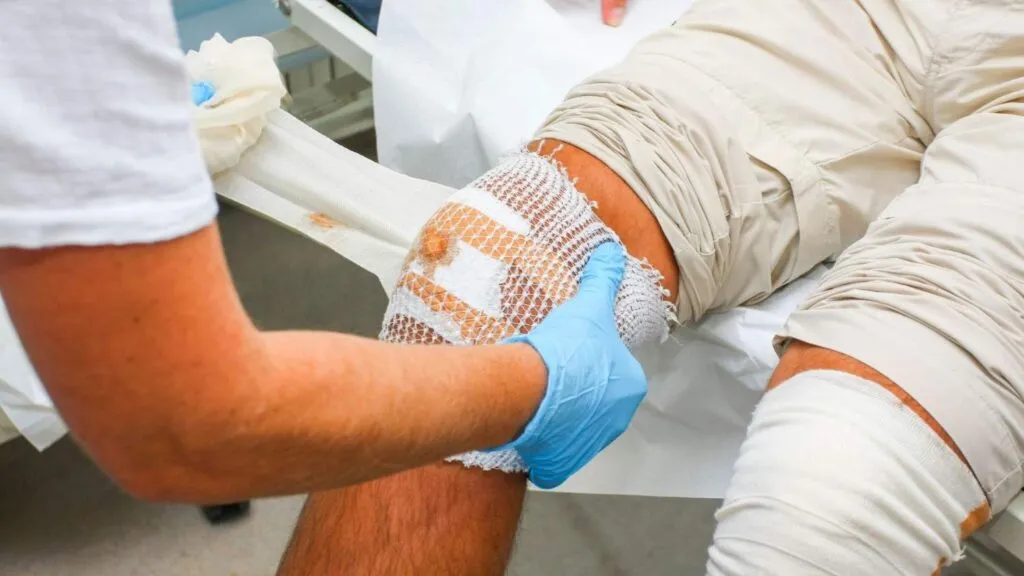
Customized 3D-Printed Dressings: A Future Outlook
What Are 3D-Printed Wound Dressings?
Cutting-edge. Precise. Tailored. That’s what comes to mind when we talk about 3D-printed wound dressings. Imagine having a tailor for your skin, but instead of fabric, the tailor uses advanced materials that promote healing. At its core, 3D printing builds an object layer by layer. Now picture this technology focusing on your wound’s exact shape, size, and needs. That’s the power of 3D-printed dressings.
Here’s the breakdown: Each dressing is crafted using imaging and software that map the wound. The materials? Think bioengineered dressings made of hydrogels, polymers, or even living cells. The benefits? Faster healing, reduced risk of infection, and improved comfort. And unlike traditional bandages, these dressings don’t just cover—they fit like they were made just for you.
For example, research from NIH highlights how personalized medical devices are revolutionizing care. Meanwhile, this study shows promising results for wound healing using biocompatible materials. At OWC Center, we believe innovation should meet compassion. We use these advanced techniques to support patients managing pressure ulcers, diabetic wounds, and other complex injuries. Because healing isn’t one-size-fits-all.
Bioengineered Dressings – The Science Behind the Healing
Science meets care. That’s the story of bioengineered dressings. These aren’t your average wound covers. They are engineered with precision and built for performance. Let’s take a closer look:
Materials and Innovation
- Biocompatibility: Each dressing uses safe materials, tested and approved for medical use. This ensures compatibility with the skin and tissues.
- Customization: Some include growth factors, antimicrobial agents, or living cells, accelerating tissue repair.
- Safety: Regulatory bodies like the FDA oversee these products, ensuring they meet strict safety standards.
Patients often ask: Are they safe? Absolutely. Every product undergoes rigorous testing. Studies from FDA confirm these materials enhance healing while minimizing complications. Think of them as a healing toolkit built into a single piece of fabric.
At OWC Center, bioengineered dressings become part of a larger care strategy. They help those with diabetic ulcers or chronic wounds gain a fighting chance. And the best part? They’re developed by teams who care about the person behind the wound.
For more on chronic wound treatment, see our blog on advanced wound care.
Custom Fit – Why It Matters for Healing
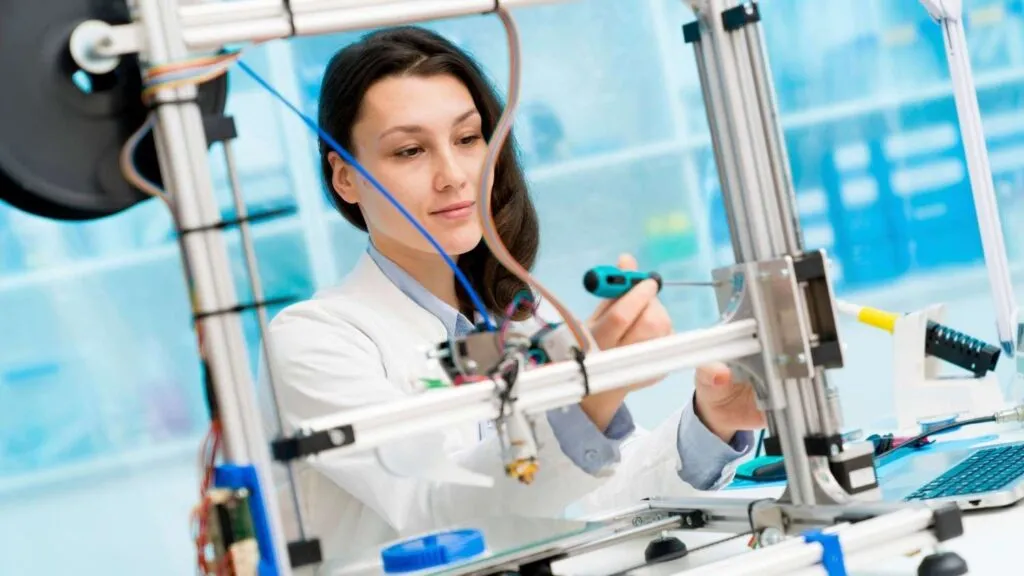
A wound isn’t flat. It has contours, depth, and unique challenges. That’s why custom fit matters. Here’s how the process works:
Step-by-Step Precision
- Mapping the Wound: High-resolution scans capture every detail.
- Designing the Dressing: Software converts scans into a 3D model.
- Printing and Application: The dressing is produced and placed with perfect alignment.
This isn’t just cool tech; it’s practical care. A snug fit reduces gaps that could harbor bacteria, minimizes discomfort, and allows natural movement. Imagine a diabetic ulcer patient being able to walk more comfortably because the dressing moves with them.
Key Benefits
- Less infection risk
- Better mobility
- Lower dressing-change frequency
Studies from CDC emphasize that infection control is key to wound healing. Custom-fit dressings answer this need by acting like a shield designed specifically for each patient.
Explore our resource on pressure injury treatments to see how technology drives better outcomes.
The Future – When Will Clinics Adopt It?
3D-printed wound dressings sound futuristic, but they’re closer than you think. Major wound care centers are piloting these programs now. Here’s the outlook:
- Current Use: Early adopters are already treating patients with 3D-printed devices.
- Barriers: Cost, training, and insurance are still catching up.
- What’s Next: Within 5–10 years, expect custom dressings to become mainstream for complex wounds.
For caregivers, this means better tools. For patients, it means less pain and more mobility. Picture the shift: From wrapping wounds with gauze to designing dressings like a craftsman. The future is personal, precise, and promising.
For a deeper look, check out our blog on negative pressure wound therapy.
Patient and Caregiver Benefits
Finally, let’s talk about why this matters to the people living it. Customized dressings aren’t just technology—they change lives:
- Faster Healing: Personalized fit speeds up recovery.
- Reduced Complications: Fewer dressing changes and lower infection risk.
- Better Quality of Life: Comfort means mobility and dignity.
- Caregiver Confidence: Using advanced tools offers peace of mind.
Learn more by visiting our advanced wound care services. Compassion and technology work hand in hand here.
Innovation is reshaping the way wounds are treated, and 3D-printed dressings are at the forefront of this change. By blending advanced imaging, precise design, and bioengineered dressings, these solutions are no longer just concepts—they’re becoming practical tools for real patients. The ability to create a custom fit means better coverage, fewer infections, and dressings that move with the body, reducing discomfort and boosting confidence for both patients and caregivers.
The technology is safe, rooted in rigorous testing and regulated standards, and it’s already finding its place in specialty care settings. Costs and access will improve over time, and what feels cutting-edge today may soon become standard practice. From chronic wounds to complex ulcers, these dressings promise not just faster healing but also dignity and independence. For families and providers, it’s an empowering reminder that care can be both compassionate and high-tech, and at OWC Center, these advances are being shaped into real-world healing solutions.
Key takeaways
1. Personalized Healing Speeds Recovery
3D-printed wound dressings are designed to fit each patient’s unique wound shape, which can shorten healing time and reduce complications. By using imaging and advanced materials, these custom solutions give patients a higher chance of fast, effective recovery. OWCCenter integrates this technology with proven care strategies to ensure wounds heal safely and comfortably.
- Safety and Quality Are Always Priorities
Every dressing uses biocompatible, FDA-approved materials that undergo rigorous testing for safety and effectiveness. At OWC Center, patient safety is central to everything we do, especially for those managing complex wounds like diabetic ulcers. Knowing your care is backed by strict medical standards brings peace of mind to patients and families. - Comfort That Moves With You
A snug, custom fit dressing reduces gaps where bacteria can grow, allowing natural movement without irritation. This means fewer dressing changes, less discomfort, and better quality of life. OWCCenter’s approach ensures that technology serves the person, making each step toward healing more comfortable and confident. - Future-Ready Care, Today
While 3D-printed wound dressings are still emerging, clinics like OWCCenter are preparing for adoption by staying ahead of innovation. Early pilots show incredible promise, and as costs decrease, patients will benefit from treatments once reserved for research labs. This proactive approach ensures our patients are never left behind. - Empowering Patients and Caregivers
Advanced wound care is not just about technology. It’s about giving people hope and control. Personalized dressings empower caregivers to feel confident in their role and patients to live more freely. At OWC Center, we combine compassion and innovation, proving that healing is stronger when science and humanity work together.
💬 5 Related Questions Answered
1. What are 3D‑Printed Wound Dressings?
Answer:
3D‑printed wound dressings are advanced medical devices created using a layer‑by‑layer printing process. Here’s how they stand out:
- Precision: Each dressing is tailored to the patient’s wound dimensions, ensuring a perfect fit and optimal coverage.
- Materials: These dressings can incorporate bioengineered dressings made of biocompatible polymers, hydrogels, or even living cells.
- Benefits:
- Improved healing time
- Reduced risk of infection
- Enhanced patient comfort
At OWC Center, this technology aligns with our focus on advanced wound care, giving patients access to solutions that were once limited to research labs. Think of it as having a tailor for your skin’s healing journey—only here, the “fabric” is healing material.
2. How Do Custom‑Fit Dressings Work?
Answer:
The concept of custom fit wound care is simple but powerful. Using imaging technology and 3D scanning:
- Step 1: Mapping the Wound: High‑resolution images capture the wound’s depth, size, and contours.
- Step 2: Designing the Dressing: Advanced software converts images into a digital model.
- Step 3: Printing and Application: Using medical‑grade printers, the dressing is fabricated to match the wound perfectly.
Why does this matter? A perfectly fitted dressing reduces gaps where bacteria could grow, minimizes discomfort, and supports natural movement. Patients with complex wounds such as pressure ulcers or diabetic ulcers benefit from dressings that feel almost invisible.
Internal Connection: Learn more about our pressure injury treatments and see how technology is improving outcomes.
3. Are Bioengineered Dressings Safe?
Answer:
Safety is the top priority. Bioengineered dressings often use biocompatible materials tested extensively for safety and efficacy. At OWCCenter, we focus on:
- Regulated Materials: Dressings follow FDA‑approved standards and medical guidelines.
- Evidence‑Based Practices: Clinical studies show these materials accelerate tissue repair and reduce infection risks.
- Customization: They can incorporate growth factors or antimicrobial agents to enhance healing.
For patients, the reassurance comes from knowing each dressing is carefully developed and applied under expert supervision. This innovation is particularly promising for individuals managing diabetic foot ulcers, where healing speed is critical to prevent complications.
4. How Soon Will This Be Common in Clinics?
Answer:
While the idea of 3D‑printed dressings may sound futuristic, clinical adoption is growing rapidly. Here’s what patients and caregivers can expect:
- Current Status: Major wound care centers are already experimenting with pilot programs.
- Challenges: Costs, insurance coverage, and training are barriers, but these are expected to decrease as technology scales.
- Future Outlook: Within the next 5–10 years, custom dressings may become a standard offering for complex wounds.
At OWC Center, we keep a close watch on these trends, ensuring our patients benefit from innovations as soon as they’re proven safe and effective. Just like smartphones changed communication, 3D printed wound dressings could revolutionize healing.
5. What Are the Key Benefits for Patients and Caregivers?
Answer:
Customized dressings aren’t just high‑tech—they’re life‑changing:
- Faster Healing: Personalized solutions reduce healing time.
- Reduced Complications: Better fit means fewer infections and less need for frequent dressing changes.
- Improved Quality of Life: Less discomfort and better mobility.
- Empowerment: Caregivers can feel confident they’re using the best tools available.
Explore more about our advanced wound care services and discover why technology and compassion go hand‑in‑hand.
