
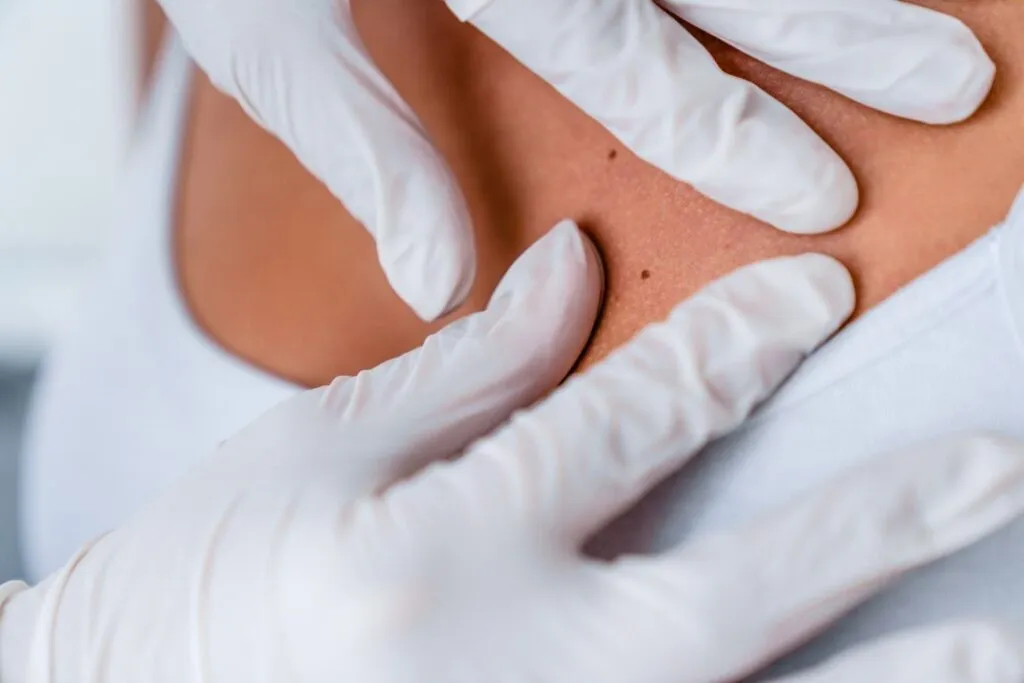
Comparing Algorithmic vs Clinician-Led Wound Assessment
It starts simple.
A small sore on your heel.
A scrape that just won’t close.
You notice it every day.
Maybe it grows.
Maybe it stays the same.
But you feel it’s…different.
Wounds that linger are serious.
They can steal your energy, your comfort, your sense of control.
They can lead to infections, hospital stays, even amputations.
So how do we watch them?
How do we track every change?
We’ve come a long way from pencil sketches in old paper charts.
Today, clinicians and patients have options.
Tools.
Digital tools.
Wound assessment algorithms can measure wounds down to the millimeter.
They can spot trends.
They can suggest treatments.
But here’s the thing—technology is only part of the story.
A trusted clinician’s eyes.
Their experience.
The way they notice tiny clues.
This is irreplaceable.
At OWC Center, we blend both worlds.
We use digital wound analysis alongside expert clinical assessment.
Because your healing deserves nothing less.
If you’re curious about how algorithms shape wound care, you’re not alone.
According to Johns Hopkins Medicine, chronic wounds affect more than 6.5 million Americans.
And a recent study shows digital assessment improves consistency.
But you probably have questions.
Let’s explore them together.
Understanding Digital Wound Analysis
What Is Digital Wound Analysis?
Digital wound analysis is like having a high-tech set of eyes.
It uses specialized cameras or mobile apps to capture wound images in vivid detail.
Imagine you’re visiting OWCCenter.
Our team gently uncovers your dressing.
We use a handheld scanner or tablet.
It snaps a photo.
The software maps the wound’s borders.
It measures depth, length, width—often within seconds.
Some programs even predict healing timelines by comparing thousands of similar wounds.
But does that mean a computer can replace a nurse’s trained instincts?
Not quite.
Digital analysis shines brightest when it’s used as a partner to expert observation.
At our clinic, we layer this data onto a rich understanding of your history, your medications, your unique healing patterns.
Here’s a real story:
One of our patients, Mr. J, struggled with a diabetic foot ulcer for months.
He’d been to three clinics, each relying on visual estimation alone.
Once we introduced digital wound analysis, we discovered the ulcer was 20% larger than prior estimates.
That small detail shaped his care plan—and ultimately sped up his recovery.
If you want to learn more about these technologies, the Wound Healing Society has fantastic resources.
Clinical Assessment: Trust in Human Expertise
Why Does Clinical Assessment Still Matter?
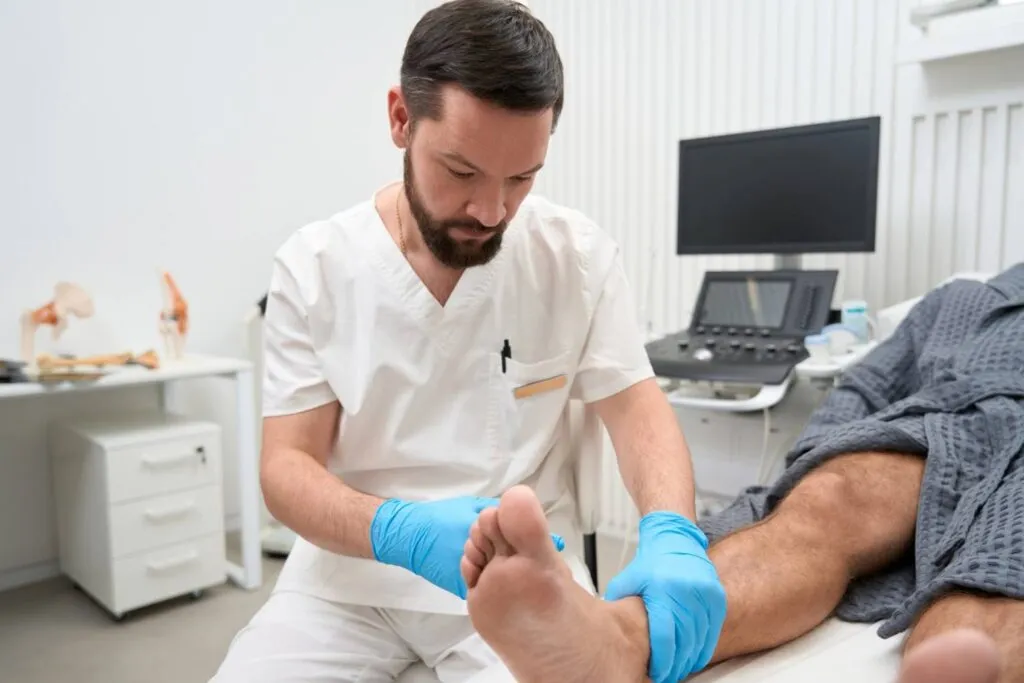
No matter how advanced algorithms get, clinical assessment remains the gold standard.
Consider this:
A camera can measure size.
It can track color.
But it can’t feel warmth, detect odor, or gauge tenderness when you wince.
During a clinical assessment, our team:
- Looks closely at skin texture
- Evaluates circulation
- Checks for infection signs
- Reviews nutrition and medications
- Listens to your experience
This is a holistic process.
It’s not just about the wound.
It’s about you—your life, your habits, your goals.
There’s a sense of trust in sitting down with someone who truly sees you.
Who doesn’t just record data but also listens and encourages.
That human touch is why we always combine digital tools with hands-on care.
If you’re curious about how our clinicians approach complex wounds, check out our Advanced Wound Care services.
Wound Assessment Algorithm: Consistency and Precision
What Is a Wound Assessment Algorithm?
A wound assessment algorithm is a smart checklist—digital or paper—that guides clinicians through each step of evaluation.
Here’s how it works:
- You describe your wound history.
- The clinician enters measurements, photos, and observations.
- The system suggests next steps based on evidence-based guidelines.
- Alerts pop up if data hints at complications.
Why does this matter?
- It creates consistency. Two clinicians using the same algorithm will reach similar conclusions.
- It supports evidence-based care, reducing the chance of missing critical details.
- It saves time and helps track progress.
One of the most trusted protocols is the Bates-Jensen Wound Assessment Tool (BWAT), widely used in chronic wound management. If you’re interested, the Agency for Healthcare Research and Quality offers in-depth information.
Combining Digital Tools and Clinical Assessment
How Do These Methods Work Together?
At OWC Center, we don’t see technology and human expertise as competing forces.
We see them as partners.
Here’s why blending digital wound analysis and clinical assessment works so well:
- Precision Meets Intuition
- Digital images show exact measurements.
- Clinicians sense subtleties like temperature and tenderness.
- Consistency Over Time
- Digital records track progress objectively.
- Clinicians interpret trends in the context of your health.
- Confidence for Patients
- Seeing clear images builds trust.
- Hearing compassionate guidance reduces anxiety.
- Better Outcomes
- Studies show combining methods shortens healing time.
Remember, you deserve the best of both worlds.
When you come to our Louisville clinic, you can expect a warm, skilled team who will walk beside you every step of the way.
Digital Wound Analysis and the Future of Healing
Why Is Digital Wound Analysis Important Today?
Digital wound analysis is transforming care across the country.
Consider these benefits:
- Improved Accuracy: Wounds measured within millimeters.
- Consistent Tracking: Visual timelines keep everyone on the same page.
- Data Sharing: Reports can be sent instantly to your primary doctor or specialist.
- Patient Engagement: You see your own healing in vivid color.
But technology has limits:
- Lighting can distort color.
- Algorithms can misclassify tissue types.
- Software can’t interpret how you feel.
That’s why our clinicians always review digital assessments with you in person.
We listen.
We adapt.
And we celebrate every small victory.
If you’d like a glimpse of cutting-edge research, this article explores emerging digital innovations.
Clinical Assessment in Action: A Personal Story
How Does Clinical Assessment Feel to Patients?
Let’s share Mary’s story.
Mary is a retired teacher.
She developed a pressure ulcer after a long hospital stay.
She felt scared and ashamed.
But when she arrived at OWCCenter, our nurse practitioner greeted her with a smile.
She explained every step of the clinical assessment:
- Checking wound edges.
- Testing circulation.
- Asking about pain and diet.
- Gently measuring and documenting.
Mary said it felt like someone finally saw her—not just her wound.
Over weeks, we combined digital wound analysis to track changes with thorough clinical assessments.
Mary said seeing progress in her wound photos was a relief.
But feeling listened to? That was the real turning point.
Staying Involved in Your Wound Care
How Can You Play a Role?
Staying engaged in your care is one of the most powerful healing tools you have.
Here are 5 ways you can participate:
- Ask Questions: No question is too small.
- Track Symptoms: Use a journal to record pain, color changes, or drainage.
- Request Photos: See your progress visually.
- Follow Recommendations: Stick to dressing schedules and pressure relief.
- Keep Appointments: Regular check-ins keep your healing on track.
At OWC Center, we believe healing is a partnership.
Explore more in our Diabetic Foot Ulcer Treatment guide.
When you look at everything shared here—stories, insights, and clear examples—it becomes obvious that no single approach alone can fully serve someone living with a chronic wound. An algorithm might measure with astonishing precision, offering millimeter-level accuracy and predictive timelines. It can even alert clinicians if something doesn’t look right. But technology can’t replace the warmth of a reassuring voice or the intuition of a clinician who notices that subtle change in your skin or the way you shift when you’re in pain.
At OWCCenter, we’ve seen firsthand how digital wound analysis strengthens clinical assessments rather than competing with them. Patients like Mary and Mr. J remind us that healing isn’t just about data points—it’s about partnership, dignity, and hope. When you can see clear photos of your progress, you feel more in control. When your care team listens and adapts, you feel valued.
Blending wound assessment algorithms with thoughtful, hands-on care helps us catch issues early and build trust that lasts. It means you have tools to see your healing in real time, plus a skilled team to interpret every detail in the context of your life. For patients and caregivers alike, this combination can turn uncertainty into clarity and fear into confidence.
And that, in the end, is what advanced wound care should always be: a place where you get the help and support you need to finally heal.
Key Takeaways
✅ Wound assessment algorithms offer precise measurements and clear tracking tools.
These innovative systems help clinicians document even the smallest changes over time. They can calculate wound size within millimeters, create visual progress timelines, and suggest evidence-based next steps. But while technology is powerful, it works best as part of a well-rounded, individualized care plan.
✅ Clinical assessment remains the cornerstone of compassionate care.
Your healing journey is about more than data. Clinicians use hands-on exams, their intuition, and a deep understanding of your personal history to make sure no detail is overlooked. This human element builds trust, ensures accuracy, and keeps you feeling seen and supported.
✅ Combining technology and clinician expertise leads to better outcomes.
When algorithms and clinical skills come together, patients benefit from the best of both worlds. This approach improves documentation, speeds up decision-making, and gives you clear evidence of your progress—all while honoring your unique needs and experiences.
✅ Staying involved empowers you to take charge of your healing.
From asking questions to keeping a journal, your active participation makes a real difference. Patients who stay engaged in their care plans often feel more confident and more in control, which supports faster, more sustainable recovery.
✅ OWC Center is here to partner with you every step of the way.
Our team believes healing is a collaboration built on trust, hope, and resilience. Whether you need advanced wound assessments, gentle guidance, or just someone to listen, you’ll find caring professionals ready to walk this journey beside you.
5 Related Questions Asked and Answered
1️⃣ What exactly is a wound assessment algorithm?
A wound assessment algorithm is a standardized, step-by-step process—often built into a digital platform—that guides clinicians through evaluating a wound.
How it works:
- The clinician enters specific details, such as wound size, depth, color, and drainage.
- The system uses this data to recommend treatment pathways or flag potential complications.
- Algorithms can integrate digital wound analysis, taking photos of the wound and comparing them over time.
Why it matters:
- It helps create a consistent baseline, especially in busy clinics where many clinicians might see the same patient.
- It supports decision-making with evidence-based recommendations.
That said, an algorithm isn’t a replacement for skilled judgment. At OWC Center, our team combines technology with decades of experience to develop personalized plans that address each patient’s unique needs.
2️⃣ How does clinician-led wound assessment differ from algorithmic assessment?
Clinician-led assessment relies on:
- Direct observation
- Hands-on examination
- Intuition developed over years of practice
- Knowledge of the patient’s broader health conditions
Algorithmic assessment, in contrast:
- Standardizes measurements
- Can improve tracking and documentation
- Reduces variability between providers
Why not just pick one?
The most effective approach blends both methods. At OWC Center, clinicians use digital tools to inform their expert judgment rather than replace it. This collaborative model builds trust and helps ensure nothing is overlooked.
You can learn more about how our Advanced Wound Care integrates technology and human insight.
3️⃣ Are digital wound analysis tools more accurate than traditional methods?
Short answer: They can be more precise in measuring wound size and documenting changes, but they still rely on a skilled clinician to interpret the results.
Key benefits of digital wound analysis:
- High-resolution images track progress objectively.
- Software can calculate wound area within millimeters.
- Some tools predict healing time based on wound characteristics.
However:
- Devices don’t always account for subtleties, like pain levels, odor, or tissue texture.
- Technology can misinterpret colors under certain lighting.
Bottom line:
When used alongside clinician assessments, these tools improve accuracy and make it easier to communicate progress with patients and referring providers.
4️⃣ How do I know which approach is right for me or my loved one?
Choosing the right wound assessment strategy depends on:
- The complexity of the wound
- Overall health conditions
- Available technology
- Your personal preferences
At OWCCenter, we:
- Perform thorough clinical assessments
- Use digital wound analysis when appropriate
- Develop a care plan that balances evidence-based protocols with individual needs
If you’re unsure, we encourage you to schedule a Wound Assessment Appointment so we can walk you through your options. Our team is here to help you feel confident and informed every step of the way.
5️⃣ How can patients stay involved in their wound assessment and care?
Staying engaged is one of the most powerful things you can do to support healing. Here are some ways to stay involved:
- Ask questions about what the clinician is seeing during assessments.
- Request copies of wound photographs and measurement reports.
- Use a journal to track symptoms like pain or changes in appearance.
- Follow your clinician’s recommendations on dressing changes and pressure relief.
- Keep all appointments to ensure consistent monitoring.
Remember: Whether your care involves algorithms, clinician assessments, or both, your input matters. At OWCCenter, we believe healing is a partnership built on trust, compassion, and clear communication.
Explore our Diabetic Foot Ulcer Treatment page to learn more about how we support patients through every stage of wound management.
