
How to Treat Chronic Wounds Effectively
Chronic wounds affect millions worldwide, causing pain, limiting mobility, and reducing quality of life. At OWC Center, we understand the challenges these persistent injuries present to patients and healthcare providers alike.
Our comprehensive guide to chronic wound therapy explores cutting-edge treatments, from advanced dressings to hyperbaric oxygen therapy. We’ll also delve into the crucial role of nutrition in supporting the healing process, empowering you with practical strategies for effective wound management.
Understanding Chronic Wounds
Definition and Types of Chronic Wounds
Chronic wounds present a persistent health challenge that affects millions globally. At Optimum Wound Care (OWC Center), we define chronic wounds as injuries that haven’t started to heal after 4 to 12 weeks despite treatment. These wounds often frustrate patients and require specialized treatment approaches.
The most common types of chronic wounds we treat at OWC Center include:
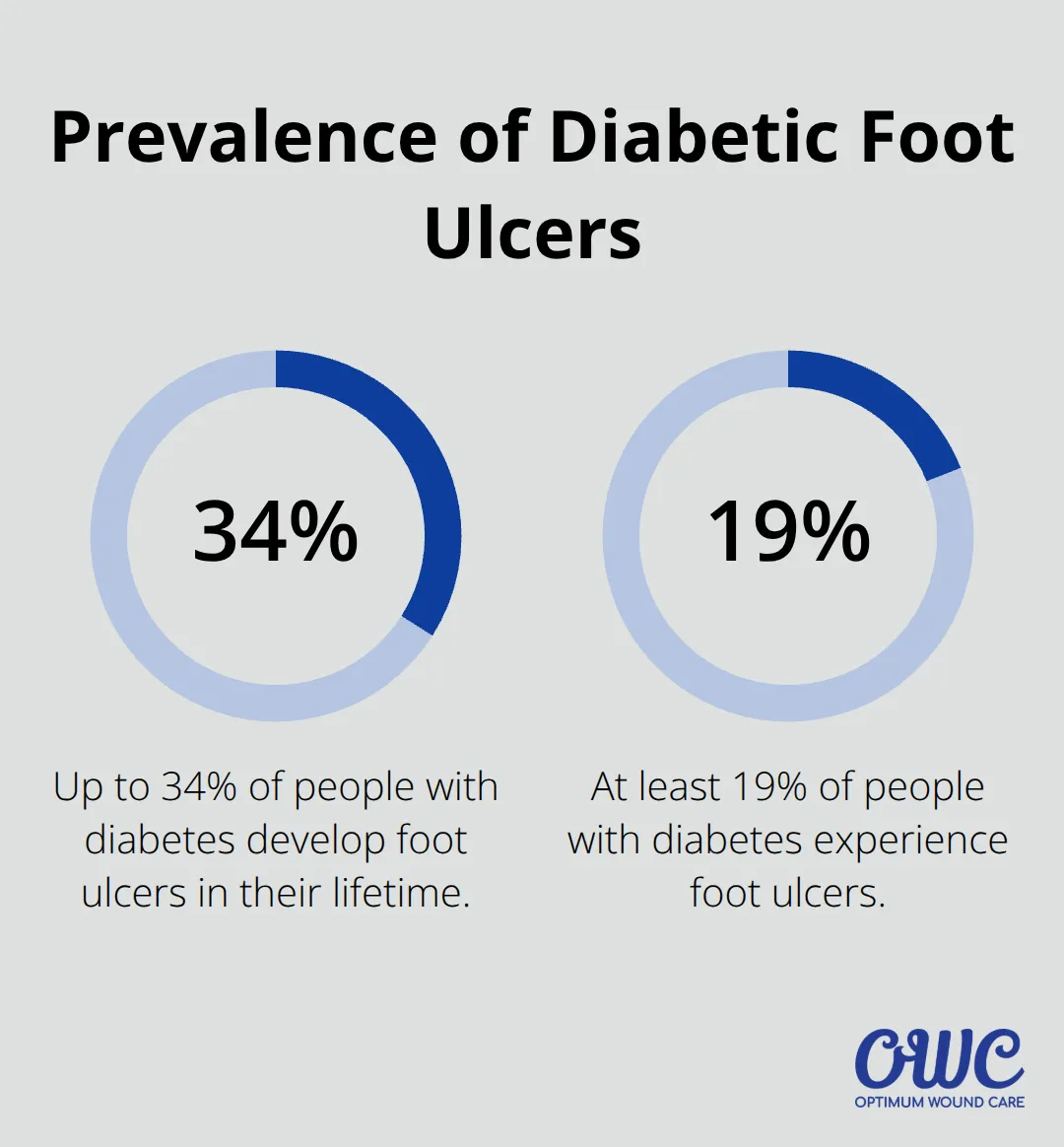
- Diabetic foot ulcers: These affect 19% to 34% of people with diabetes in their lifetime and can lead to serious complications if left untreated.
- Venous leg ulcers: Often seen in older adults, these wounds result from poor circulation in the legs.
- Pressure ulcers: Also known as bedsores, these develop when prolonged pressure damages skin and underlying tissue.
- Non-healing surgical wounds: Sometimes, incisions from surgery can become chronic wounds, especially in patients with compromised immune systems or poor circulation.
Common Causes of Chronic Wounds
Understanding the underlying causes of chronic wounds is essential for effective treatment. Some common factors we see at OWC Center include:
- Diabetes: High blood sugar levels can damage nerves and blood vessels, which slows healing.
- Poor circulation: Conditions like peripheral artery disease can restrict blood flow to wounds.
- Infection: Bacterial colonization can significantly impede the healing process.
- Malnutrition: Lack of essential nutrients can slow tissue repair and regeneration.
- Repeated trauma: Constant pressure or friction on a wound site can prevent healing.
The Impact of Chronic Wounds on Quality of Life
Chronic wounds can profoundly affect a person’s daily life. Patients often experience:
- Persistent pain: This can limit mobility and affect sleep quality.
- Social isolation: Embarrassment or difficulty moving around can reduce social interactions.
- Financial strain: Ongoing medical treatments and potential loss of work can create economic hardship.
- Emotional distress: The frustration of dealing with a non-healing wound can lead to anxiety and depression.
At OWC Center, we understand these challenges. Our team, led by Wound/Ostomy Specialist Mosayeb “Moe” Karimi, MSN, FNP, WOC, takes a holistic approach to wound care. We don’t just treat the wound; we address the whole person, considering factors like nutrition, mobility, and emotional well-being in our treatment plans.
Our team combines advanced wound care techniques with compassionate, patient-centered care to speed up healing and improve our patients’ quality of life. If you struggle with a chronic wound, don’t wait to seek help. Early intervention is key to preventing complications and achieving the best possible outcomes.
As we move forward, we’ll explore the advanced treatment options available for chronic wounds, which can significantly improve healing rates and patient comfort.
Cutting-Edge Treatments for Chronic Wounds
At Optimum Wound Care (OWC Center), we employ a range of advanced treatments to tackle chronic wounds effectively. Our approach combines time-tested methods with innovative technologies to promote faster healing and improve patient outcomes.
Precision Debridement: Clearing the Path to Healing
Debridement plays a critical role in chronic wound management. At OWC Center, we use various techniques to remove dead or infected tissue, which creates an optimal environment for healing. Our specialists excel in Precision Debridement, which is rapid and cost-effective, focusing on precisely debriding necrotic tissue while sparing healthy tissue.
For patients unsuitable for sharp debridement, we offer enzymatic debridement. This technique applies specialized ointments containing proteolytic enzymes to break down dead tissue. While gentler, this method takes longer but often provides more comfort for patients with sensitive wounds.
Negative Pressure Wound Therapy: A Game-Changer
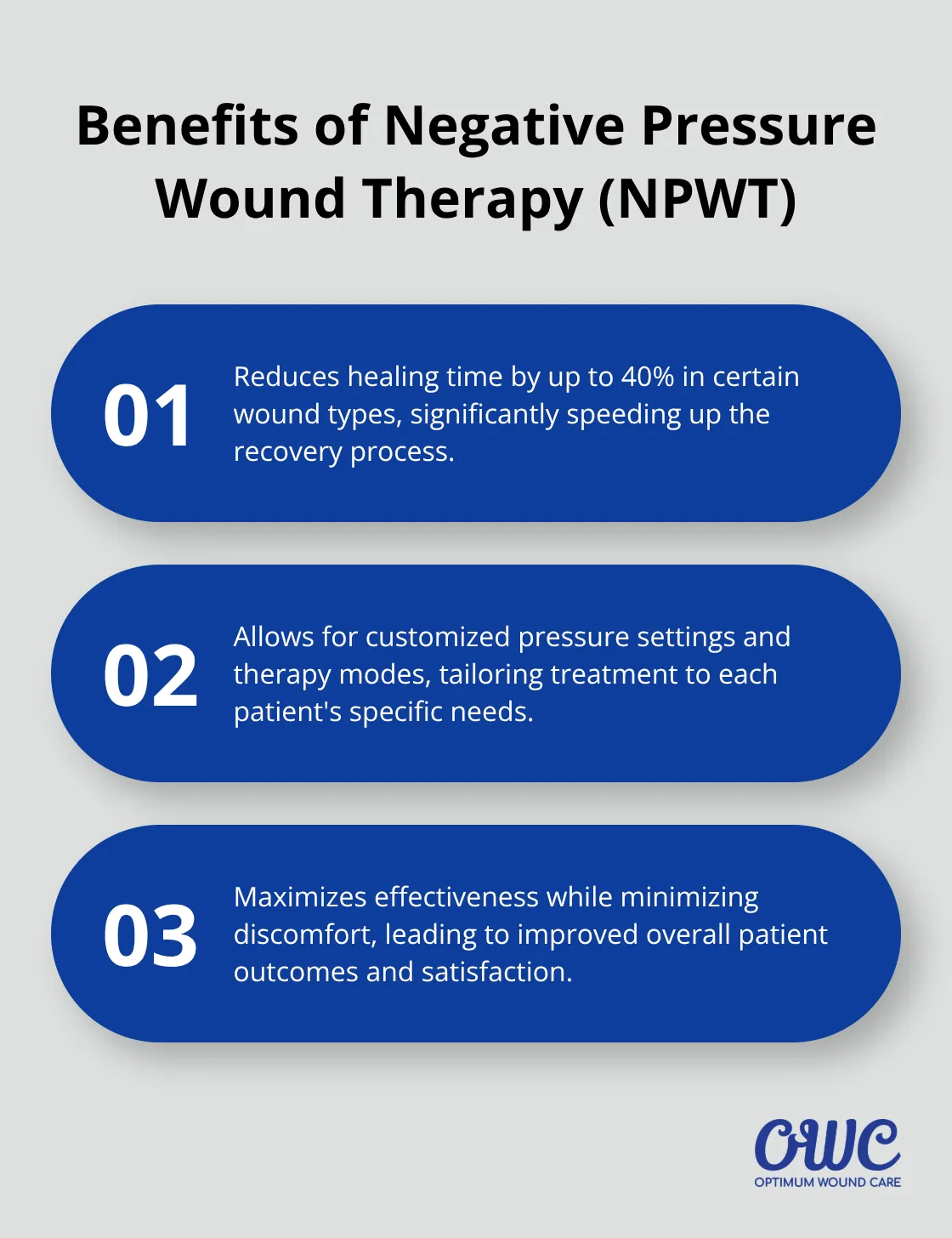
Negative Pressure Wound Therapy (NPWT) revolutionizes chronic wound management. This technique applies controlled suction to the wound bed through a specialized dressing. NPWT reduces healing time by up to 40% in certain wound types (as reported in a meta-analysis published in the International Wound Journal).
At OWC Center, we use state-of-the-art NPWT devices that allow for customized pressure settings and continuous or intermittent therapy modes. This flexibility enables us to tailor the treatment to each patient’s specific needs, maximizing effectiveness while minimizing discomfort.
Advanced Dressings: Sophisticated Wound Care
Modern wound care involves sophisticated dressings designed to create an optimal healing environment. We stock a wide range of advanced dressings at OWC Center, including:
- Hydrocolloid dressings: These create a moist environment that promotes autolytic debridement and accelerates healing.
- Silver-impregnated dressings: Particularly useful for infected wounds, these dressings release silver ions that have potent antimicrobial properties.
- Growth factor-infused dressings: These contain substances that stimulate cell growth and promote tissue regeneration.
Our wound care specialists assess each wound carefully to select the most appropriate dressing, considering factors like wound type, exudate level, and healing stage.
Hyperbaric Oxygen Therapy: Oxygen-Rich Healing
For particularly stubborn wounds, we may recommend Hyperbaric Oxygen Therapy (HBOT). This treatment requires patients to breathe pure oxygen in a pressurized chamber, which dramatically increases the amount of oxygen in the bloodstream. This oxygen-rich blood can then reach damaged tissues more effectively, stimulating healing and fighting infection.
Studies indicate that HBOT leads to lower rates of major amputations, better ulcer healing, and reduced ulcer dimensions than standard care. While not suitable for all patients, HBOT serves as a powerful tool in our chronic wound treatment arsenal.
As we move forward in our discussion of chronic wound treatment, it’s important to consider another vital aspect of healing: nutrition. The food we eat plays a significant role in our body’s ability to repair and regenerate tissue. In the next section, we’ll explore how proper nutrition can support and accelerate the wound healing process.
Fueling Wound Healing Through Nutrition
At Optimum Wound Care (OWC Center), we recognize that proper nutrition forms a cornerstone of effective wound healing. The food you eat directly impacts your body’s ability to repair damaged tissue and fight off infections. Let’s explore how you can optimize your diet to support wound healing.
Protein: The Building Blocks of Healing
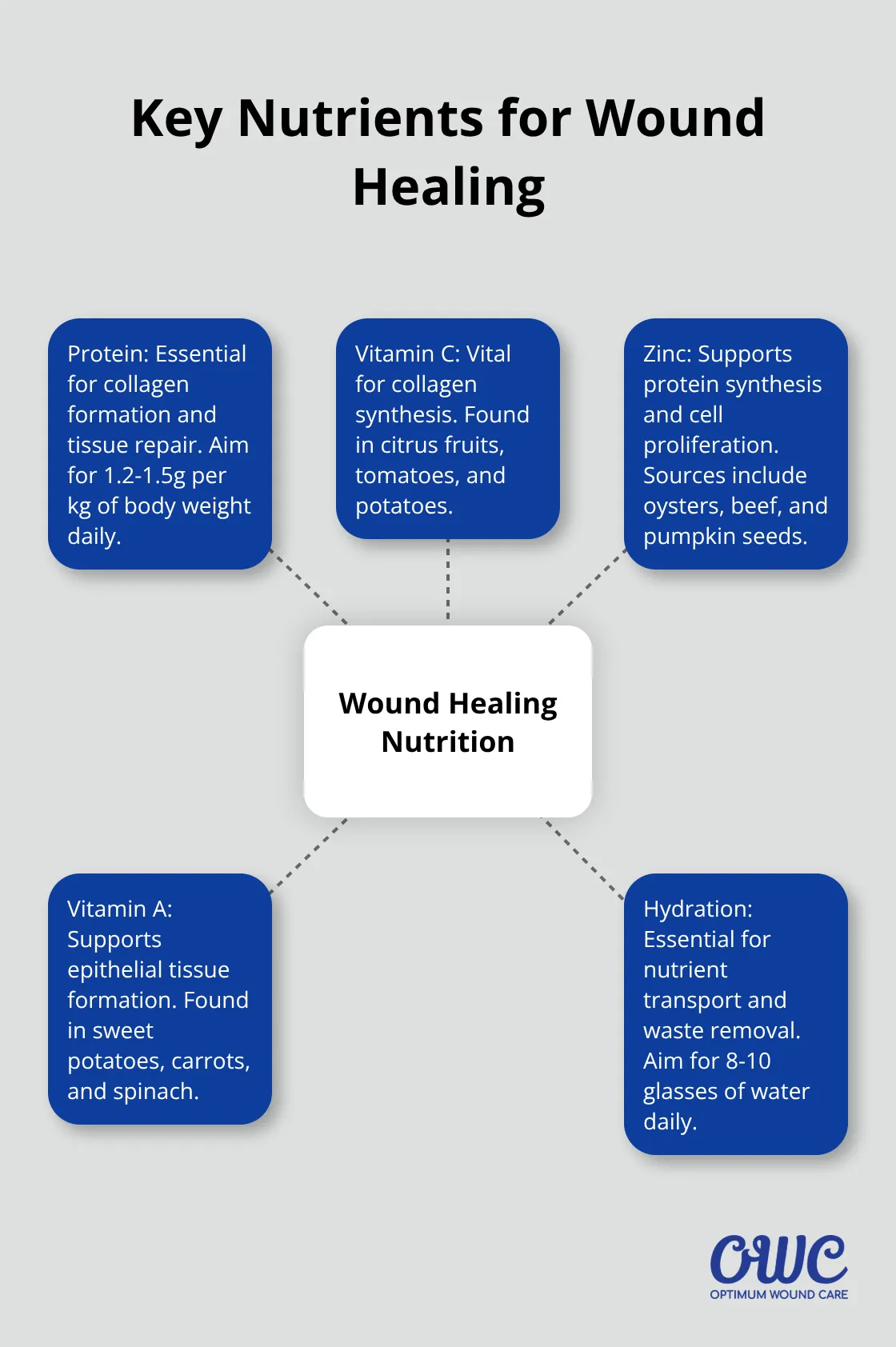
Protein is essential for wound healing. It supports collagen formation, immune function, and tissue repair. We recommend patients consume 1.2 to 1.5 grams of protein per kilogram of body weight daily. Good sources include lean meats, fish, eggs, and legumes. For vegetarians, a combination of plant proteins like rice and beans can provide all essential amino acids.
Vitamins and Minerals: Catalysts for Recovery
Certain micronutrients play key roles in wound healing:
Vitamin C: This antioxidant is vital for collagen synthesis. Fruits and vegetables are the best sources of vitamin C, including citrus fruits, tomatoes, and potatoes.
Zinc: This mineral supports protein synthesis and cell proliferation. Oysters, beef, and pumpkin seeds are excellent sources. Zinc deficiency has been linked to delayed wound healing, and low serum zinc levels have been reported in critically ill patients within Intensive Care.
Vitamin A: This vitamin supports epithelial tissue formation. Include sweet potatoes, carrots, and spinach in your diet.
Hydration: An Essential Component
Proper hydration is necessary for wound healing. It helps transport nutrients to the wound site and removes waste products. We advise patients to drink at least 8-10 glasses of water daily (adjusting for body weight and activity level).
Balanced Diet: The Foundation of Healing
A well-rounded diet provides the necessary nutrients for optimal wound healing. We recommend:
- Whole grains for sustained energy
- Colorful fruits and vegetables for antioxidants
- Lean proteins for tissue repair
- Healthy fats (like those found in avocados and nuts) for inflammation control
Nutritional Supplements: A Targeted Approach
While whole foods should be the primary source of nutrients, some patients may benefit from targeted supplementation. Our team can assess individual needs and recommend appropriate supplements if necessary.
Final Thoughts
Chronic wound therapy has evolved significantly, offering new hope to patients with persistent injuries. Advanced treatments like precision debridement and hyperbaric oxygen therapy have revolutionized outcomes at Optimum Wound Care (OWC Center). We combine these cutting-edge approaches with specialized dressings and nutritional guidance to create effective management strategies for chronic wounds.
Personalized care plans stand at the core of successful wound treatment. Our team considers each patient’s unique circumstances, including wound type, health conditions, and lifestyle, to develop tailored strategies. This individualized approach accelerates healing and enhances overall quality of life for our patients.
Specialized wound care centers play a vital role in chronic wound management. Our expert team at OWC Center provides comprehensive care, from advanced therapies to patient education (all under one roof). We strive to heal wounds and help patients regain independence, improving their well-being through expert care and dedication.
