
COVID‑19 & Delayed Wound Healing Implications
COVID‑19 doesn’t just attack the lungs. It can also disrupt the body’s ability to heal wounds. Imagine a small cut or surgical incision that should heal in days, but instead lingers for weeks or even months. This isn’t just frustrating—it can be dangerous.
The pandemic has introduced new challenges for wound healing. Hospitals and clinics have been overwhelmed, leading to postponed treatments. Patients, fearing exposure to the virus, have delayed seeking care. The result? Chronic wounds have worsened, and new ones have taken longer to heal.
But it’s not just about access to care. COVID‑19 affects the body in ways that hinder healing. The virus can cause inflammation, reduce blood flow, and compromise the immune system—all factors that slow down the healing process.
For instance, a study published in the International Wound Journal highlighted how COVID‑19 can prolong primary wound healing by inducing excessive inflammation and oxidative stress, disturbing the immune system, and influencing the functions of epidermal stem cells .
Patients with chronic conditions like diabetes or vascular disease are particularly vulnerable. These conditions already impair circulation and immune response, and when combined with the effects of COVID‑19, the risk of delayed healing increases significantly.
It’s essential to recognize the signs of delayed wound healing: persistent redness, swelling, increased pain, or a wound that doesn’t seem to improve. If you notice these symptoms, it’s crucial to seek medical attention promptly.
Remember, you’re not alone in this. Healthcare providers are adapting to ensure safe and effective wound care during these challenging times. Telehealth services, home care kits, and advanced therapies are available to support your healing journey.
Pandemic Impact on Wound Care Access
The COVID‑19 pandemic has disrupted healthcare services worldwide. Wound care clinics have faced staffing shortages, and many patients have been hesitant to seek in-person treatment due to fear of exposure to the virus. This has led to:
- Delayed treatments: Scheduled appointments and surgeries have been postponed.
- Increased complications: Without timely care, minor wounds have developed into severe infections.
- Mental health strain: Anxiety and depression related to the pandemic have affected patients’ overall well-being and their ability to manage their health.
A report from the Patients Association in the UK noted that around 28% of patients were managing their own wounds due to the pandemic . This self-management, while necessary, can sometimes lead to improper care and delayed healing.
How COVID‑19 Affects the Healing Process
COVID‑19 can interfere with the body’s natural healing mechanisms in several ways:
- Immune system suppression: The virus can weaken the immune system, making it less effective at fighting infections.
- Reduced oxygen supply: Severe cases of COVID‑19 can impair lung function, reducing oxygen levels in the blood, which are vital for tissue repair.
- Nutritional deficiencies: Illness and hospitalization can lead to poor nutrition, depriving the body of essential nutrients needed for healing.
These factors can significantly prolong the healing process and increase the risk of complications.
Signs of Delayed Wound Healing
It’s important to monitor your wounds for signs that they may not be healing properly:
- Persistent redness or swelling: Indicates ongoing inflammation.
- Increased pain: May signal infection or other complications.
- Foul odor or excessive drainage: Signs of infection.
- Wound edges that don’t close: Suggests poor tissue regeneration.
If you observe any of these signs, consult a healthcare professional promptly to prevent further complications.
Strategies to Support Healing During the Pandemic
Despite the challenges posed by COVID‑19, there are steps you can take to support your body’s healing process:
- Maintain proper wound care: Follow your healthcare provider’s instructions for cleaning and dressing your wound.
- Ensure adequate nutrition: A balanced diet rich in vitamins and minerals supports tissue repair.
- Stay active: Gentle exercise can improve circulation and promote healing.
- Manage stress: Practices like meditation and deep breathing can reduce stress, which can impede healing.
- Utilize telehealth services: Virtual consultations can provide guidance and support without the need for in-person visits.
Effective Treatments for Delayed Wound Healing
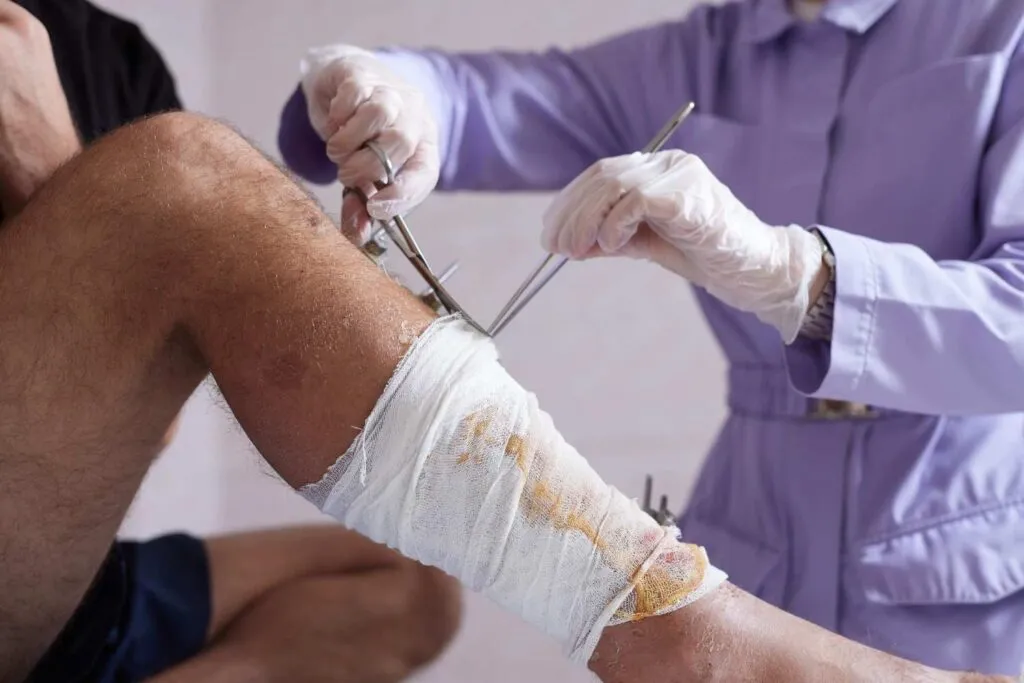
Several treatments can aid in the healing of delayed wounds:
- Negative Pressure Wound Therapy (NPWT): Uses suction to promote blood flow and tissue growth.
- Hyperbaric Oxygen Therapy (HBOT): Increases oxygen supply to tissues, enhancing healing.
- Advanced dressings: Specialized dressings can protect wounds and promote a moist healing environment.
- Medications: Antibiotics or other medications may be prescribed to treat infections or inflammation.
A study published in The Journal of the American Geriatrics Society found that outpatient wound clinics maintained continuity of care and outcomes for patients during the COVID‑19 pandemic . This underscores the importance of seeking professional care, even during challenging times.
COVID‑19 has reshaped the way patients experience wound healing, revealing vulnerabilities in both the body and healthcare systems. The virus’s effects on the immune system, oxygen delivery, and nutrition can slow tissue repair, while pandemic restrictions and fear of exposure have interrupted routine care for many patients. Chronic wounds, already challenging to manage, have become even more prone to complications, making timely monitoring and intervention essential.
Patients who notice persistent redness, swelling, increased pain, or slow-closing wounds need prompt professional attention, as even minor delays can escalate into serious infections. At the same time, proactive strategies—such as maintaining proper hygiene, ensuring adequate nutrition, gentle physical activity, stress management, and utilizing telehealth consultations—can help the body recover more efficiently despite ongoing challenges.
Advanced therapies, including Negative Pressure Wound Therapy (NPWT), Hyperbaric Oxygen Therapy (HBOT), and specialized dressings, play a critical role in supporting patients with delayed healing, particularly those affected by COVID-related factors. Combining these treatments with interdisciplinary care ensures that both the wound and the underlying health concerns are addressed.
Even in the midst of a pandemic, access to structured wound care programs allows patients to regain progress, prevent infections, and support the body’s natural repair processes. Through a combination of vigilant monitoring, professional guidance, and personalized treatment, patients can navigate the added hurdles of COVID‑19 while promoting safer, more effective healing.
Key Takeaways
1. COVID-19 Can Delay Healing Beyond the Lungs
COVID-19 affects more than just respiratory health—it can slow wound repair by impairing immunity, circulation, and nutrition. Patients experiencing prolonged healing should seek expert guidance. Specialized care, such as Advanced Wound Care Services, ensures tailored treatment plans that address both the wound and COVID-related complications.
- Chronic Wounds Require Extra Vigilance During the Pandemic
Conditions like diabetic ulcers and vascular wounds are at higher risk when access to routine care is limited. Regular monitoring, timely interventions, and leveraging telehealth services can prevent complications. Learn more about Diabetic Ulcer Treatment to manage chronic wounds effectively even under pandemic constraints. - Early Detection of Delayed Healing Is Critical
Persistent redness, swelling, drainage, or slow wound closure are warning signs of delayed healing. Prompt attention from healthcare professionals can prevent serious infections. For tailored care, explore Vascular Wound Care, which addresses complex wounds while considering underlying health challenges. - Proactive Steps Support Recovery at Home
Patients can enhance healing by maintaining hygiene, ensuring proper nutrition, staying active, and managing stress. Telehealth consultations provide guidance when in-person visits are limited. Combining home care with professional support, like Advanced Wound Care Programs, empowers patients to regain progress safely and effectively. - Advanced Therapies Accelerate Healing for Post-COVID Wounds
Treatments such as Negative Pressure Wound Therapy (NPWT), Hyperbaric Oxygen Therapy (HBOT), and specialized dressings improve oxygen delivery, reduce infection risk, and support tissue repair. An interdisciplinary approach ensures comprehensive care. Learn how Advanced Wound Care Services can help restore optimal healing trajectories after COVID-related delays.
Related Questions & Answers
1. How does COVID-19 affect wound healing?
COVID‑19 can impact the body’s natural healing processes in several ways:
- Immune system strain: The virus triggers systemic inflammation, sometimes causing cytokine storms. This overactive immune response can impair the body’s ability to repair tissue efficiently.
- Oxygen and circulation issues: Severe COVID‑19 infections may affect lung function and oxygen delivery, which is vital for tissue repair.
- Nutritional deficiencies: Infection often leads to appetite loss and fatigue, resulting in inadequate intake of proteins, vitamins, and minerals necessary for wound repair.
- Delayed medical attention: Pandemic restrictions and fear of hospital visits have led many patients to postpone wound care, causing chronic wounds to worsen.
In short, COVID‑19 doesn’t just target the respiratory system—it can indirectly hinder wound healing by compromising the body’s ability to recover.
Patients struggling with delayed wounds during the pandemic should consult specialized clinics like OWCCenter’s Advanced Wound Care services to develop personalized treatment plans.
2. Why are chronic wounds at higher risk during the pandemic?
Chronic wounds, such as diabetic ulcers or vascular injuries, are particularly vulnerable during the COVID-19 pandemic:
- Interrupted routine care: Many outpatient visits were canceled or reduced, preventing routine debridement, dressing changes, and monitoring.
- Compounded health conditions: Chronic conditions like diabetes or vascular disease weaken immunity and slow healing; COVID-19 exacerbates these risks.
- Increased risk of infection: Delays in care allow bacteria to proliferate in open wounds, increasing the chance of severe infections.
- Mental health impact: Stress and anxiety related to the pandemic can reduce adherence to treatment plans, nutrition, and exercise.
By addressing these risks proactively, patients can avoid serious complications. Leveraging telehealth consultations and at-home wound care strategies are excellent ways to maintain progress. Learn more about Diabetic Ulcer Treatment at OWC Center.
3. What are the signs that a wound is delayed in healing due to COVID-related factors?
Delayed wound healing can be subtle, but there are warning signs patients should watch for:
- Persistent redness or swelling that does not improve over time.
- Excessive drainage or foul odor, which could indicate infection.
- Non-closure of wound edges after the expected healing period.
- Increased pain or tenderness, suggesting inflammation or infection.
- Unexplained fatigue or systemic symptoms, which may point to underlying immune stress caused by COVID-19.
Early identification of these symptoms allows for faster intervention. If any of these signs appear, contacting a wound care specialist immediately is critical. Advanced services such as Vascular Wound Care can help optimize healing, even in complex cases affected by pandemic-related delays.
4. How can patients support wound healing during the pandemic?
Even with COVID-related challenges, patients can take proactive steps to improve wound healing:
- Maintain hygiene and dressing care: Follow recommended wound cleaning and dressing schedules.
- Nutrition: Ensure adequate intake of protein, vitamin C, zinc, and other nutrients that support tissue repair.
- Physical activity: Light movement improves circulation, which promotes oxygen delivery to wounds.
- Telehealth follow-ups: Schedule virtual visits to monitor wound progress when in-person visits are limited.
- Stress management: Techniques such as meditation, deep breathing, or guided therapy sessions can reduce stress-induced healing delays.
These measures, combined with professional care, can significantly improve outcomes. Explore Advanced Wound Care Programs at OWCCenter for structured guidance.
5. What treatments are effective for delayed wound healing in post-COVID patients?
Patients with delayed wounds following COVID-19 may benefit from specialized interventions:
- Negative Pressure Wound Therapy (NPWT): Promotes faster tissue growth and reduces infection risk.
- Hyperbaric Oxygen Therapy (HBOT): Improves oxygen delivery to tissues, enhancing repair.
- Customized dressings: Silver or hydrocolloid dressings reduce bacterial load and maintain moisture balance.
- Medication management: Antibiotics, anti-inflammatories, or topical growth factors as prescribed.
- Interdisciplinary care: Collaboration among wound care specialists, nutritionists, and physical therapists ensures a comprehensive approach.
By addressing both the underlying COVID-related immune impact and the wound itself, patients can regain optimal healing trajectories. For more information, visit our Advanced Wound Care services.
