
How to Choose the Best Ointment for Diabetic Foot Wounds
Diabetic foot wounds can be a serious complication for those living with diabetes. At Swell Country, we understand the importance of proper wound care in preventing infections and promoting healing.
Choosing the best ointment for diabetic foot wounds is crucial for effective treatment. This guide will help you navigate the options and make an informed decision for your foot health.
What Are Diabetic Foot Wounds?
Definition and Causes
Diabetic foot ulcers are a serious health concern for people with diabetes. These wounds typically occur on the bottom of the foot. They result from a combination of factors, including poor circulation, nerve damage, and high blood sugar levels.
Nerve Damage and Its Impact
Neuropathy, a common complication of diabetes, can lead to a loss of sensation in the feet. This makes it difficult for patients to notice small cuts, blisters, or other injuries. Without proper care, these minor injuries can quickly develop into serious wounds.
Circulation Issues
Poor circulation, another common issue in diabetes, slows down the healing process. This means that even small wounds can take much longer to heal, which increases the risk of infection and other complications.
Blood Sugar’s Role
High blood sugar levels can directly damage blood vessels and nerves. This further compromises the body’s ability to heal wounds effectively.
Risks of Untreated Wounds
Untreated diabetic foot wounds can lead to severe complications. The lifetime risk of foot ulcer is 19% to 34% for people with diabetes, and this number is rising with increased longevity and medical complexity.
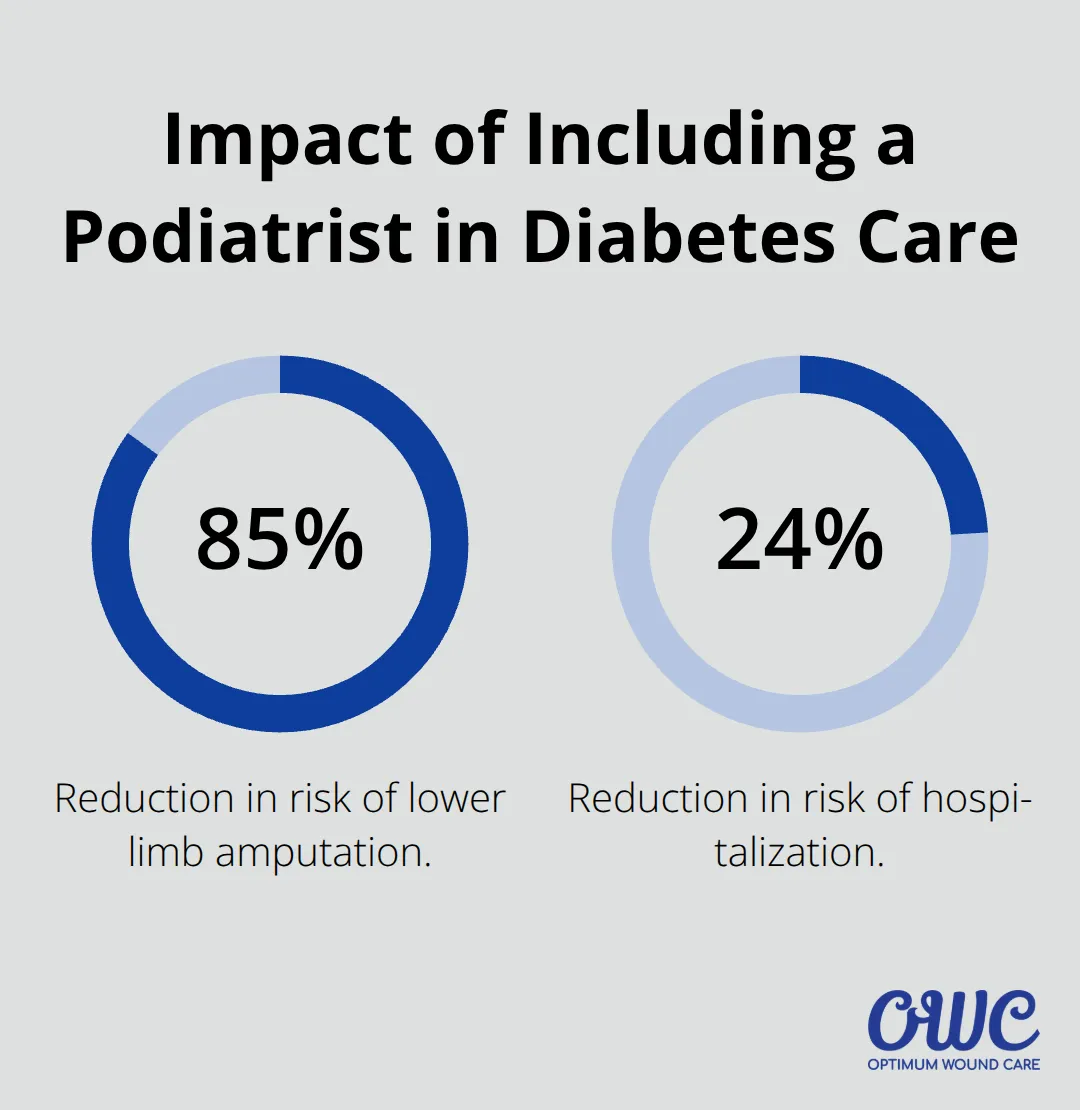
Infection is a major risk. Including a podiatrist in your diabetes care can reduce the risk of lower limb amputation up to 85 percent and lowers the risk of hospitalization by 24 percent.
Importance of Proper Wound Care
Effective wound management can speed up healing, reduce the risk of infection, and prevent complications that could lead to amputation. Proper wound care involves several key steps:
- Regular inspection of the feet for any signs of injury
- Prompt cleaning and treatment of any wounds
- Use of appropriate dressings to keep the wound clean and moist
- Offloading pressure from the wound to promote healing
- Management of blood sugar levels to support the healing process
It’s essential for patients with diabetic foot wounds to seek professional care. Advanced therapies like specialized dressings and negative-pressure wound therapy can promote faster healing and better outcomes.
Early intervention is key. If you notice any changes in your feet (such as redness, swelling, or a wound that’s not healing), don’t wait. Seek medical attention immediately to prevent potentially serious complications.
Now that we understand what diabetic foot wounds are and why they require immediate attention, let’s explore the key ingredients in effective diabetic foot wound ointments.
Key Ingredients in Effective Diabetic Foot Wound Ointments
Antimicrobial Agents: The First Line of Defense
Antimicrobial agents prevent and treat infections in diabetic foot wounds. Silver and iodine stand out as two of the most effective antimicrobial ingredients:
Silver: This powerful antimicrobial agent has a long history in wound care. Modern silver-based ointments, such as silver sulfadiazine, effectively combat a broad spectrum of bacteria.
Iodine: Cadexomer iodine (marketed as Iodosorb) works particularly well for diabetic foot wounds. It kills bacteria and removes debris from the wound bed, which promotes faster healing.
Moisturizing Components: Optimizing the Wound Environment
The right moisture balance plays a vital role in wound healing. Two key moisturizing ingredients include:
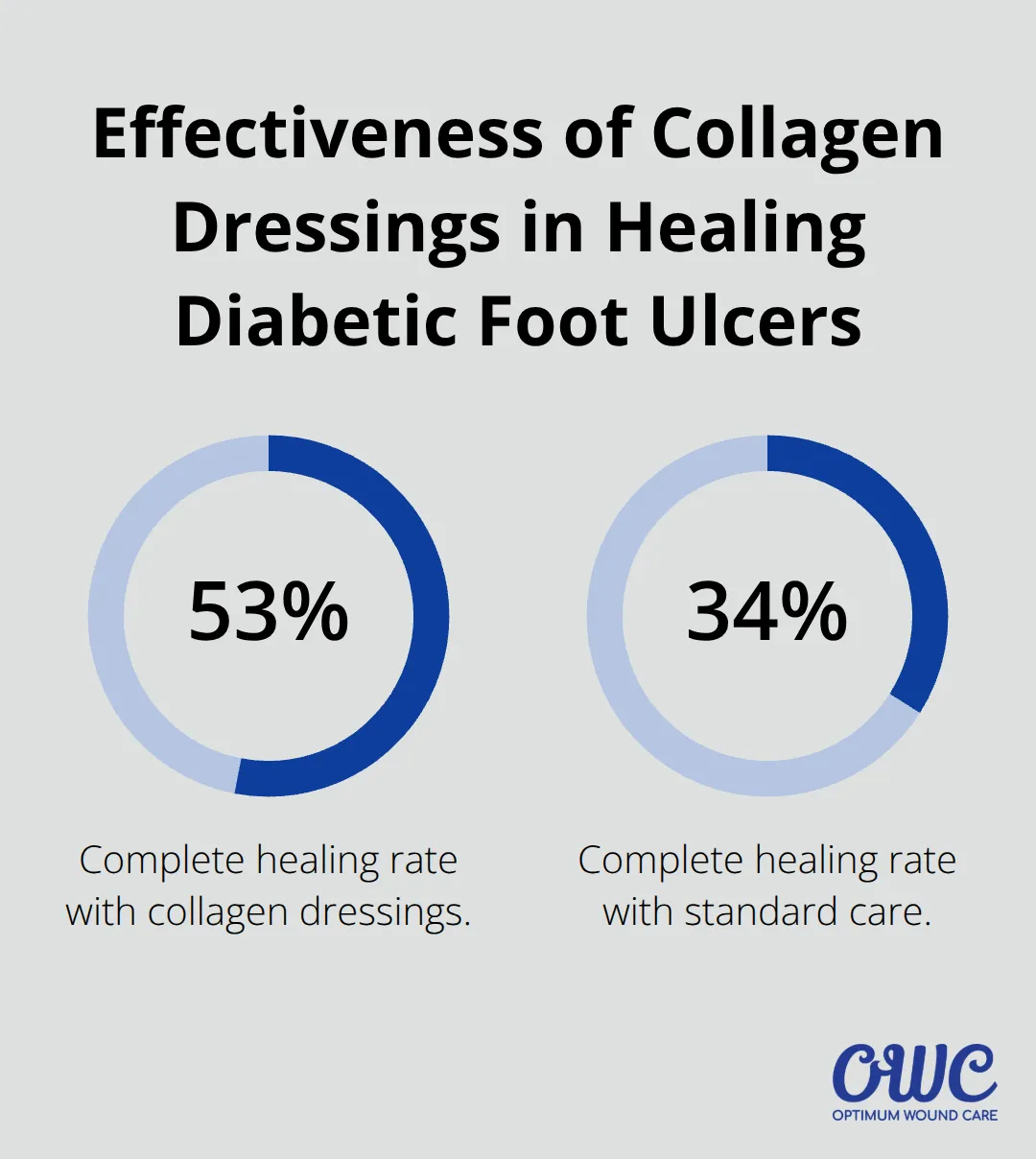
Collagen: This protein provides a scaffold for new tissue growth and absorbs excess wound fluid. A study found that collagen dressings increased the healing rate of diabetic foot ulcers compared to standard care, with 53.4% of wounds in the collagen group achieving complete healing compared to 34.50% in the standard care group.
Hyaluronic Acid: This naturally occurring substance maintains moisture in the wound bed and promotes cell migration.
Growth Factors: Accelerating Healing
Growth factors stimulate cell growth and proliferation, which are essential for wound healing. Platelet-derived growth factor (PDGF) has shown significant benefits:
PDGF: Available as becaplermin gel (Regranex), PDGF has demonstrated remarkable results in diabetic foot wound healing.
Natural Ingredients: Nature’s Healing Power
Several natural ingredients show promise in diabetic foot wound care:
Honey: Medical-grade honey (particularly Manuka honey) possesses potent antibacterial and anti-inflammatory properties. A study found that medical-grade honey has antimicrobial, anti-inflammatory, and antioxidant effects in diabetic foot syndrome wounds, without increasing blood glucose levels.
Aloe Vera: Known for its soothing and healing properties, aloe vera accelerates wound healing in diabetic patients.
These evidence-based ingredients form the foundation of effective diabetic foot wound ointments. The next chapter will explore the factors you should consider when selecting the right ointment for your specific needs.
How to Select the Right Diabetic Foot Wound Ointment
Diabetic foot wound requires careful consideration of several factors to ensure optimal healing and prevent complications.
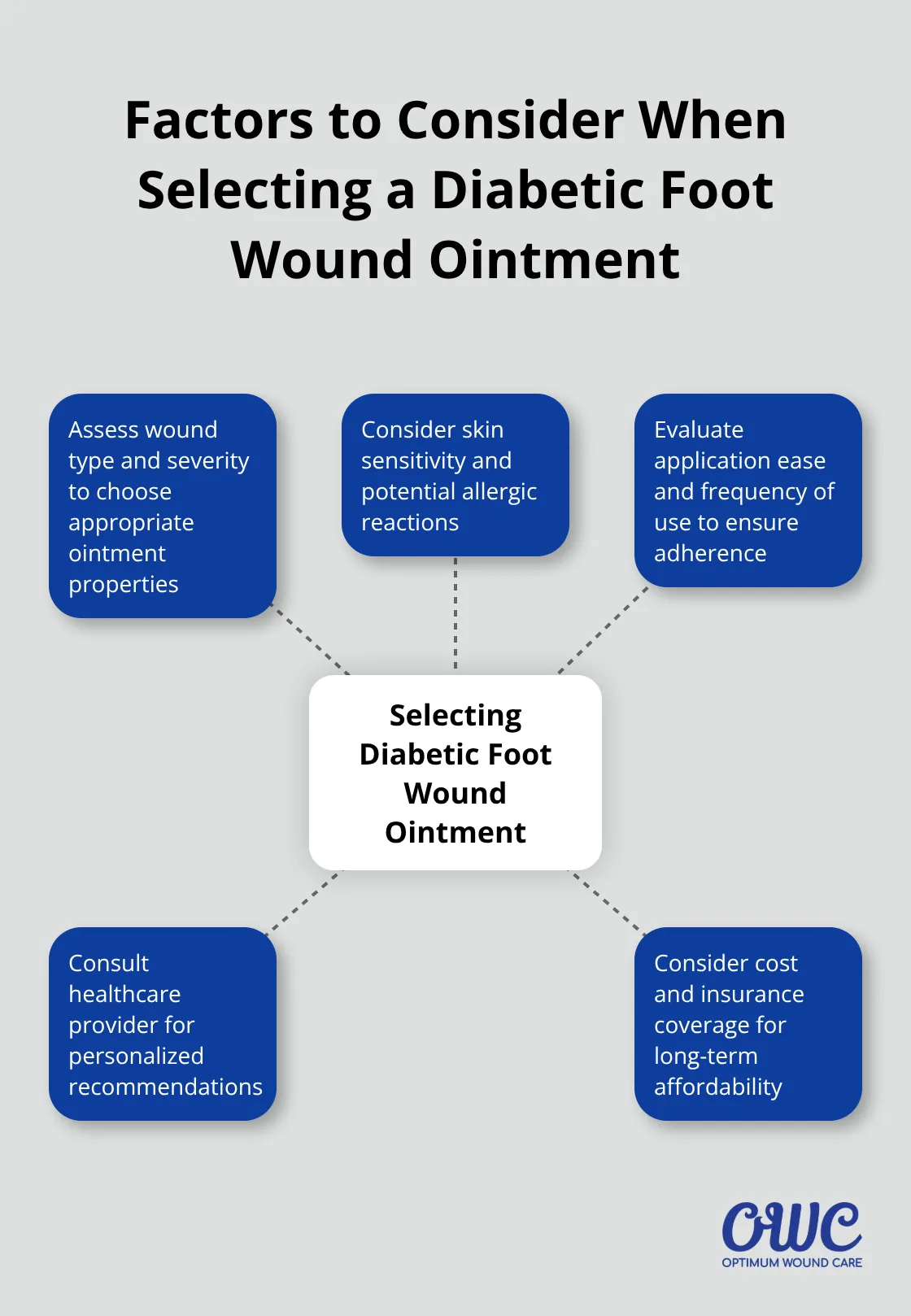
Assess Your Wound Type and Severity
The first step in selecting an appropriate ointment is to accurately assess your wound. Is it a shallow ulcer or a deep wound? Are there signs of infection? The answers to these questions will guide your choice. Deep wounds might benefit more from collagen-based ointments that promote tissue growth, while infected wounds may require ointments with stronger antimicrobial properties.
A study published in the Journal of Diabetes Research found that proper wound assessment and tailored treatment can significantly impact healing time. This underscores the importance of getting a professional evaluation before selecting an ointment.
Consider Your Skin’s Needs
Diabetic skin is often more sensitive and prone to allergic reactions. It’s important to choose an ointment that won’t irritate your skin or cause an allergic response. Look for hypoallergenic options or those specifically formulated for sensitive skin.
If you have a history of allergies, perform a patch test before applying any new ointment to your wound. Apply a small amount to a healthy area of skin and wait 24 hours to check for any adverse reactions.
Evaluate Application and Usage Requirements
The ease of application and frequency of use can significantly impact your adherence to the treatment plan. Some ointments need application multiple times a day, while others may only require once-daily application. Consider your daily routine and choose an option that you can realistically stick to.
For example, if you have limited mobility, you might prefer an ointment that comes in an easy-to-use applicator. If you’re frequently on the go, a once-daily application might be more suitable.
Consult Your Healthcare Provider
While we encourage patients to be proactive about their health, it’s essential to involve your healthcare provider in the decision-making process. They can provide personalized recommendations based on your specific condition, medical history, and current medications.
Your doctor might prescribe a specific ointment or recommend over-the-counter options. They can also advise on potential interactions with other medications you’re taking.
Consider Cost and Insurance Coverage
The cost of wound care products can add up, especially for chronic wounds. Check if your insurance covers the ointment you’re considering. Some advanced wound care products might require pre-authorization from your insurance provider.
If cost is a concern, discuss more affordable alternatives with your healthcare provider. They might recommend equally effective options that fit your budget.
Investing in proper wound care now can prevent costly complications down the line. Effective wound management could significantly reduce the risk of amputation, potentially saving thousands in medical costs.
Final Thoughts
Selecting the best ointment for diabetic foot wounds requires careful consideration of several factors. You should assess your wound type, skin sensitivity, and application requirements to make an informed decision. Consulting with a healthcare professional will provide personalized recommendations based on your specific condition and medical history.
The right ointment is just one part of comprehensive diabetic foot care. Regular foot inspections, proper hygiene, and blood sugar management all contribute to preventing and managing diabetic foot wounds. Wearing appropriate footwear (such as diabetic shoes) also plays a vital role in maintaining foot health.
For expert wound care services, Optimum Wound Care Center offers comprehensive treatment for complex wounds, including diabetic foot ulcers. Their experienced team provides personalized treatment plans to promote faster healing. You can take an active role in your foot health by staying informed about treatment options and working closely with healthcare professionals.
