How to Choose the Best Wound Debridement Method
Wound debridement is a critical step in the healing process, removing dead or infected tissue to promote recovery. At Swell Country, we understand the importance of selecting the right wound debridement methods for optimal patient outcomes.
This guide will explore various techniques and factors to consider when choosing the most effective approach for your patients’ needs.
What is Wound Debridement?
Definition and Purpose
Wound debridement is a vital process in wound care that involves the removal of dead, damaged, or infected tissue from a wound. The primary goal of debridement is to remove all the devitalized tissue from the wound bed to promote wound healing. At Optimum Wound Care, we consider this procedure essential for effective wound management.
The Significance of Effective Debridement
Proper debridement plays a critical role in wound care for several reasons:
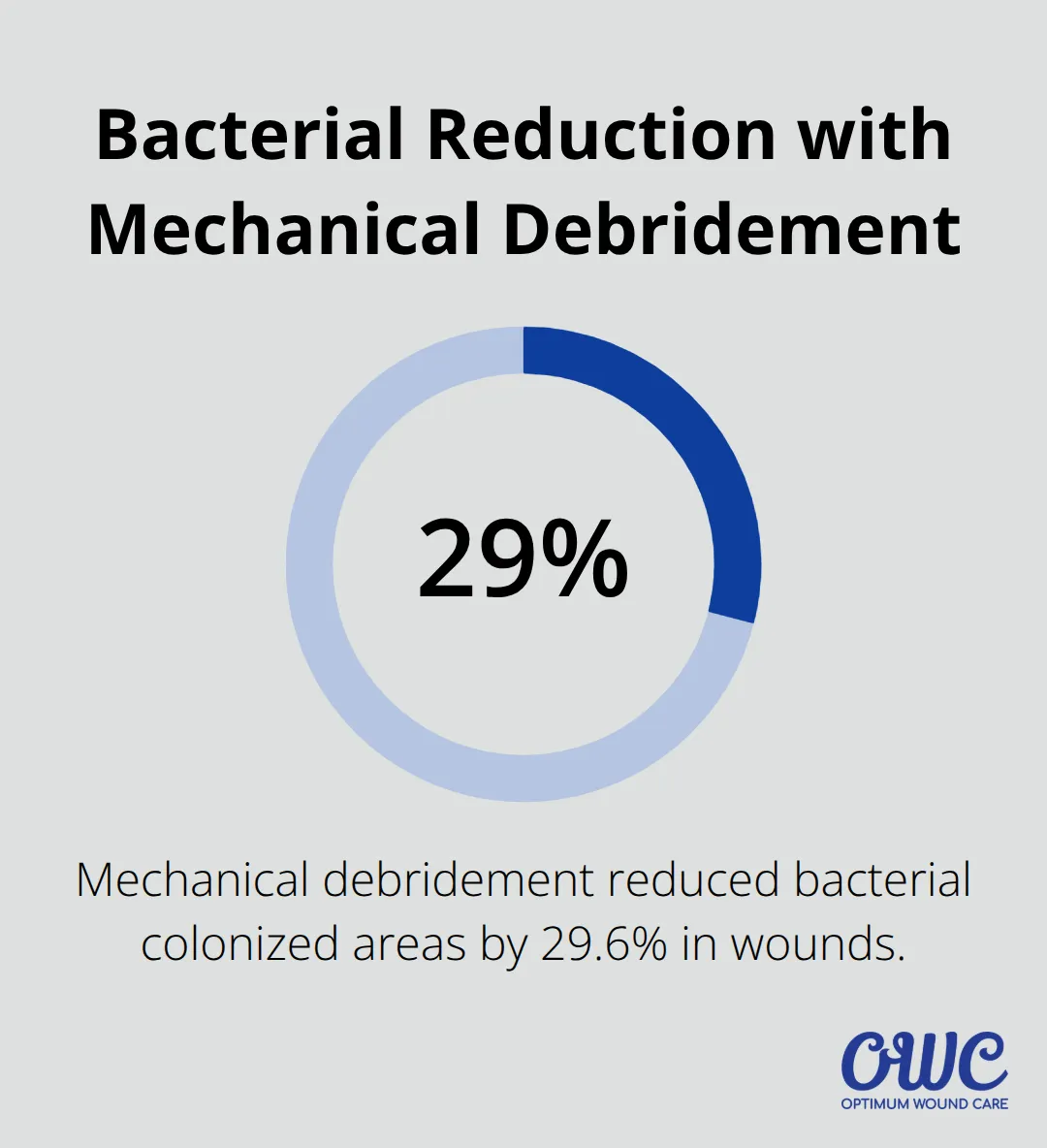
- Infection Risk Reduction: It eliminates potential breeding grounds for bacteria. A study found that mechanical debridement achieved a significant reduction of bacterial colonised areas by an average of 29.6% in wounds.
- Accurate Assessment: It allows for a clear view of the wound bed, which is necessary for developing an appropriate treatment plan.
Tissue Types Requiring Removal
Not all tissue in a wound needs removal. We focus on specific types:
- Necrotic tissue: This dead tissue appears black or brown and can harbor bacteria.
- Slough: A yellow or white stringy tissue that adheres to the wound bed.
- Eschar: A hard, dry, black scab that can impede healing.
- Infected tissue: Characterized by redness, swelling, and often an unpleasant odor.
Objectives in the Healing Process
The primary objective of debridement is to create an optimal environment for wound healing. Removal of non-viable tissue stimulates the production of healthy granulation tissue. Studies have shown that free-range maggots can debride a wound at least twice as fast as bag-pain maggots.
At Optimum Wound Care, we customize our debridement approach to each patient’s unique needs. Our experienced team (led by Wound Specialist Mosayeb “Moe” Karimi) uses advanced techniques to ensure effective debridement while minimizing discomfort.
Proper wound debridement forms just one part of a comprehensive wound care strategy. The next section will explore various methods available for wound debridement, helping you understand which might be most appropriate for your patients’ specific conditions.
Exploring Effective Wound Debridement Methods
At Optimum Wound Care, we employ a range of debridement techniques to address various wound types and patient needs. Each method has its unique advantages and applications, and our experienced team carefully selects the most appropriate approach for each case.
Autolytic Debridement: The Body’s Natural Healer
Autolytic debridement uses the body’s own enzymes to break down dead tissue. This method works well for patients with minimal necrotic tissue and good circulation. We often use specialized dressings (such as hydrogels or hydrocolloids) to maintain a moist environment, which speeds up the natural debridement process. While gentle and pain-free, autolytic debridement can take several weeks for noticeable results.
Enzymatic Debridement: Precision Chemical Action
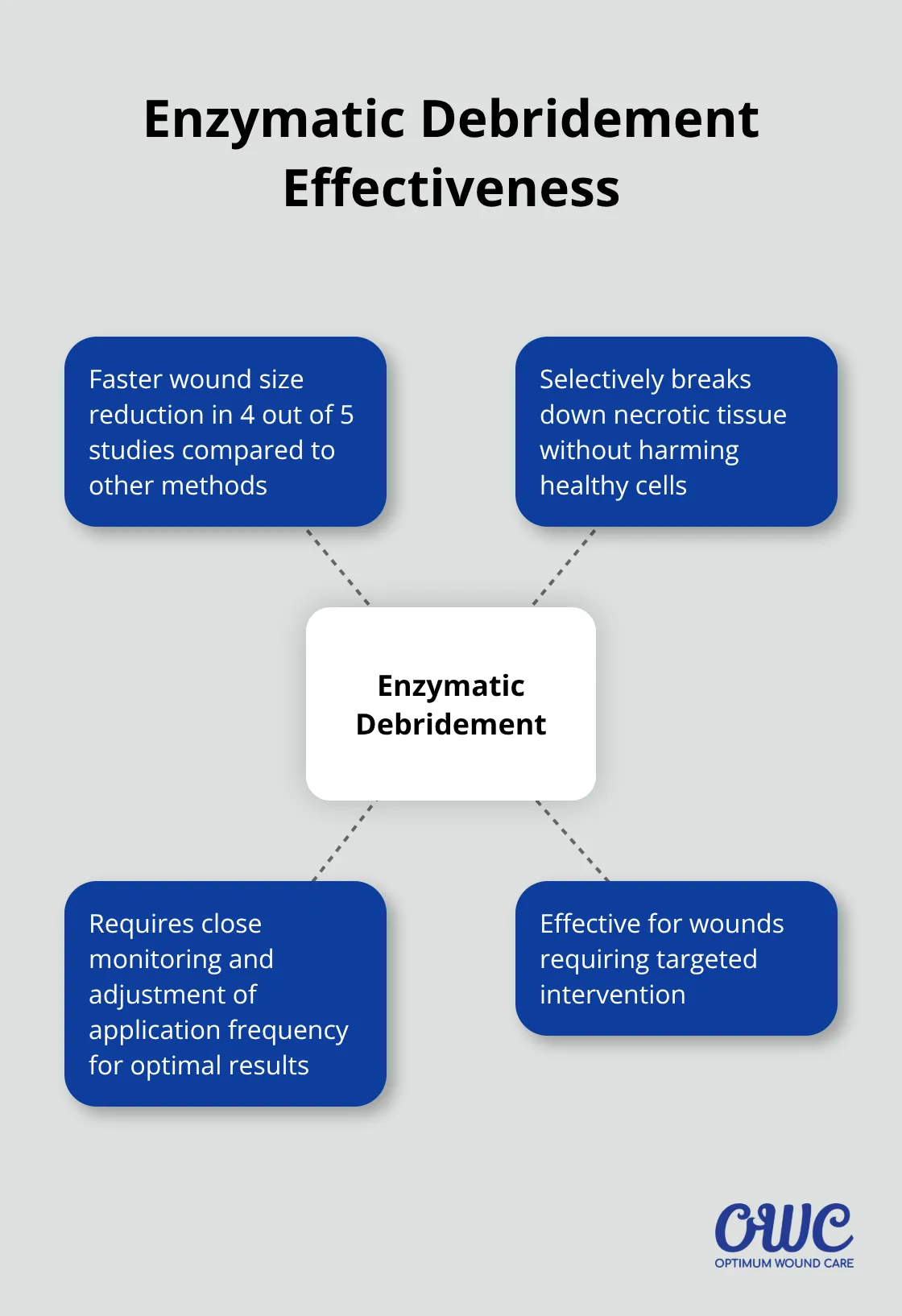
For wounds that require more targeted intervention, enzymatic debridement offers a solution. This method applies topical enzymes, such as collagenase, directly to the wound. These enzymes selectively break down necrotic tissue without harming healthy cells. Recent studies show that enzymatic debridement was more effective, showing faster wound size reduction in four out of five studies. Our team monitors progress closely and adjusts application frequency to optimize results.
Mechanical Debridement: Swift Debris Removal
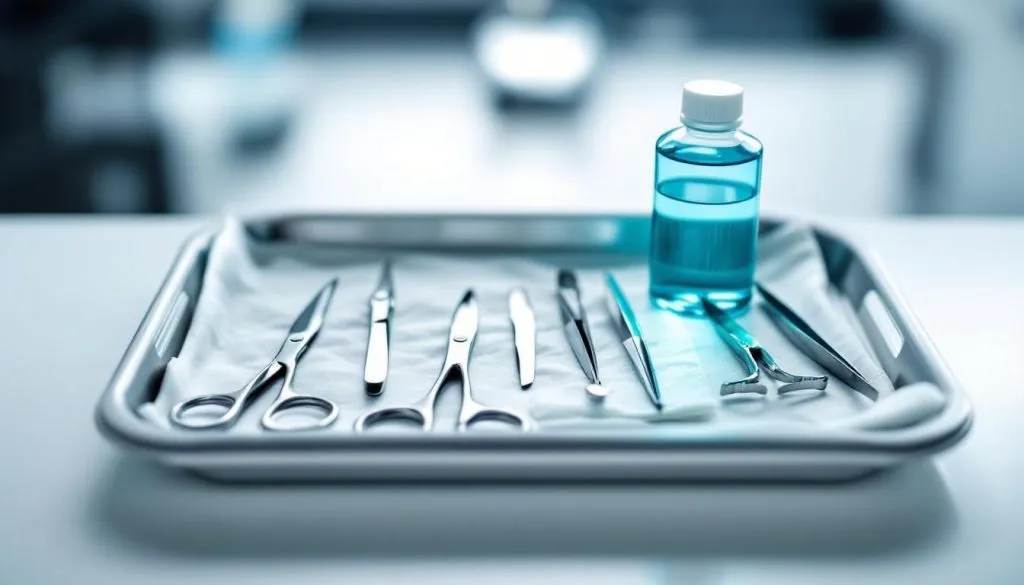
Mechanical debridement physically removes dead tissue using methods like wet-to-dry dressings, wound irrigation, or ultrasound therapy. This technique quickly clears large amounts of debris but requires careful application to avoid damaging healthy tissue. Our wound care specialists use gentle pressure and appropriate tools to ensure effective debridement while minimizing patient discomfort.
Sharp Debridement: Precision Tissue Removal
For wounds with extensive necrotic tissue, sharp debridement offers a rapid and precise solution. This technique uses sterile instruments to physically cut away dead tissue. It works particularly well for deep or chronic wounds. Our lead specialist, Mosayeb “Moe” Karimi, has extensive experience in performing sharp debridement, ensuring optimal results with minimal risk to surrounding healthy tissue.
Biological Debridement: Nature’s Wound Cleaners
In select cases, we may recommend biological debridement (also known as maggot therapy). This method uses sterile fly larvae to selectively consume necrotic tissue while leaving healthy tissue intact. Clinical trials have shown that maggot debridement was faster and more thorough than control therapy when measured at 2 weeks and again at the end of the study period.
The choice of debridement method depends on various factors, including the wound type, patient health, and healing goals. In the next section, we will explore these factors in detail to help you understand how to select the most appropriate debridement technique for your patients.
Selecting the Right Debridement Method
Assessing Wound Characteristics
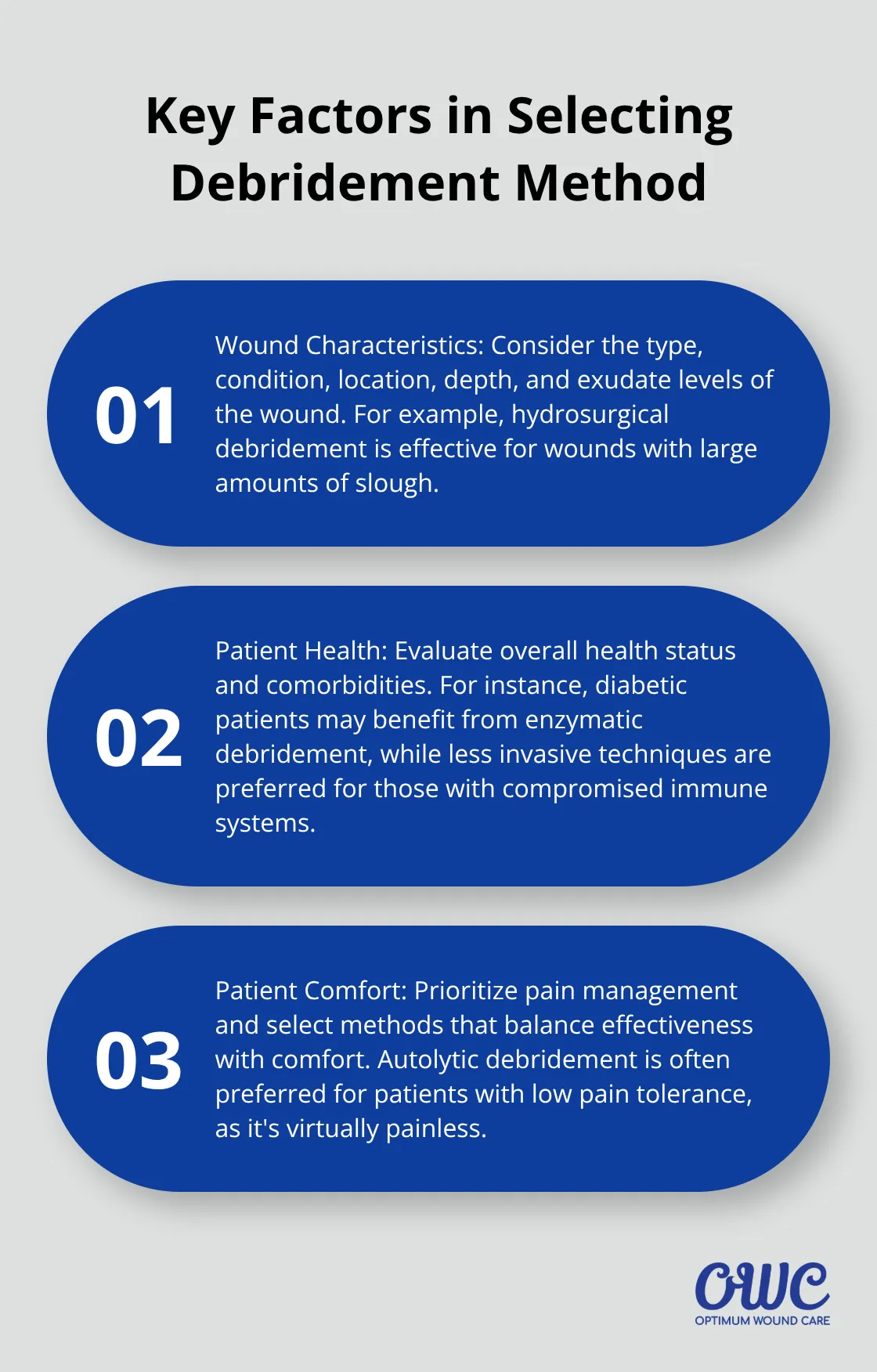
The type and condition of the wound influence our choice of debridement method. Wounds with extensive necrotic tissue often require more aggressive techniques like sharp debridement. Wounds with minimal debris might benefit from gentler methods such as autolytic debridement. We consider the wound’s location, depth, and exudate levels. A study found that hydrosurgical debridement saved 8.87 minutes compared to conventional methods for wounds with large amounts of slough.
Evaluating Patient Health
A patient’s overall health status and comorbidities play a key role in selecting a debridement method. For patients with compromised immune systems or poor circulation, we often choose less invasive techniques to minimize the risk of complications. Diabetic patients, for example, may benefit from enzymatic debridement. Our specialists always conduct a thorough health assessment before recommending a debridement approach.
Prioritizing Patient Comfort
Pain management is a top priority in wound care. We select debridement methods that balance effectiveness with patient comfort. For instance, we often prefer autolytic debridement for patients with low pain tolerance, as it’s virtually painless. In cases where more aggressive debridement is necessary, we employ advanced pain management techniques. Adequate pain prevention and management may improve patient satisfaction via hastened wound healing and reduced hospital stay.
Considering Healthcare Resources
The availability of resources and the healthcare setting also influence our choice of debridement method. While many outpatient clinics are equipped with advanced tools for various debridement techniques, it’s important to consider the most cost-effective approach that doesn’t compromise on quality. For instance, mechanical debridement using monofilament fiber pads has shown to be both effective and economical.
Tailoring the Approach
We tailor the debridement method to each patient’s unique needs. This personalized approach (which takes into account wound characteristics, patient health, comfort, and available resources) helps ensure optimal healing outcomes. Our goal is always to promote faster healing, reduce complications, and improve overall patient well-being.
Final Thoughts
The selection of appropriate wound debridement methods significantly impacts patient outcomes. Optimum Wound Care’s experienced team evaluates wound characteristics, patient health, and available resources to determine the most effective technique. Our expertise allows us to navigate the complexities of wound care, ensuring patients receive the most appropriate and effective treatments.
Proper debridement creates an environment conducive to healing, reduces infection risk, and promotes healthy tissue growth. This process accelerates recovery and improves patient quality of life. We offer advanced therapies and personalized treatment plans designed to address a wide range of complex wounds.
Optimum Wound Care provides comprehensive, patient-centered wound care services. Our state-of-the-art outpatient clinic in Louisville combines clinical excellence with compassionate care to help patients heal faster. Effective wound management requires a holistic approach that considers the patient’s overall health, lifestyle, and long-term well-being.
