
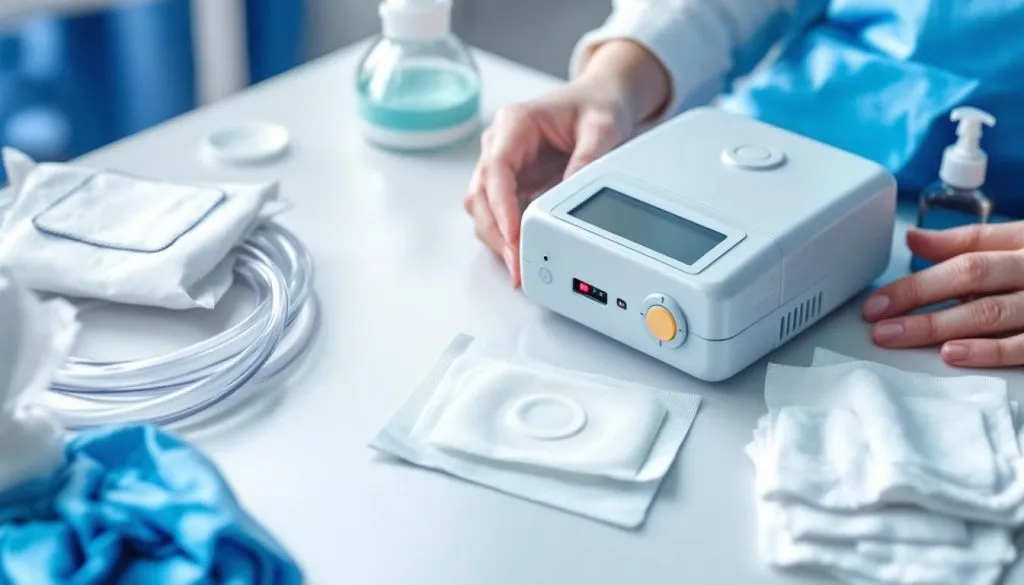
How to Perform Negative Pressure Wound Therapy at Home
At OWC Center, we understand the importance of effective wound care management. Negative pressure wound therapy at home has revolutionized the way patients can treat complex wounds outside of clinical settings.
This guide will walk you through the process of performing NPWT in the comfort of your own home, empowering you to take control of your healing journey. We’ll cover everything from understanding the basics to step-by-step instructions for safe and effective treatment.
What is Negative Pressure Wound Therapy?
Negative Pressure Wound Therapy (NPWT) revolutionizes the treatment of complex wounds. This innovative approach uses controlled suction to remove excess fluid and debris from wounds, which accelerates healing and reduces infection risks.
The Mechanics of NPWT
NPWT applies negative pressure to a wound through a specialised dressing connected to a vacuum pump. This creates a sealed environment that:
- Extracts excess fluid
- Decreases swelling
- Boosts blood flow
- Stimulates new tissue growth
The therapy can be applied continuously or intermittently, based on the wound type and healing objectives.
Wound Types Suitable for NPWT
NPWT proves effective for various wounds, including:
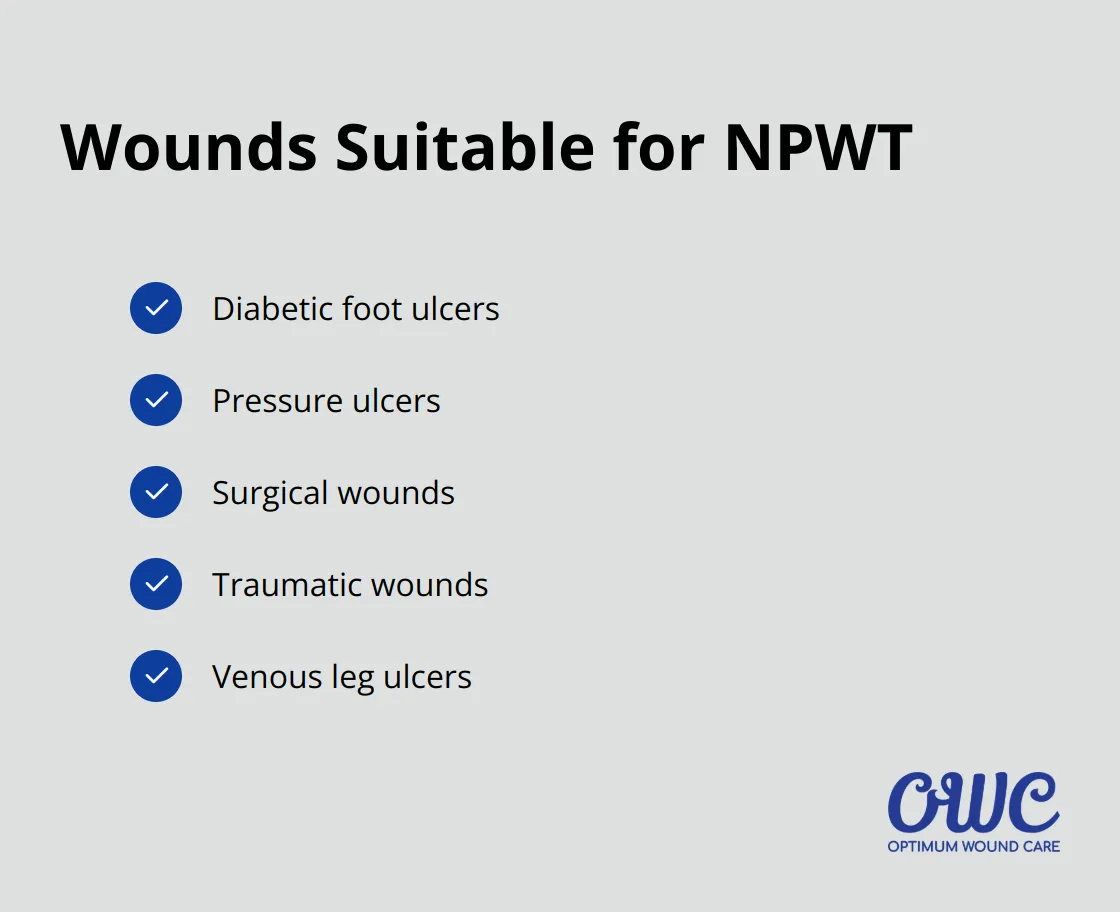
A study found that NPWT was significantly superior for ulcer closure and reduced healing time in diabetic foot ulcers, making it the treatment of choice for DFUs.
Advantages of Home-Based NPWT
Performing NPWT at home offers multiple benefits:
- Comfort: Patients receive treatment in familiar surroundings.
- Cost-effectiveness: Home-based NPWT can shorten hospital stays and reduce associated costs.
- Convenience: Fewer clinic visits save time and travel expenses.
- Enhanced quality of life: Patients maintain daily routines while receiving treatment.
A study assessed the cost benefit of NPWT compared with conventional wound therapy in patients that received care in the out-of-hospital setting.
Important Considerations
While NPWT offers powerful benefits, it doesn’t suit all wounds. Patients with exposed organs, untreated osteomyelitis, or malignancy in the wound should avoid NPWT. Always consult a healthcare professional to determine if NPWT fits your specific wound.
At Optimum Wound Care, our experienced team (led by Wound Specialist Mosayeb “Moe” Karimi) assesses wounds and provides expert guidance on whether home-based NPWT suits your situation. We commit to delivering personalized care that helps you heal faster and improve your quality of life.
Now that you understand the basics of NPWT and its benefits, let’s explore how to prepare for home-based treatment in the next section.
Setting Up for NPWT at Home
Essential Equipment and Supplies
To prepare for negative pressure wound therapy (NPWT) at home, you must gather all necessary equipment. Your list should include:
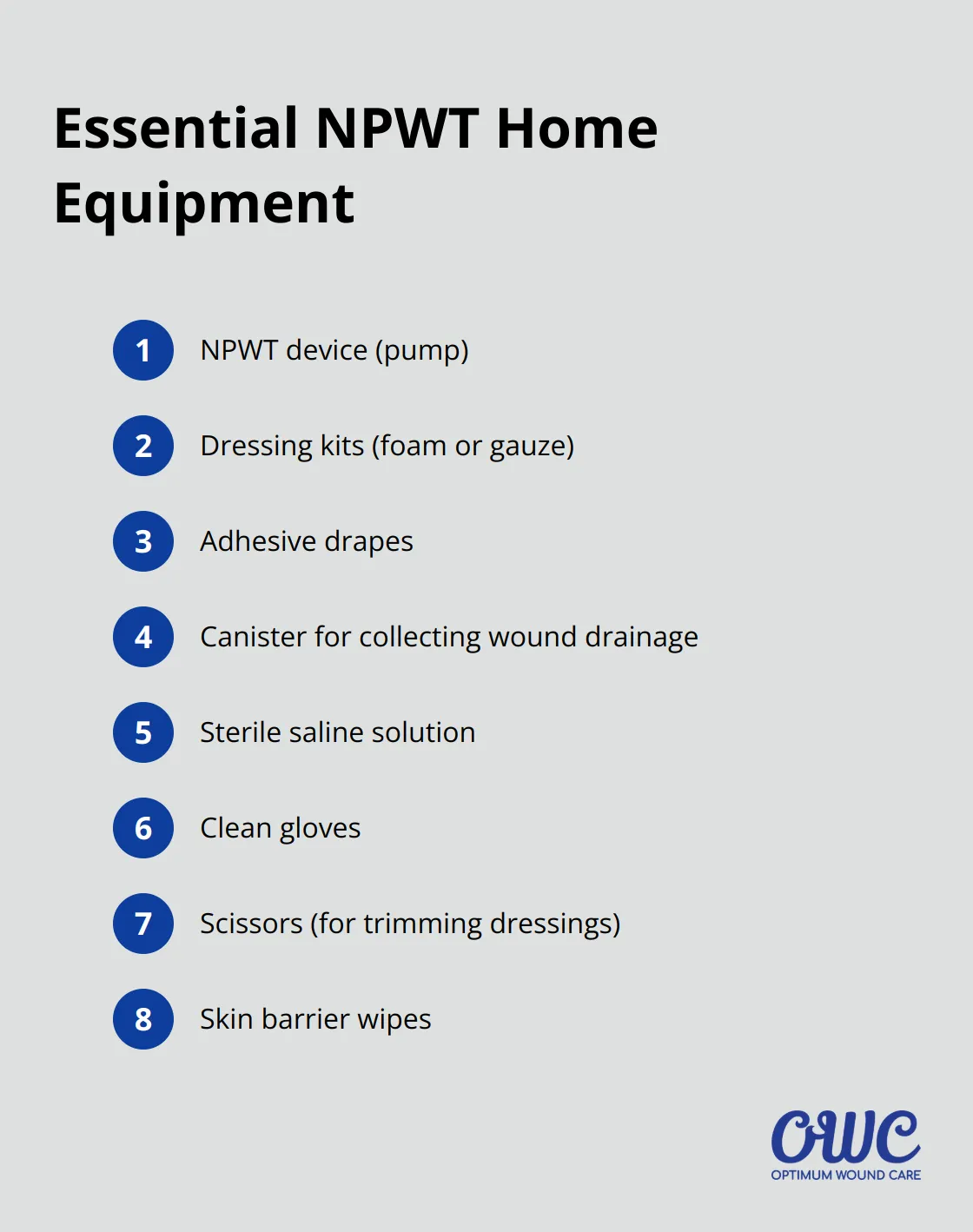
You should stock enough supplies for at least a week. Evidence suggests that NPWT may reduce the frequency of dressing changes.
Creating a Sterile Environment
You must set up a clean, well-lit area for dressing changes. This could be a bedroom or bathroom. Sanitize all surfaces with antibacterial wipes. Keep pets away during the procedure to minimize infection risks.
Store your NPWT supplies in a cool, dry place. Moisture can compromise the sterility of dressings and increase infection risks.
Professional Training
Before you start home-based NPWT, you must receive comprehensive training from healthcare professionals. This typically involves:
- Hands-on practice with the NPWT device
- Instructions on dressing application and removal
- Guidelines for identifying and responding to complications
- Proper documentation of wound progress
At Optimum Wound Care, our wound specialist Mosayeb “Moe” Karimi ensures all patients feel confident in managing their NPWT before they transition to home care.
Safety Precautions
You must take several safety precautions when performing NPWT at home:
- Always wash your hands thoroughly before and after wound care.
- Use clean gloves during dressing changes.
- Monitor the wound for signs of infection (redness, swelling, increased pain).
- Keep the NPWT device charged and functioning properly.
- Follow the manufacturer’s instructions for device maintenance.
Transitioning to Home Care
The transition from hospital to home care requires careful planning. You should:
- Arrange for follow-up appointments with your healthcare provider.
- Understand how to contact your provider in case of emergencies.
- Familiarize yourself with the signs that indicate a need for immediate medical attention.
- Prepare your home environment for easy wound care (e.g., clearing space for equipment, ensuring good lighting).
With proper preparation and training, you can successfully manage NPWT at home. In the next section, we’ll provide a step-by-step guide on how to perform the therapy.
Performing NPWT at Home: A Step-by-Step Guide
Negative Pressure Wound Therapy (NPWT) at home requires careful attention to detail and adherence to proper procedures. This guide will walk you through the essential steps to ensure safe and effective treatment.
Wound Cleaning and Preparation
Start by washing your hands thoroughly and putting on clean gloves. Clean the wound and surrounding skin with sterile saline solution or as directed by your healthcare provider. Pat the area dry gently with sterile gauze. Do not use hydrogen peroxide or iodine solutions unless specifically instructed, as these can damage healthy tissue.
Applying the Dressing
Cut the foam dressing to fit the wound shape, leaving a small margin around the edges. Place the foam gently into the wound bed, ensuring it doesn’t overlap onto healthy skin. Cover the foam with the adhesive drape, extending at least 3-5 cm beyond the wound edges to create an airtight seal. Cut a small hole (about 2 cm in diameter) in the center of the drape.
Setting Up the NPWT Device
Connect the suction pad to the hole in the drape. Attach the tubing from the pad to the canister on the NPWT device. Turn on the device and set the prescribed pressure level typically 125 mmHg for most wounds. Ensure the dressing collapses and becomes firm to the touch, indicating proper suction.
Monitoring and Maintenance
Check the device regularly to ensure it functions correctly. The canister should gradually fill with wound drainage. Replace the canister when it’s about 2/3 full or at least once a week. Inspect the wound site daily for signs of infection or other complications.
Change the dressing every 2-3 days, or as recommended by your healthcare provider. Some patients may require more frequent changes (especially in the early stages of treatment). During dressing changes, assess the wound for signs of healing or any concerning changes.
Recognizing Complications
Stay alert for signs that may indicate problems with your NPWT:
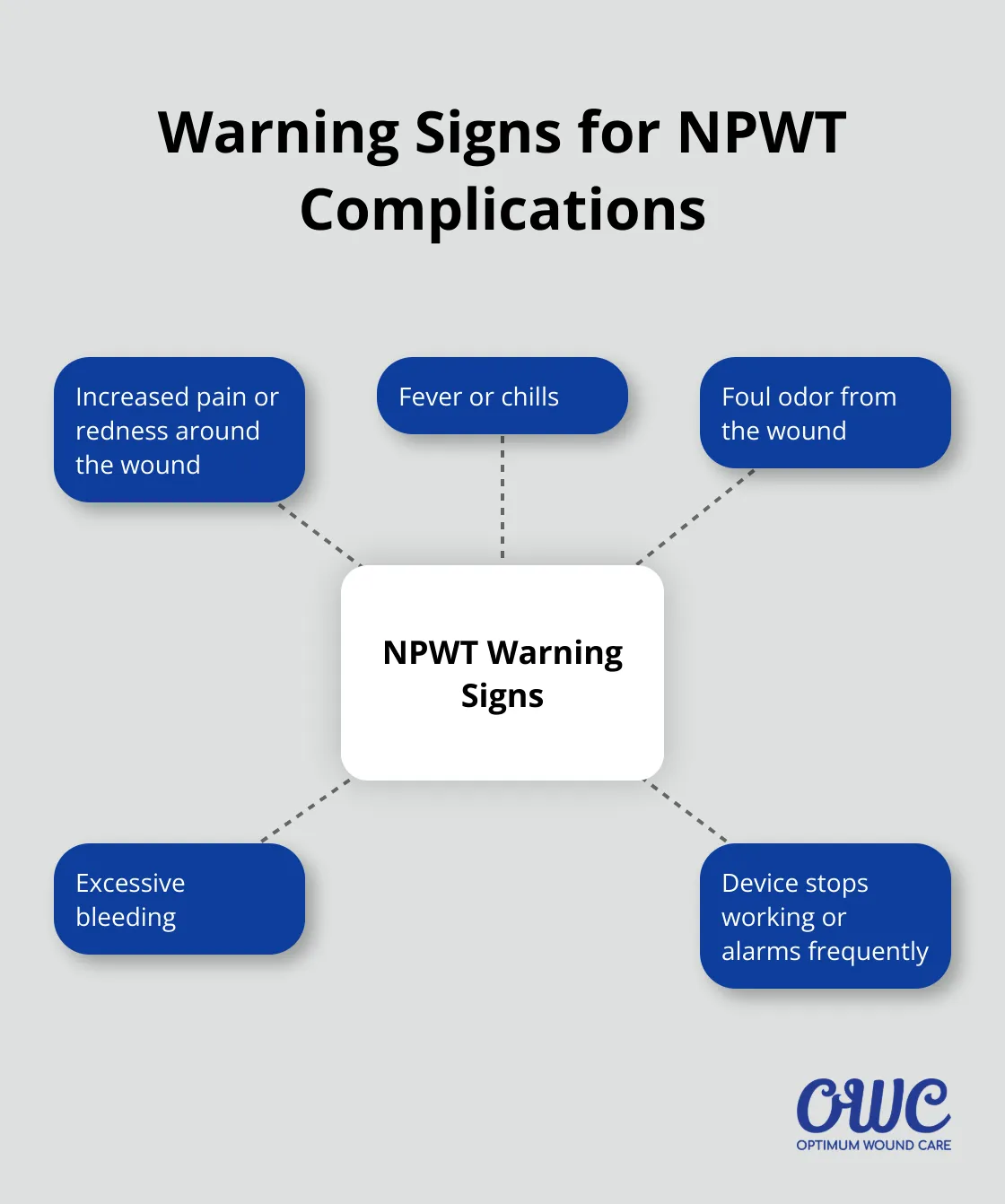
If you experience any of these symptoms, contact your healthcare provider immediately.
Proper technique is essential for the success of home-based NPWT. Always follow the specific instructions provided by your healthcare team, and don’t hesitate to ask questions if you’re unsure about any aspect of your wound care regimen.
Final Thoughts
Negative pressure wound therapy at home empowers patients to manage complex wounds effectively outside clinical settings. This guide provides essential steps to maximize NPWT benefits and promote faster healing in a comfortable environment. Proper preparation, meticulous wound care techniques, and vigilant monitoring form the foundation of successful home-based NPWT.
Active participation in your wound care journey significantly impacts the healing process. Understanding NPWT principles, maintaining a clean environment, and staying alert to potential complications contribute to optimal outcomes. Your dedication to following the prescribed regimen and promptly reporting issues will facilitate a smoother healing process.
Optimum Wound Care supports you throughout your NPWT journey with comprehensive training and ongoing assistance. Our experienced team (led by Wound Specialist Mosayeb “Moe” Karimi) provides guidance to ensure confidence in managing wound care at home. We strive to help you achieve remarkable healing results and improve your quality of life.
