Vascular Imaging Techniques for Wound Care
When Healing Needs a Clearer View
It starts small.
A scrape.
A sore.
A wound that won’t close.
You try creams.
Dressings.
Patience.
But nothing changes.
Each day you hope.
Maybe today it looks smaller.
Maybe it’s healing.
But instead—no change.
When wounds linger, they become more than a skin problem.
They are a question mark.
Why won’t this heal?
That’s when vascular imaging techniques matter most.
They show what your eyes can’t see.
They measure how blood flows—or doesn’t flow—beneath the surface.
Imagine a tiny river under your skin.
When that river slows or stops, wounds stall.
No oxygen.
No nutrients.
No healing.
This is why clinicians use tools like Doppler ultrasound and transcutaneous oximetry.
They help answer questions like:
- Is blood reaching the wound?
- Are tissues getting enough oxygen?
- What can we do to help?
According to a study from the National Institutes of Health, accurate assessment of blood flow is often the first step in choosing the right treatment.
And it’s not only about science.
It’s about hope.
Because when you finally know what’s wrong, you can finally start to make it right.
You can read more about the importance of vascular assessments in wound care from UpToDate’s detailed overview.
Doppler – A Window Into Circulation
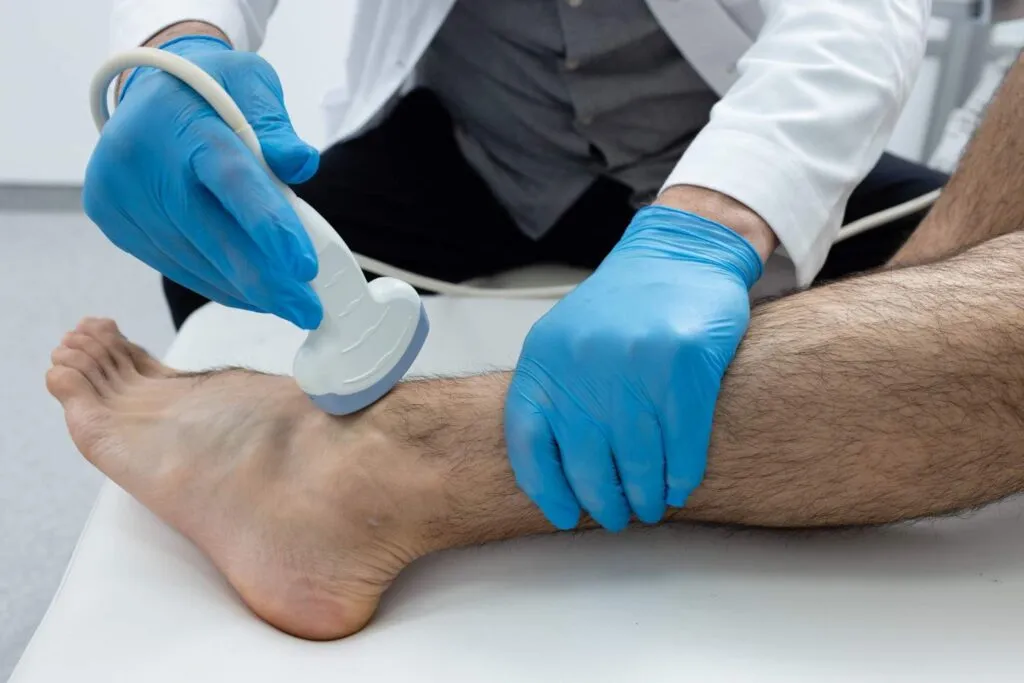
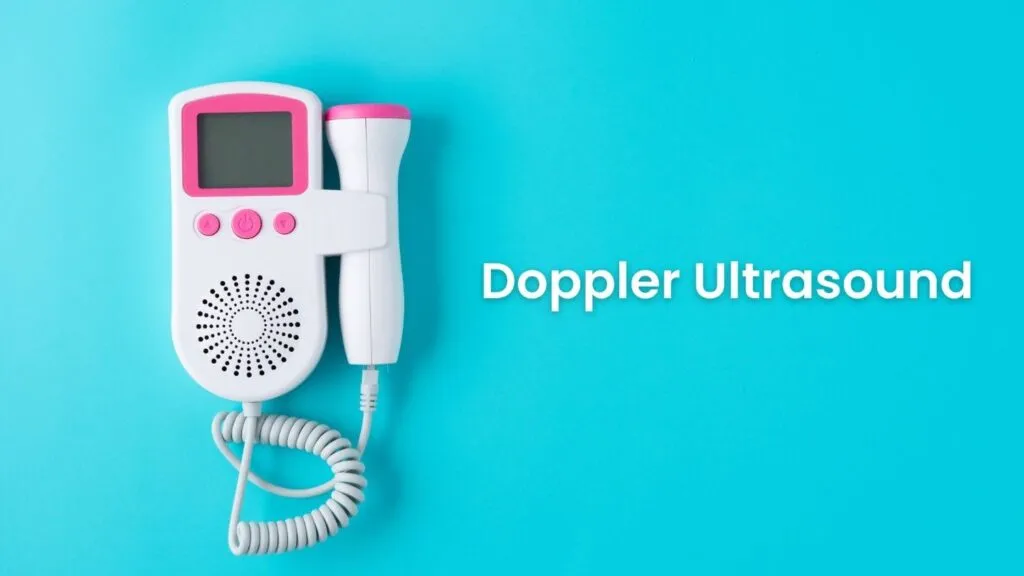
Doppler ultrasound sounds high-tech, but it’s actually simple and painless.
Imagine it as a tiny microphone, listening to your body’s rivers.
A warm gel is spread on your skin.
A technician moves the probe.
And suddenly, you hear it—
The whoosh of life moving through your veins.
Why does this matter?
Poor circulation is one of the most common reasons wounds don’t heal.
Without good blood flow:
- Oxygen doesn’t reach the wound.
- Cells don’t regenerate.
- Infection risk rises.
Doppler imaging helps clinicians:
- Identify blockages early.
- Measure how much blood gets through.
- Decide whether you might need advanced vascular treatments.
One patient shared that hearing her circulation in real time was reassuring—proof her body was trying to heal.
How does it work?
- Sound waves bounce off moving blood cells.
- The machine translates those echoes into images and sounds.
- Your provider reviews the results to spot any problems.
💡 Tip: If you’re nervous, ask your care team to explain each step. It can ease anxiety and help you feel in control.
For a deeper look at Doppler in wound care, visit our Advanced Vascular Assessments page.
Transcutaneous Oximetry – Measuring Oxygen Where It Matters
Healing needs more than good circulation.
It needs oxygen—lots of it.
That’s where transcutaneous oximetry (TCOM) comes in.
Picture this:
A tiny sensor, gently warming your skin.
It checks if your tissue is getting enough oxygen to rebuild.
How does TCOM work?
- Sensors are placed near your wound.
- They warm the area slightly to improve accuracy.
- They record oxygen levels in the tissue beneath.
Why is it used?
- When wounds don’t respond to standard care.
- Before starting treatments like hyperbaric oxygen therapy.
- To measure progress over time.
Think of TCOM as a “vital sign” for your wound’s health.
Here are a few scenarios when your clinician might recommend it:
- Your wound has stalled after months of care.
- You have conditions like diabetes or peripheral artery disease.
- You’ve had previous vascular surgery.
According to the American Diabetes Association, TCOM can help guide treatment decisions in diabetic wounds—saving time and preventing complications.
You can read more about our approach on the Wound Diagnostics page.
Combining Imaging Techniques for Personalized Care
Using Doppler or TCOM alone provides valuable insight.
But together?
They create a detailed roadmap.
Here’s how combining techniques improves care:
- Earlier Detection: Circulation issues are spotted before wounds worsen.
- Personalized Treatment: Plans are built around your specific needs.
- Better Monitoring: Progress can be tracked objectively.
- Informed Decisions: Advanced therapies are chosen with confidence.
One patient told us, “I felt like someone finally understood my wound.” That’s the goal—to replace mystery with understanding.
Benefits of Combining Techniques:
- See both flow (Doppler) and oxygen delivery (TCOM).
- Guide decisions about revascularization or hyperbaric therapy.
- Validate improvements as treatment progresses.
💡 Tip: Keep a copy of your imaging reports. They’re useful if you see multiple providers.
What to Expect During a Vascular Imaging Appointment
The idea of imaging can feel intimidating, but it’s usually simple and comfortable.
Here’s what you’ll experience:
Doppler Ultrasound:
- You’ll lie on a soft exam table.
- A warm gel is applied to your skin.
- A technician moves a handheld probe.
- You’ll hear soft whooshing sounds as blood flow is measured.
Transcutaneous Oximetry:
- Small discs are placed near your wound.
- They warm gently to stimulate circulation.
- Measurements are taken over 30–45 minutes.
Tips for Your Visit:
- Wear comfortable clothes.
- Bring something to read or listen to.
- Don’t be afraid to ask questions—knowledge eases worry.
Many patients are surprised by how easy the process feels. One woman shared, “I thought it would be scary, but it felt like a step toward healing.”
Every chronic wound carries a story—sometimes of frustration, sometimes of uncertainty, but always of someone doing their best to heal. For many, the missing piece is simply understanding what’s happening inside the body. Vascular imaging techniques offer that clarity.
Doppler ultrasound makes circulation visible and audible, so you can literally hear the evidence that blood is moving—or discover why it isn’t. Transcutaneous oximetry goes a step further, showing whether oxygen is reaching tissue where it matters most. Together, they give your care team a complete picture, guiding choices about revascularization, hyperbaric therapy, or other treatments that can finally jump-start healing.
It’s remarkable how these non-invasive tools can transform the process from guessing to knowing, from feeling stuck to feeling hopeful. Even small details—a warm gel, a soft whooshing sound, a reading that validates your symptoms—become moments of reassurance. Because when you understand what your wound needs, you can take the next step with confidence, supported by people who see not just the injury, but your whole story and your determination to move forward.
🌱 Key Takeaways
1️⃣ Vascular imaging techniques help uncover the hidden reasons wounds don’t heal.
When a wound lingers, it’s often because circulation or oxygen isn’t reaching the area. Tools like Doppler ultrasound and transcutaneous oximetry let your care team see exactly what’s happening beneath the surface, so you can finally get answers and a plan that feels right for you. Learn more about our Wound Diagnostics.
2️⃣ Doppler ultrasound offers a painless, real-time look at your blood flow.
You’ll hear the gentle whooshing of circulation as your provider assesses whether your vessels are delivering what your wound needs to heal. This simple test can guide personalized treatments and give you peace of mind. Discover how Doppler fits into our Advanced Vascular Assessments.
3️⃣ Transcutaneous oximetry measures oxygen levels directly at the wound site.
Oxygen is the fuel your cells need to repair themselves. TCOM shows whether that fuel is getting where it matters most. If not, your team can adjust your care plan to restore healing potential. Explore our Comprehensive Wound Care Services.
4️⃣ Combining imaging techniques leads to more effective, personalized care.
Using Doppler and TCOM together creates a complete picture of both blood flow and oxygen delivery. This approach empowers your providers to make informed decisions and monitor your progress step by step. Read more about our Customized Wound Treatment Plans.
5️⃣ Vascular imaging appointments are easy, comfortable, and supportive.
Most tests take under an hour, with no needles or pain. You can relax, ask questions, and know you’re taking a positive step toward healing. For more details and guidance, visit our Patient Information Hub.
🎯 5 Related Questions Asked and Answered
1️⃣ What are vascular wound imaging techniques, and why are they important in wound care?
When you’re living with a chronic wound, knowing what’s happening beneath the surface is essential. That’s where vascular wound imaging techniques come in. They help clinicians look at how well blood is flowing to the area, which is critical for healing.
These techniques include tools like:
- Doppler ultrasound: A non-invasive test that uses sound waves to see how blood moves through arteries and veins.
- Transcutaneous oximetry (TCOM): A sensor measures oxygen levels in the tissue around the wound.
Understanding circulation helps the care team:
- Identify blockages or narrowed arteries.
- Decide whether special procedures are needed to improve blood flow.
- Monitor progress during treatment.
At OWC Center, we often use vascular imaging to personalize treatment plans. Because when you know exactly what’s going on, you can heal with confidence.
2️⃣ How does Doppler ultrasound help in assessing wounds?
Doppler ultrasound is like a window into your blood vessels. Using sound waves, it shows how quickly—and in which direction—your blood is flowing.
Here’s why this matters for wound care:
- It checks circulation: Poor blood flow is one of the most common reasons wounds won’t heal.
- It helps find blockages: If an artery is narrowed, less oxygen reaches the wound.
- It guides treatment: Results can tell your provider whether you might need a referral to a vascular specialist.
The best part? It’s painless. You simply lie down while a technician moves a small handheld probe over your skin. You may hear whooshing sounds as your blood flow is measured—like a little river rushing through your body.
By understanding your circulation, we can plan more targeted therapies and track improvement over time. To see how Doppler fits into a complete wound care plan, visit our Advanced Vascular Assessments page.
3️⃣ What is transcutaneous oximetry, and when is it used?
Transcutaneous oximetry (TCOM) measures how much oxygen your tissues are getting right where it counts—around your wound.
Here’s how it works:
- Small sensors are placed near the wound site.
- They gently warm your skin to increase blood flow.
- The sensors measure oxygen levels in the tissue.
When do we use TCOM?
- When a wound isn’t healing as expected, and we need to see if oxygen delivery is the problem.
- Before considering advanced treatments like hyperbaric oxygen therapy.
- To monitor improvement during therapy.
Think of TCOM as a vital sign for your wound. It tells us whether your body has the resources it needs to build new, healthy tissue.
Why does this matter?
Oxygen isn’t just important—it’s essential. Without enough oxygen, cells can’t repair themselves, fight infection, or build strong skin.
At OWC Center, we use TCOM results to guide decisions and give you the best chance of a full recovery. You can learn more about this technique on our Wound Diagnostics page.
4️⃣ How do these imaging techniques improve healing outcomes?
When you think of wound care, you probably picture dressings, creams, and maybe antibiotics. But vascular imaging techniques like Doppler and TCOM can be the difference between a wound that lingers and one that finally heals.
Here’s how they help improve outcomes:
- Earlier Detection: They spot circulation issues before they cause major damage.
- Personalized Care: Imaging shows exactly where blood flow is impaired, so treatments can be tailored to you.
- Better Monitoring: As you heal, repeat imaging helps track whether therapies are working.
- Informed Decisions: If surgery or advanced therapies are needed, imaging provides clear guidance.
One patient described the relief of finally understanding why her wound wouldn’t heal. “It felt like the missing puzzle piece,” she shared. And that’s exactly what these tools are meant to be—a way to see what’s hidden so you can move forward with clarity and hope.
Explore more about our Customized Wound Treatment Plans.
5️⃣ What should I expect during vascular imaging appointments?
If you’re preparing for vascular imaging, it’s normal to feel nervous. But most tests are simple, painless, and don’t require much preparation.
Here’s what you can expect:
- Doppler Ultrasound:
- You’ll lie comfortably on an exam table.
- A warm gel is applied to your skin.
- The technician glides a small probe over the area.
- You might hear heartbeat-like sounds as blood flow is measured.
- Transcutaneous Oximetry:
- Small discs are placed on the skin around the wound.
- They warm gently while measuring oxygen levels.
- The test usually takes about 30–45 minutes.
Tips to feel at ease:
- Wear loose clothing if possible.
- Bring a book or music to pass the time.
- Don’t hesitate to ask questions—our team wants you to feel comfortable and informed.
Vascular imaging isn’t just a test—it’s a step toward understanding what your wound needs to heal. For more guidance, visit our Patient Information Hub or Contact Us to set up a Consultation.
