
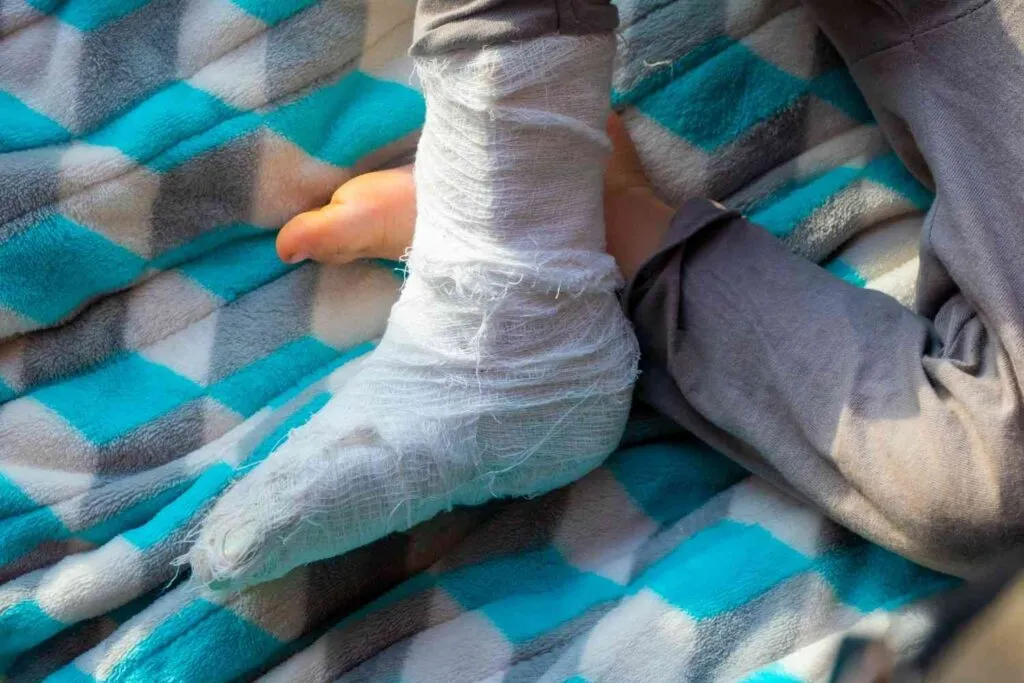
Addressing Psychosocial Impacts of Chronic Wounds
When the Wound Isn’t Just Skin Deep
It starts quietly.
A small sore that doesn’t heal.
A cut that grows instead of shrinking.
Day after day.
You wake up.
Check the bandage.
Try to stay hopeful.
But over time, something changes.
The wound isn’t just on your body anymore.
It seeps into your thoughts.
Into your confidence.
Into how you see yourself.
Chronic wounds are relentless.
They disrupt daily life.
They drain energy.
They chip away at your quality of life.
And sometimes, they feel like a dark secret you have to hide.
Many people don’t realize that living with a wound can lead to depression, anxiety, and deep loneliness.
The connection between mental health wounds and physical healing is real—and backed by research.
In fact, a study published by the National Institutes of Health found that depression can slow tissue repair and increase inflammation.
So, when you hear someone say,
“It’s just a wound,”
know this:
There is nothing “just” about it.
It can mean:
- Missing work.
- Losing income.
- Cancelling plans.
- Feeling stuck.
And in moments of frustration, you might wonder if you’re the only one who feels this way.
You’re not.
Thousands of people—of all ages—struggle silently.
But silence doesn’t have to be your story.
At OWC Center, we see the person first, not just the wound.
Our approach integrates physical treatment with emotional support.
If you ever doubt how much mental health matters, take a moment to read about the work by the World Health Organization.
They remind us that mental health is health.
And you deserve care that honors every part of you.
Depression: When the Wound Heals Slower
Depression’s Grip on Wound Recovery
Depression doesn’t arrive with a neon sign.
It creeps in quietly—especially when pain becomes part of your routine.
Imagine this:
You’re trying to heal.
But every day feels heavier.
You start skipping wound care appointments.
You avoid friends.
You can’t remember the last time you laughed.
This is more common than most realize.
According to the Journal of Wound Care, up to 40% of people with chronic wounds experience symptoms of depression.
How does depression actually slow down healing?
Here’s how:
- Stress Hormones: Depression increases cortisol, which delays tissue repair.
- Low Energy: Fatigue makes it harder to change dressings or keep up with care routines.
- Isolation: Avoiding social support removes one of the most powerful healing factors—human connection.
- Poor Nutrition: Depression often affects appetite, which can starve wounds of nutrients.
It’s a cycle that can feel impossible to break.
💡 Tip: Small steps matter. Even a daily walk or phone call can shift your mindset.
Quality of Life: Beyond Bandages

How Chronic Wounds Impact Daily Living
When people think of wounds, they picture something simple—a cut that closes in a week.
But chronic wounds are different.
They persist.
They demand attention.
They shape the fabric of your daily life.
Over time, this affects your quality of life in profound ways:
Physical Challenges
- Chronic pain that limits walking or movement
- Disrupted sleep from discomfort
- Increased risk of infections
These aren’t minor inconveniences—they can change how you plan your day, your work, and your relationships.
Emotional Strain
- Fear that the wound will worsen
- Shame about appearance
- Frustration over lost independence
Some patients describe it as “carrying an invisible weight.”
Financial Pressure
- Medical supplies
- Time off work
- Transportation to appointments
When you add everything up, it’s no wonder that chronic wounds often cause anxiety and depression.
💡 Tip: Talking to a counselor or support group can help process these challenges.
Caregiving: The Silent Struggle
Supporting Mental Health While You Care
If you’re caring for someone with a chronic wound, you probably know:
It’s not just about dressings and medications.
It’s about showing up, day after day, when your loved one is hurting.
But caregiving brings its own emotional toll.
Common Caregiver Challenges
- Guilt over feeling tired or frustrated
- Worry about making mistakes
- Financial strain
- Lack of time for self-care
Here are five ways to support mental health—both yours and theirs:
- Normalize Feelings: Remind your loved one that sadness and fear are valid.
- Stay Connected: Invite friends or family to help lighten the load.
- Create Routines: Structure builds a sense of normalcy.
- Practice Self-Care: Take breaks, eat well, and get rest.
- Ask for Help: Use professional resources and respite care.
💡 Tip: If you ever feel overwhelmed, you are not failing. You are human.
Related Blog: Explore our guide to Self-Care for Caregivers.
Staying Hopeful: Small Wins Matter
Building Resilience During Long-Term Treatment
Hope doesn’t always arrive in big moments.
Often, it’s built in the quiet victories you celebrate along the way.
Here’s how to nurture resilience:
Set Achievable Milestones
Instead of focusing only on full healing, mark progress in smaller steps:
- Less redness
- Less drainage
- More movement without pain
Every milestone is proof you are moving forward.
Stay Connected
Isolation fuels depression.
Make time for connection—even if it’s a phone call or video chat.
Learn About Your Wound
Knowledge is power.
The more you understand, the less fear controls your thoughts.
Explore our in-depth resource center for guides and videos.
Use Mindfulness
Simple breathing exercises can lower cortisol and improve mood.
💡 Tip: Apps like Headspace and Calm can guide you through short meditations.
Every person’s journey with chronic wounds is layered with challenges that go far beyond the skin. What begins as a persistent sore often becomes a heavy, invisible burden, stirring up depression, anxiety, and fear that healing may never come. This isn’t weakness—it’s the natural toll of living with constant pain, disrupted sleep, and the day-in, day-out uncertainty that keeps you on edge.
But the weight of mental health wounds doesn’t have to be carried alone. Even small acts—like celebrating little improvements, finding a counselor who listens, or simply reaching out to a friend—can become lifelines. Caregivers, too, deserve recognition and support. It takes courage to keep showing up, to tend to dressings and emotions alike, especially when you’re tired or afraid of making mistakes.
When you step back and look at the whole picture—loss of independence, financial strain, the quiet ache of isolation—it’s clear why emotional care must walk hand in hand with medical treatment. Whether you’re the one with the wound or the one holding the hand of someone who’s hurting, it’s the steady, human connections that make the biggest difference.
These small threads of hope—a little less redness, a phone call that lifts your spirit, a walk outside after weeks indoors—are how resilience grows. No matter how relentless a wound may feel, it doesn’t define your worth or limit your capacity to heal. You are more than what needs to be bandaged. And you are never alone in the work of becoming whole again.
🌿 Key Takeaways
1️⃣ Chronic wounds affect more than your skin—they impact your mental health, self-esteem, and relationships.
If you’re feeling overwhelmed or isolated, remember you’re not alone. Emotional support is a vital part of healing. Learn more about how our comprehensive wound care services can help you feel seen, supported, and empowered.
2️⃣ Depression can slow your body’s ability to heal, but treatment and connection make a real difference.
Addressing mental health alongside physical care is essential. Explore our mental health resources to find strategies and professionals ready to help you break the cycle of stress and delayed healing.
3️⃣ Caregivers are a cornerstone of recovery and deserve support, too.
You don’t have to carry the responsibility alone. Our Family and Caregiver Support services can guide you, so you can care for your loved one without losing yourself in the process.
4️⃣ Quality of life can be protected and rebuilt, even when wounds feel relentless.
Proactive, compassionate care goes beyond bandages—it helps you regain freedom, confidence, and hope. Discover how our holistic approach to wound care can restore the life you love.
5️⃣ Small, consistent steps build resilience and create moments of hope.
Whether it’s celebrating a little progress, practicing mindfulness, or connecting with someone who understands, these efforts matter. Visit our Patient Resources for guides, tips, and inspiration to stay hopeful along your healing journey.
🎯 5 Related Questions Asked and Answered
1️⃣ How do chronic wounds affect a person’s mental health?
Living with a chronic wound can take a deep toll on your emotional wellbeing. Imagine waking up every day, wondering if the wound has worsened overnight or if today is the day you’ll finally feel relief. This constant stress chips away at even the strongest spirits.
Here’s how chronic wounds impact mental health:
- Depression and Anxiety: Studies show that chronic wounds increase the risk of depression. People often feel isolated or embarrassed about their condition.
- Loss of Independence: It’s common to need help with dressing changes, mobility, or even household tasks. That loss of control can feel devastating.
- Sleep Disruptions: Pain and discomfort often interfere with sleep, leading to exhaustion and mood swings.
- Self-Esteem Issues: Wounds can affect how you see your body, which may lead to social withdrawal.
If you or someone you love is struggling, remember: you don’t have to face this alone. At OWC Center, our team takes a whole-person approach to care, supporting both your physical and emotional healing.
2️⃣ Can depression slow down wound healing?
Absolutely. Depression doesn’t just affect your mind—it can have real consequences for your body’s ability to repair itself.
Research has shown that:
- Stress hormones rise when you feel depressed or anxious. Cortisol, in particular, can slow down the formation of new tissue.
- Blood circulation may suffer, reducing the oxygen and nutrients reaching your wound.
- Motivation to stick to care plans decreases. If you feel hopeless, you may skip dressing changes or follow-ups, which delays healing.
But here’s the hopeful part: addressing depression can improve wound healing.
- Talk therapy and support groups can help you feel more connected and empowered.
- Mindfulness and relaxation techniques reduce stress hormones and promote circulation.
- Collaborative care teams—like ours—make it easier to stay on track with your treatment plan.
Healing is a partnership. By treating depression alongside the wound, you’re giving your body its best chance to recover.
Learn more about how our comprehensive wound care services support mental health here.
3️⃣ What can caregivers do to support the mental health of someone with chronic wounds?
Caregivers play a critical role, often acting as the bridge between medical treatment and daily life. If you’re a caregiver, you may feel overwhelmed or unsure how to help emotionally. Here are practical steps you can take:
- Normalize feelings. Let your loved one know it’s okay to feel frustrated, sad, or scared.
- Offer companionship. Even simple visits can reduce isolation. Bring a favorite movie or share a meal.
- Help maintain routines. Encourage dressing changes, exercise (if approved), and fresh air.
- Watch for signs of depression. These might include loss of interest, changes in appetite, or persistent sadness.
- Connect to resources. Our team can refer you to counseling services, local support groups, or online communities.
Caregiving is an act of love, but it also requires care for yourself. Remember: you can’t pour from an empty cup. If you need help, reach out—we’re here for you, too.
Explore our Family and Caregiver Support resources.
4️⃣ How can chronic wounds impact someone’s quality of life over time?
The longer a wound lasts, the more it can shape a person’s day-to-day experience.
Physical Impact:
- Ongoing pain or discomfort can limit mobility and daily activities.
- Wounds often need frequent care, which can feel intrusive and exhausting.
Emotional Impact:
- Fear of infection or worsening conditions creates constant worry.
- Stigma or embarrassment can lead to avoiding social activities.
Financial Impact:
- Costs for supplies, medications, and time away from work can add up quickly.
But here’s the good news: proactive, integrated care can protect and restore quality of life. At OWC Center, we combine advanced wound treatments with emotional and social support. Our goal is to help you regain your sense of self and your freedom to live fully again.
Discover more about our approach to preserving quality of life.
5️⃣ What practical steps can someone take to stay hopeful during long-term wound treatment?
It’s natural to feel discouraged, but there are concrete ways to build resilience and hope:
- Set small milestones. Instead of focusing only on complete healing, celebrate progress—like reduced pain or smaller wound size.
- Stay connected. Isolation can fuel depression. Even brief conversations can lift your spirits.
- Ask for help. Whether it’s dressing changes or emotional support, lean on your care team and loved ones.
- Use mindfulness or relaxation exercises. Deep breathing and guided imagery can help calm anxiety.
- Educate yourself. Understanding your condition empowers you to make informed decisions.
Remember, hope is built in small moments—like seeing improvement, feeling less alone, or learning something new. You deserve compassionate care that treats your mind and spirit as much as your wound.
