
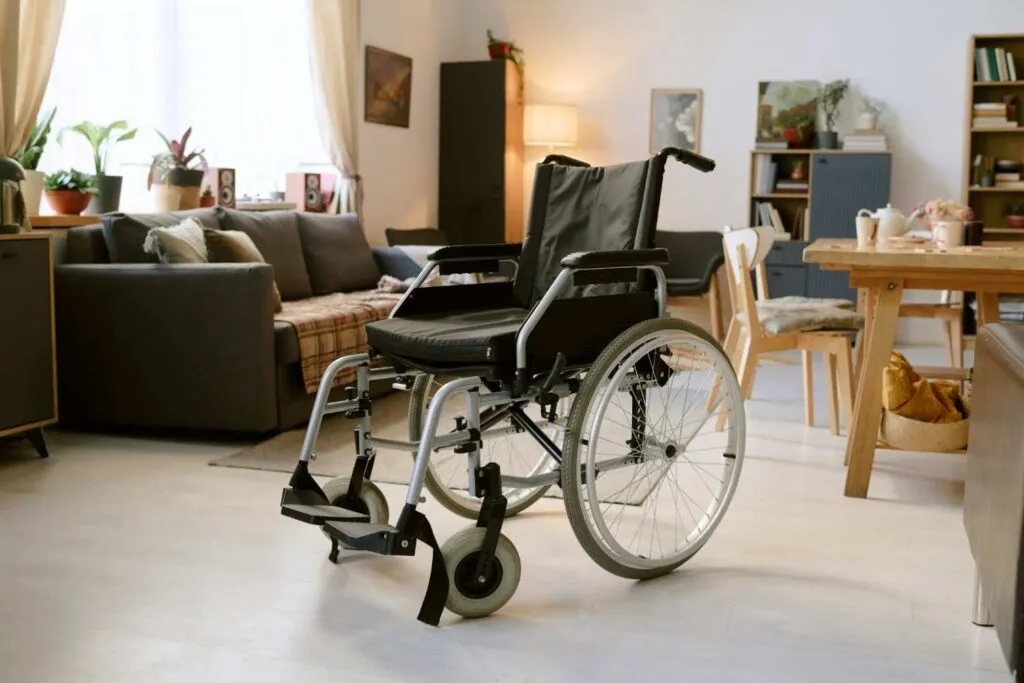
Pressure Injury Risk in Wheelchair Users & Prevention Tips
First Section: Understanding the Risk
Pressure injuries. They can sneak up. They can happen fast.
You wake up one morning and feel a tender spot.
It looks like nothing. Just a little redness.
You think—I’ll deal with it later.
But by the time you check again, it’s worse.
The redness has deepened.
It feels warm. Almost swollen.
This is how wheelchair pressure injuries begin.
It’s not about blame.
It’s about biology.
When you sit for hours without moving, your skin and tissues get starved of blood.
No blood flow?
No oxygen.
No nutrients.
No healing.
People using wheelchairs every day—especially older adults or those living with conditions like diabetes—are at a higher risk.
The good news?
These injuries are preventable.
But you need the right tools.
And the right habits.
And the right support team.
Here’s something many people don’t realize: seat cushions are not all the same.
Some are as flat as a pancake within weeks.
Others, the high-quality ones, can distribute pressure and protect your skin better.
A recent study by the National Institutes of Health found that effective seating reduced pressure injury incidence by over 60%.
Even better, simple repositioning strategies—like leaning forward for a minute every half-hour—can make all the difference.
The Agency for Healthcare Research and Quality also explains that regular repositioning can speed up healing times dramatically. You can read their detailed recommendations here.
When you understand the risks—and the ways to lower them—you’re already one step ahead.
The Power of Seat Cushions for Wheelchair Users
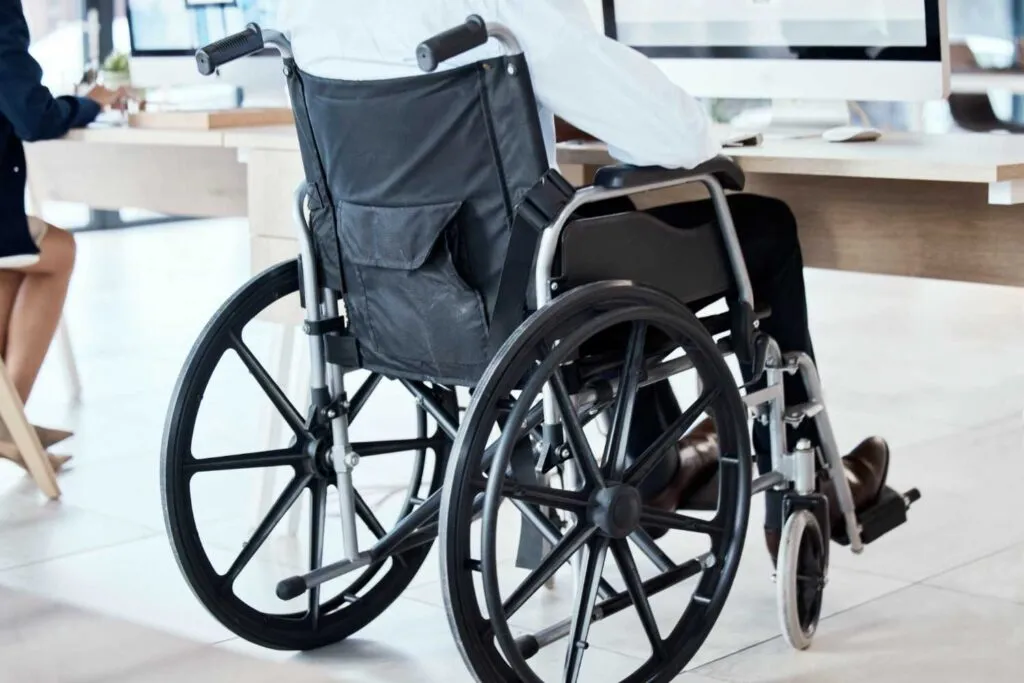
If you use a wheelchair, your seat cushion is more than a comfort accessory. It’s a frontline defense against pressure injuries. But here’s the problem: too many people are given low-quality foam cushions or outdated equipment.
Let’s imagine two neighbors—Mary and Frank.
Both use wheelchairs.
Mary’s cushion is old. The foam has collapsed. She feels every bump and dip.
Frank invested in a gel cushion with airflow channels and contouring.
Guess who ends up with fewer skin issues?
Why seat cushions matter:
- Pressure redistribution: High-density foam, gel, and air cushions spread weight over a bigger area so no one spot bears all the load.
- Shear and friction reduction: Some designs have layers that glide over each other when you move, so your skin doesn’t get dragged.
- Temperature regulation: Breathable materials wick moisture and reduce sweating, which can weaken skin.
- Postural support: Cushions with proper contouring help you sit upright, avoiding slumping that leads to uneven pressure.
A good seat cushion isn’t just about comfort—it’s about safety and dignity.
In fact, the Christopher & Dana Reeve Foundation notes that an investment in the right cushion can prevent thousands of dollars in medical costs. You can explore their cushion comparison guide here.
Quick Tip:
Check your cushion every day. If it feels thinner, lopsided, or flat, it’s time for a replacement.
Repositioning Strategies That Protect Your Skin
Repositioning doesn’t have to be complicated or exhausting.
But it does need to be consistent.
Every 15 to 30 minutes, you need to relieve pressure.
Think of it as hitting the reset button on your circulation.
Simple repositioning ideas you can start today:
- Weight shifts: Lean your body to the left and hold for 60 seconds. Repeat on the right.
- Forward leans: Slide your upper body forward, resting your elbows on your knees, and stay there for at least a minute.
- Tilt/recline: If you have a power wheelchair with tilt and recline, adjust your position often.
- Assisted lifts: A caregiver can help you lift slightly off the cushion if you can’t do it alone.
Making It a Habit
In the beginning, you might forget. That’s normal.
Use technology to help:
- Phone alarms
- Smartwatches
- Voice assistants
Bonus Tip:
Keep a journal to track your repositioning. Over time, you’ll see patterns and find what works best.
A study in the Journal of Wound Care found that repositioning every 30 minutes could reduce pressure injury occurrence by nearly 70%. You can explore that research here.
Need help setting up a repositioning schedule? Book a Repositioning Strategy Assessment.
Early Warning Signs—How to Spot Pressure Injuries Before They Worsen
Even the best cushion and the most diligent repositioning plan aren’t foolproof.
That’s why daily skin checks are critical.
Early signs to look for:
- Persistent redness that doesn’t go away after offloading.
- Swelling or warmth over bony areas.
- A spot that feels firmer or softer than surrounding skin.
- Skin discoloration—purple or bluish hues in darker skin.
- Pain, tenderness, or tingling in the area.
The Importance of Quick Action
If you see any of these signs:
Don’t wait.
Offload pressure right away.
Clean the area gently.
And call your wound care specialist.
According to the National Pressure Injury Advisory Panel, early-stage pressure injuries can heal within a week if treated promptly.
What to Do If You Find a Sore
- Relieve pressure immediately.
- Keep the area clean and dry.
- Avoid massaging the sore—this can worsen damage.
- Use protective dressings if advised by a clinician.
- Call your healthcare provider for guidance.
Working as a Team—Caregivers and Wheelchair Users Together
Nobody should face this alone.
Pressure injury prevention is a partnership.
Caregivers play a huge role in keeping skin healthy, equipment maintained, and routines consistent.
Collaborative Prevention Strategies
- Daily skin checks: Make this part of the morning routine. Use a mirror or phone camera to see hard-to-reach areas.
- Routine repositioning: Set a shared schedule and help each other stick to it.
- Equipment maintenance: Check seat cushions, wheelchair settings, and clothing for anything that causes friction.
- Nutrition and hydration: Healthy skin comes from within—eat a balanced diet rich in protein and stay hydrated.
- Clear communication: If something doesn’t feel right, speak up.
Remember: Pressure injuries don’t happen because you’re not trying hard enough. They happen because our bodies are vulnerable. The right support makes all the difference.
You can think of wheelchair pressure injuries as a quiet challenge that requires daily care, smart tools, and a little teamwork. Whether it’s a cushion that supports you in all the right places or a gentle nudge from a timer reminding you to shift your weight, small actions build powerful habits.
The difference between a tiny red spot that heals quickly and a wound that takes months to treat often comes down to those habits: checking your skin every morning, choosing breathable fabrics, staying hydrated, and working closely with caregivers who understand that prevention is everyone’s job.
When you notice warmth or a patch of tenderness, it’s never a sign of failure—just a sign that your body needs attention. With thoughtful repositioning strategies and seat cushions designed for real-life use, you have practical ways to protect your skin and keep moving forward.
And while it’s easy to feel overwhelmed, it helps to remember that no one has to manage this alone. There are professionals ready to guide you, resources to help you make informed choices, and tools that can make each day a little more comfortable. This is where hope, resilience, and trust come together—one small adjustment, one checked cushion, and one shared plan at a time.
🌿 Key Takeaways
✅ Early detection is critical.
Small changes in your skin—like redness, warmth, or tenderness—are early warning signs that deserve attention. Checking your skin every day can mean the difference between a simple adjustment and a long healing process. Stay observant, and don’t hesitate to reach out for help if something doesn’t look or feel right.
✅ The right seat cushion matters.
Not all seat cushions offer the same level of protection. Investing in a high-quality cushion that redistributes pressure and supports your posture is one of the most effective ways to prevent pressure injuries. If you’re unsure where to start, our Seating & Positioning Services can guide you.
✅ Repositioning is your best defense.
Shifting your weight every 15–30 minutes helps restore blood flow and keeps skin healthier. Whether you use a timer, a caregiver reminder, or built-in tilt features, frequent repositioning is a simple habit with powerful results. Learn more about our Repositioning Strategy Assessments to build a plan that fits your routine.
✅ Caregiving is a team effort.
Pressure injury prevention isn’t something you have to manage alone. Regular check-ins, shared schedules, and open communication between wheelchair users and caregivers create a safety net that keeps small issues from becoming big ones. Explore our Caregiver Support Resources for more guidance and encouragement.
✅ Support and hope are always available.
Feeling overwhelmed is natural—but you’re never without options. From professional wound care to equipment recommendations and nutrition guidance, there’s a community ready to help you stay healthy and confident. Visit our Comprehensive Wound Care page to connect with specialists who care.
🎯 5 Related Questions Asked and Answered
1️⃣ What are wheelchair pressure injuries, and why are they so common?
Wheelchair pressure injuries—sometimes called pressure sores or bedsores—are areas of damaged skin and underlying tissue caused by staying in one position too long.
They often form over bony areas, like:
- The tailbone (sacrum)
- Sitting bones (ischial tuberosities)
- Heels
- Hips
People who use wheelchairs for long periods are at higher risk because the constant pressure reduces blood flow to the skin. Without enough circulation, tissue doesn’t get the oxygen and nutrients it needs. Over time, it breaks down.
Why they’re common:
- Limited mobility makes it difficult to shift weight frequently.
- Moisture from sweat or incontinence can weaken skin.
- Friction and shearing occur when transferring in and out of the wheelchair.
- Inadequate seat cushions or poor-fitting equipment increases pressure.
If you’d like to learn more about advanced wound care options, visit our Comprehensive Wound Care page.
2️⃣ What are the early warning signs of a pressure injury?
Catching a pressure injury early can be the difference between quick healing and a long-term wound.
Look for these early signs:
- Persistent redness that doesn’t fade after relieving pressure.
- Warmth or swelling over bony areas.
- Skin texture changes, such as feeling boggy, firm, or mushy.
- Pain or tenderness, even if the skin looks normal.
- Discoloration, especially in people with darker skin tones (purple or bluish hues).
Why early detection matters:
Stage 1 injuries (redness and irritation) can often heal within a few days with proper offloading and skin protection. But once the skin breaks, deeper tissues are at risk for infection.
That’s why daily skin checks are essential. You can use a mirror or ask a caregiver to help inspect high-risk spots.
If you’re concerned about a sore, contact our wound care specialists right away.
3️⃣ How do seat cushions help prevent pressure injuries?
Not all seat cushions are created equal! The right cushion reduces pressure and distributes weight more evenly, protecting your skin.
Benefits of specialized seat cushions:
- Pressure redistribution: High-quality cushions (gel, foam, air) spread weight across a larger surface area.
- Shear reduction: Some cushions have layers that move independently, minimizing friction.
- Temperature and moisture control: Breathable materials keep skin drier and cooler.
- Postural support: Cushions help maintain good alignment, preventing slumping that increases pressure on certain points.
Quick tip:
Check your cushion daily to be sure it’s in good condition. Over time, foam can compress, and air cushions can deflate.
4️⃣ What repositioning strategies should wheelchair users follow?
Repositioning is your most powerful tool to prevent pressure injuries.
Experts recommend pressure relief every 15-30 minutes. This might sound frequent, but it becomes second nature with practice.
Simple repositioning strategies:
- Weight shifts: Lean side to side for 30-60 seconds to offload pressure.
- Forward leans: If safe, lean forward and hold for at least a minute.
- Tilt and recline: If your wheelchair has tilt/recline features, use them frequently.
- Assisted lifts: A caregiver can help lift you slightly to relieve pressure.
Bonus Tip:
Set a phone timer or smart watch reminder until it becomes a habit.
If you’d like one-on-one guidance, book a Repositioning Strategy Assessment.
5️⃣ How can caregivers and wheelchair users work together to prevent pressure injuries long-term?
Prevention is a team effort. Consistent communication and shared planning are key.
Ways to collaborate effectively:
- Daily skin checks: Make this part of your morning or evening routine.
- Routine repositioning schedule: Agree on times and techniques.
- Equipment maintenance: Check cushions, wheelchair fit, and clothing for anything that might cause friction.
- Hydration and nutrition: Good skin health starts from within—stay hydrated and eat balanced meals rich in protein and vitamins.
- Prompt reporting: If you see any redness or feel discomfort, tell your caregiver or healthcare provider immediately.
Remember:
Pressure injuries can happen to anyone. They’re not a sign of poor care or neglect—they’re a sign your body needs extra support.
You’re not alone. Our wound care team is here to help you every step of the way. Book Your Consultation Today.
