
Implementing Hyperbaric Oxygen Therapy (HBOT) Protocols
The Journey Starts Small: Oxygen, Pressure, and Hope
You never plan for it.
A wound that just…stays.
A sore spot on your heel.
A surgical incision that refuses to close.
First, it feels annoying.
Then it feels scary.
Maybe you tried creams. Dressings.
A dozen appointments.
Still, the wound lingers.
This is where hyperbaric oxygen therapy comes in.
You might have heard about it.
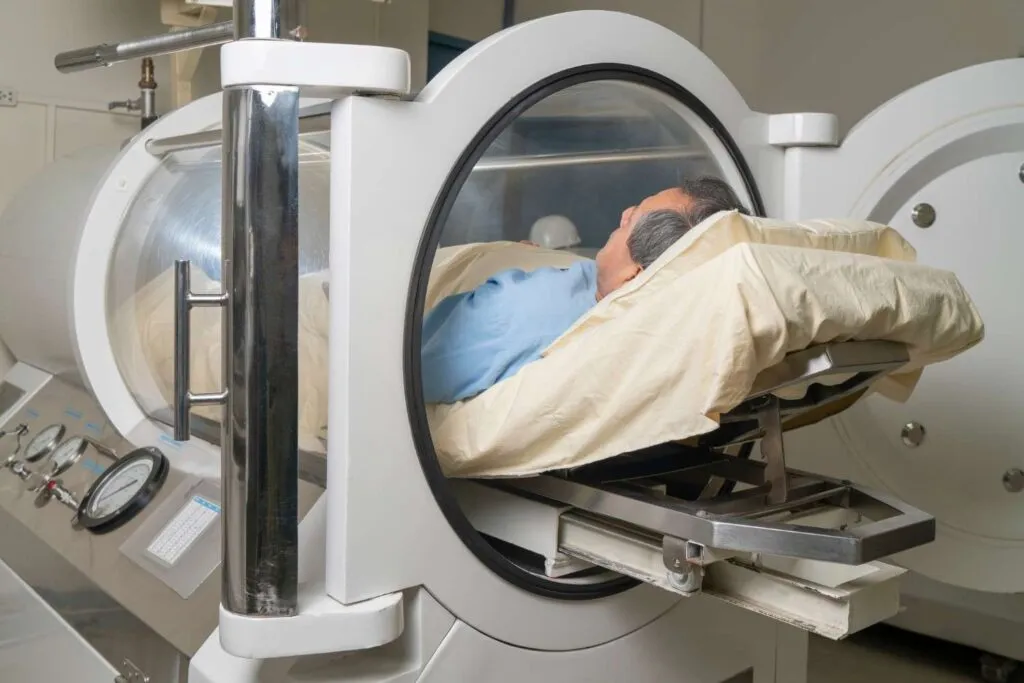
A pressurized chamber.
Pure oxygen.
Sounds intimidating.
But for many patients, it’s not just science—it’s relief.
Think of it like this:
Your wound is like a thirsty garden.
No matter how much you water it, the soil is too dry.
HBOT saturates every cell with oxygen.
It’s like a long, slow rainstorm for your body.
Studies from Johns Hopkins Medicine show HBOT can help wounds heal when other treatments fail.
The Undersea and Hyperbaric Medical Society describes it as a safe, evidence-based therapy for chronic wounds and infections.
At OWC Center, we’ve seen what happens when patients finally feel hope again.
One gentleman called it “the first time I believed my wound could close.”
That’s why we take our time.
Explain every step.
Walk with you—side by side—until your wound has what it needs to heal.
HBOT Protocols: How They Work Day by Day
HBOT Protocols Explained Clearly
No two wounds are the same.
That means no two HBOT protocols look exactly alike.
But most patients will follow a similar rhythm of evaluation, planning, daily treatment, and follow-up.
What Happens First?
Your clinician will take a careful history.
When did the wound start?
How have you been treating it?
What are your goals?
They’ll check circulation, measure the wound, and sometimes order imaging.
This helps build a complete picture.
Planning Your Treatments
Some patients need 20 sessions.
Others might need 40 or more.
We schedule treatments Monday through Friday.
Each lasts about 90 minutes.
You’ll sit or lie comfortably inside the chamber.
It feels a bit like a quiet airplane ride—pressure increases gradually.
Most patients read, nap, or watch a show.
Tracking Your Progress
After every session, your wound will be assessed.
Measurements. Photos.
Any swelling or discomfort.
We adjust the plan as needed to keep you moving forward.
A patient named Carol once said,
“I was nervous at first. But after the first week, I looked forward to it. It was my time to rest and heal.”
That’s the heart of HBOT.
Consistency. Trust. Hope.
Wound Therapy Beyond the Chamber
The Bigger Picture of Wound Therapy
Hyperbaric oxygen therapy isn’t a standalone fix.
It’s one piece of a larger plan we call wound therapy.
Each step works together to give your body the best chance at recovery.
Debridement
Removing damaged or infected tissue.
It’s like clearing out weeds before planting new seeds.
Advanced Dressings
Special bandages that keep the wound moist and protected.
Offloading
Reducing pressure on foot ulcers so they can heal without friction.
Compression Therapy
For leg wounds, compression helps circulation so oxygen can reach every cell.
Nutrition Support
Your body needs protein, vitamins, and hydration to repair tissue.
Why All These Steps Matter
Imagine trying to fill a leaky bucket.
If you only pour in oxygen but don’t fix circulation or infection, healing stalls.
When all parts of the plan work together, the wound finally has a chance to close.
If you’d like to learn more about how we approach wound therapy, explore our Advanced Wound Care services or read our blog about managing wounds in underserved communities.
Why Hyperbaric Oxygen Therapy Is Safe and Effective
Many patients worry about safety.
It’s understandable.
The chamber looks high-tech.
Breathing pure oxygen sounds intense.
But here’s what you should know:
HBOT has been used for decades in hospitals and specialized clinics.
The process is carefully controlled and monitored.
What Happens During Treatment?
- You’ll change into 100% cotton clothing.
- A trained clinician will help you get comfortable.
- The chamber gradually pressurizes—like an airplane descent.
- You’ll breathe normally, often feeling relaxed and drowsy.
- The pressure is released slowly after the session.
Possible Side Effects:
- Ear pressure or popping
- Mild fatigue
- Temporary changes in vision
Most of these resolve quickly.
And your care team is always close by.
If you ever feel discomfort, you can signal staff immediately.
According to Mayo Clinic, HBOT is considered low-risk when performed by trained professionals.
At OWCnCenter, your safety and comfort come first.
Integrating HBOT Protocols Into Your Care Plan

HBOT protocols are most powerful when blended into a full care plan.
It’s never about “just the chamber.”
It’s about understanding your story.
A Real-Life Example:
John had a diabetic foot ulcer for eight months.
Multiple treatments failed.
He felt frustrated and exhausted.
When he came to OWC Center, we combined:
- 30 sessions of HBOT
- Weekly debridement
- Offloading with a specialized boot
- Nutritional support
- Compassionate coaching
After 10 weeks, the wound was finally closing.
John said,
“I didn’t just feel like a patient. I felt like a person again.”
Your care plan might include:
- Advanced wound dressings
- Compression therapy
- Home care instructions
- Regular in-person assessments
If you’re interested in how HBOT fits into a bigger picture, explore our Wound Management or Diabetic Foot Ulcer Treatment resources.
What to Expect: Your First Hyperbaric Oxygen Therapy Appointment
Stepping into the chamber for the first time can feel unfamiliar.
Here’s what you can expect:
Before Your Session:
- Dress in cotton clothing
- Remove jewelry or hearing aids
- Review your plan with the clinician
During Treatment:
- Gradual pressurization
- Breathing pure oxygen
- Relaxation—many patients nap
After Treatment:
- Slow depressurization
- Ear popping may occur
- Mild fatigue
5 Tips to Feel Comfortable:
- Bring a favorite playlist or audiobook
- Use the bathroom before treatment
- Stay hydrated
- Practice slow, steady breathing
- Remind yourself this is a safe, monitored environment
Many patients say the time becomes a peaceful pause in their day—a space to focus on healing.
To learn more about preparation, visit our Advanced Wound Care resources or explore our immune system and wound healing article.
HBOT Protocols and Long-Term Healing Outcomes
What happens after your HBOT sessions end?
Healing doesn’t stop when you leave the chamber.
Our team continues monitoring and supporting you to prevent recurrence.
Long-Term Benefits of HBOT:
- Faster closure of chronic wounds
- Improved circulation in damaged tissues
- Reduced risk of infection
- Stronger, healthier new tissue
Important Next Steps:
- Keep follow-up appointments
- Continue using prescribed dressings
- Watch for early signs of recurrence
- Maintain healthy nutrition and hydration
For example, patients with radiation injuries often see lasting improvements in pain and skin health months after completing therapy.
This NIH overview explains more about HBOT’s impact on tissue regeneration.
If you have questions about sustaining healing, our clinicians will walk with you every step.
Sometimes, the most powerful treatments begin with something simple: oxygen and time. For many living with chronic wounds, hyperbaric oxygen therapy offers a fresh start when hope feels out of reach. It isn’t about a quick fix or a magic bullet—it’s about creating the right conditions for your body to finally heal.
In the quiet of the chamber, while you rest and breathe, your tissues are given what they need most: an abundance of pure oxygen. Blood vessels repair themselves. Infections lose their grip. Inflammation eases. Even stubborn wounds that have resisted every other treatment begin to close, slowly but surely.
HBOT doesn’t work alone. It becomes part of a larger story—one that includes thoughtful wound therapy, skilled debridement, advanced dressings, and compassionate support. Each element reinforces the other, like threads woven into a safety net strong enough to hold you through setbacks and progress alike.
For patients who have felt unseen or discouraged, this therapy can be a turning point. It’s the moment when you realize you’re not just a diagnosis or a chart. You’re a person, surrounded by a team who wants you to heal fully and live comfortably again. And sometimes, that knowledge alone is enough to start the journey back to hope.
Key Takeaways
✅ Hyperbaric oxygen therapy gives wounds the oxygen they need to heal.
Breathing pure oxygen in a pressurized chamber helps nourish damaged tissue, reduce swelling, and fight infection. HBOT creates the right conditions for even the most stubborn wounds to finally start closing, often when nothing else has worked.
✅ HBOT protocols are personalized to fit your unique needs and goals.
Every treatment plan is tailored by your care team. From the number of sessions to how your progress is tracked, your protocol is designed to fit your wound type, medical history, and lifestyle, so you feel supported every step of the way.
✅ Safety and comfort are always the top priority during HBOT sessions.
With trained clinicians monitoring your therapy, you can relax knowing you’re in caring hands. Most patients find treatments surprisingly peaceful, like a quiet break in the day dedicated solely to healing.
✅ Hyperbaric oxygen therapy works best as part of a larger wound therapy plan.
HBOT is most effective when paired with advanced dressings, debridement, offloading, and good nutrition. This comprehensive approach supports healing from every angle, giving your body the resources it needs to recover.
✅ You don’t have to face chronic wounds alone—help is here.
At OWC Center, our team believes healing happens best when you feel seen, respected, and hopeful. Whether you need hyperbaric oxygen therapy or another treatment, we’re here to guide you with compassion and expertise.
5 Related Questions Asked and Answered
1️⃣ What is hyperbaric oxygen therapy, and how does it help wounds heal faster?
Answer:
Hyperbaric oxygen therapy, or HBOT, is a specialized treatment where you breathe pure oxygen in a pressurized chamber. The pressure helps your blood carry more oxygen to your tissues, which can speed healing, fight infection, and reduce swelling.
Imagine this: your wound is like a garden starved of rain. HBOT acts like a deep soak, nourishing every cell with extra oxygen so healing can finally take root.
Here’s why HBOT helps:
- More Oxygen: Tissues that are damaged or infected often don’t get enough oxygen to heal. HBOT increases oxygen levels many times over.
- Faster Healing: Oxygen supports the growth of new blood vessels and tissue.
- Reduced Infection: Extra oxygen helps white blood cells fight bacteria.
- Less Swelling: HBOT can reduce inflammation around the wound.
At OWC Center, we often use HBOT alongside other advanced wound care treatments. If you’re wondering whether this therapy is right for you, our clinicians can walk you through the process step by step.
2️⃣ What does an HBOT protocol look like from start to finish?
Answer:
Every HBOT protocol is tailored to your needs, but here’s what you can typically expect:
- Evaluation: Your care team will assess your wound, overall health, and goals.
- Treatment Planning: You’ll get a personalized plan outlining how many sessions you need. Some patients have 20 treatments, others 40 or more.
- Daily Sessions: Most treatments happen 5 days a week. Each session lasts about 90 minutes.
- Inside the Chamber: You’ll relax in a comfortable chamber while breathing 100% oxygen. You can nap, listen to music, or watch TV.
- Progress Checks: Your wound and symptoms are monitored closely to make sure HBOT is helping.
- Adjustments: If needed, your plan is updated to keep your healing on track.
Some patients are nervous at first—understandably! But nearly everyone finds it easier than they expected. One gentleman told us it felt like “a quiet, pressurized nap that helped his foot ulcer finally close.”
Learn more about our Wound Management services and how HBOT can be part of your healing journey.
3️⃣ Is hyperbaric oxygen therapy safe, and what should I expect during treatment?
Answer:
HBOT is considered very safe when performed under medical supervision. At OWC Center, every session is monitored by trained clinicians who are there to answer questions and make you comfortable.
Here’s what you can expect:
- Before Your Session: You’ll change into cotton garments and remove jewelry or electronics.
- During Treatment: The chamber will slowly pressurize. You might feel a gentle fullness in your ears, like during a flight. Swallowing or yawning usually relieves this.
- Breathing Oxygen: You’ll relax and breathe normally. Many patients watch TV or rest.
- After Treatment: The chamber is depressurized, and you can return to your day.
Potential Side Effects:
- Mild ear pressure or popping
- Temporary vision changes (usually resolve after therapy)
- Fatigue
If you ever feel uncomfortable, you can signal staff at any time. Most people adjust quickly and find sessions to be a peaceful part of their routine.
Visit our Advanced Wound Care page for more information about what to expect.
4️⃣ How does HBOT fit into a larger wound therapy plan?
Answer:
Hyperbaric oxygen therapy isn’t used in isolation—it’s part of a comprehensive approach to wound healing. Think of it as one tool in a larger toolbox.
Your wound therapy plan may also include:
- Debridement: Removing damaged tissue to promote healing.
- Advanced Dressings: Specialized bandages that protect the wound and help it close.
- Offloading: Reducing pressure on the wound (especially for diabetic foot ulcers).
- Compression Therapy: Improving circulation if you have vascular issues.
- Nutrition Support: Ensuring your body has the fuel it needs to heal.
At OWC Center, our clinicians collaborate closely to design a plan that’s just right for you. We also coordinate with referring physicians to ensure continuity of care.
If you’re curious about how HBOT and other treatments work together, explore our Wound Debridement services to see the broader picture of wound therapy.
5️⃣ How do I know if I’m a good candidate for HBOT protocols?
Answer:
Not every wound requires hyperbaric oxygen therapy, but many hard-to-heal wounds respond well to HBOT. You might be a good candidate if you have:
- Diabetic Foot Ulcers: Especially if they haven’t improved with standard treatments.
- Radiation Injuries: Tissue damage from radiation therapy.
- Chronic Bone Infections: Called osteomyelitis.
- Non-Healing Surgical Wounds: Slow-healing incisions or grafts.
During your evaluation, our team will review your medical history, medications, and wound status. We’ll also talk through your goals and any concerns you have.
Questions to consider:
- How long has your wound been present?
- Have you tried other treatments without success?
- Are you able to commit to daily sessions?
Our clinicians are here to help you feel informed and confident about your options. If you’d like to learn more or schedule an assessment, please visit our Advanced Wound Care page or call our team today.
