
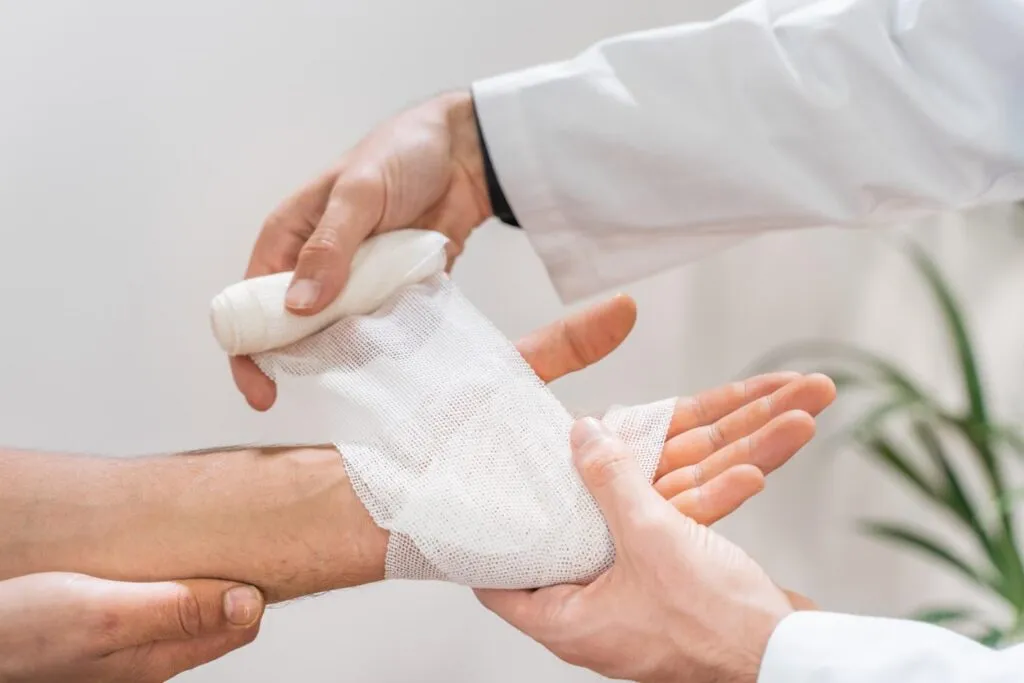
The Role of Moisture-Balanced Dressings in Healing
What Are Moisture-Balanced Dressings? (And Why They Matter)
It starts simple. A scrape. A sore. A stubborn ulcer.
You think it’ll heal up on its own.
Sometimes it does.
But sometimes?
It lingers. Grows. Hurts more each week.
That’s when moisture-balanced dressings come in.
They aren’t just bandages. They’re a lifeline.
Picture this. You’re at home. Trying to keep your wound clean. But it’s so easy for it to get too wet. Or too dry. Maybe you remember your grandmother telling you, “Let it air out, honey. Wounds need fresh air.”
It sounds logical. It feels natural. But research shows that letting wounds dry out can actually slow healing and increase pain.
Instead, modern science points to moist wound healing as the gold standard. According to Mayo Clinic, keeping a wound moist creates an ideal environment where new cells grow faster. The dressing acts like a little greenhouse—warm, protected, hydrated.
Still, people sometimes hesitate. They ask us: “Won’t it get infected if it stays damp?”
A fair question.
Here’s where advanced dressings step up. They don’t just lock in moisture. They also shield your wound from bacteria, absorb extra drainage, and cushion tender skin. If you want to see a detailed guide, check out Johns Hopkins Medicine for a deeper dive.
At OWC Center, we see it every day.
A diabetic foot ulcer that once felt hopeless? Healing faster.
A pressure injury that looked raw and painful? Softer edges. Smaller. Less angry-looking.
When you get the right dressing—and a team who believes in you—things change.
The Importance of Moist Wound Healing
Moist Wound Healing: A New Standard in Care
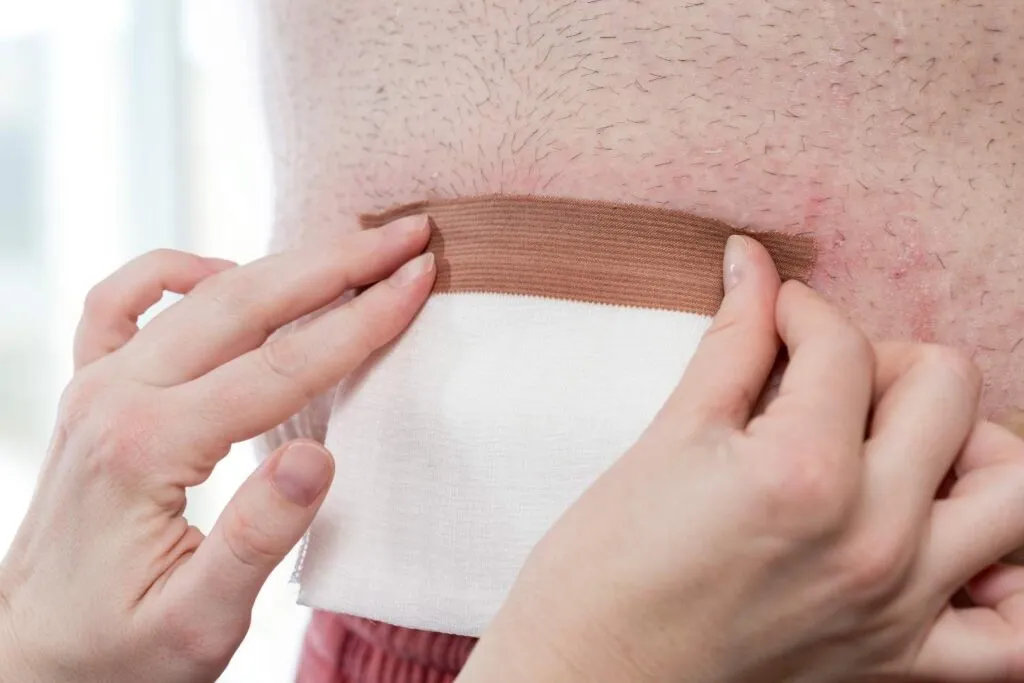
For decades, people thought wounds should be dry. Air-dried scabs meant progress. That’s what the textbooks taught. But when you look closer—really close—at how skin cells regenerate, you see a different story.
Moist wound healing is proven to:
- Reduce healing time by up to 50%
- Minimize scarring
- Lower infection risk
- Decrease discomfort
Why does it work so well?
When your skin is moist, new cells can travel across the wound bed more efficiently. Think of it like ice skating—smooth, fluid motion instead of a bumpy crawl over a dry surface.
A patient we treated not long ago, Mrs. D, had a venous leg ulcer that just wouldn’t budge. She tried gauze dressings for months with little improvement. Once we introduced moisture-balanced dressings, she started to see healing within weeks. She was amazed at how much more comfortable her leg felt, too.
According to this study from the National Institutes of Health, moist wound healing is now the preferred approach for most chronic wounds. It’s a method built on decades of research and real-world success.
Advanced Dressings: Options That Support Recovery
One thing we hear often is, “I didn’t realize there were so many kinds of dressings.”
It’s true. Advanced dressings aren’t one-size-fits-all. They’re as unique as your wound. Here are some common types we use at OWC Center:
- Hydrocolloid dressings – These seal out bacteria and keep wounds moist without leaking. Perfect for light to moderate drainage.
- Foam dressings – Extra absorbent and cushioned, ideal for fragile skin or pressure injuries.
- Hydrogel dressings – Add moisture to wounds that are too dry or have necrotic tissue.
- Alginate dressings – Made from seaweed, they’re excellent for wounds with heavy drainage.
- Antimicrobial dressings – Contain silver or iodine to fight infection.
We always tailor your dressing to:
- The depth of your wound
- The amount of fluid it produces
- Your lifestyle and comfort preferences
When you come in for a Wound Assessment, we’ll show you samples, explain how they work, and teach you or your caregiver how to change them safely. It’s part of our mission to keep you informed and empowered.
How to Know When to Change Your Dressing
Dressings can stay on for a day—or up to a week—depending on what you’re using. Here’s a simple guide to help:
Hydrocolloids: Change every 3–7 days.
Foams: Usually every 1–3 days.
Hydrogels: Often daily.
But don’t just go by the calendar. Watch for these signs:
- Excess drainage pooling under the dressing
- Odor that wasn’t there before
- Increased pain or redness around the wound
When in doubt? Call us. No question is too small. At OWC Center, we’d rather you ask than wonder. It’s how trust is built, and healing feels less overwhelming.
5 Simple Tips for Changing Dressings
- Wash your hands thoroughly.
- Gather all supplies ahead of time.
- Gently remove the old dressing.
- Clean the wound as instructed.
- Apply the new dressing without touching the wound bed directly.
These steps might feel daunting the first time. But after a few changes, most patients find it becomes second nature. Our team is always ready to help you practice until you feel confident.
Insurance and Affordability: Getting the Help You Need
It’s common to worry about the cost of moisture-balanced dressings. The good news is that most insurance plans cover them when prescribed for chronic wounds.
Coverage depends on:
- Your health insurance provider
- The documented medical necessity
- The type of dressing
At OWC Center, we help patients:
- Submit paperwork
- Understand benefits
- Choose covered alternatives when possible
If you’re feeling overwhelmed by forms, let us know. We can walk you through the process step by step. For more about how insurance works for wound care, visit our Advanced Wound Care page.
You can also find helpful info in this Medicare resource if you have Medicare coverage.
3 Helpful Resources for Financial Support
- Medicare and Medicaid – These programs often cover advanced dressings.
- Private insurance – Most plans have wound care benefits.
- Manufacturer assistance programs – Some companies offer cost savings for patients.
Moist Wound Healing and Daily Life
When you use advanced dressings, you can often:
- Bathe more easily (with protection)
- Sleep better without constant shifting
- Feel less pain during movement
Patients tell us that what they love most isn’t just faster healing—it’s feeling like they’re getting back to normal life.
One man we treated had struggled with a diabetic foot ulcer for over six months. He told us he felt embarrassed to leave the house. After switching to moisture-balanced dressings, he noticed less odor and discomfort. A few months later, he was back to taking walks around his neighborhood—something he thought he’d lost forever.
If you’re curious about more ways wound care can improve daily living, you might enjoy reading our other articles:
- How to Prepare for Your Wound Care Follow-Up Visit
- How Aging Skin Affects the Healing Process
- The Role of Topical Antimicrobials in Wound Healing
For more in-depth guidance, see this CDC resource about preventing wound infections at home.
Moisture-balanced dressings have quietly revolutionized how wounds are treated, helping countless people regain comfort, confidence, and mobility. For many, what starts as a simple sore can spiral into something far more disruptive—especially when older ideas about “airing out” wounds delay progress.
By creating the perfect balance—not too wet, never too dry—these advanced dressings work like a protective greenhouse. They let new cells glide across the wound bed, shield delicate tissue from bacteria, and ease the daily pain that so often makes healing feel out of reach.
From hydrocolloid and foam dressings to hydrogels and alginates, the options today are designed to fit each wound, each person, and each lifestyle. Whether someone is managing a diabetic ulcer, a pressure injury, or a slow-healing surgical site, moist wound healing offers a gentler, faster path forward.
It’s also reassuring to know that most insurance plans cover these supplies when prescribed, taking away some of the financial worries that keep people from getting the care they need. And with a little practice—and a lot of encouragement from a supportive care team—changing these dressings at home becomes less intimidating.
Patients who once felt trapped by chronic wounds often rediscover everyday joys, like taking a walk, sleeping through the night, or simply feeling at ease in their own skin again. It’s this return to normal life that matters most, and why moisture-balanced dressings remain one of the most important tools in compassionate, evidence-based wound care.
Key Takeaways
1️⃣ Moisture-balanced dressings create the perfect healing environment.
When wounds stay just moist enough—not too wet or too dry—skin cells regenerate faster and more comfortably. This approach helps reduce scarring and infection risk. Learn more about how we personalize this care in our Advanced Wound Care programs.
2️⃣ Moist wound healing is proven to speed recovery.
Decades of research show moist wound healing shortens healing time and eases pain. If you’re unsure whether this method is right for you, our team is here to guide you through the process step by step. Explore our Wound Assessment to see how we get started.
3️⃣ There’s no one-size-fits-all dressing.
From hydrogels to foam and alginate dressings, every wound deserves a tailored approach. We’ll help you find the option that fits your needs and lifestyle. See how we customize care plans through our Comprehensive Wound Services.
4️⃣ Insurance often covers advanced dressings.
Many insurance plans will pay for moisture-balanced dressings when they’re medically necessary. If you’re concerned about costs, our staff can help you understand your coverage and explore assistance options. Visit our Insurance and Payment Information for guidance.
5️⃣ Healing with dignity and confidence is possible.
Moisture-balanced dressings do more than close wounds—they help restore your comfort and independence. Our team is committed to supporting you every step of the way so you can get back to the activities you love. Reach out to schedule a Personalized Consultation.
Related Questions Patients Often Ask (and Answered)
1️⃣ What are moisture-balanced dressings, and how do they work?
Moisture-balanced dressings are specialized wound coverings designed to keep the wound environment just right—not too wet, not too dry. This balance helps your body’s natural healing processes work more efficiently.
Here’s how they help:
- Retain moisture: They maintain a damp environment that allows skin cells to regenerate faster.
- Absorb excess fluid: If your wound is producing too much drainage, these dressings soak it up without drying the tissue out.
- Protect from infection: Many moisture-balanced dressings create a barrier against bacteria, reducing the risk of complications.
- Reduce pain: A moist environment prevents nerve endings from drying out and becoming irritated.
- Support advanced healing: These dressings are part of evidence-based practices we use in our Advanced Wound Care programs.
At OWC Center, we assess each wound carefully to select the dressing that best matches your needs. If you’re unsure which option is right for you, we’re here to walk you through it step by step.
2️⃣ Why is moist wound healing better than letting a wound dry out?
You may have heard the myth that wounds heal best when they’re left open to “air out.” Modern research has shown that’s simply not true. Moist wound healing is now considered the gold standard in wound care.
Here’s why:
- Faster healing: A moist environment speeds up cell growth and migration across the wound bed.
- Less scarring: New skin cells regenerate more smoothly, reducing the likelihood of thick scars.
- Lower infection risk: Moist dressings protect against bacteria better than dry gauze.
- Less discomfort: Dry wounds often stick to dressings, causing pain when changed.
If you’d like to learn more about this approach, visit our Advanced Wound Care page to see how we combine evidence-based practices with compassionate care.
3️⃣ What types of advanced dressings are used at OWC Center?
We don’t believe in a one-size-fits-all approach. Instead, we tailor treatment to each patient’s unique needs. Some of the advanced dressings we use include:
- Hydrocolloid dressings: For wounds with light to moderate drainage.
- Foam dressings: Highly absorbent and comfortable for wounds that need cushioning.
- Hydrogel dressings: Add moisture to dry or necrotic wounds.
- Alginate dressings: Derived from seaweed, ideal for wounds with heavy drainage.
- Antimicrobial dressings: Infused with silver or iodine to fight infection.
Our clinicians will assess:
- Your wound’s stage
- The amount of drainage
- Your overall health
Together, we’ll create a care plan that supports healing and promotes comfort. You can learn more about our Wound Assessment process to see what to expect.
4️⃣ How often should moisture-balanced dressings be changed?
The frequency depends on several factors:
- Type of dressing: Some can stay in place for several days; others may need to be changed daily.
- Amount of drainage: Heavier drainage means more frequent changes.
- Signs of infection: Redness, odor, or increased pain may require prompt replacement.
In general:
- Hydrocolloids: Every 3–7 days
- Foams: Every 1–3 days
- Hydrogels: Usually daily or every other day
Our team will teach you (or your caregiver) how to monitor the dressing and change it safely. At OWC Center, we prioritize education so you feel confident managing your wound between visits. If you need help, you can always reach out to us for guidance.
5️⃣ Are moisture-balanced dressings covered by insurance?
Insurance coverage varies depending on:
- Your health plan: Each provider has different policies for wound care supplies.
- Medical necessity: Dressings prescribed for chronic or complex wounds are often covered.
- Documentation: Proper records from your wound care team support your claim.
At OWC Center, our staff helps patients navigate the insurance process so you’re not left guessing. We’ll:
- Submit any required documentation
- Provide cost estimates
- Recommend covered alternatives if needed
If you’re worried about affordability, visit our Wound Care Services page or call us. We’re committed to making advanced care accessible for everyone in the Louisville community.
Final Thoughts
Moisture-balanced dressings can make a world of difference in how wounds heal and how you feel during recovery. If you or someone you love is struggling with a chronic wound, reach out to our team. We’re here to help you heal, stay hopeful, and regain comfort in everyday life.
Ready to learn more?
Contact OWC Center today to schedule a consultation or ask questions.
