

Emerging Biomaterials for Chronic Wound Dressings
What Makes Biomaterials Wound Dressings So Different?
Something happens when a wound won’t heal.
It’s not just about the bandage.
It’s about frustration.
The quiet moments at 3 a.m.
The questions that won’t stop.
“Why is this taking so long?”
“Am I doing something wrong?”
You’re not alone.
Millions live with chronic wounds every day.
And the truth is—traditional dressings often don’t do enough.
Enter biomaterials wound dressings.
It sounds fancy. Maybe even intimidating.
But really—it’s about making healing easier.
These advanced dressings use materials designed to:
- Keep moisture where it needs to be
- Protect wounds from infection
- Encourage new tissue to grow
Imagine a dressing that feels cool.
Soothes pain.
And helps your skin rebuild itself.
That’s what hydrogel biomaterials can do.
And nanofiber dressings?
They’re like a delicate web—supporting your cells in exactly the way nature intended.
According to Johns Hopkins Medicine, chronic wounds impact nearly 6.5 million Americans each year.
That’s a lot of lives interrupted.
A lot of hope needed.
One more reason researchers keep searching.
Finding better ways.
New solutions.
And it’s working.
Clinical studies from PubMed Central show biomaterials dressings can reduce healing times and improve outcomes—even in stubborn wounds.
So, if you feel stuck, take a breath.
You have options.
And you deserve care that’s both advanced and compassionate.
Hydrogel Biomaterials: A Cool Revolution in Wound Care
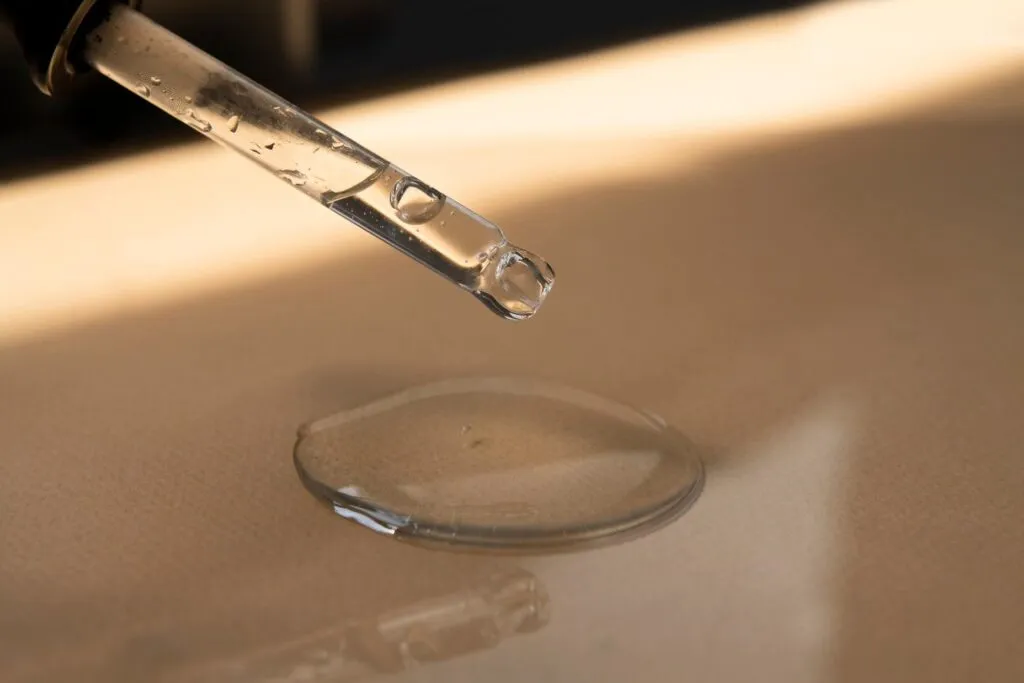
Hydrogel biomaterials might sound like something out of a lab movie. But in wound clinics and home care across the world, they’re becoming a standard of care. Let’s break down what they really do—and why so many patients (and clinicians) prefer them over traditional gauze.
Why Moisture Matters
Traditional dressings often focus on keeping wounds dry. But research has shown that chronic wounds heal faster in a moist environment.
Hydrogel dressings are over 90% water. This helps:
- Keep the wound bed moist without soaking it
- Reduce pain by cooling inflamed tissue
- Help the body naturally break down dead tissue
- Create a protective barrier against bacteria
For someone living with a diabetic foot ulcer or a pressure injury, this difference can feel life-changing.
The Feel of Relief
Have you ever peeled off a dry bandage?
That sharp tug?
The sting?
Hydrogel biomaterials remove that discomfort. They conform to the wound, stay smooth, and peel away gently. This makes daily dressing changes less stressful—and less painful.
How They’re Applied
Your care team may:
- Apply a hydrogel sheet directly to the wound
- Use a gel formulation for deeper wounds
- Cover it with a secondary dressing to hold everything in place
These dressings can stay in place for several days. That means fewer changes—and less disruption to healing tissue.
The Science Backing Hydrogel Dressings
A study by the National Institutes of Health showed hydrogel dressings significantly reduce healing time in chronic ulcers compared to gauze alone.
Learn about advanced wound care therapies.
Nanofiber Dressings: The Next Generation
Nanofiber dressings are the next frontier. Imagine the finest web you’ve ever seen. Now, picture it built to support your healing skin.
What Makes Nanofibers Unique
Nanofibers are:
- Ultra-thin (100-500 nanometers wide)
- Biodegradable
- Customizable to deliver medication or antimicrobial agents directly into the wound
Benefits for Chronic Wounds
Patients with stubborn wounds often need more than moisture balance. They need an active approach that:
- Encourages cell migration
- Fights infection
- Provides structural support
Bullet Points—Why Clinicians Recommend Nanofiber Dressings
- Enhanced Healing: Their web-like structure speeds up tissue repair.
- Antimicrobial Action: Infused with silver or antibiotics to prevent infection.
- Breathable Comfort: Keeps the wound moist but not soggy.
- Lightweight Feel: Patients often forget they’re wearing them.
- Drug Delivery: Can release growth factors and other agents over time.
A Patient’s Perspective
One patient shared:
“Before nanofiber dressings, every step hurt. I dreaded the changes. Now, I can walk more comfortably—and I’m healing faster.”
Research & Innovation
According to the American Academy of Dermatology, nanofiber technologies could soon become the gold standard for chronic wounds.
Read about innovative wound care products.
Biomaterials Safety: Who Should Use Them?
Before starting any new treatment, it’s natural to wonder—is this safe for me?
Allergies and Sensitivities
Biomaterials are generally safe, but always tell your clinician if you have allergies. Some dressings contain collagen or adhesives that can cause reactions.
Monitoring and Application
These dressings must be applied correctly. Overly moist environments can lead to maceration. Infections can occur if wounds aren’t monitored closely.
Who Benefits Most
Patients who often see the best results include those with:
- Diabetic ulcers
- Venous leg ulcers
- Pressure injuries
- Surgical wounds that won’t close
Hydrogel Biomaterials in Everyday Life
Living with a chronic wound can be isolating. But hydrogel biomaterials bring hope back into the process.
How to Talk to Your Care Team
Many patients aren’t sure how to ask about advanced dressings. Here are a few conversation starters:
- “Can we explore other dressing options?”
- “Would hydrogel dressings be a good fit for my wound?”
- “I’ve heard about nanofiber dressings—are they available here?”
Everyday Use & Care
Hydrogel dressings are usually changed every 3-5 days. Here’s how to care for them:
- Keep the area clean and dry between dressing changes.
- Watch for signs of infection (redness, heat, or unusual discharge).
- Don’t remove the dressing unless instructed.
Learn about home wound care tips.
Nanofiber Dressings: Stories from the Frontlines
This new technology feels almost futuristic. But for patients, it’s already making an impact.
Patient Story
Evelyn, 62, struggled with a pressure injury for over a year. Standard dressings weren’t enough.
“When they switched me to nanofiber dressings, I finally felt relief. My wound closed in six weeks.”
Research Spotlight
A recent Cochrane Review concluded nanofiber dressings significantly outperform gauze in healing speed and infection prevention. Every wound tells a story a story of patience, resilience, and the quiet courage it takes to keep showing up for your healing every day. Whether it’s the cooling touch of hydrogel biomaterials easing the sting of a fresh dressing change, or the delicate strength of nanofiber dressings coaxing new skin to grow, these innovations have changed what’s possible for chronic wound care.
Instead of settling for treatments that only cover the problem, more people are finding options that actively help rebuild what’s been lost. For someone living with a diabetic ulcer or a pressure injury, that shift can feel like moving from uncertainty to hope.
Clinicians now have tools that blend science with compassion—dressings that don’t just protect, but participate in healing. From reducing pain and infection risk to delivering targeted medication right where it’s needed, biomaterials wound dressings have earned their place as a trusted ally in recovery.
If you’ve felt stuck or worn down by slow progress, it might be time to ask what else is out there. There are solutions that fit into everyday life, with fewer dressing changes and more comfort along the way. As research keeps unfolding, one thing stays the same: you deserve care that honors your effort, respects your story, and never stops looking for a better way forward.
And if you ever wonder whether this is the right path for you, just know—you’re not alone in asking. There’s a whole community of patients, caregivers, and specialists ready to walk alongside you, one dressing at a time.
Key Takeaways
✅ Biomaterials wound dressings offer more than just coverage.
These advanced dressings actively support healing by keeping wounds moist, reducing infection risks, and encouraging new tissue growth. For people living with chronic wounds, this can mean shorter recovery times and a better quality of life.
✅ Hydrogel biomaterials bring cooling relief and comfort.
If traditional gauze has left you frustrated or uncomfortable, hydrogels can soothe irritation and ease dressing changes. Their high water content helps keep wounds hydrated and promotes faster, gentler healing.
✅ Nanofiber dressings are shaping the future of wound care.
Lightweight and nearly invisible, nanofiber dressings mimic the body’s natural healing environment. They can also deliver medications right where they’re needed most, helping stubborn wounds finally close.
✅ Safety and professional guidance matter.
Biomaterials are generally safe, but they require proper selection and application. Your care team will help you choose the best option and monitor your progress, ensuring your treatment is effective and comfortable. Learn more about comprehensive wound management.
✅ You have options—and you deserve to explore them.
If your wound isn’t improving, it’s okay to ask about newer therapies. Advanced wound care services can provide the hope and solutions you’ve been waiting for. Reach out to schedule a personalized wound care consultation today.
5 Related Questions Asked and Answered
What exactly are biomaterials wound dressings, and how do they help chronic wounds heal?
When you hear the word biomaterials, you might picture something futuristic or complicated—but at heart, biomaterials wound dressings are simply specially designed materials that help wounds heal faster and more effectively.
Here’s what makes them special:
- Natural or Synthetic Origins: Biomaterials can be derived from natural sources like collagen or engineered synthetically, such as hydrogels.
- Moisture Balance: They keep the wound moist (which speeds up cell repair) while preventing excess fluid that can cause infection.
- Protection: They create a safe barrier between the wound and the environment, reducing contamination risk.
- Active Healing: Some biomaterials release substances that actively promote new tissue growth.
If you’re caring for a chronic wound, such as a diabetic ulcer or pressure injury, these dressings can feel like a lifeline—taking the burden off constant dressing changes and giving your body a better chance to recover.
Related: Advanced Wound Care Services
2️⃣ How do hydrogel biomaterials compare to traditional dressings?
Hydrogel biomaterials have become popular because they offer a combination of comfort and effectiveness that many traditional gauze dressings simply can’t match.
Here’s how they stand out:
- Cooling and Soothing: Hydrogels are over 90% water, which creates a cooling sensation that eases pain and inflammation.
- Hydration: Unlike dry dressings, hydrogels maintain a moist wound environment that encourages new tissue growth.
- Autolytic Debridement: They help the body naturally remove dead tissue without harsh scraping.
- Flexible Fit: Hydrogels conform to uneven wound surfaces, making them suitable for wounds in tricky areas.
While traditional dressings can be useful in some cases, hydrogel biomaterials often improve comfort and shorten healing time.
If you’re wondering whether hydrogels are right for you, talk with your wound care specialist—they can help tailor the best approach.
3️⃣ What are nanofiber dressings, and why are they considered the future of wound care?
Nanofiber dressings are an exciting new frontier in wound healing technology. Picture a spider’s web—thin, strong, and intricately woven. Nanofibers work much the same way, creating an ultrafine mesh that mimics the body’s natural extracellular matrix.
Here’s why they’re so promising:
- Enhanced Healing: Their structure encourages skin cells to migrate and grow, closing wounds faster.
- Antimicrobial Properties: Many nanofiber dressings are infused with silver or other antimicrobial agents to fight infection.
- Breathability: The porous design allows airflow while maintaining moisture balance.
- Drug Delivery: They can be engineered to release antibiotics, growth factors, or other therapeutic agents directly into the wound bed.
Patients often find nanofiber dressings feel light and barely noticeable, which can make a big difference in day-to-day comfort and confidence.
If you’re dealing with a stubborn wound that hasn’t responded to standard treatments, your care team may recommend trying nanofiber dressings as part of your plan.
4️⃣ Are biomaterials wound dressings safe for everyone?
Safety is always top of mind when introducing something new to your care routine. Biomaterials wound dressings are generally considered safe, but like any medical product, there are important considerations:
- Allergies and Sensitivities: If you have known allergies (for example, to collagen or certain adhesives), let your provider know so they can choose materials that won’t trigger a reaction.
- Underlying Conditions: Some chronic wounds, like those caused by vascular disease, may require special protocols alongside biomaterial dressings.
- Proper Use: Biomaterials must be applied and monitored by trained professionals to avoid complications such as maceration (over-moistening) or infection.
When used correctly, these dressings are well-tolerated and can significantly improve healing outcomes. Your wound care specialist will work closely with you to select the safest, most effective options.
Related Service: Comprehensive Wound Management
5️⃣ How do I know if I should ask about biomaterials wound dressings for my chronic wound?
Sometimes it’s hard to know when to advocate for newer treatments. If any of the following situations sound familiar, it’s worth bringing up biomaterials with your care provider:
- Your wound isn’t healing as expected despite consistent care.
- You have recurring infections that delay recovery.
- You experience significant pain or discomfort with traditional dressings.
- You’re interested in advanced therapies that may speed healing.
Many patients share stories about feeling discouraged after months of slow progress. It’s completely understandable—chronic wounds can wear you down emotionally and physically. But biomaterials dressings are giving new hope to people in exactly this situation.
If you’re ready to explore more options, don’t hesitate to ask your wound care team. A collaborative approach can make all the difference in finding the treatment that’s right for you.
Explore Your Options: Book a Wound Care Consultation
